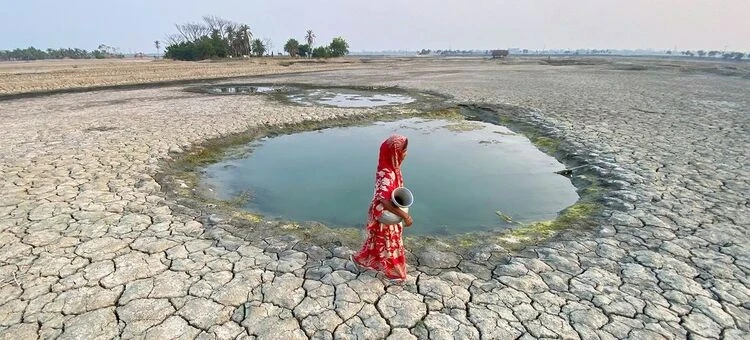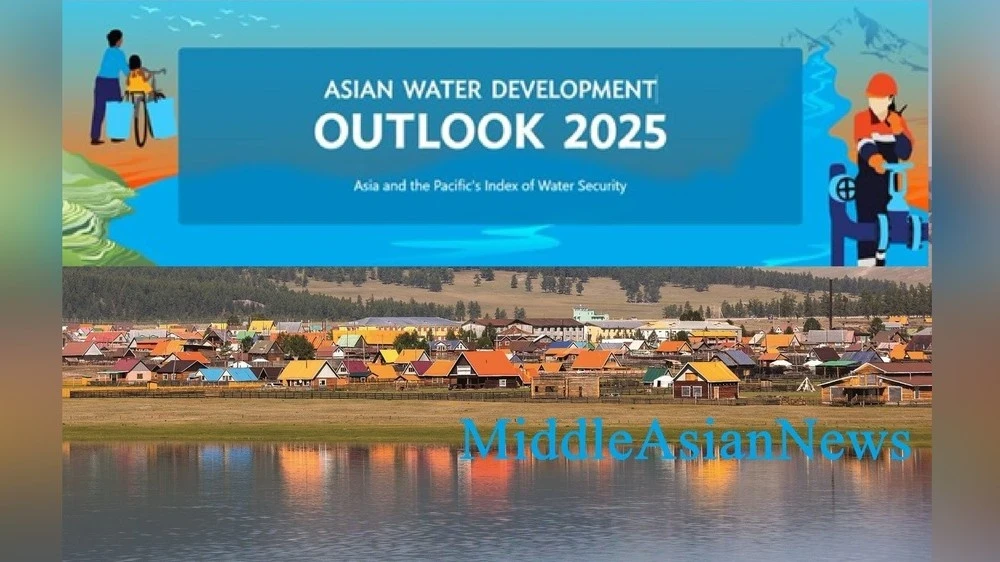
Over the past 12 years, more than 60% of the population in Asia and the Pacific region, amounting to about 2.7 billion people, have managed to eliminate severe water scarcity. However, a new report from the Asian Development Bank (ADB) warns that ecosystem degradation, climate change, and insufficient funding for water resources could once again put millions of people at risk of water shortages.
The report “Water Resource Development Prospects in Asia until 2025”, published on December 8, 2025, analyzes water security in the region, based on 50 economies and five key parameters: access to clean water and sanitation, availability of water resources for agriculture, the state of rivers and ecosystems, as well as measures to protect against natural disasters such as droughts and floods.
The East Asia region, which includes China and Mongolia, has demonstrated significant progress in ensuring water security, showing some of the best results in Asia and the Pacific from 2013 to 2025. Currently, East Asia leads in urban water supply indicators.
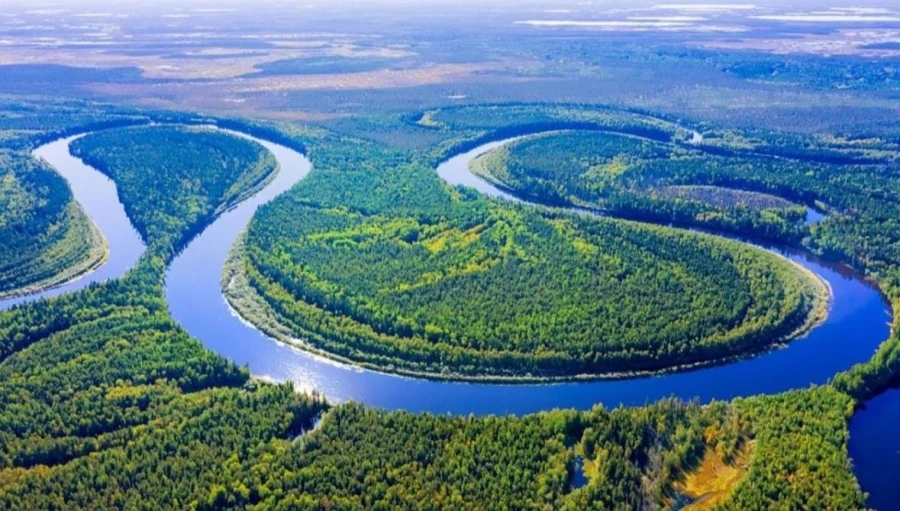
Despite the successes achieved, the region faces serious challenges, particularly in environmental protection. The indicators of the Watershed and Water Systems Condition Index (CASCI) show a decline, which is associated with rapid development, intensive land use, and high population density. However, the level of environmental governance (EGI) either remains stable or improves, compensating for the deterioration of ecosystem conditions.
Mongolia has significantly expanded its protected areas, positively impacting ecological water security. The indicators for water supply, sanitation, and hygiene (WASH) in the country have increased from 2.0 in 2013 to 4.0 in 2025. This indicates that a larger portion of the rural population now has access to basic services, although only 16% of rural residents have access to safe drinking water, less than 9% have piped water, and 15% continue to practice open defecation.
Despite existing challenges, the health level of Mongolia's population has reached 7.7, indicating the effectiveness of measures such as sanitation assistance and hygiene education. However, geographical and climatic conditions, including harsh winters and lack of heating, complicate the provision of water supply and sanitation in remote and nomadic areas, as noted in the report.
Norio Saito, Senior Director of the Asian Development Bank for Water Resources and Urban Development, noted: “Water resources in Asia exemplify two realities: on one hand, significant achievements in water security, and on the other, growing risks that could undermine this progress. Without ensuring water security, development is impossible. We must take urgent action to restore ecosystems, enhance resilience, and improve water resource management by applying innovative financial instruments for long-term water security, especially concerning vulnerable communities.”
Important ecosystems such as wetlands, rivers, aquifers, and forests that provide long-term water security are under threat. Extreme weather conditions, including storms and rising sea levels, pose a threat to a region that already faces 41% of all global flooding.
According to AWDO estimates, $4 trillion will be needed to meet the region's water supply, sanitation, and hygiene (WASH) needs by 2040, equivalent to $250 billion per year. Progress can be sustainable if nature is protected and integrated into water systems through national river monitoring, stricter pollution control, and watershed protection. Improving management systems with a focus on prevention will help enhance resilience to climate change and make water supply more efficient if subnational authorities are provided with the necessary resources and powers.
The report emphasizes that current spending on water supply, sanitation, and hygiene infrastructure is less than 40% of the required $250 billion annually, leading to a shortfall of over $150 billion. To bridge this gap, more efficient use of financial resources is needed, including blended financing that combines public and private funds to mitigate project risks and attract private capital. Improving the financial sustainability and efficiency of the water sector can also help attract private investments.
This year, the Asian Development Bank (ADB), in collaboration with the University of Oxford and other organizations, prepared the AWDO report. ADB has already published five editions of this report since 2007.
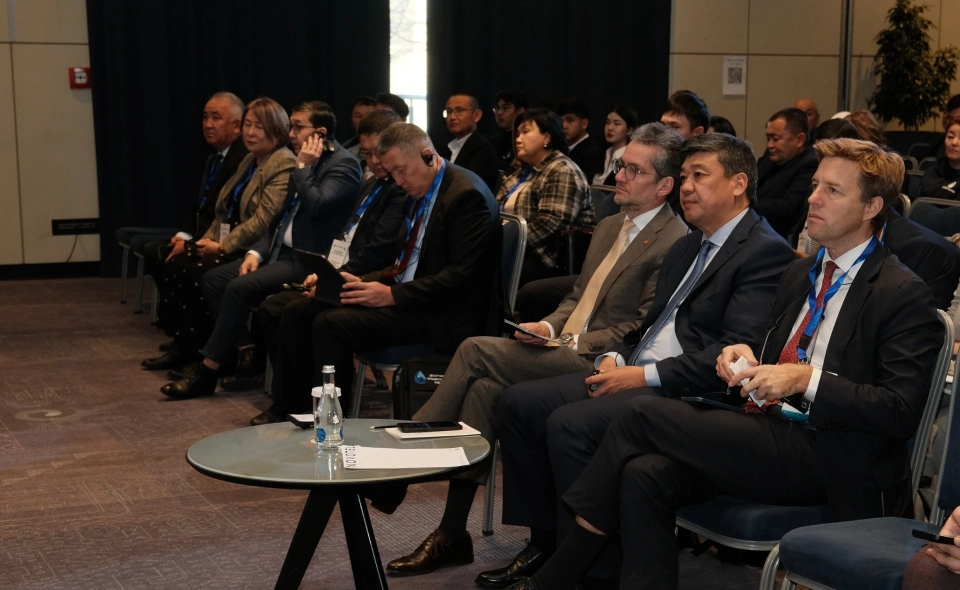
However, the Organisation for Economic Co-operation and Development emphasizes that Mongolia faces growing water resource challenges due to rising demand, climate change, and depletion of groundwater. The National Water Resources Dialogue is exploring ways to improve water resource management, including financial and investment planning and the development of information systems.
Water security in Mongolia is a crucial aspect supporting economic growth and sustainable development. About 40% of the economy depends on water-intensive sectors such as mining and agriculture. However, rising demand, climate change, depletion, and pollution of aquifers create additional challenges. Groundwater remains the primary source, but its availability is decreasing, especially in densely populated areas such as Ulaanbaatar and key agricultural zones. Projections indicate that by 2040, water demand in Mongolia may exceed available supply if necessary measures are not taken.
Tatar S. Maidar
source: MiddleAsianNews