TMK Energy reported record gas flow rates in Mongolia
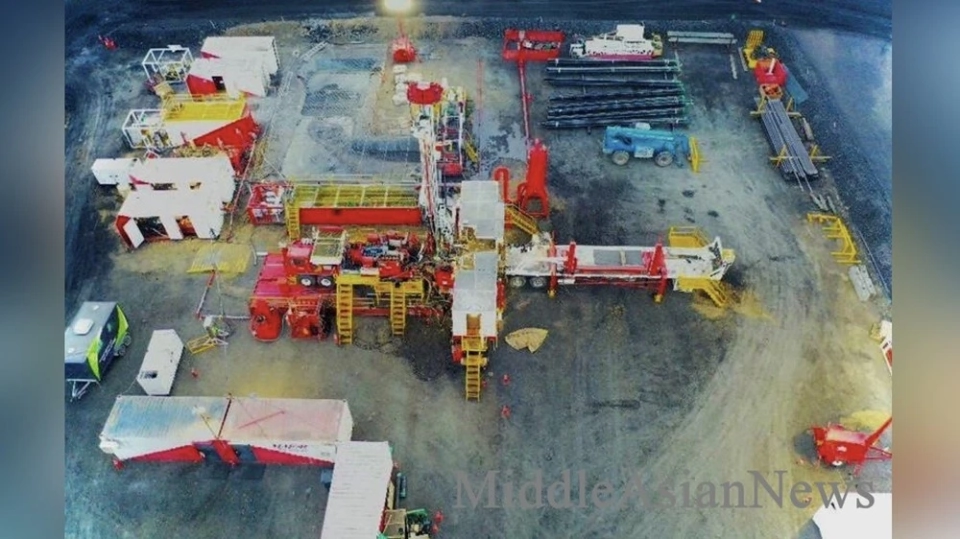
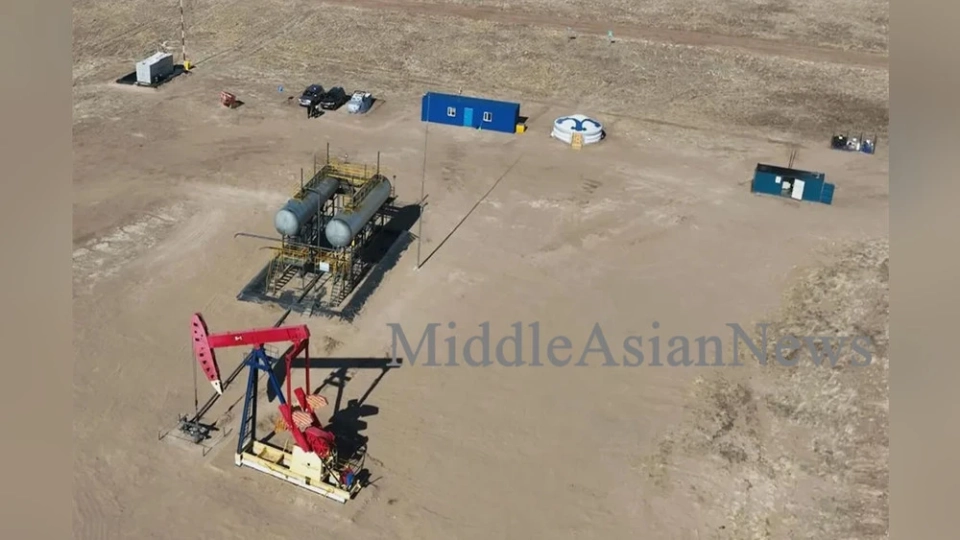
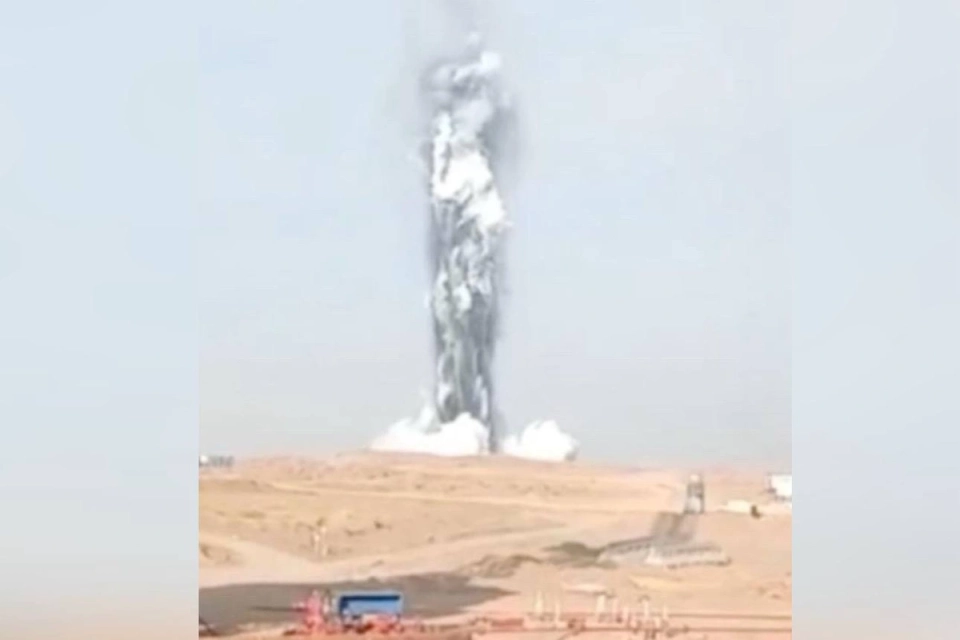
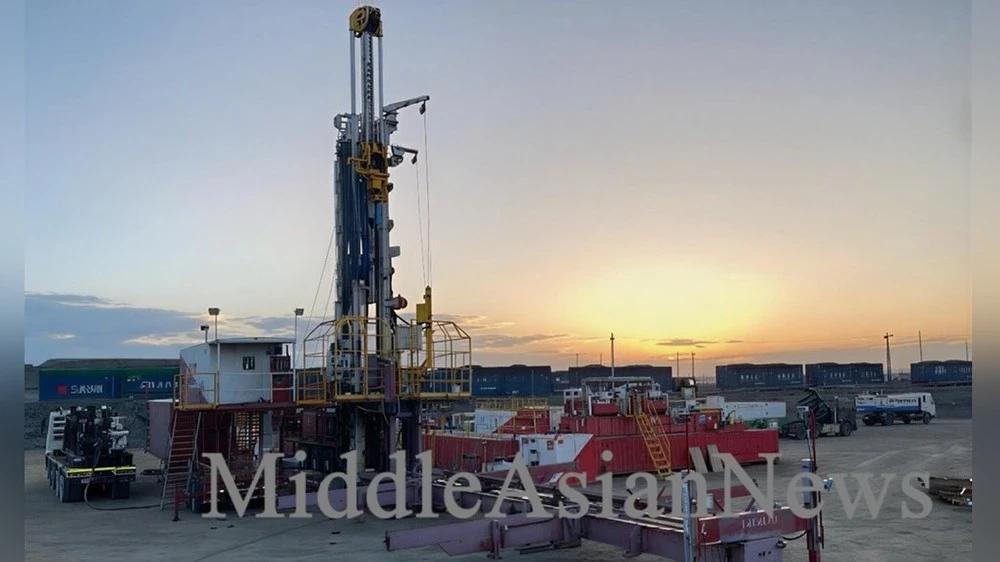
TMK Energy continues to demonstrate significant success in the gas extraction project from coal seams in Gurvantes, Mongolia, increasing gas flow by 18% in November.
According to the company, their pilot wells are exceeding expectations, showing a stable influx of gas and water consumption. Water intake remained at October's level, amounting to 493 barrels per day, while gas production reached 466 cubic meters per day, surpassing the October result of 395 cubic meters.
With a 9% increase in December, this indicates that the gas reservoir is gradually losing pressure and approaching the critical desorption point.
The November results marked the fourth consecutive month of improved flow rates since TMK introduced a new reservoir management plan (RMP) in August.
A decrease in reservoir pressure is a crucial condition for gas release, achieved by pumping water out of the coal to reduce underground pressure. At this point, the reservoir approaches the critical desorption point, where methane begins to flow at a commercial rate without depressurization.
TMK notes that the highest volumes of gas were obtained from the latest well, which shows excellent results even at low pump rates, confirming the effectiveness of the updated drilling and field management plan.
Since implementing the new plan, the company has not faced any blockages or pump delays, confirming the success of a slower and less aggressive extraction approach.
Recent data on bottom hole pressure in the pilot well aligns with modeling based on Langmuir curves, which show how much gas a coal sample can adsorb at various pressures. The higher the pressure, the more gas can be retained in the reservoir.
In accordance with the project management plan, the scheduled four-day well closure confirmed that reservoir pressure continues to decrease during water extraction.
“For four consecutive months, we have seen an increase in gas production levels, and importantly, no major repairs of the wells are required, a high level of water saturation is maintained, and reservoir pressure continues to decrease,” noted Dougal Ferguson, CEO of TMK Energy.
The company has also completed its geological exploration program for 2025, which is an important step within its license.
To the east of the pilot project in the Sumber area, two exploratory wells have been drilled. The first reached a coal seam approximately 35 meters thick at a depth of up to 300 meters, while the second intersected an 11-meter thick coal seam before drilling stopped at a depth of 249 meters due to unstable ground.
Both wells demonstrated encouraging results, confirming that the methane deposit system extends east of Nariinsukhait, which is part of the main project area of Gurvantes. Although the gas levels were lower than in TMK's pilot wells, management attributes this to the shallower coal deposits.
Work is currently underway for in-depth data interpretation and selection of coal seams at greater depths for future drilling, where higher gas content is expected.
The third well was drilled in the pilot project area to gather additional data. This well intersected thick, gas-rich coal seams similar to those observed in the active pilot wells. Core samples were collected and sealed for gas testing.
Gurvantes covers 8,400 km² in the southern Gobi of Mongolia, just 50 kilometers from the Chinese border crossing at Shiveekhuren and close to important gas infrastructure in China.
The region is renowned for its large coal deposits, making it ideal for extracting methane from coal seams, as geological processes convert organic matter into methane. The estimated gas resources are 1.2 trillion cubic feet, with prospective resources of 5.3 trillion cubic feet yet to be explored.
TMK has already begun planning its drilling program for 2026 to accelerate pressure reduction and increase gas production.
Given the near-record gas production volumes, the start of new geological exploration work, and the intensification of planning for the entire field, TMK appears capable of changing the situation in the South Gobi basin.
The project seems to be moving towards commercial success, and investors will closely monitor its development.
Tatar S.Maidar
source: MiddleAsianNews