Critics describe this work as a unique example of cinematic poetry, where simple images reveal deep themes of human existence.
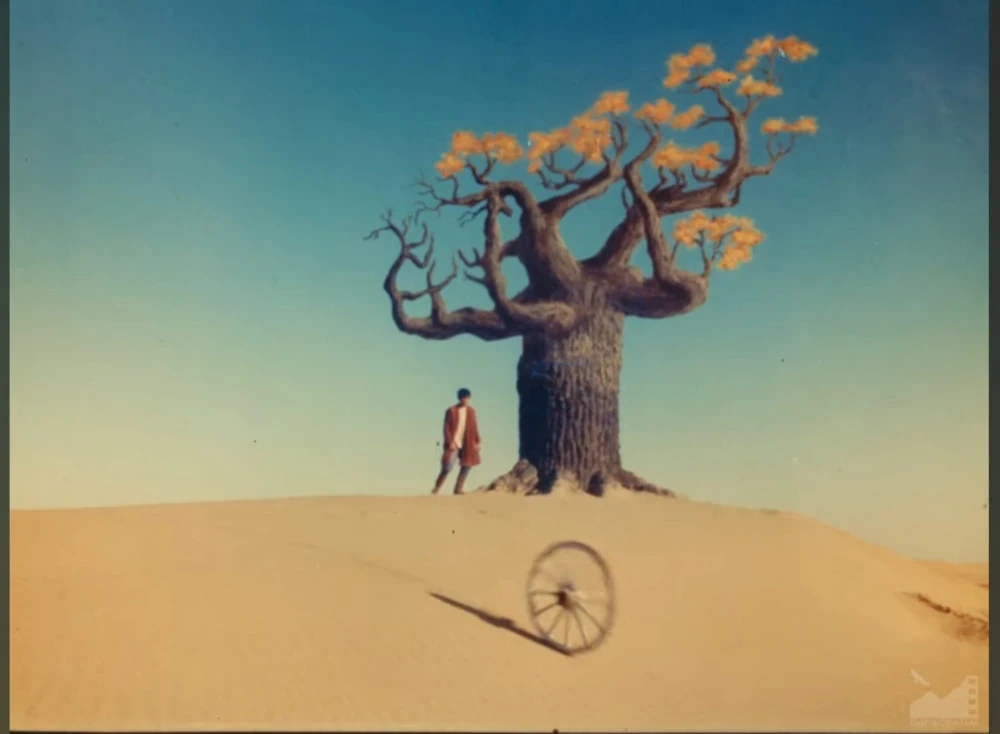
The quality of the wheel that a man cannot catch up with embodies life postponed for the future...As reviewers note, the director portrays the tragedy of human life: in striving for progress and speed, we lose our connection with eternity, with nature, and with ourselves.
The director seems to reflect our time, even though half a century has passed since the release of "The Tale of a Man, a Wheel, and a Plane Tree." He depicts a race against time, where people live not in the present but in a future that may never come, and if it does come, we will already be different.Algimantas Vidugiris warns: if progress is not aligned with nature, it can turn into a wheel of fate rolling across a desolate land.
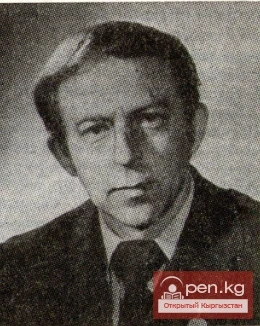
Algimantas Vidugiris is considered one of the founders of the "Kyrgyz miracle," alongside masters such as Tolomush Okee and Bolot Shamshiev, representatives of a generation that sought to speak in a symbolic language and navigate the ideological constraints of their time.