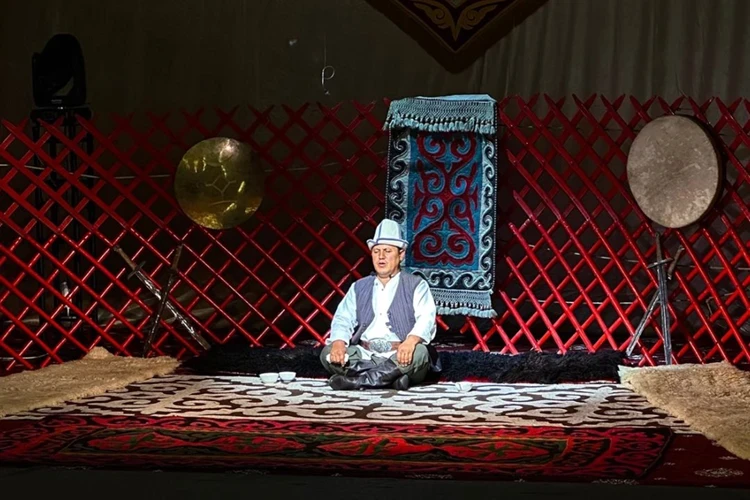
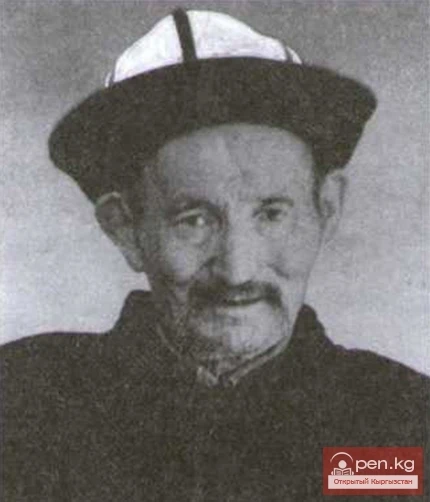
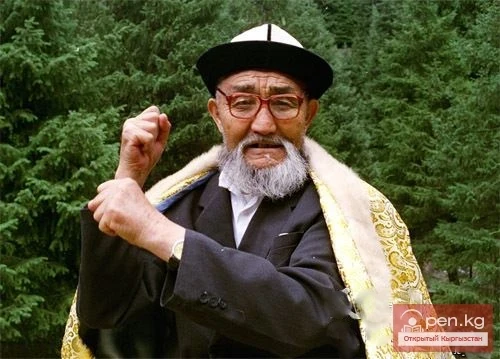
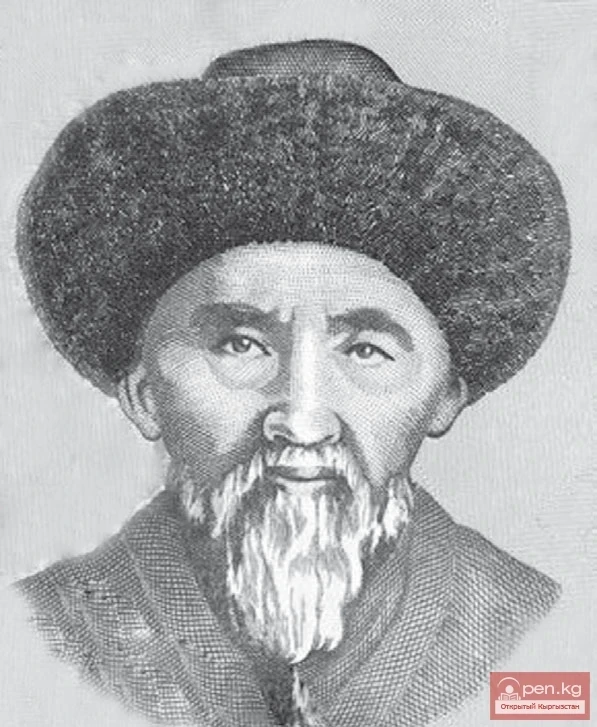
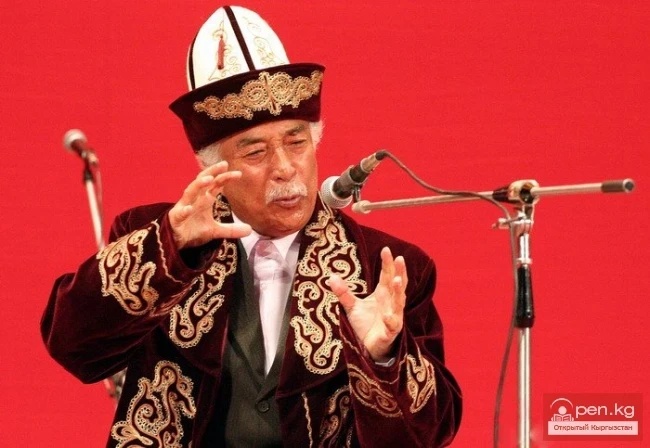
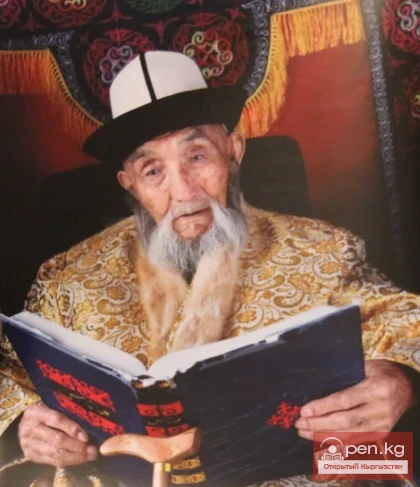
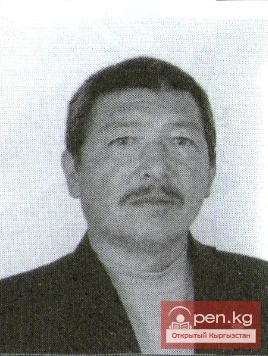
In the book, the names of the manaschy are presented in chronological order, and the manaschy Rysbay Isakov additionally adorned their stories with poetry. Rysbay Isakov became a holder of the Guinness World Record for narrating the epic "Manas" for 124 hours.
Nurbek Talantbekov noted that the manaschy and the art of storytelling are not just entertainment or musical performances.
“The art of manaschy and the world of 'Manas' possess a unique quality that has yet to be studied by science. This can be seen in the myths preserved in history and in the events we experience. The epic 'Manas' inspired heroes to feats and the struggle for the people and the land, and no one could compete with the power of the manaschy's word. Therefore, such figures as Baytik and Kydyr Ake, with their inner strength and spirit, considered it an honor to support and develop storytelling,” he noted.
How many manaschy have remained in our memory, and how many are left in the shadows of history? Society still does not know the exact number of manaschy that exist today.
The author of the book emphasized that his main task is to convey the names of all manaschy to the people, and in the future, the list will be expanded.
In the new section of AKIpress "The History of Manaschy," we will tell the life and work of each of the 150 manaschy.
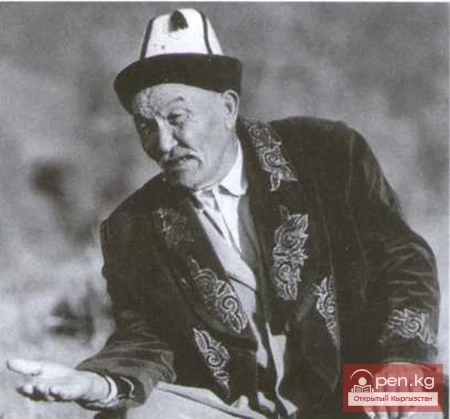
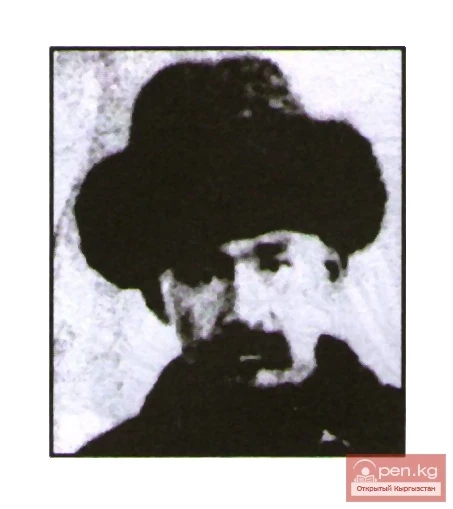
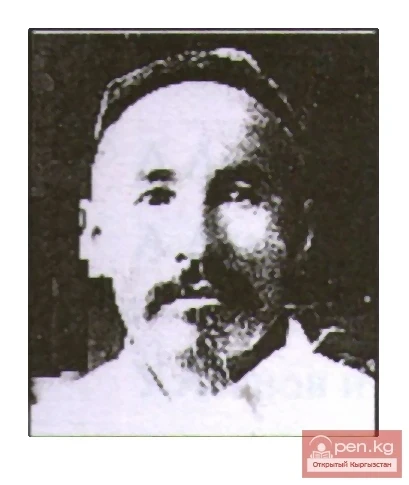
Akmat Yrysmen's Son (1891-1966)
Akmat was born in the village of Shamshy in the Chuy region, belonging to the Chertike clan of the Sarybagysh tribe. At the age of three, he lost both parents and was raised by a distant relative. He entered the world of "Manas" only after twenty years.
According to his own words, once while herding sheep in Suusamyr, he fell asleep and saw a young man who said to him: “This is a gift given to heroes,” and placed a chicken egg in his hand. Since then, Akmat had a desire to tell "Manas." As soon as he began to speak, the verses came to him by themselves. At first, he shared his stories with fellow villagers and shepherds, and then, in 1915, he performed at the house of Myktybek in Tokmok before a wide audience, where he was "initiated" into storytellers. Later, he became a student of Sagynbay Orozbak. After the establishment of Soviet power, he worked as a shepherd in a collective farm. In 1939, Akmat was accepted into the Kyrgyz State Philharmonic, where he worked until the mid-1950s. He toured throughout Kyrgyzstan, as well as in Kazakhstan and Uzbekistan, becoming known as "Semeteychi Akmat."
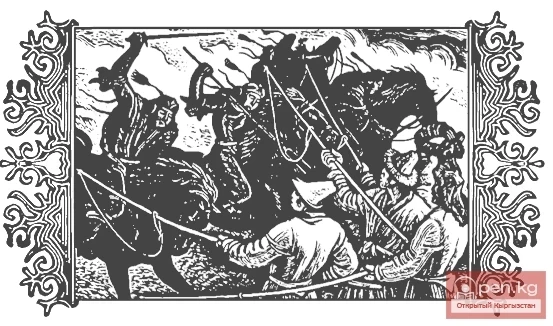
People's Artist of the USSR Tursunaliev Estebes recalled an incident when Kyrgyz performers toured in Uzbekistan and stayed in one of the villages on the banks of the Urgench River. That night, Akmat told an episode about how Külchoro swam across the Urgench. The host liked it very much, and the next day he asked him to perform again. Akmat repeated his story, adding a humorous element: “The water of Urgench seeped under the floor, and everything floated…” To amuse the people, he “washed” away all the bushes and garbage from the shore, pulling all the villagers into the water, exclaiming: “And the fabric floats, and the stones float… what a complicated trouble.” Those who understood the joke laughed until they cried, while the others, offended, dispersed. The next morning, while going to get a new tag (headwear) at the workshop, Akmat heard from the master that “there was no tag left — the water of Urgench took it away at night.”
While working in the philharmonic, under the guidance of Ybyrayym Abdyrakman uulu, Akmat recorded parts of the epic "Manas," such as "Manastyn Közkamandardan körgön jamandygy," "The Great Campaign," as well as individual fragments from "Semetey," including "The Childhood of Semetey" and others. Although these episodes do not cover the entire main plot of "Semetey," scholars note that their composition remains intact, and the materials of "Manas" recorded by Akmat are close to Sagynbay's version. His version of "Semetey," titled "Urgench," was published in 1941 and included in the 4-volume edition of "Manas," released in 1958-1960.
In his last years, Akmat lived in his native village, where a school was named after him.
In the collection "Manaschylar," Rysbay Isakov left the following lines about him:
Ürgönchtün suusu kirgenin,
Üstünön üyör jürgönün.
Üshünön ketip ukkandar,
Ümütssüz kılip süldürün.
Keremet kılip aitchu deit,
Keltirip sherlär dürböönün.
Semeteychi Akmat dep,
Sezimın eeleit müldünün.
Kanatın küülöp maksatın,
Kadyrın eske saqtattım.
Kömüskö kalıp kay biri,
Köngildü kelbeyt aksatqım.
Andıqtan, barın sanakтап,
Amalın kıldım maktaştın.
Ysyımı unут bolbosun,
Yrysmen'de uulu Akmattyn.