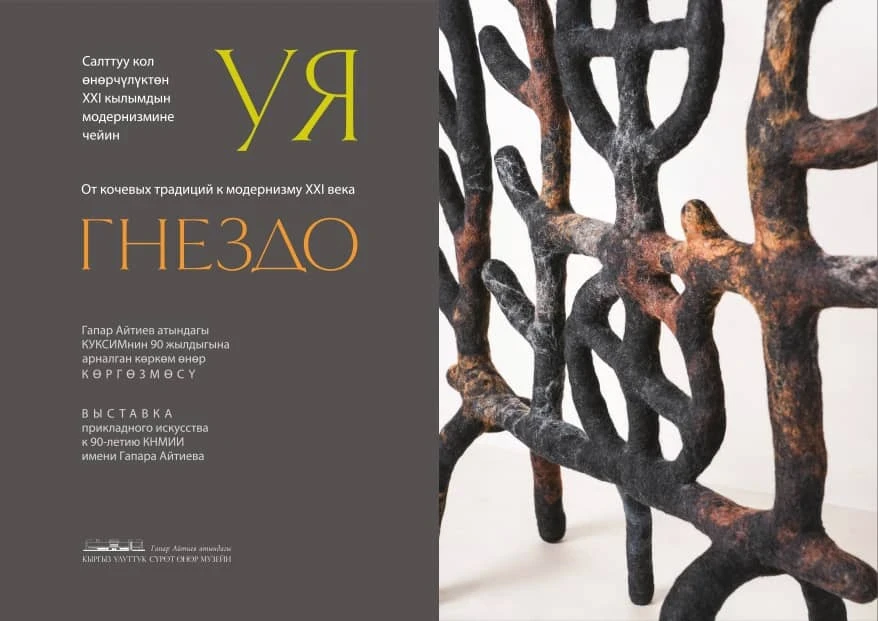
The exhibition will be divided into two main parts:
- contemporary applied art pieces by 21st-century artists;
- decorative and applied art from the 20th century, encompassing traditional and professional works from the collection of the KNMFA named after Gapar Aitiev (including textiles and chi).
In the first part of the exhibition, contemporary authors explore traditional materials and techniques. For them, as for their ancestors, felt, textiles, and natural materials symbolize places of safety and connection. In the nomadic culture of the Kyrgyz, such a place is the yurt. Artists turn to felt and textiles—materials that connect humans with the Earth, their memories, and physical existence. Their works arise from a conscious interaction with materials and time.
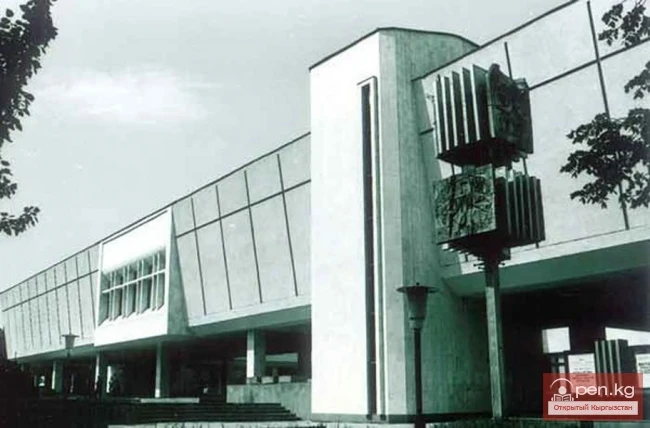
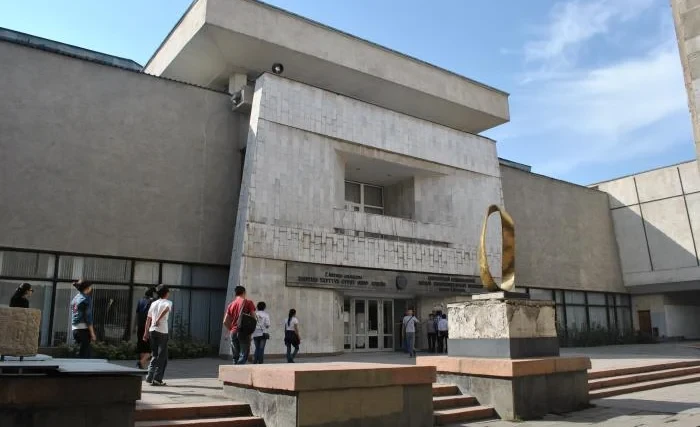
Photo by the KNMFA named after Gapar Aitiev
The second part of the exhibition features a collection of works created using traditional techniques, allowing viewers to delve into the history of the development of decorative and applied arts in Kyrgyzstan in the 20th century. This period is characterized by significant changes in the lifestyle of the people. The exhibition includes items that were used in the daily lives of nomads and served as the basis for furnishing the yurt, such as shirdaks, ala kiyiz, and chi mats, made using traditional technologies and intended for permanent use.