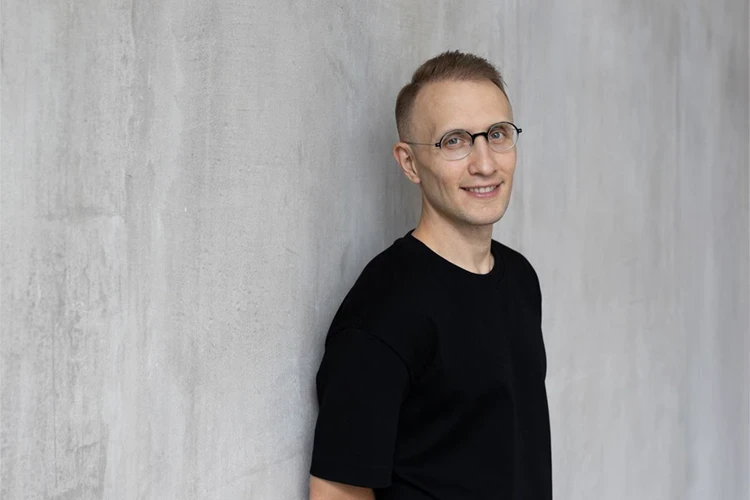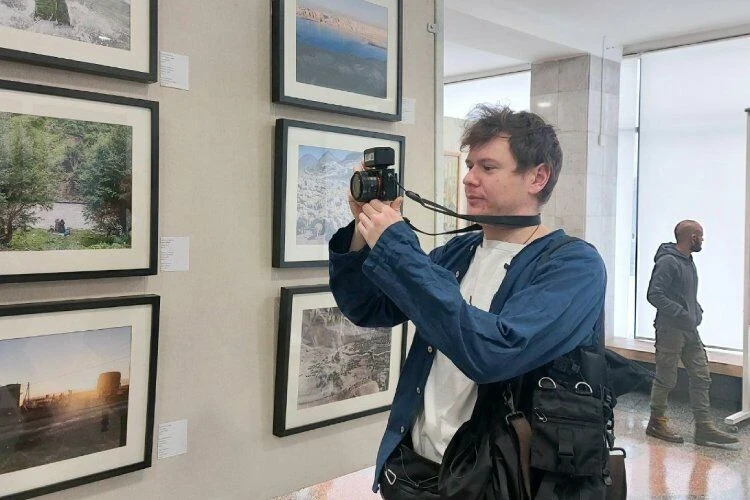
Danil Usmanov, a documentary photographer, observes the life of Kyrgyzstan through a lens where there are no coincidences. His works capture ordinary people, streets, and everyday moments where unnoticed but significant changes occur.
In his photographs, he captures the silence of time and the processes that we pass by without noticing. In an interview with 24.kg, Danil shared his professional journey and the challenges faced by documentary photographers today.
— What inspired you to become a photographer?
— In a sports camp where I was training in athletics, my brother gave me his flip phone. I started taking pictures, experimenting with settings, although I didn't notice any significant changes. One day our coach asked me what I dreamed of becoming, and without thinking, I replied that I wanted to be a photographer. The coach lent me his camera and suggested I take pictures of him with the trainees. Later, my parents bought me a camera, and I began shooting at school and everywhere.
— When did you start practicing photography professionally?
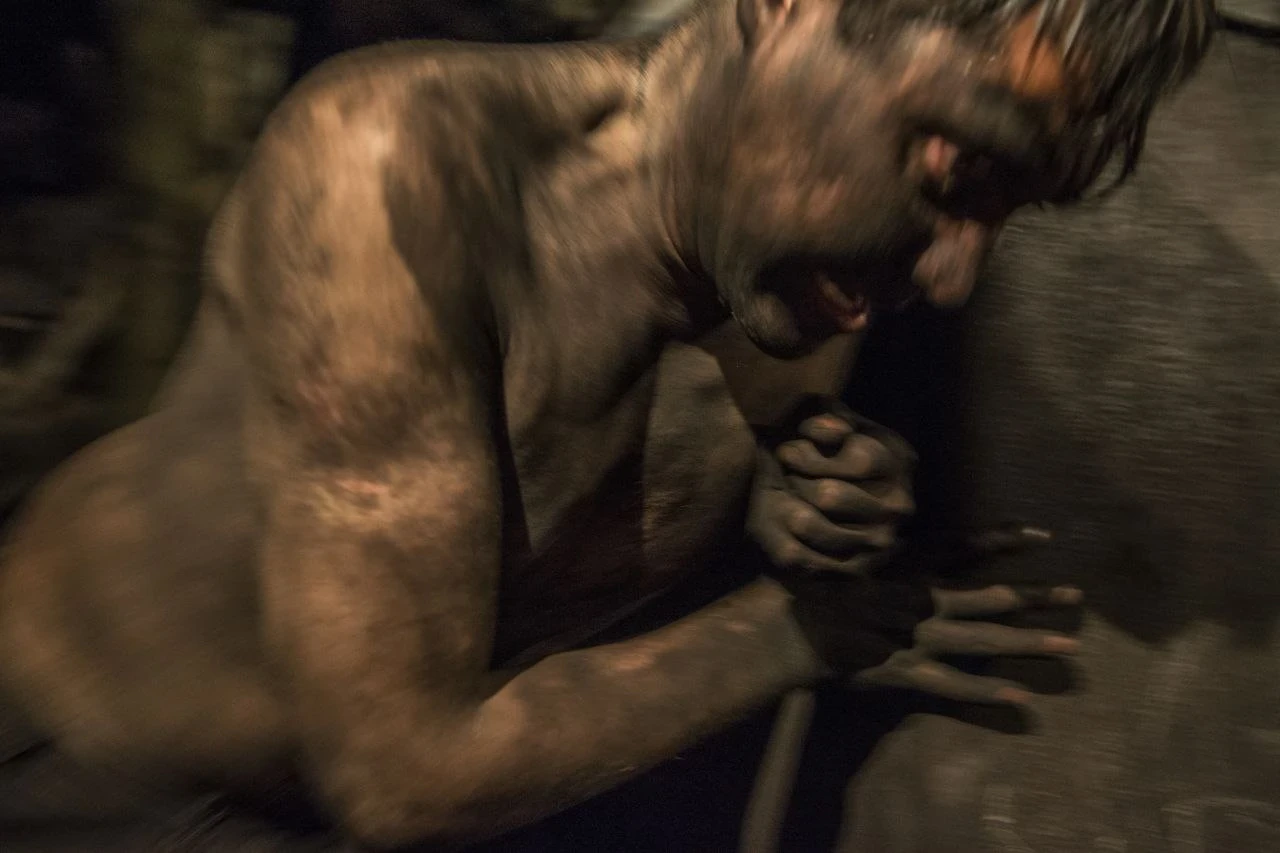
— The thing is, there were no places that taught professional photography skills. I searched for photography clubs and found a children's creativity center. Classes were held twice a week. One day they brought us magazines, and I chose a photo series about a miners' strike in Donbas. I didn't know how it was shot, but I was told that it was reportage photography, and then I felt that this was exactly what interested me.
My father always bought "Evening Bishkek," and I enjoyed studying the photographs and articles. I was amazed at how one photograph could completely reflect an event. I went to the editorial office of "Evening Bishkek," met Vladimir Pirogov, the head of the illustration department, and asked for an internship. I showed my work for several months.
One day, when everyone was busy, I was offered to go on a shoot by myself. I was very nervous, and it seemed to me that it didn't go very well. But I continued to be invited, and soon I received a freelance correspondent certificate. That's how my career in photojournalism began, and I also graduated from a school of documentary photography.
— What topics about Kyrgyzstan do you think remain underrepresented?
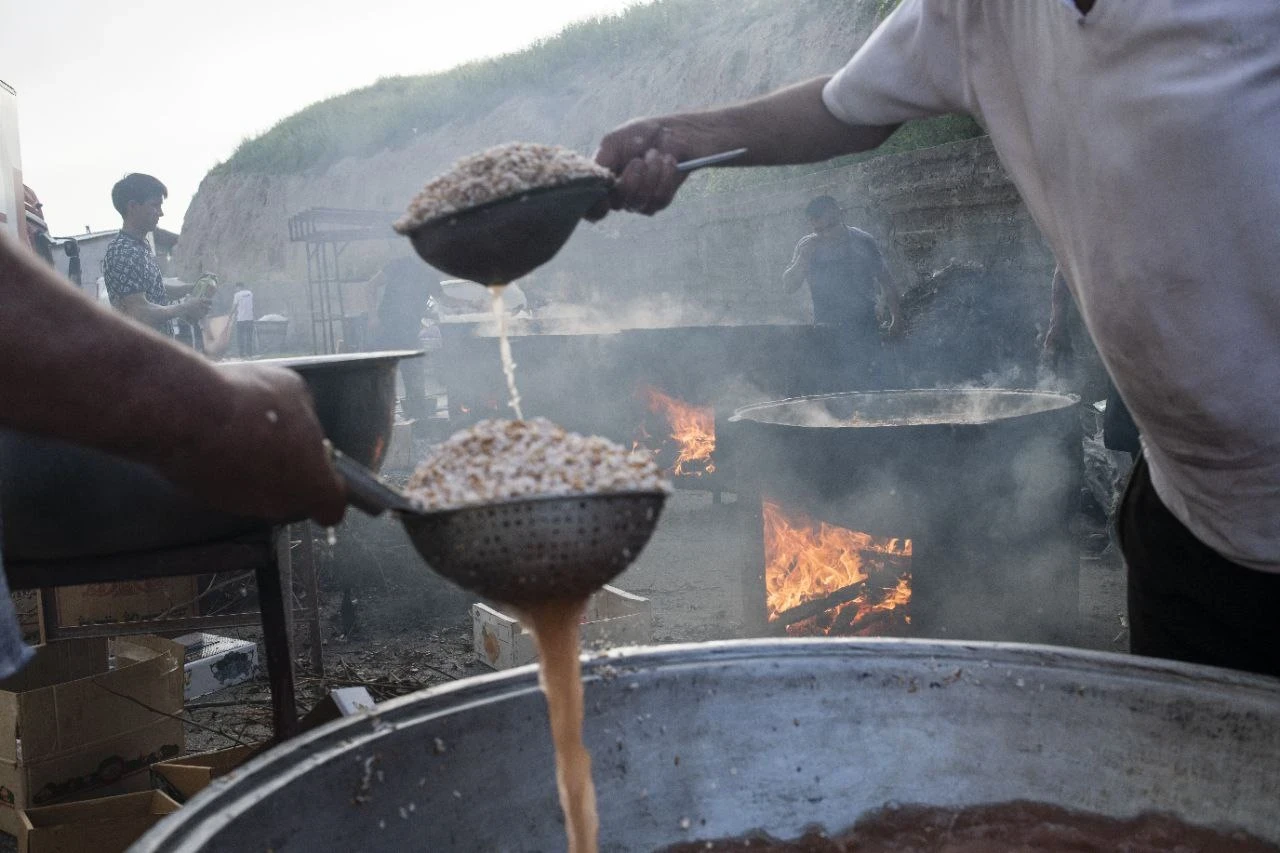
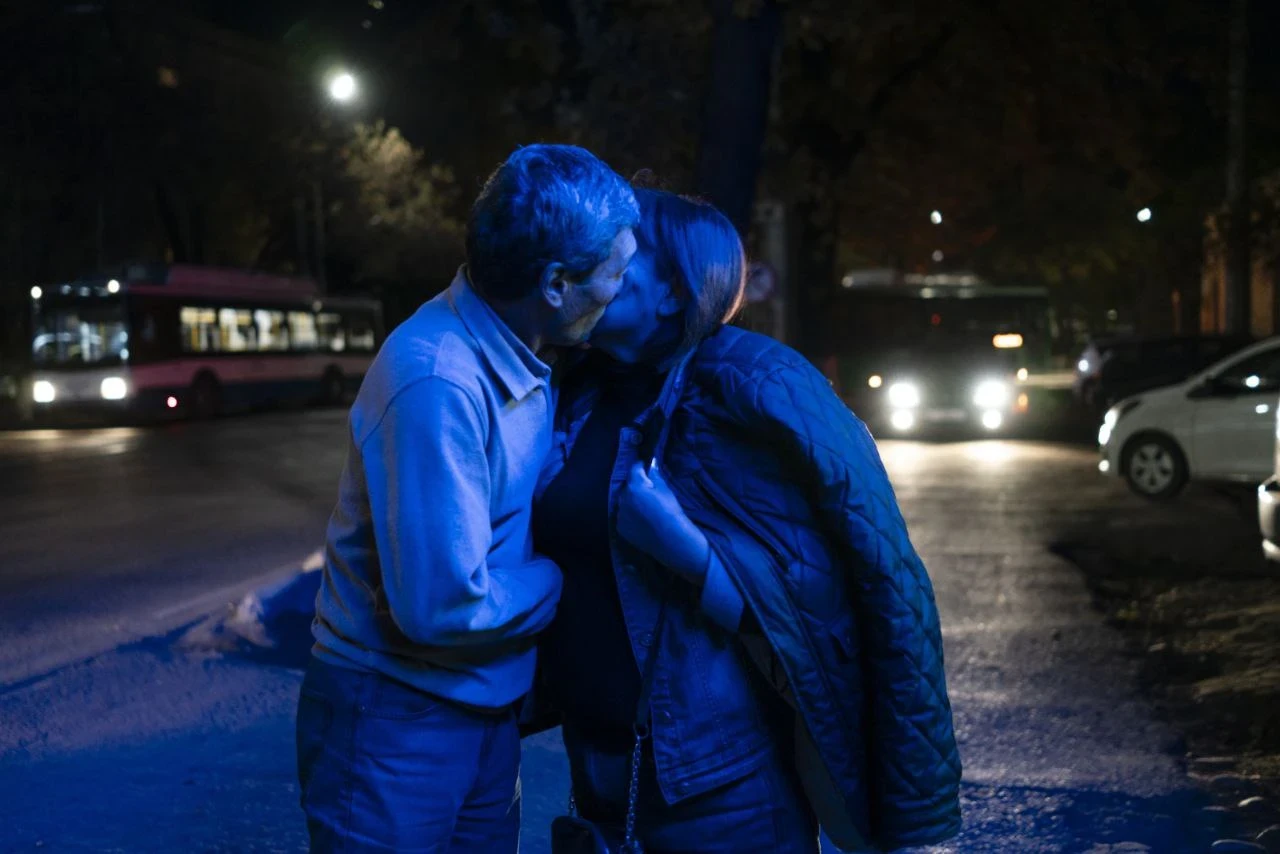
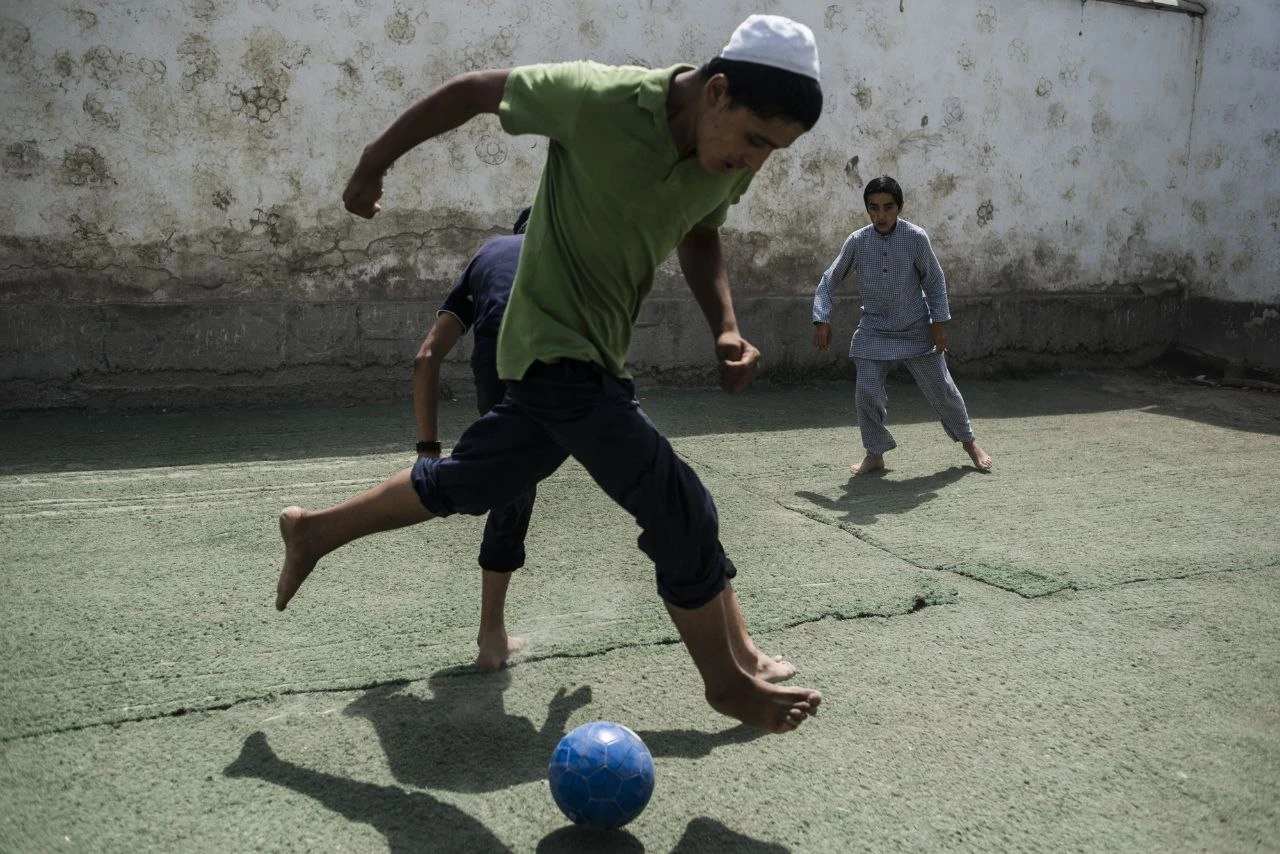
— I believe that there are many topics in Kyrgyzstan that are not filmed and about which little is said. Central Asia is full of stories. Unfortunately, the culture of photo projects and photo stories is poorly developed in the media. Usually, photographs are made for foreign publications, and only narrow topics are of interest. But Kyrgyzstan is a wonderful place where you can always find an interesting story.
— Is the profession of a photographer still in demand in the modern world?
— I remember the times when Instagram and TikTok were not yet popular. People were happy when I came to shoot and didn't ask questions like, "Why? Why? Where will this be shown?"
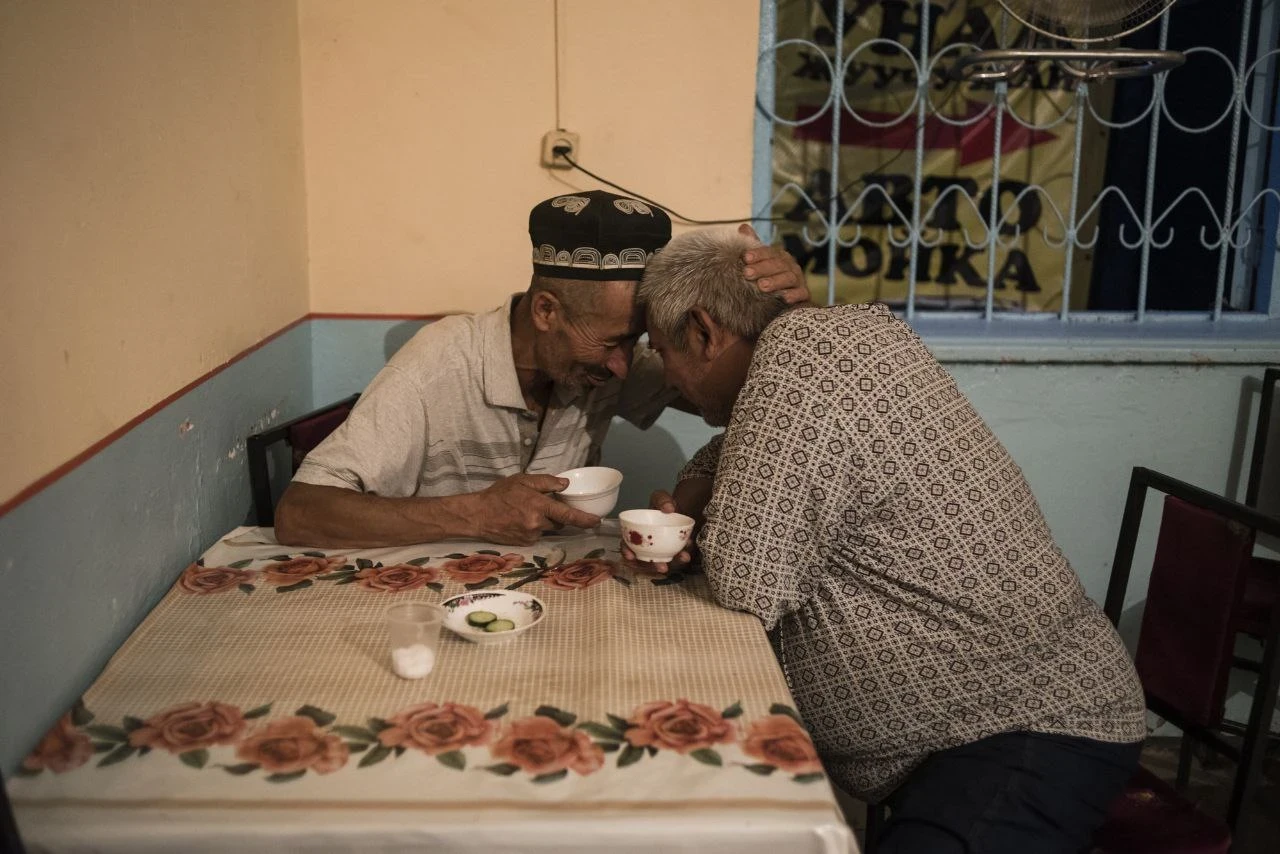
People were more open. Today, many are afraid of becoming "popular," which is associated with memes and jokes on the internet.
Danil Usmanov
There is a growing distrust: when I photograph, people think I have some kind of agenda. So it has become harder to work. Previously, many dreamed of getting into a newspaper or on television, but now photographs are often replaced by shots from phones, and it seems that there is no need for them. But I am convinced that this profession is important. What we shoot can remain in archives for future generations.
— Have you encountered dangerous or emotionally challenging conditions during shoots?
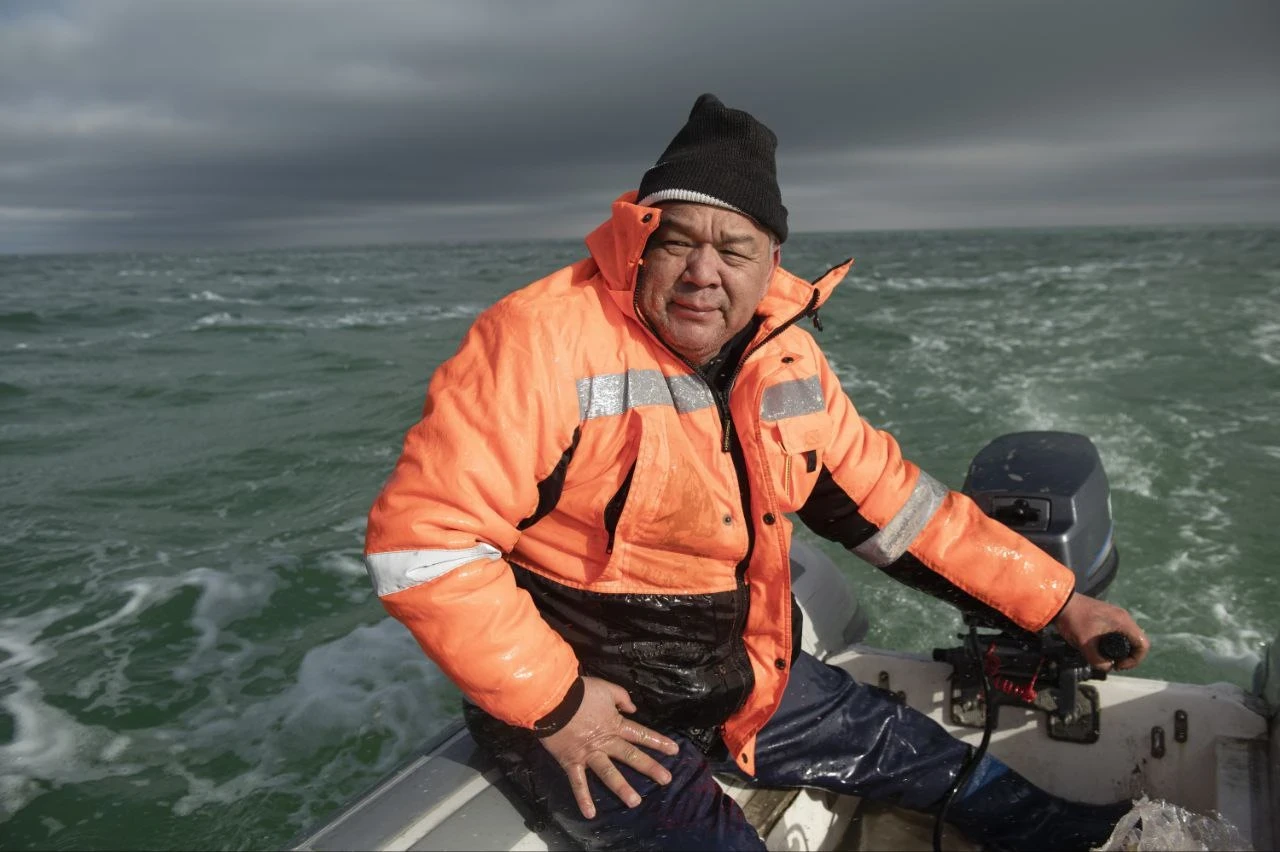
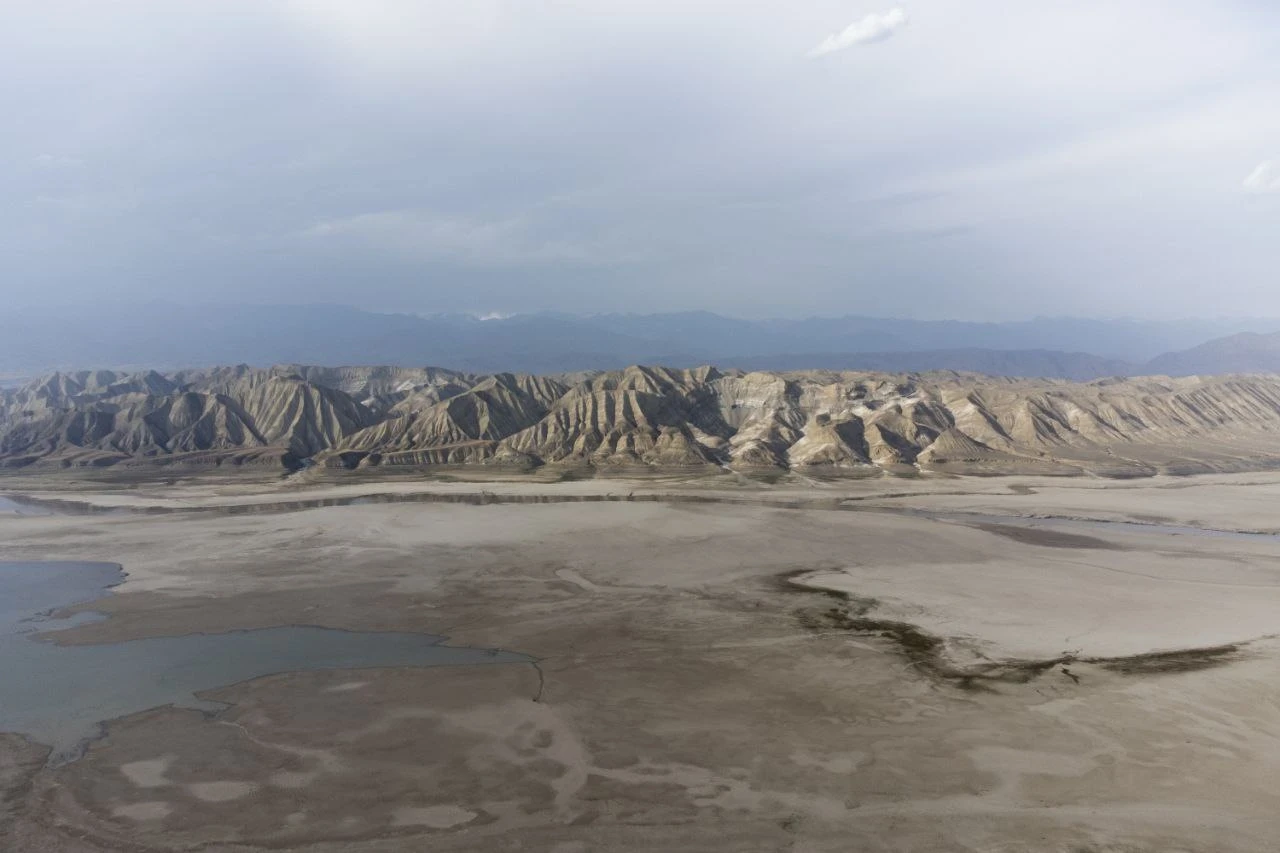
— There have been different situations. For example, in January of the year before last, we were in Muynak in Karakalpakstan and ended up at the Aral Sea during a storm. The captain warned that it was unsafe to go out to sea, but we took the risk anyway. We were in a rubber boat, and I thought we would capsize. However, everything went well, and I tried to focus on shooting.
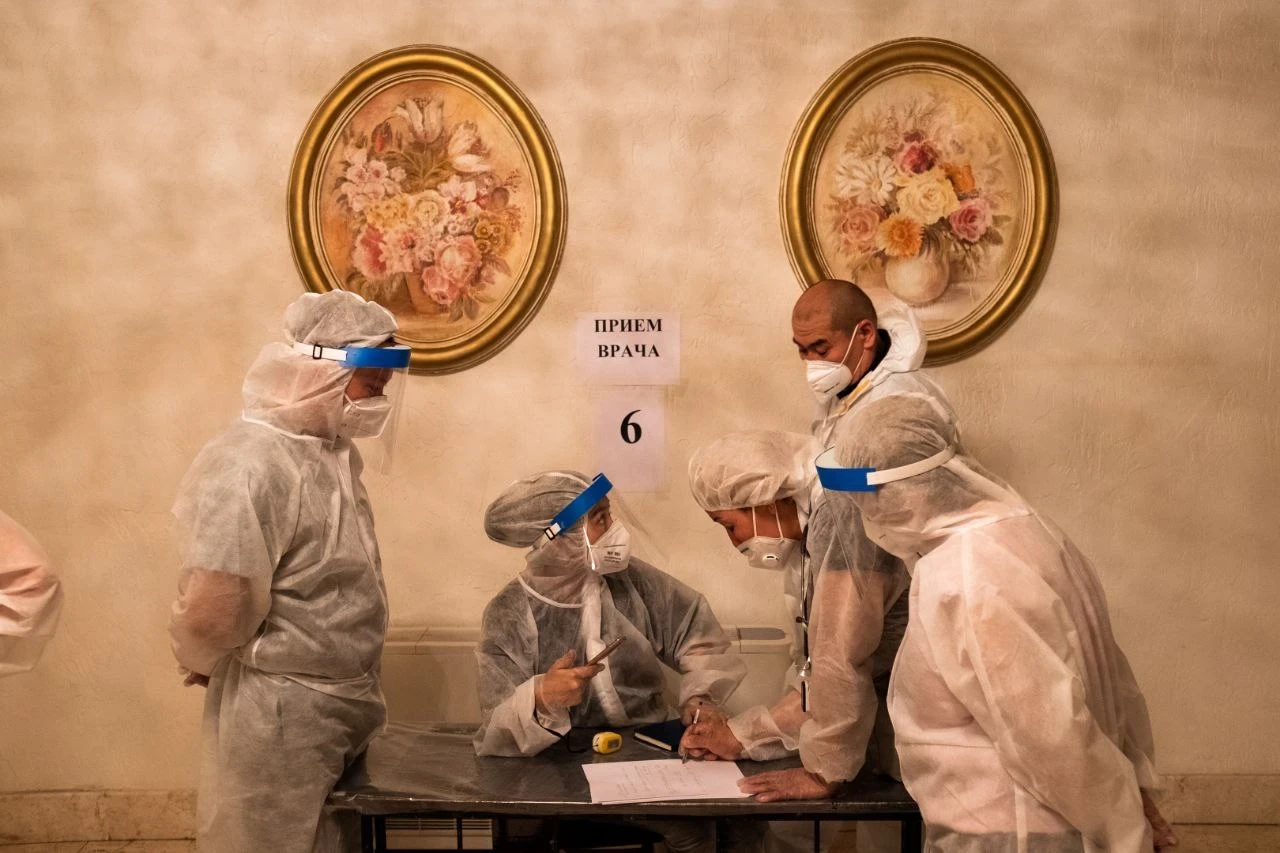
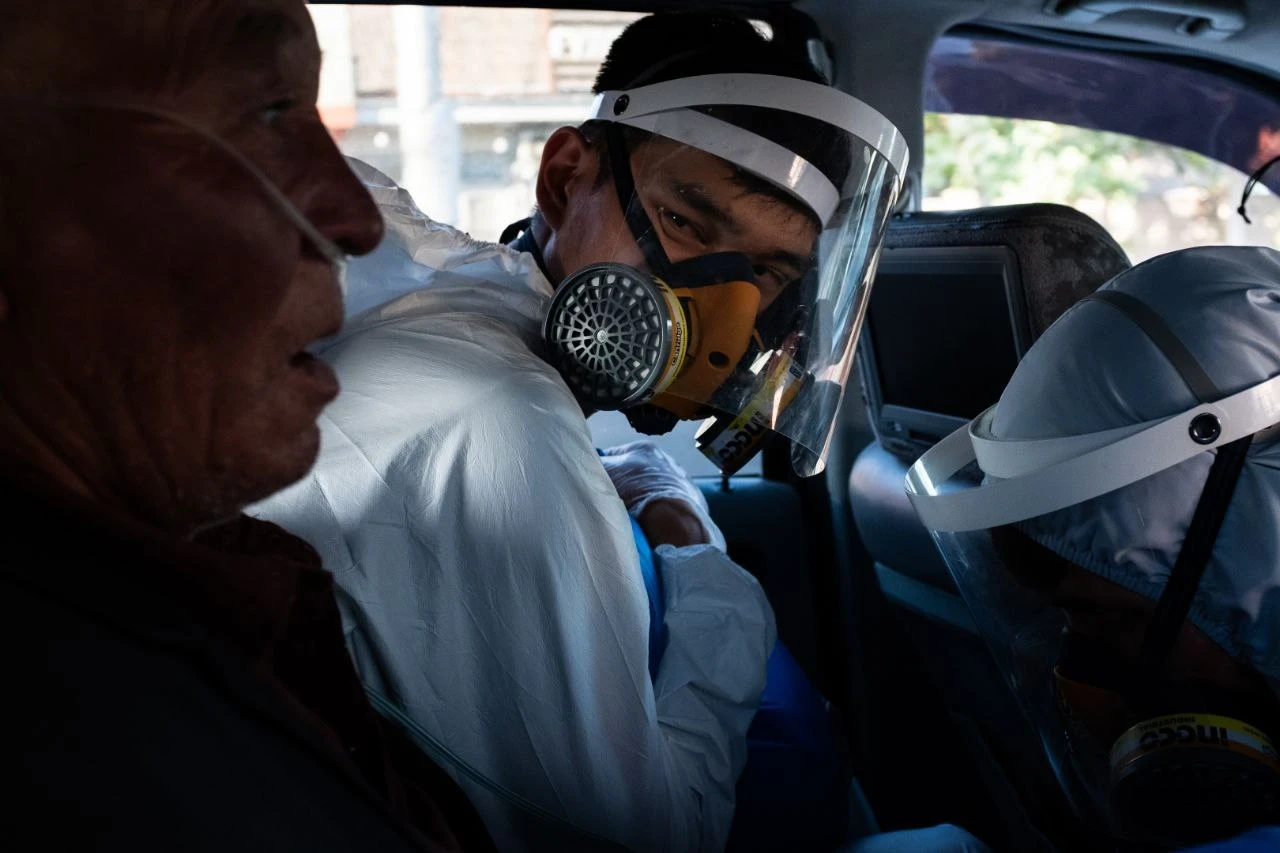
I remember shooting during the pandemic. People were busy with their problems, but I understood that it was important for history to show the work of volunteers and medical workers.
Danil Usmanov
Sometimes I arrive at a location, and people are not happy to see me. But for a photo story, it is important to capture moments, and I endure sidelong glances while continuing my work.
Recently, I was filming a documentary about drivers and went to the scene of an accident. One driver stopped to help, and I started filming him. People began to protest, but I explained that I was not filming the accident itself, but a person showing humanity, even though there was blood around. I want to show such people who do not stand aside.
— What project do you consider the most significant in your career and why?
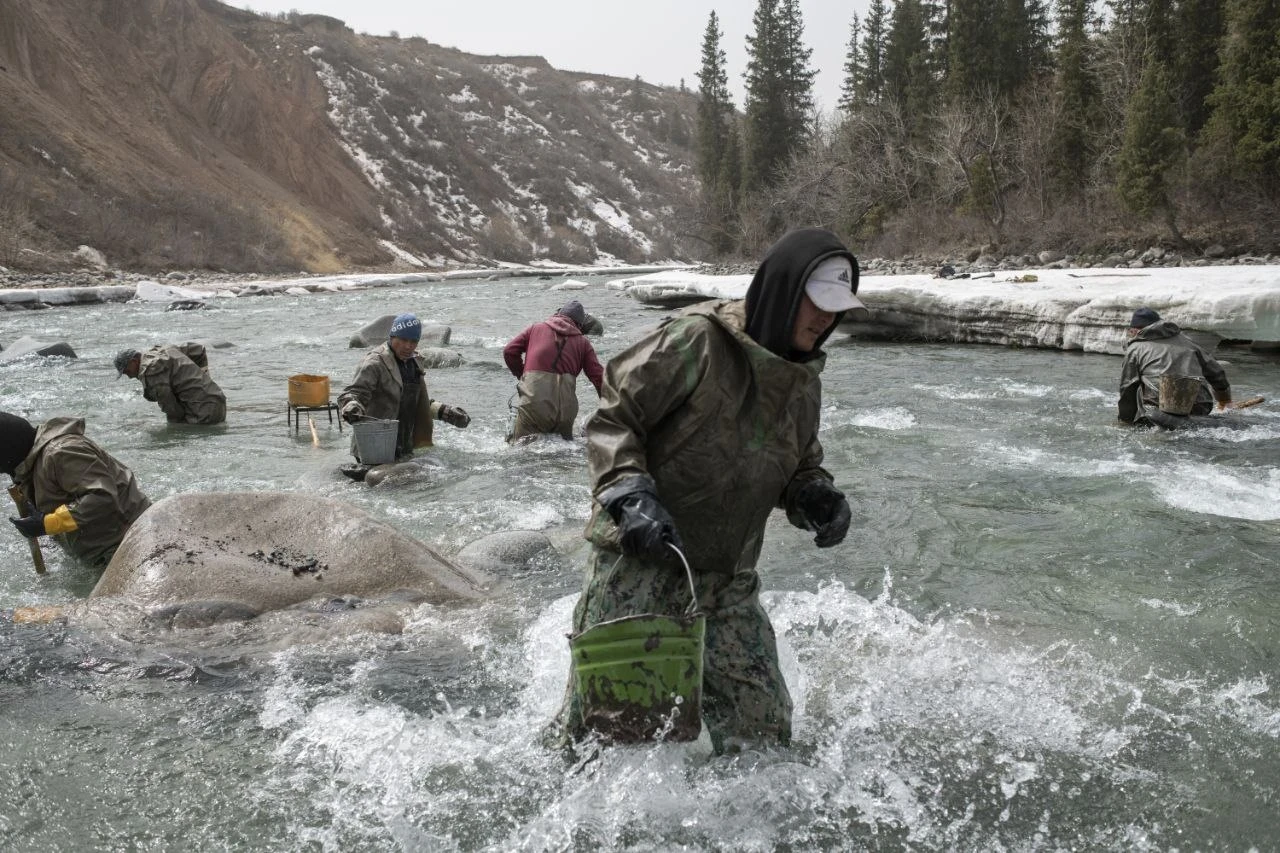
— I don't have one main project. I always try to finish one work quickly to move on to the next. All stories are unique and interesting to me. Sometimes I don't want to look at my photographs—I enjoy the process itself more: arriving, negotiating, gaining access, finding myself in unusual conditions, and creating a story.
— What are you currently working on?
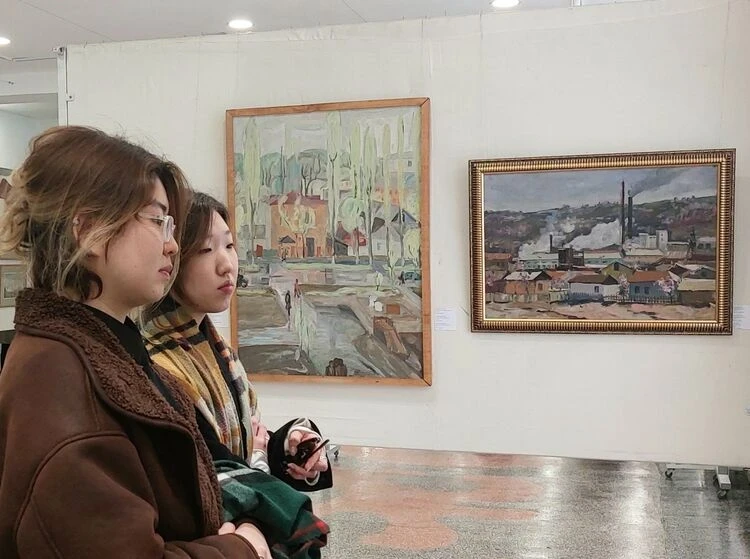
— I just returned from filming a documentary about the Silk Road. Recently, I had an exhibition of my works at the Gapar Aitiev National Museum of Fine Arts and at the youth creative space Domkult. Soon I am going to Ust-Kamenogorsk to create photographs for a French publication.