New establishments focus on local products
The beginning of the MICHELIN guide's gastronomic journey in Turkey was marked in 2022 with the announcement of selections in Istanbul 2023. Soon, Izmir and Mugla were added to the list, and in 2025, Cappadocia was included in this prestigious guide, which was an important step in promoting the country's diverse culinary heritage on the international stage. This region, known for its unique rock formations and caves, as well as hot air balloon flights, now boasts 18 restaurants awarded MICHELIN stars.
Restaurants awarded MICHELIN stars emphasize the use of local products, showcasing a modern approach to Anatolian recipes and a commitment to sustainability, making Cappadocia one of the most interesting gastronomic destinations in Turkey.
Culinary heritage infused with traditions and craftsmanship
Cappadocia offers its visitors not only unforgettable culinary experiences but also a variety of adventures, making it a unique place for gastronomic tourism. Local dishes are prepared using age-old recipes, employing traditional methods and organic products that grow on the region's volcanic lands, as well as aromatic grapes from nearby vineyards. The selection of restaurants in the MICHELIN guide highlights the importance of local memory and traditions, demonstrating the high gastronomic potential of this region.
Cappadocia's recognition in the MICHELIN guide includes not only stars but also the "Green Star." It features restaurants in the Bib Gourmand category and MICHELIN recommended establishments, including women's cooperatives, family-run businesses, and traditional local restaurants that have preserved their customs for generations. All of them create a gastronomic journey that connects guests with the local landscape and authentic flavors.
Culinary traditions of Cappadocia rooted in the land
The landscape of Cappadocia is not only visually appealing but also offers a rich variety of ingredients. Each dish here reflects the generosity of the local nature, whether it is a stew with a light fruity sweetness, such as apricots, or homemade erishte (pasta) with pumpkin seeds, embodying the philosophy of "from farm to table."

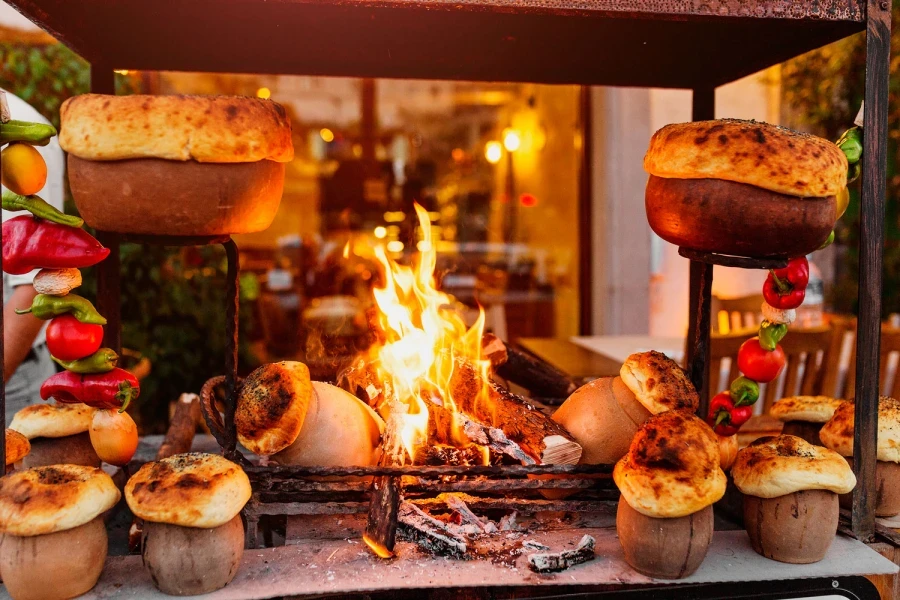
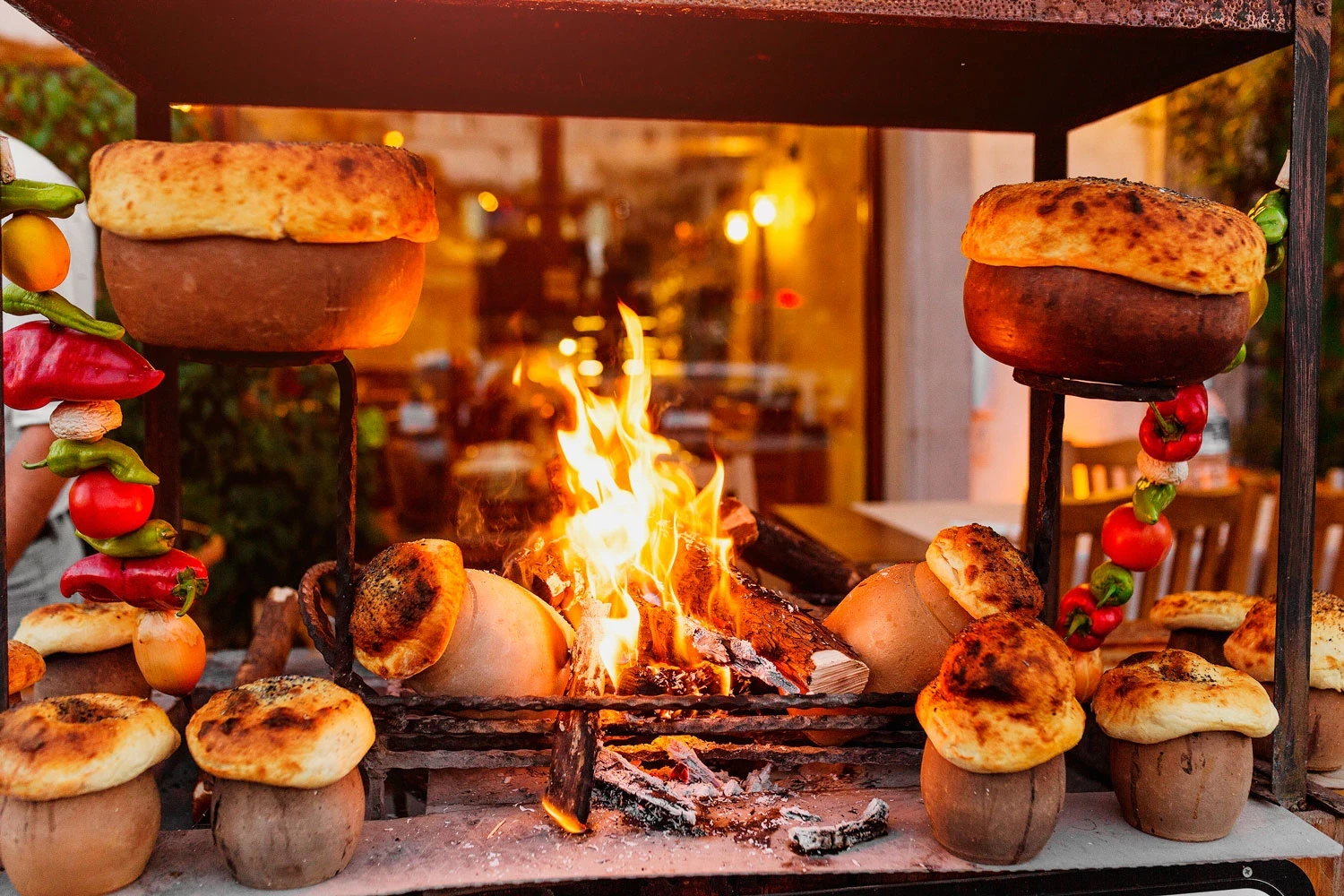
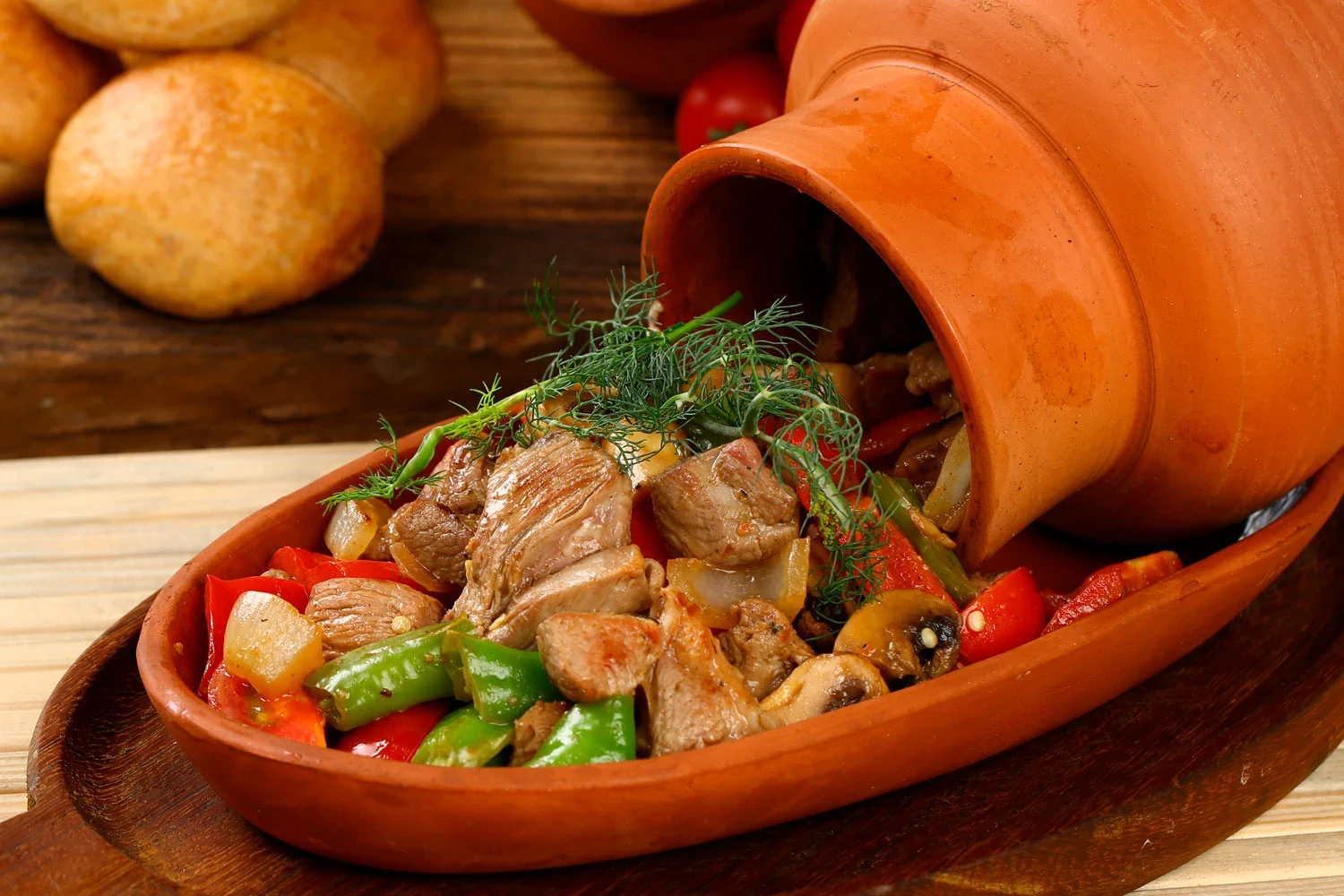
The culinary scene of the region is deeply rooted in the traditions of Turkey and Anatolia. Dishes created from ancient recipes become a true journey into history. An important element is testi kebab, which is cooked in clay pots made in Avanos and slowly simmered in a tandoor. Before serving, the pot is dramatically broken in front of the guests, presenting a fragrant and hot dish.
You can also try kayısı yahni — stewed meat with dried apricots, stuffed quince with meat, nuts, and spices, as well as agpaklu — a white bean stew with tender meat, cooked in clay pots. To complete the gastronomic journey, exquisite desserts await: incir yağı (figs stewed in butter), pumpkin dessert, dolaş (flour halva with butter), and Yurgup-style baklava "Damat."
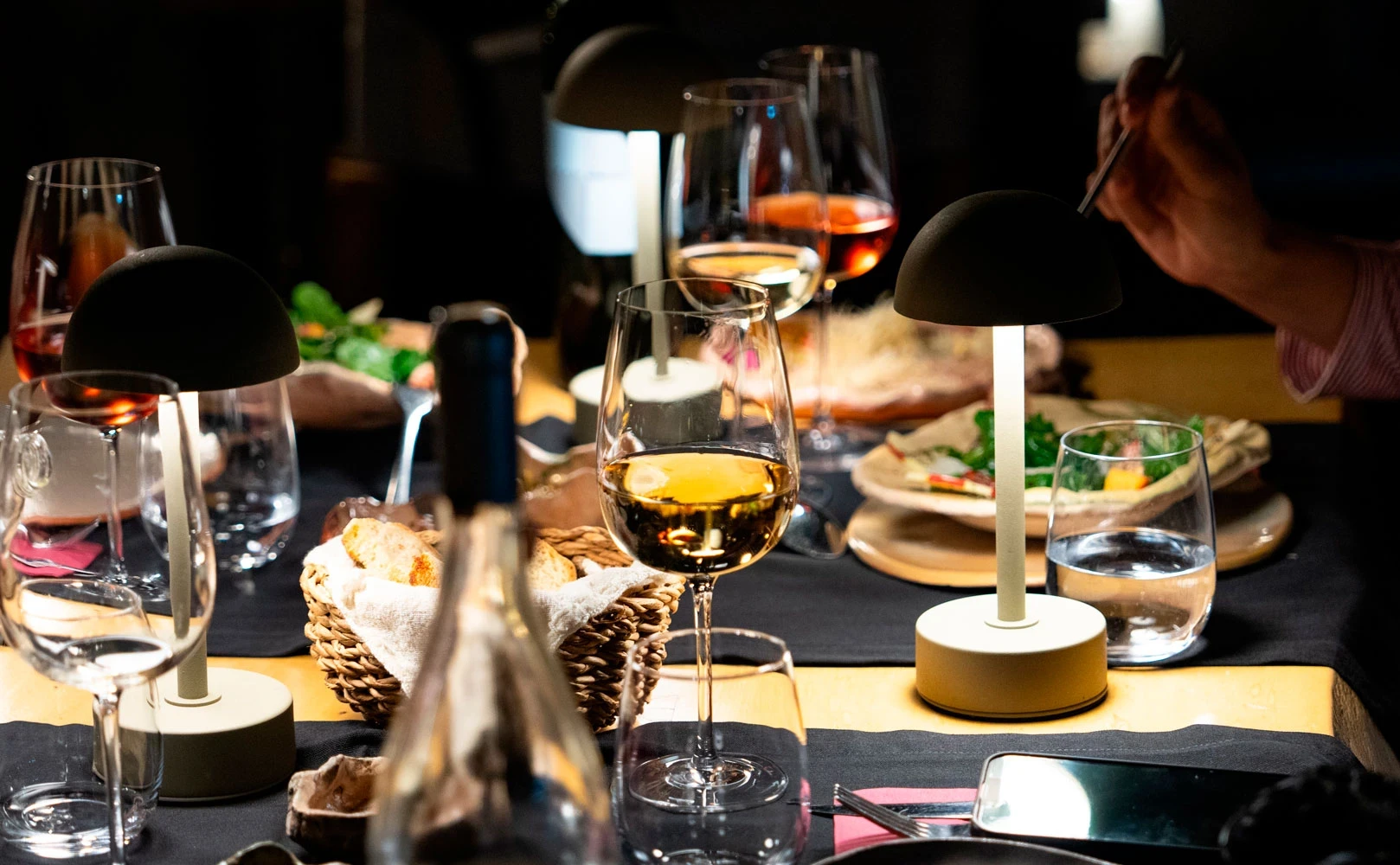
Local products, such as Niğde Mavisi and Divle Obruk cheese, aged in caves, pair excellently with regional wines. Cappadocia, surrounded by fertile vineyards, is famous for wines made from Anatolian grape varieties, such as Boğazkere, Narince, and the well-known Emir variety, characterized by its freshness and mineral notes. Visitors can not only enjoy wine tasting at the table but also learn more about wine culture by participating in tours of local wineries.