Finland has turned the myth of Lapland into a successful tourist industry, where every moment has its price. The northern lights, Santa Claus, and reindeer have become not just symbols but part of a well-thought-out business model.
How this system works and how Kyrgyzstan can benefit from its culture was explained in an interview with 24.kg by Kamchybek Zamirbekov, the head of Ethno Yurts.
— You visited Lapland. What impressed you the most? What experience can you share with the people of Kyrgyzstan?
— The Finns are very creative. Do you remember the children's fairy tales about Lapland? This mythical land was originally created by Finnish writers as a cold dwelling place for the Snow Queen. We also have associations with the homeland of Santa Claus.
But the Finns decided not to remain on the pages of books. They realized that if people believe in the fairy-tale Lapland, why not make it a real tourist destination?
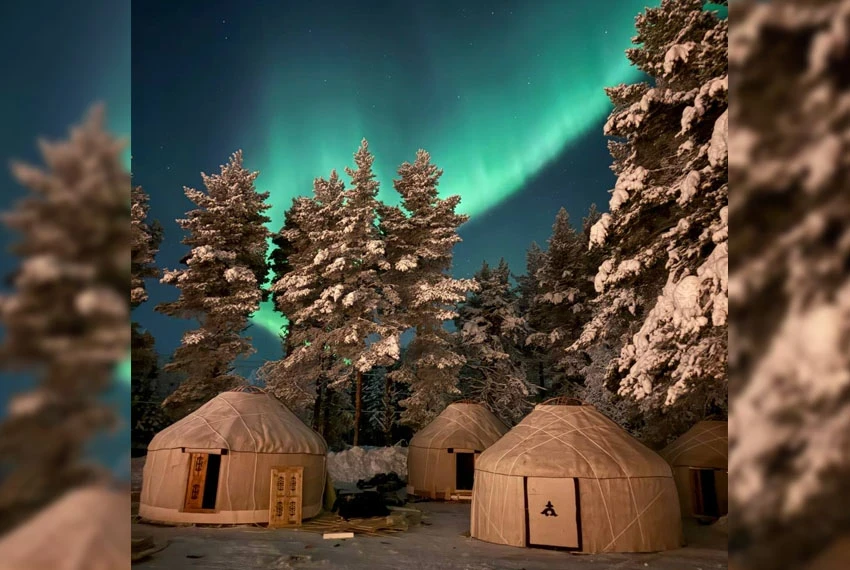
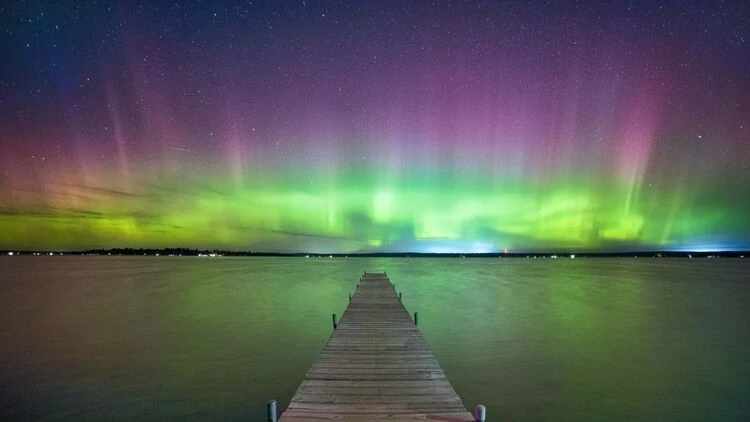
In Finland, there is Rovaniemi, a city on the Arctic Circle, which is considered the capital of Lapland. Here, in winter, you can see the northern lights, and in summer — the polar day. We arrived to set up yurts during Christmas — on December 24-25.
Already at the Rovaniemi airport, we immersed ourselves in the atmosphere of a fairy tale. Everything looked like in New Year’s movies: Santa Claus's office, his post office, elves, and festive decorations. We were amazed at how commercialized everything was — almost every detail required payment.
For example, a meeting with Santa Claus in his office costs 150 euros, and if you want to add a gift, the amount increases to 1000 euros.
One of the symbols of Lapland is the reindeer. To see it, you need to pay 50 euros, and another 10 euros for oats to feed it.
Huskies are another symbol of the region. These dogs also bring significant income: a few minutes of sledding costs 200 euros per person.
People really go to Finland, bringing their children and loved ones, not sparing money, because it is a real fairy tale with genuine emotions. The New Year season lasts about two months, and the flow of tourists does not stop.
— According to UN data, Finns have long been considered the happiest people on the planet. Do you agree with this statement?
— I wouldn’t say it so definitively. They, like us, face family concerns and problems. It’s hard to say that their life is perfect. We spent a month there and saw that everything is like it is here.
— Under what conditions do you set up yurts? Is it terribly cold?
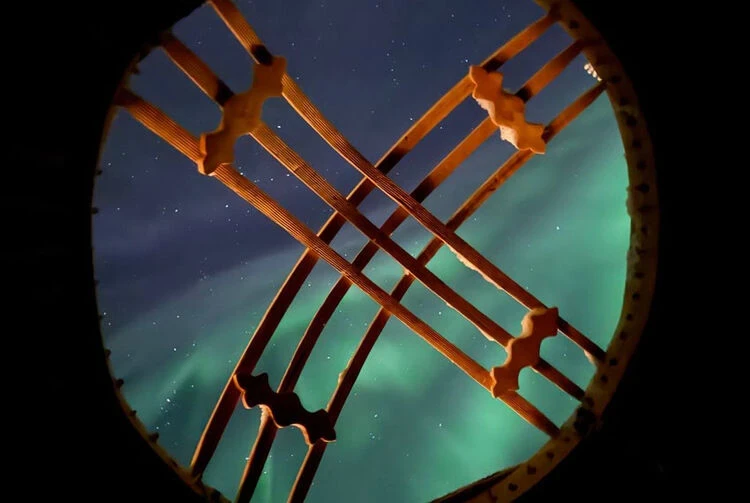
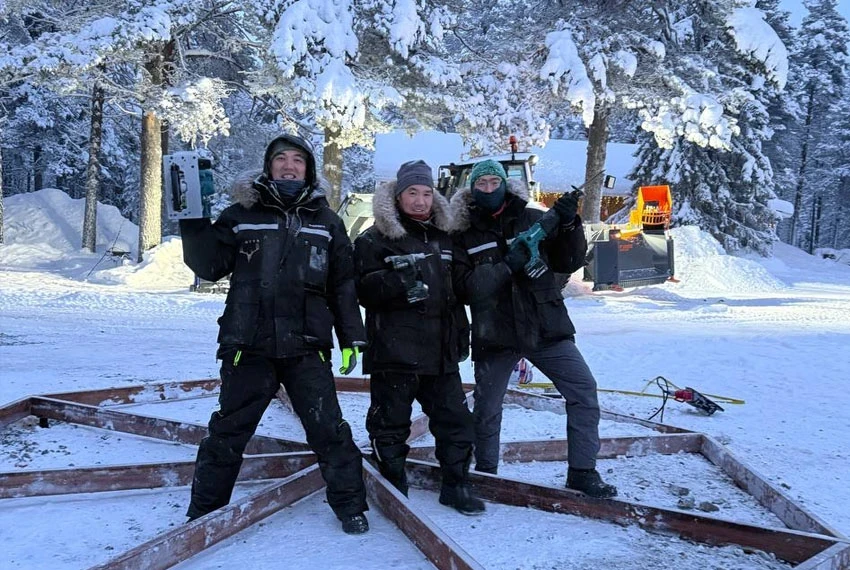
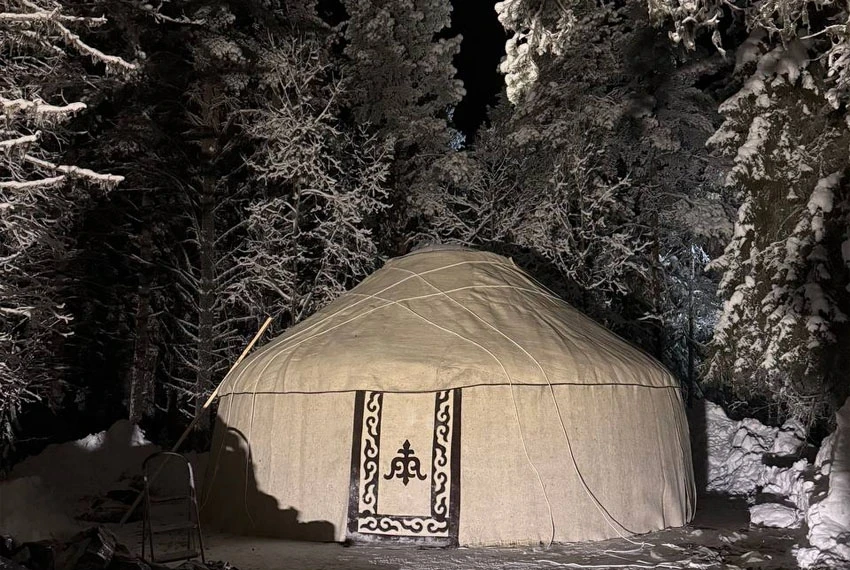
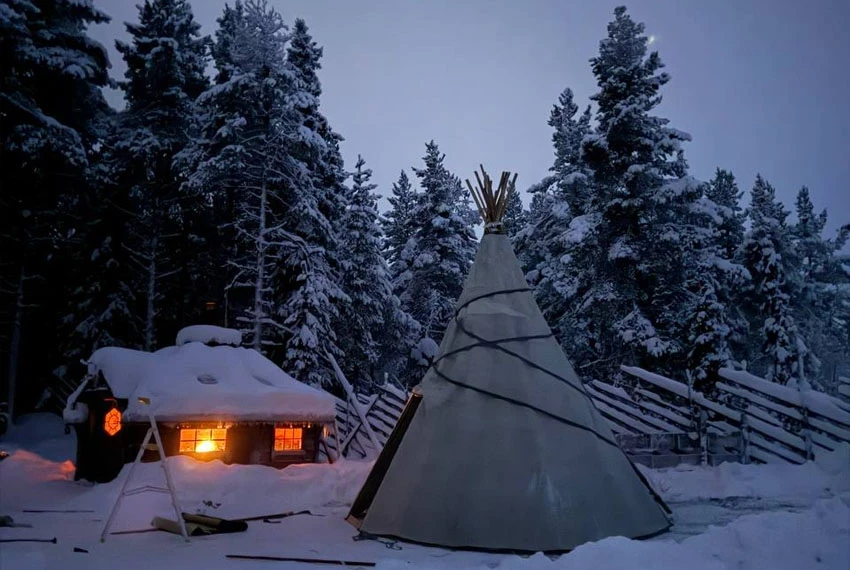
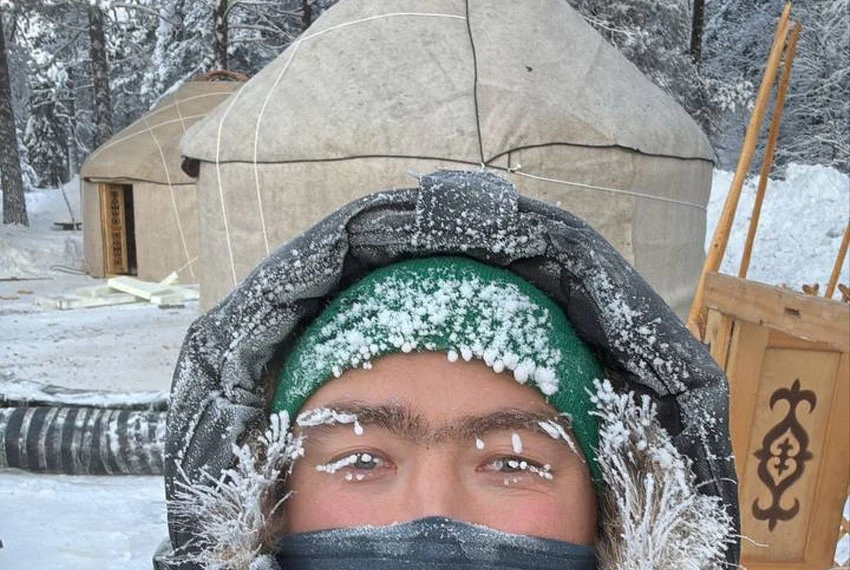
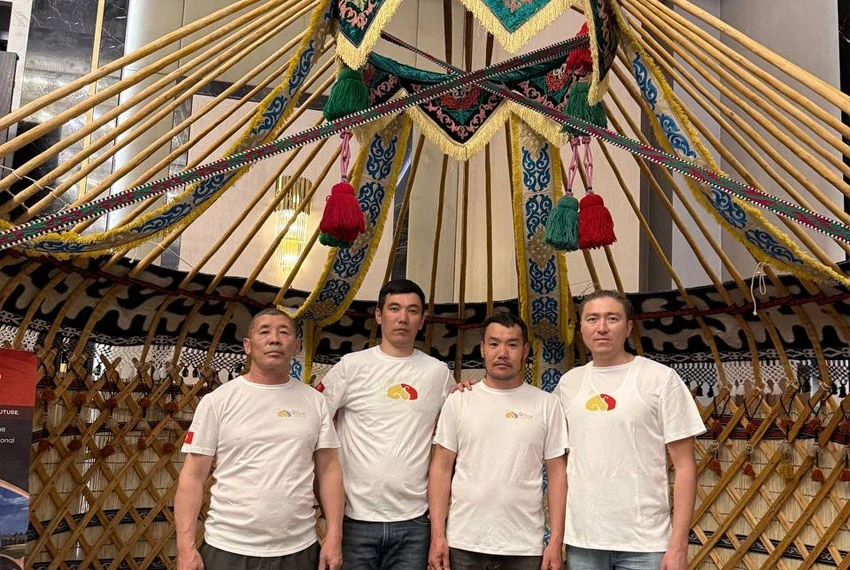
— We set up eight residential yurts and four exhibition ones. The clients are Finns, owners of an eco-village, who decided to enhance the atmosphere with their yurts. The work took time, especially in the first days when the temperature dropped to -42 degrees. We worked in extreme conditions.
But the beauty of the surrounding nature and the clean air compensated for it all. In Lapland, they take great care of the ecology: only dry and clean firewood is used for heating the yurts, and electricity is obtained from a nuclear power station.
— Do we have similar problems?
— Yes, and quite serious ones. In Kyrgyzstan, yurts are also set up, but often people do not know how to heat them properly. Because of this, yurts become damp and quickly deteriorate. They need to be protected not only from rain but also from the sun.
Failure to follow basic operating rules leads to owners deciding that it is too complicated and costly. Therefore, they start building A-frames — triangular houses where the roof also serves as walls. Or capsule houses.
But none of these solutions will surprise foreigners. In Europe, there are many such houses. People come to Kyrgyzstan specifically for yurts — to live in environmentally friendly conditions.
Kamchybek Zamirbekov
Unfortunately, many businessmen do not understand this. They are only interested in short-term profit, and there is no desire to develop, learn, and gain experience.
— How did it all start for you? Do you remember your first yurt?
— In 2010, as a student, I was looking for ways to earn money. At that time, the import of iron yurts from China began.
My jizde (brother-in-law) worked at customs and noticed how people transported yurts across the border. He ordered one for relatives, and my mother, seeing it, also wanted one for our family.
At that time, our village had about 6-7 thousand people, and only two families had yurts, and they were old and damaged. Previously, yurts were mainly used at funerals. My mother decided it was time to update our yurt for such occasions. She raised money among relatives. At that time, the yurt cost about 20,000 soms, including delivery and "tea" for the person who brought it.
Thus, we got a new yurt. I thought: why not order them and sell?
Kamchybek Zamirbekov
I had no money, so I just took a picture of our yurt and placed an ad on a popular forum at the time called "Diesel." I set the price at 30,000 soms and the conditions: 50% prepayment, delivery in 15 days.
Only a month later did the first client come. I received 15,000 soms as a prepayment and immediately called my relative at customs, who helped with the first yurt.
Through acquaintances among drivers, he ordered a yurt from China. I remember it arrived at the "Madina" market around six in the morning. I invited the client to meet, and there I received the remaining amount.
Read on the topic
From yurt to modern theater: how young manaschi are reviving the great epic
Later, my jizde admitted that the yurt cost 18,000 soms because 3,000 went for logistics and additional expenses. But at that time, he didn’t tell me this to support my first business.
After receiving the second part of the money, I immediately gave it to the bus driver and ordered another yurt.
Today, our yurts are set up all over the world. We not only sell but also produce them ourselves. For example, we set up yurts in Canada, in the forest near Montreal. We have experience setting up in the USA and many other countries.
— What are your plans for the future?
— In the next two weeks, we plan to set up yurts in Oman, the UAE, Turkey, and Uzbekistan.
Currently, about 150 people work with us. I consider everyone who participates in creating a yurt part of the team. We purchase shirdaqi in Naryn, threads in Batken, etc.
— What is your business philosophy?
— Business should benefit, first of all, the country. More taxes mean more income, new jobs, better salaries, and a strong economy.
I do not prioritize personal profit. It is important for me to know that thanks to my taxes, pensions and salaries for teachers are paid.
— How do you perceive yourself?
— I was an introvert. I grew up in the mountains, where there were few people, and mostly played with my sister. In medical university, I began to open up — I became the class leader.
I am the eldest son, and from childhood, I was taught responsibility: to myself, to my parents, to society.
Kamchybek Zamirbekov
I have a principle: to never place anyone above myself. I must be first for myself. Taking care of mental health is important: first, you fill yourself, then you can share with others.
— Do you consider yourself happy?
— Yes. Thanks to my work, I have visited about 18 countries, some with my wife. I help my parents, I have housing, financial stability, and I pay taxes.
Many families depend on the work of our company.
I have four children, and I try to spend all my free time with them.