In an interview with 24.kg, he shared his impressions of life in this country and his path to a career at the United Nations.
Photo from the interviewee's archive. Kanagat Alyshbaev
— How did you start your career?
— After graduating, I began teaching computer literacy at a language center, then worked as a training and web development coordinator. I participated in a competition and became the coordinator of a UN youth project. The competition was very serious: interviews, tests, exams. In 2007, I founded my IT company "Information Technologies," where I worked for three years, selling computers and developing software.
My international experience began in 2010 when I went to Kabul (Afghanistan) for two years on a World Bank project, where I taught information systems management and software development, reaching the position of team leader.
Read more on the topic From Ai-Tamgi to Melbourne: how a Kyrgyz became a school director in Australia
After returning to Kyrgyzstan for a year and a half after completing my contract in Afghanistan, I worked as a project manager in the ICT sector for one of the USAID projects. Later, after successfully passing a challenging competition, I received an offer to work at the UN headquarters in Vienna (Austria), where I worked for four years as a consultant for the development and management of integrated information systems.
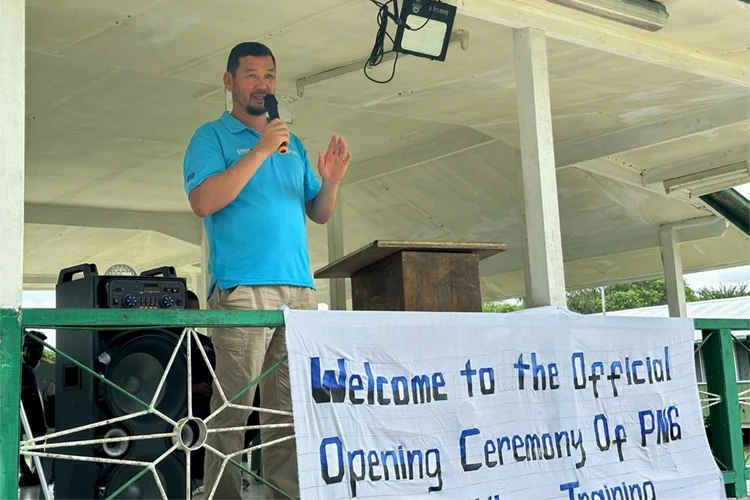
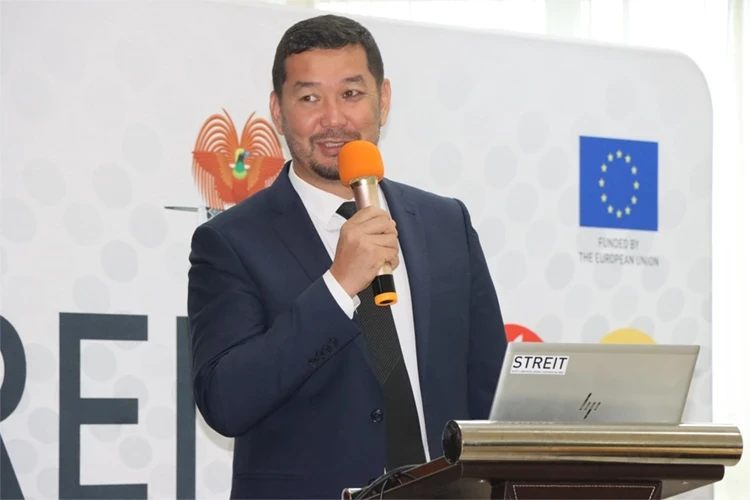
Since 2021, I have held the position of project manager at the International Telecommunication Union (ITU), which is a specialized UN agency dealing with digital transformation. My main workplace is in Papua New Guinea, in the city of Wewak, where I lead a project for the digitization of a rural entrepreneurship and trade support program.
— Who is the target audience of your project?
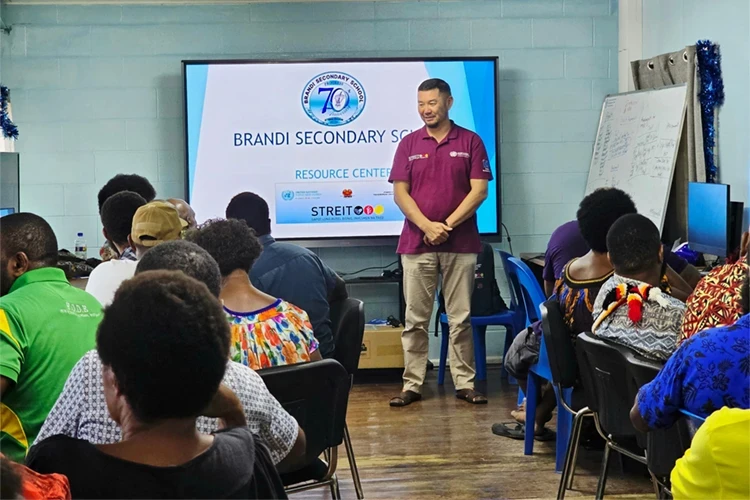
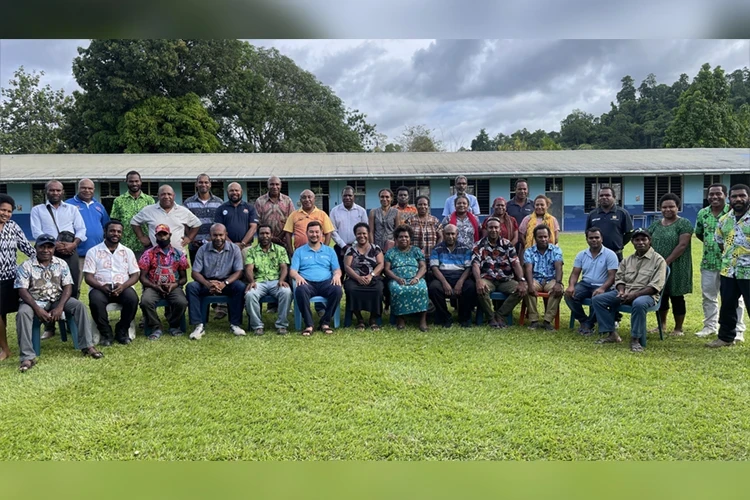
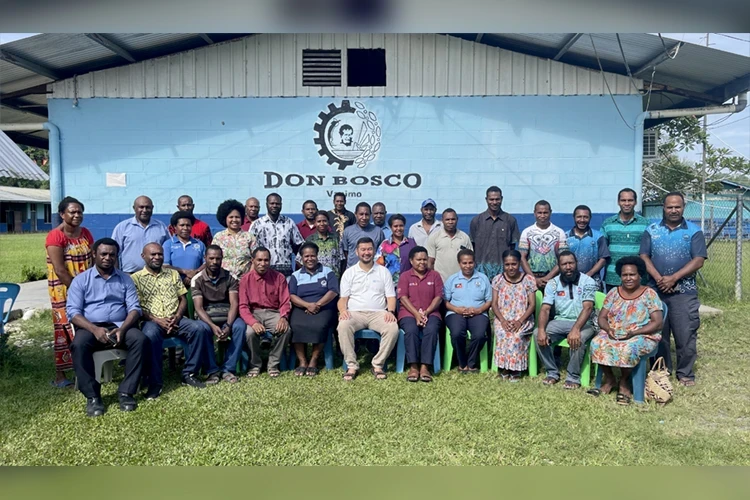
— We developed a framework program for e-government and a digital transformation strategy for Papua New Guinea for 2022-2027. We also created integrated management information systems for the Ministry of Agriculture. Locals had long been using non-digital data, and we opened resource centers based in schools, where we conducted digital skills training for farmers to teach them how to create websites and use online marketing.
Thanks to our training, some farmers were able to export thousands of tons of vanilla to Australia, New Zealand, Canada, and the USA for the first time.
Kanagat Alyshbaev
We taught them how to dry vanilla, package products, and use online marketing. We also started exporting cocoa, which significantly increased the income of local residents. The satisfaction of being part of this successful project is hard to put into words.
— How difficult is it to get a job at the UN?
— It is very difficult! Especially in the current financial instability. The competition is enormous. One should not rely on connections. If you prepare well, there are chances. The main thing is to have the relevant education and experience for the desired position. It is important to clearly state your responsibilities and achievements in your resume. Interviews also require preparation; you need to respond according to established procedures.
When selecting candidates, gender equality and political interests are taken into account. For example, as a citizen of Kyrgyzstan, I cannot work as an international expert in my homeland, but it is quite possible in neighboring countries or abroad.
Read more on the topic Why a family from Bishkek chose Nha Trang: experience of wintering in Vietnam
In conflict regions (for example, Somalia, South Sudan, Ukraine), the number of applicants is usually lower, but due to additional payments, there are still many willing to apply. For one vacancy in safe countries, there can be from 500 to 1000 applications, and for headquarters — even several thousand.
UN headquarters are located in major cities such as New York, Geneva, Rome, Vienna, and Nairobi, where the selection process is slow and requires high bureaucracy.
Honesty is important, as the information in the resume is subject to verification.
I have worked in ten different UN agencies, starting with short-term consultations and ending with permanent positions in the ICT sector.
I got the job in Papua New Guinea through a complex and competitive selection process.

— What surprises you about this country?
— To be honest, it is not just another country, but a completely different planet! If I were working in the CIS, the Middle East, or Eastern Europe, everything would be much closer and clearer. The first year was very difficult, and several times I thought about leaving.
Papua New Guinea is a very poor and underdeveloped country, which was a colony for a long time. This year it celebrated its 50th anniversary of independence.
There are countries here where it is dangerous to live, and Papua New Guinea is among them. It is like our 90s: high unemployment and low education levels.
Kanagat Alyshbaev
People do not pay attention to who you are. If you are white, you can become a victim. Just like with us, there are different kinds of people, so you need to be careful.
— How do you cope with working in such conditions?
— One of the first difficulties is the separation from family and homeland.
You cannot go out alone; only in extreme cases. The first year was especially difficult, as no one knew us. It was important to establish cooperation with local authorities, but often we were not understood and expected immediate results.
People expect donors to help create provinces like in Switzerland, but this is impossible in a short time.
Kanagat Alyshbaev
To change the mentality of people living in former colonies, time and a change of generations are needed. The youth are becoming more educated and open, which gives hope for the country's development.
Other problems also arose. Previously, I worked in a decentralized manner, but here I had to get approvals from Bangkok and Geneva, which sometimes took days or even weeks due to time differences and procedures. This was not easy. Additionally, the project was funded by the European Union, which has strict financial reporting. Previously, I reported every three months, but here it was every two weeks, which required quick demonstration of results. Success was achieved only after six months through effective planning and communication.
Interestingly, my most successful project was implemented in such difficult conditions, where I used all my management and problem-solving skills.
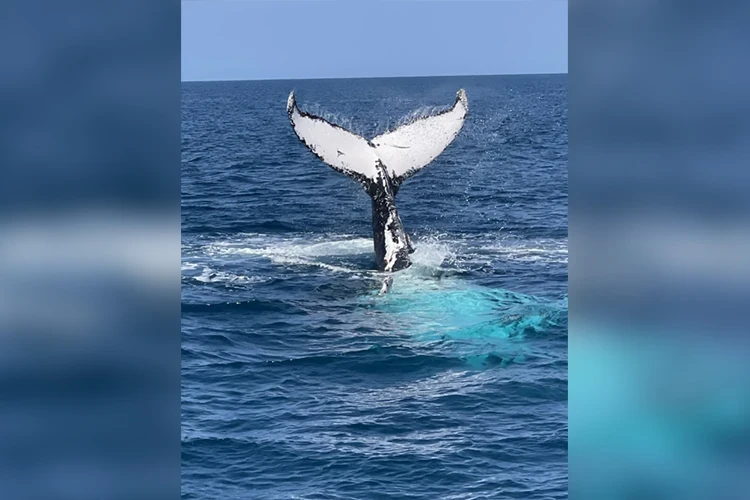
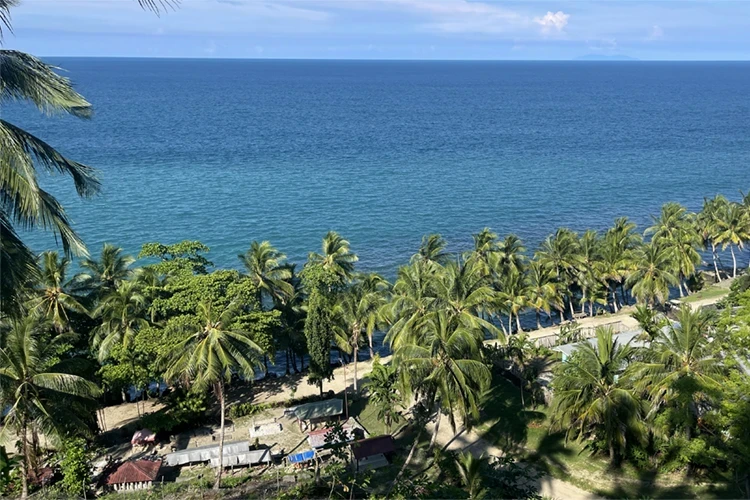
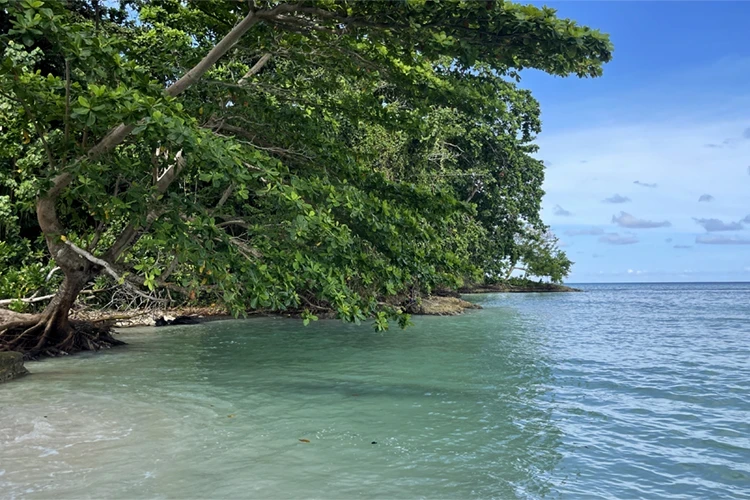
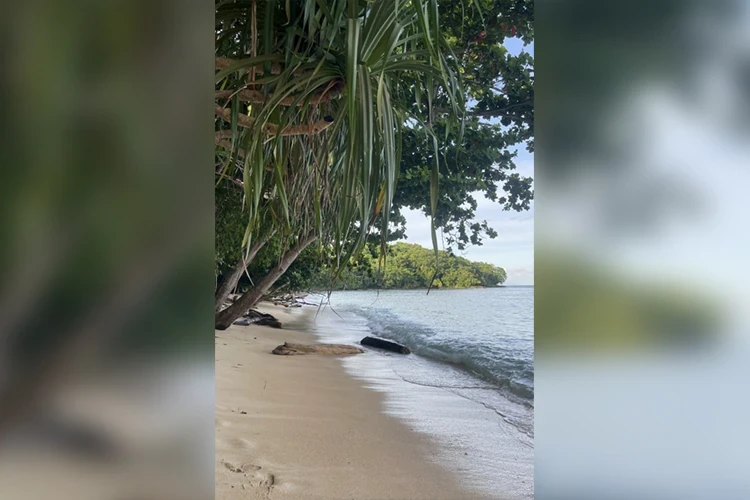
Papua New Guinea is an amazing country with beautiful nature, clean air, and an ocean with diverse fauna, reminiscent of a "Bounty" advertisement. Here there is only one season — summer, with plenty of fruits and various wildlife, including life-threatening species.
People are mostly kind, simple, and religious. As they say, there are no bad nations, only bad people.
— How do you live away from your family?
— Over time, you get used to this way of life, but it is still hard. Families are not relocated to dangerous countries, and we are offered alternative places where we can live and meet from time to time.
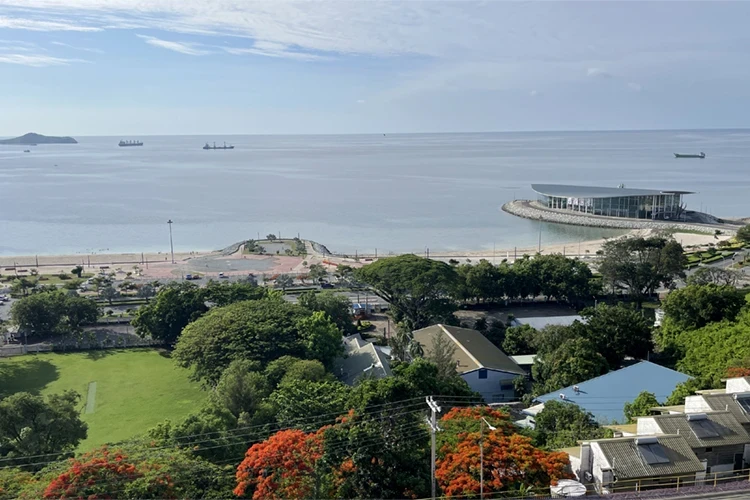
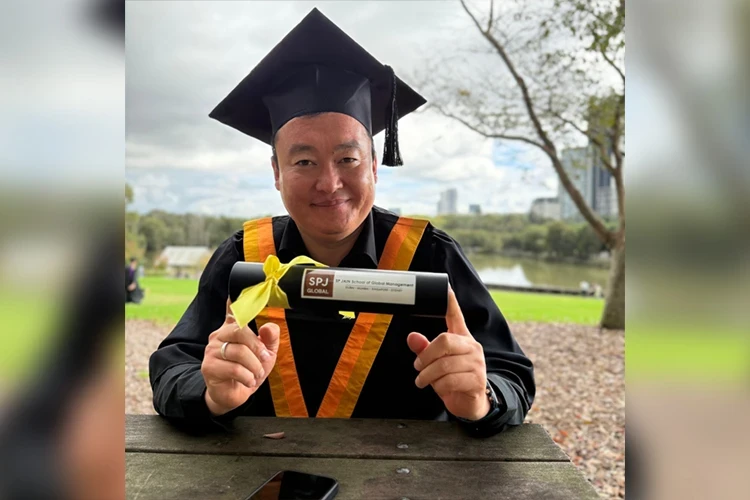
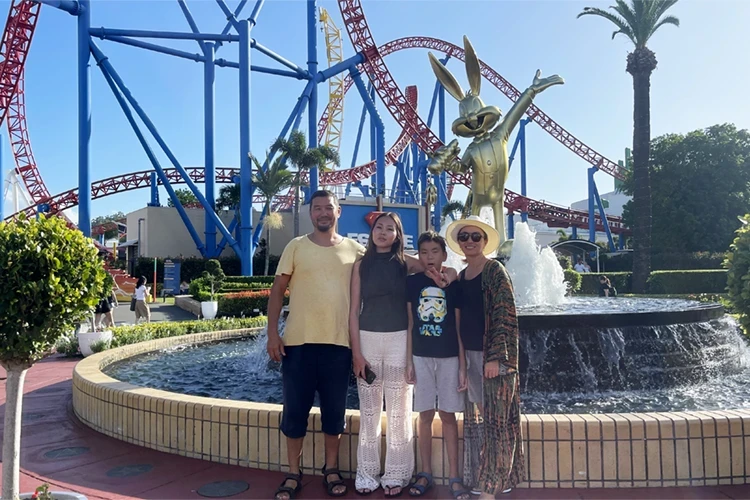
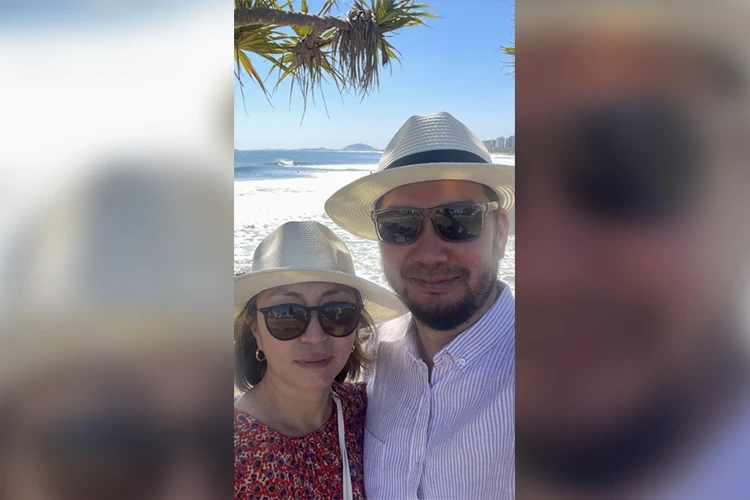
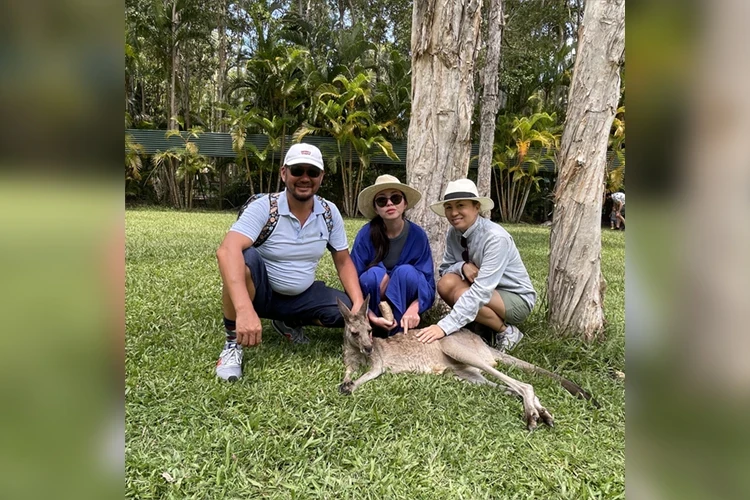
The journey from Wewak to Bishkek with transfers can take two days. Later, there was an opportunity to relocate the family to Brisbane (Australia), where my son studies, and my wife supports him. I visit them every two months. My eldest daughter studies at a university in Hungary. I want to express my gratitude to my wife Aikanysh: thanks to her support and advice, I have managed to achieve many goals and implement this project.
For my next position, I will look for one that allows me to be with my family. My project will soon be completed, and we will return home.
— What do you miss while away from your homeland? How often do you visit Kyrgyzstan?
— I miss the national cuisine and communication with relatives and friends. Fortunately, my wife and son now live nearby, and we fly to Kyrgyzstan once every two years.
— How do you see your future in 5-10 years?
— I hope to continue my career in the UN system, developing projects for other countries and working for the benefit of humanity.
— What does working at the UN mean to you?
— It is my professional career; it is a good, promising job with opportunities for growth and development, but also a great responsibility towards the peoples of other countries. Of course, there are downsides, but the positives outweigh them.