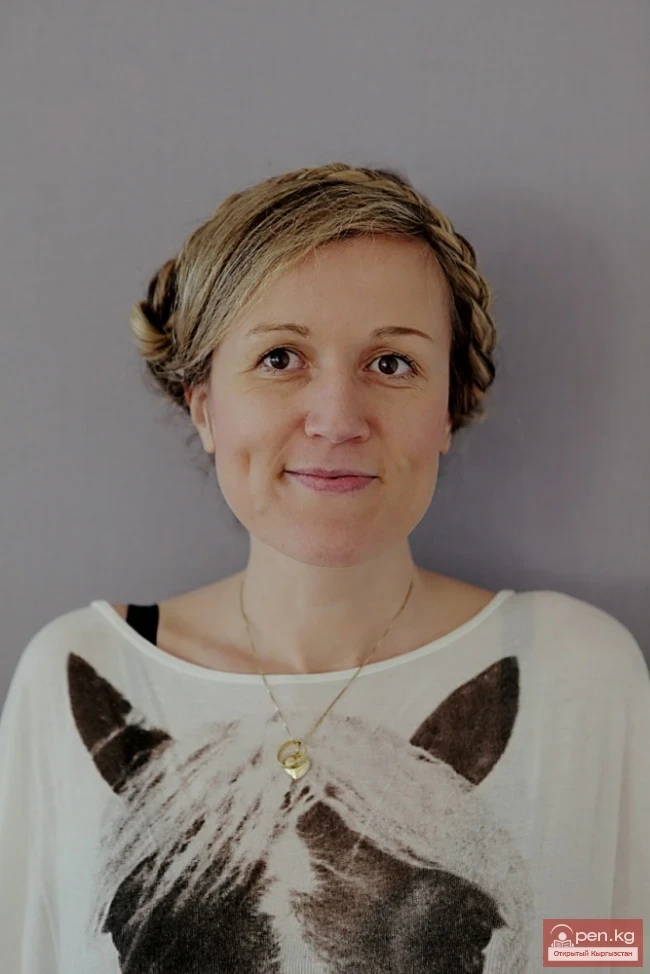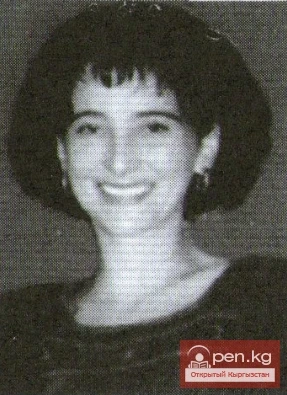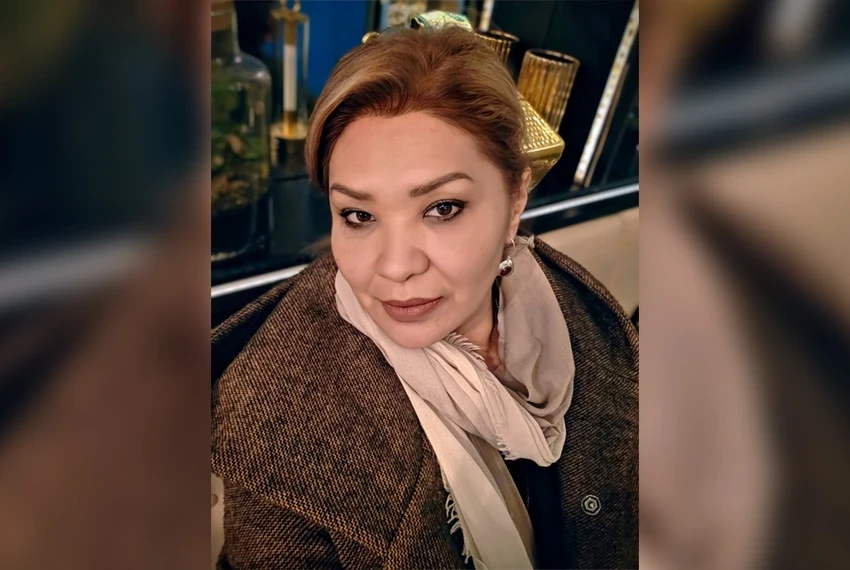
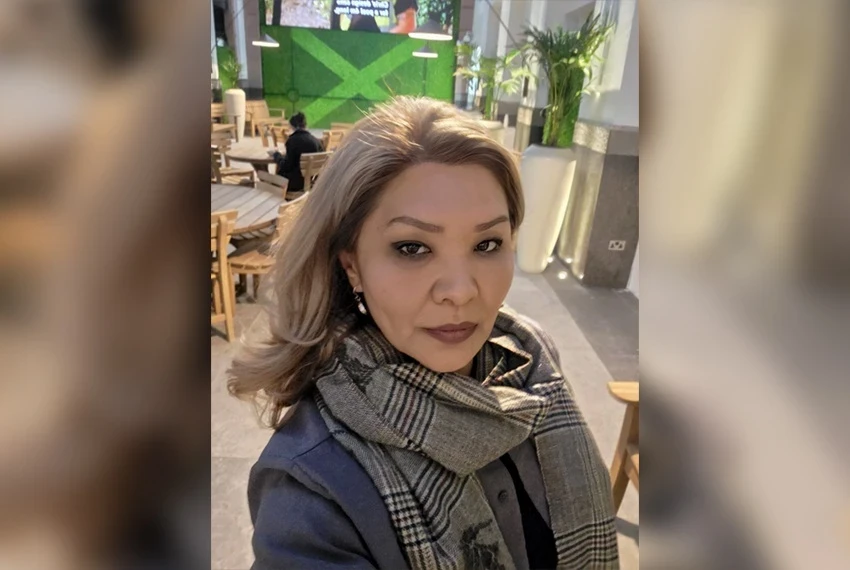
Photo from the interviewee's archive. Shahsanem Murray
— How did you start your journey in literature?
— My love for literature began in school thanks to inspiring teachers who organized extracurricular activities. I sought to read as much as possible and get to know new authors, spending a lot of time in libraries. I remember the reading rooms were always full. I usually wrote brief reviews of what I read and shared them with friends and classmates, which often led to lively discussions. I hope future generations will maintain a thirst for reading.
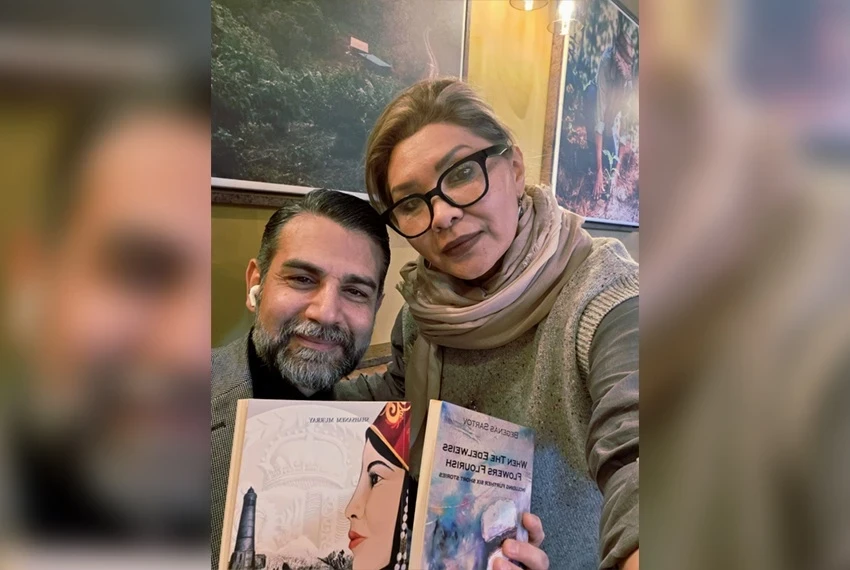
Every time I discovered new authors in the magazines "Zvezda Vostoka" and "Foreign Literature," I was probably laying the groundwork for my future works. But the real desire to write came to me after translating the book "When Edelweiss Bloom" and six stories by my grandfather, the sci-fi writer Begenas Sartov, from Kyrgyz to English.
— Which genre is closest to you?
— I don’t choose the genre; it chooses me. It all depends on the plot lines and the interactions of the characters in the book. Creating a book is a large-scale process that requires deep immersion in the emotions and events of the characters, so that the reader cannot tear themselves away from the book and is filled with feelings after reading.
— What does your typical writer's day look like: a strict schedule or work by inspiration?
— I have a very strict routine. The creative process activates in spring, summer, and early autumn. I wake up early, at 4:00 AM, go outside with a cup of coffee in my garden, enjoy the sea air and the singing of birds. I reread what I wrote the day before, make edits, and continue working on the characters' actions.
I work until 6:00 AM, then take a break for a walk and visit the swimming pool. Without this self-discipline, I wouldn’t be able to finish any work. In case of "writer's block," I leave the work for several months and enroll in courses at Edinburgh University.
When I was studying "Boris Godunov" by Pushkin, I decided to read it in Russian and stayed in class after lessons. My classmates asked me to share an excerpt, and even though they didn’t understand a word, they listened with interest. This inspired some of them to enroll in Russian language courses.
— What is more difficult for you: to start a new book or to finish it?
— Starting a new book requires careful preparation, but finishing it is a more touching moment since the finished work becomes your "children." It requires a lot of psychological work and collaboration with editors. I consider all aspects, including illustrations and the cover, as well as the reactions of readers.
— Is there a theme you often return to?
— The most important themes, like for many creative people, are love, respect, loyalty to the homeland, as well as kindness and tolerance, which people sometimes lack.
— How do you perceive criticism? Does it affect your work?
— I approach constructive criticism with a certain anxiety, but overall positively. A critic should realize how much effort has gone into my work. I know how to move forward even if someone doesn’t like my work.
— Which of your books is especially significant to you and why?
— Each of my books holds special value for me. Sometimes I reread them and realize what emotions I invested in each work. Each new piece is just a small part of what I want to convey to the world. I understand that I am just a drop in the ocean, but this inspires me for new creations.
I feel particularly close to the book "Naked Nimbus." I worked on it during the COVID-19 pandemic when I myself became seriously ill. It was a difficult time, as the work of a writer requires isolation, and the pandemic added to that.
I always drew inspiration from museums and exhibitions, but during the lockdown, everything was closed. When the borders between the UK and Turkey opened, I went on a trip. I want to thank Kutman Murzakalykov and the doctors who helped me during this difficult time. I followed all their recommendations and even made a documentary film "Life & Covid," which later received several awards.
When the borders opened, I was able to return to Kyrgyzstan for a few months, not knowing that my father was ill. We celebrated his birthday, and just five days later, he was gone. This was a great loss for our family. Before his death, he asked me to read him an unfinished book.
He dreamed of knowing the ending and was waiting for the translation into Kyrgyz. I gladly provided him with the translation of my other book "Cold Shadows," which was highly appreciated by the talented translator Karibek Baibosunov. The Kyrgyz version is available online on the website literatura.kg in the "New Literature of Kyrgyzstan" section.
— Is the profession of a writer valued in Scotland?
— In Scotland, reading is very popular. People read everywhere: on buses, in the subway, in parks, libraries are always crowded. I hope that there are also book lovers in Kyrgyzstan, and that literary evenings can be organized, attracting young people and holding artistic reading competitions with the participation of contemporary actors.
— Which authors and books have influenced your style and thinking?
— Many authors have influenced me. First of all, our Kyrgyz writers — Chingiz Aitmatov, Kazat Akmatov, Alykul Osmonov, Kubanychbek Malikov, Midin Alybaev, and others. From Russian classics — Alexander Pushkin, Leo Tolstoy, Mikhail Lermontov, Anton Chekhov. From French literature — Émile Zola, Alexandre Dumas, Guy de Maupassant; from English — George Gordon Byron, William Shakespeare, Jane Austen, Charlotte Brontë, Oscar Wilde, Charles Dickens, James Joyce, George Orwell, and many others. I also cannot forget Hermann Hesse, Theodore Dreiser, and Margaret Mitchell from American literature, Serbian writer Milorad Pavić, and from contemporary authors — Tom Coraghessan Boyle and Japanese author Haruki Murakami.
Now I can flip through all the issues of the magazine "Foreign Literature" from 1994 to 1996 and find works that have had a significant impact on my creativity.
— What are you currently working on?
— I am currently promoting my new book "Naked Nimbus" and developing ideas for documentaries. I have many plans.
In addition to writing, I also handle administrative affairs in a private company.
— You moved to Scotland in 2001. What surprises you about this country?
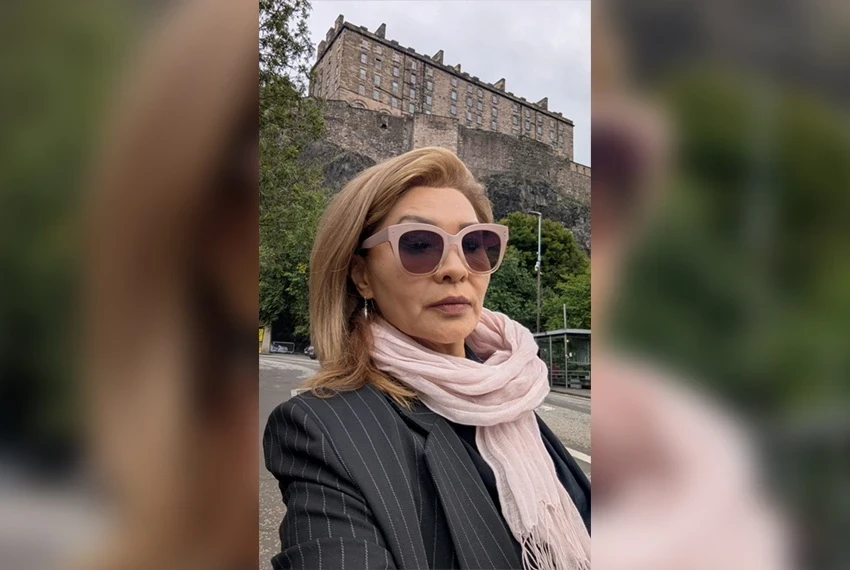
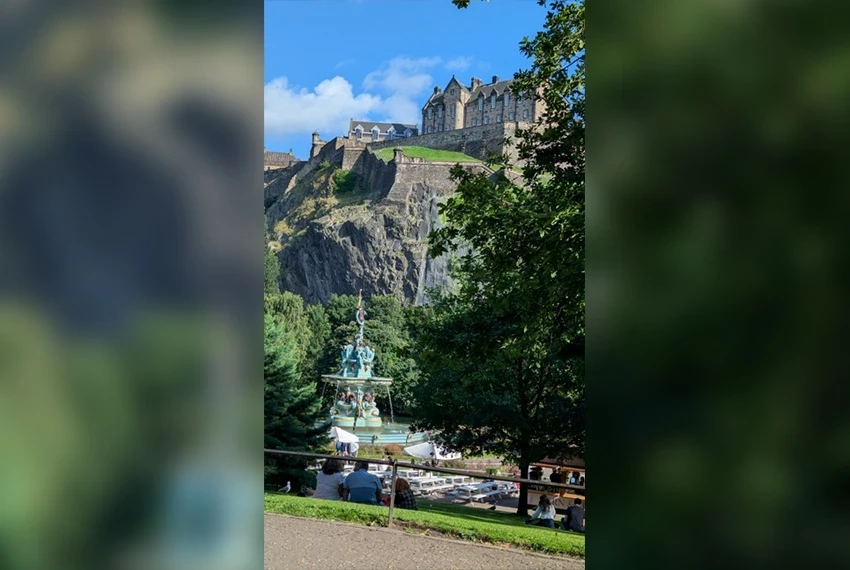
— I am impressed by the culture, tranquility, and many other aspects. Scotland has changed my view on historical values. History is everywhere here, and the locals and authorities make great efforts to preserve it. Their patriotism is admirable. They do everything possible to pass on the wisdom of their ancestors to future generations.
Interestingly, the Scots are divided into clans, each with its own tartan from which kilts are made, attracting tourists from all over the world. Tourism plays an important role in the economy, as does whisky production.
Of course, there are drawbacks — high humidity and constant rain, but overall it is a wonderful country. I miss my relatives and loved ones in Kyrgyzstan and try to return more often, especially in spring and autumn.
— Are you promoting the culture of Kyrgyzstan or Central Asia in Scotland?
— Yes, we hold cultural events in Scotland, mainly combined ones. We had an evening dedicated to the folklorist Robert Burns: there was bagpipe music, his poems were read, and performances by Uzbek singer Samandar and talented actress from Kyrgyzstan Nazgul Juzumova.
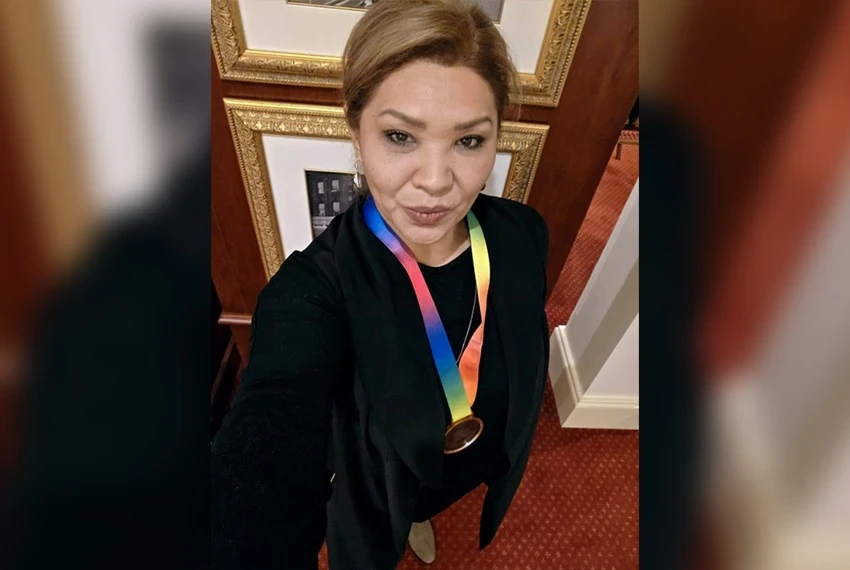
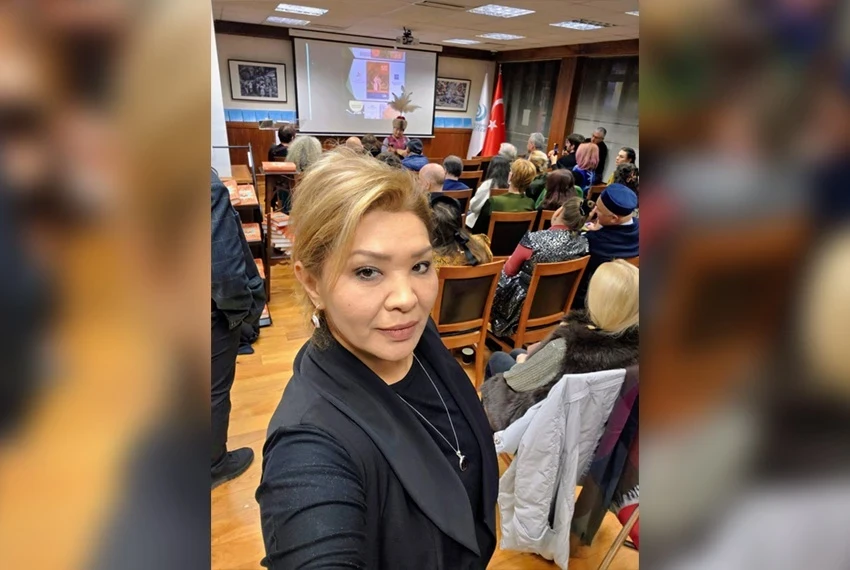
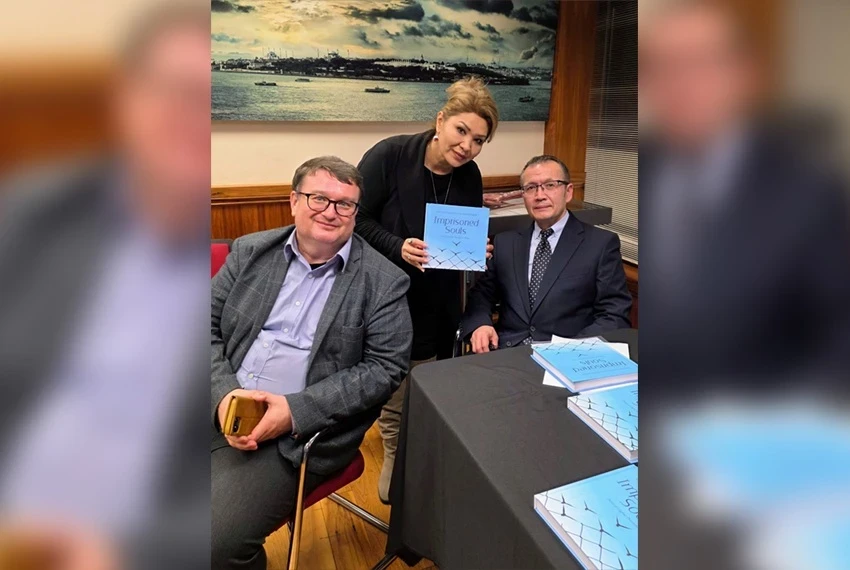
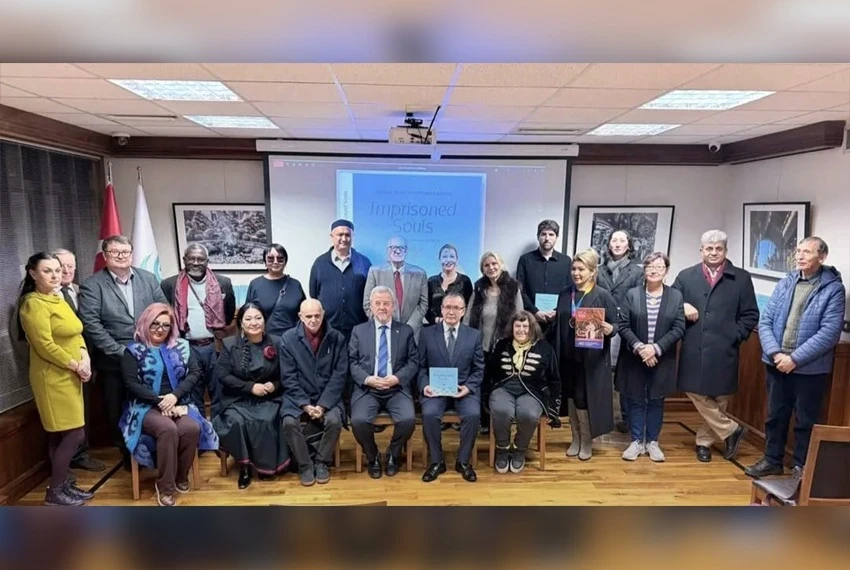
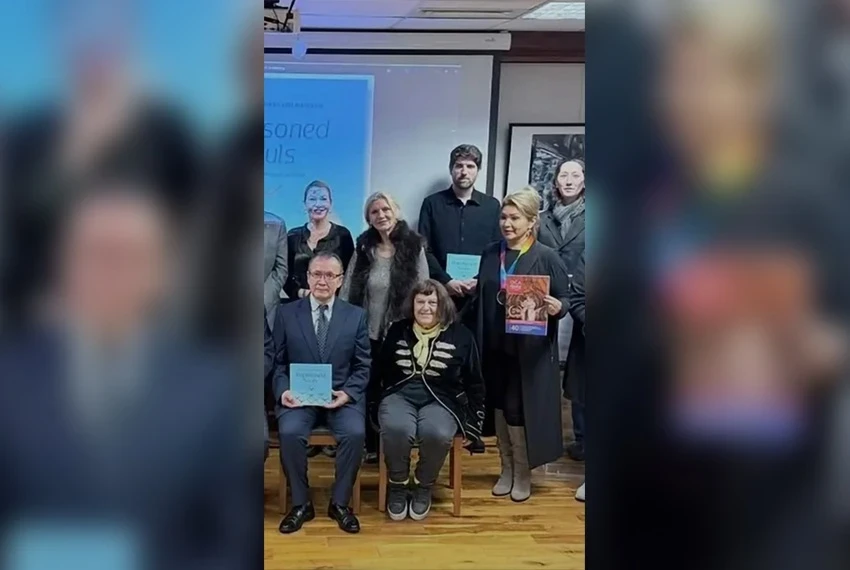
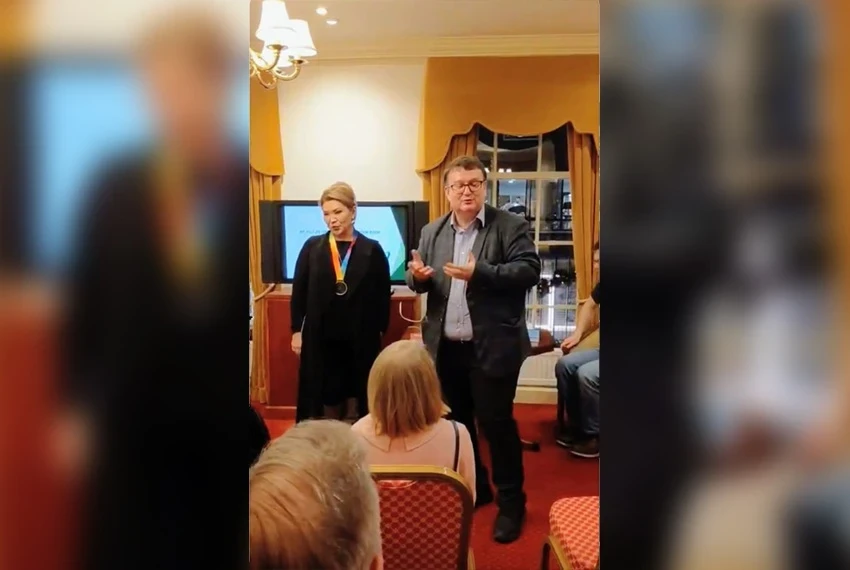
In December 2025, an evening dedicated to Chingiz Aitmatov was held in London, organized by the magazine OSA and Hertfordshire Press. The main initiators were Marat Akhmedzhanov and his son Timur. The evening was rich, and I received a medal from the Eurasian Creative Guild for my active participation in literary festivals and support for culture in Scotland.
We also hold small evenings of reading poetry by the classics of Russian literature, which helps establish communication and information exchange between the Central Asian community and local Scots.
— How do you see your future?
— It depends on higher powers. I hope to find a good team of directors and producers to help young talented people and work on the script for my second book "Cold Shadows." Thanks to the Eurasian Creative Guild and Marat Akhmedzhanov, I met talented director Hassan Nazar, with whom we are actively discussing this project.
It would be wonderful if sponsors and patrons appear, as this is a team effort, and the project promises to be interesting. Let’s hope for the best.