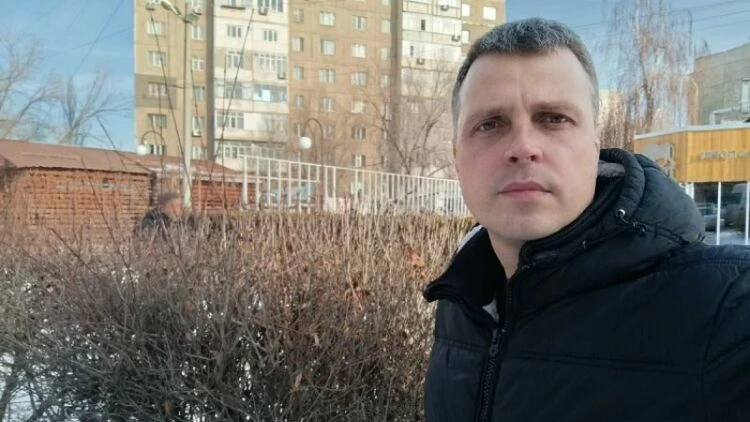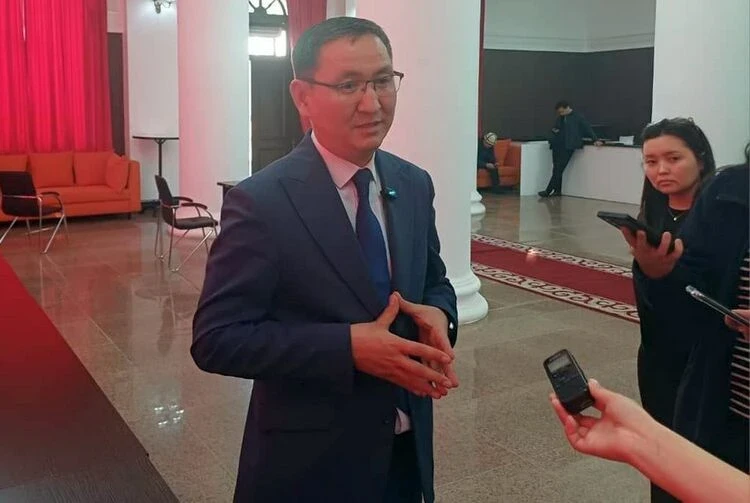
Ulanbek Beishenbaev, the director of the Department of Transport and Development of Road Transport Infrastructure of the Bishkek City Hall, shared with journalists the plans for reforming public transport in the capital.
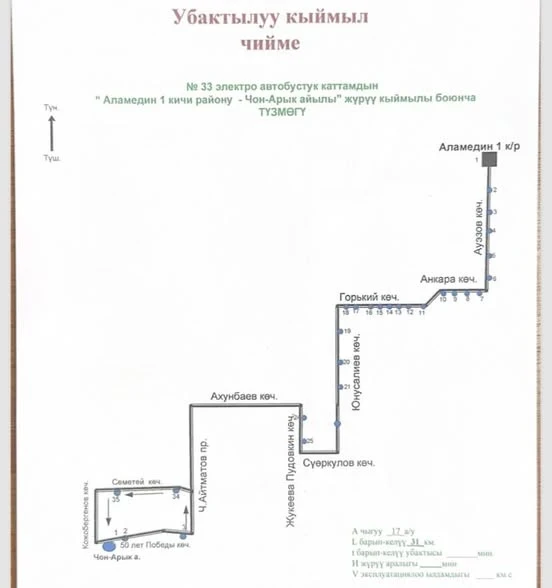
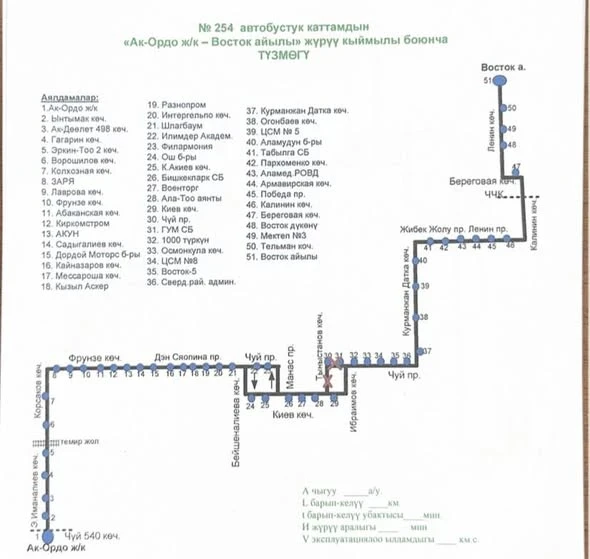
According to him, the changes will affect all existing routes. “We will completely optimize all 72 routes,” he specified.
Some routes will be circular, which will improve transport accessibility and redistribute passenger flows. Other routes will change their schemes.
The main goal of the reform is to increase the efficiency of public transport operations, reduce waiting times, and create a more convenient transfer system for passengers.
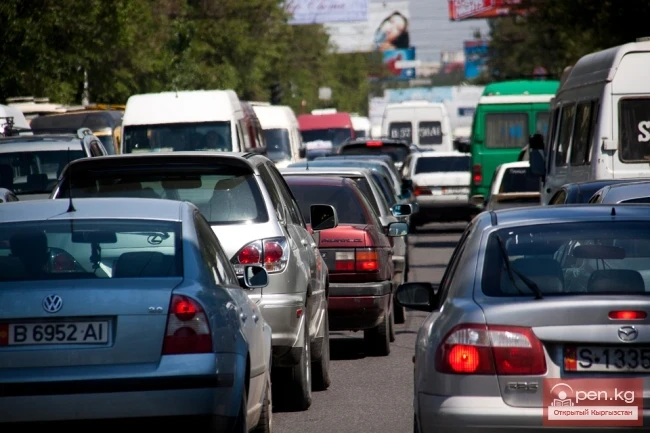
Beishenbaev also commented on the "waffle" markings at intersections, noting that it has not proven effective. Drivers often ignore it, especially in the absence of cameras from the "Safe City" project, which does not yield the expected results.
In Bishkek, there are plans to expand dedicated lanes for public transport.
These lanes are expected to be organized on Abdrahmanov and Jibek Jolu streets, as well as on the Southern Highway. This should increase the speed of bus movement and reduce delays during peak hours.
The reform also includes a more flexible fare payment system. According to Beishenbaev, although passengers may have to make several transfers, a single fare will be valid for one hour.
“Despite the need for transfers, it is planned to introduce payment via the 'Tulpar' card within an hour — for 17 soms, you will be able to use one or several routes. Pay once and travel for an hour,” he explained.