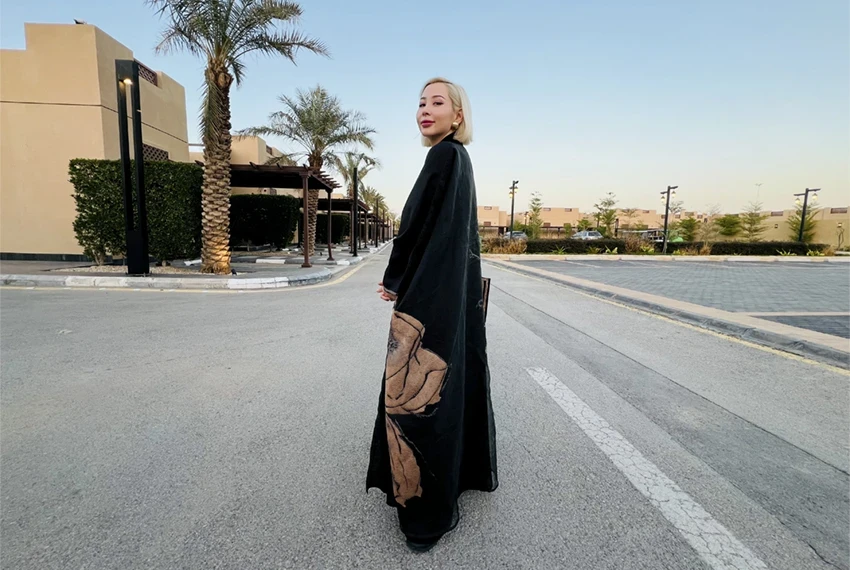
Today, she represents the Chamber of Commerce and Industry of the Kyrgyz Republic in Riyadh, creating connections between Kyrgyz businesses and one of the fastest-growing economies in the world.
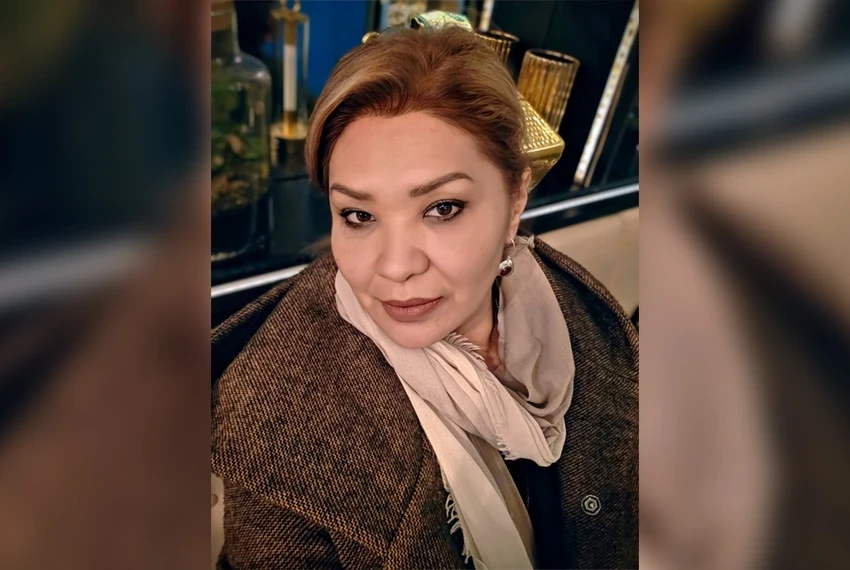
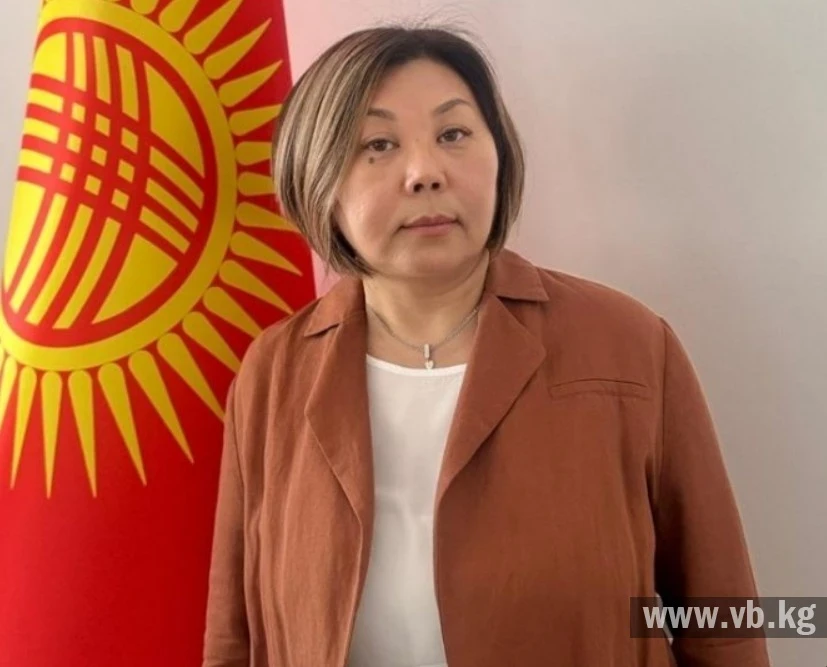
Photo from the interviewee's archive. Nazira Ibraim kyzy
— Nazira, tell us about your education and your path to university at such a young age?
— I was born into a family of migrants, and my parents were often absent, striving to provide me with better conditions. I am endlessly grateful to them for their support and belief in me. From an early age, I began to read and entered school at the age of five. Thanks to an accelerated program, I was able to advance quickly in my studies. After the ninth grade, I entered the Law College and then the Law Institute. By the age of 14, I was already studying at the university and by the end of 2013, I had obtained a master's degree, having progressed from a bachelor's degree.
— How did you start your career in law? Did you work in Kyrgyzstan or did you go abroad right away?
— My legal career started while I was still studying. I interned in courts, the prosecutor's office, and international organizations such as the OSCE and UNHCR.
In my final year, I won a lawsuit against the Ministry of Justice, which was an important milestone in my professional life.
Nazira Ibraim kyzy
After that, I received scholarship offers from universities in Italy, Norway, and South Korea for international law and human rights, which propelled me toward an international career.
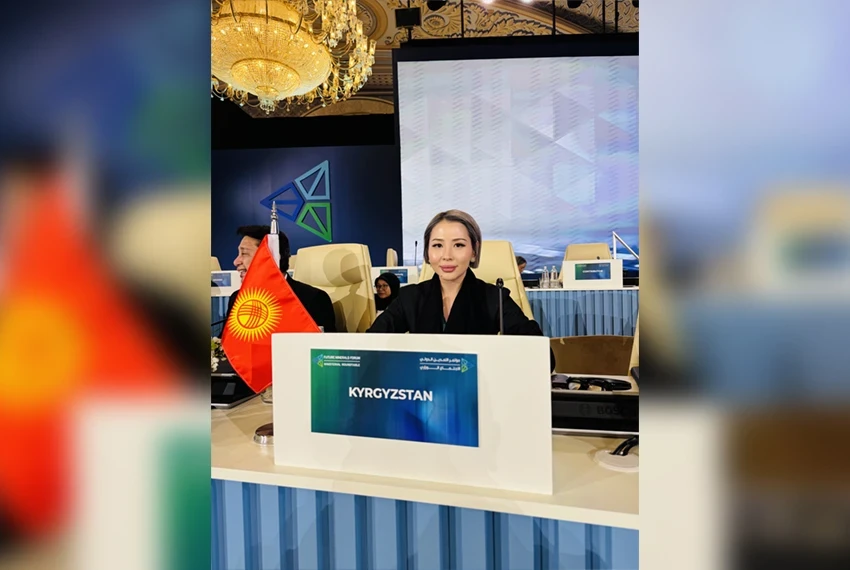
— Why did you choose South Korea for further studies? How did it help you?
— South Korea is a vivid example of how a country can transform in one generation. I aspired to study in an innovative and strategically minded environment. Seoul National University became my third master's program and taught me systematic thinking and discipline.
At the university, I had the opportunity to meet key figures, including former UN Secretary-General Ban Ki-moon, which inspired me to follow in the footsteps of an outstanding leader.
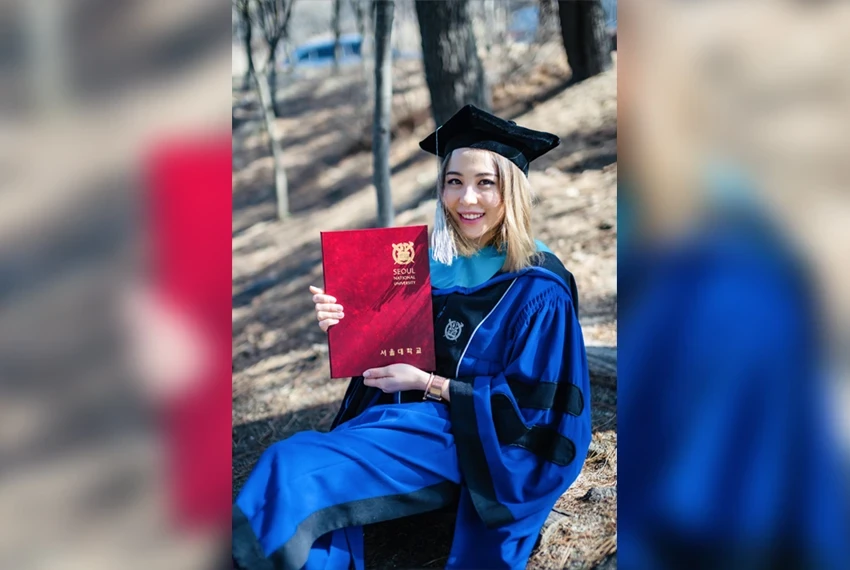
— Why did you decide to continue your career in Saudi Arabia?
— Saudi Arabia is one of the fastest-growing economies, and the Saudi Vision 2030 program is truly transforming the country.
I started my work here as a legal consultant. While working on international projects, I discovered numerous opportunities for investment and cooperation, which led me to become a representative of the Chamber of Commerce and Industry of the Kyrgyz Republic.
— What are your tasks as a representative of the CCI KR in Saudi Arabia? What are your goals?
— My main task is to be a bridge between Kyrgyzstan and Saudi Arabia, helping Kyrgyz businesses enter the market and develop B2B connections, as well as promoting the interests of our business community.
I strive for Kyrgyz businesses to be perceived as serious partners, not as a "minor market" in Central Asia.
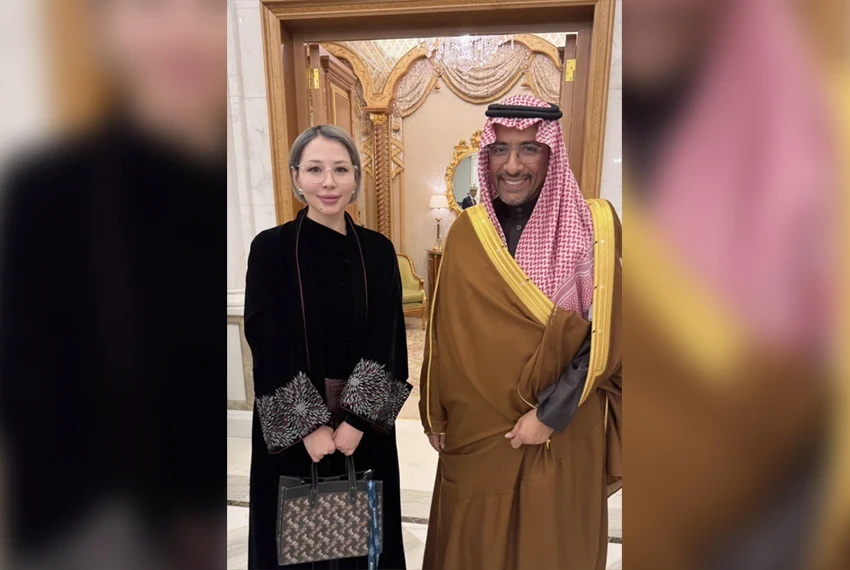
— What inspires you in the field of international economic cooperation?
— The opportunity to connect countries, people, and ideas. I love seeing real projects emerge from simple communication.
— Which sectors of the Kyrgyz economy are most relevant to Saudi Arabia?
— Saudi Arabia is looking for not just goods, but stable partners with reliable logistics and long-term strategies. They import a large portion of food products and are interested in suppliers from "organic" regions.
In this context, the key areas are:
- agro-export and processing: honey, dried fruits, organic fruits and berries;
- halal meat: Kyrgyzstan can compete due to pastures and natural feeding;
- construction materials and industrial cooperation;
- tourism — interest from investors in eco-directions;
- manufacturing and assembly lines;
- logistics and trade hubs, where Kyrgyzstan can be a manufacturing base and a regional export hub.
— What problems do Kyrgyz entrepreneurs face?
— The Saudi Arabian market requires time; trust and a long-term strategy are important here. The problems entrepreneurs face include insufficient understanding of the market, weak document preparation, and the expectation of quick results.
— What steps should Kyrgyz businesses take?
— It is necessary to adapt the product or service to the standards of Saudi Arabia, undergo certification, and be ready for serious negotiations.
— What assistance does the CCI provide?
— The Chamber of Commerce and Industry of Kyrgyzstan supports local businesses in working with Saudi Arabia by creating contacts with chambers of commerce and companies, organizing business forums and exhibitions, as well as assisting in conducting business missions and providing market consultations.
— How significant are cultural aspects?
— In Saudi Arabia, culture is not just a background detail, but a crucial part of the business strategy. Ignoring cultural norms can lead to losses. Success is achieved by those who can build trusting relationships while considering cultural peculiarities.
— How was your adaptation in Saudi Arabia?
— Although this is my fifth country of residence, the adaptation process was gradual. The culture, pace of life, and climate here are completely different. My international experience and nomadic spirit helped me adapt to the new conditions.
— What are the main pros and cons of living in Saudi Arabia?
— Pros: many opportunities and rapid reforms. Cons: sometimes the feeling of an expatriate's loneliness.


— What do you miss while being away from Kyrgyzstan?
— I miss my parents, the mountains of my native Chatkal, and the silence of Darkhan.
— What are your hobbies besides work?
— I enjoy chess and learning new languages.