However, as Ombudsman Jamila Dzhamanbaeva emphasizes, when creating equal conditions and an accessible environment, the potential of these women can be fully realized. It is important to recognize the equal dignity and rights of every person.
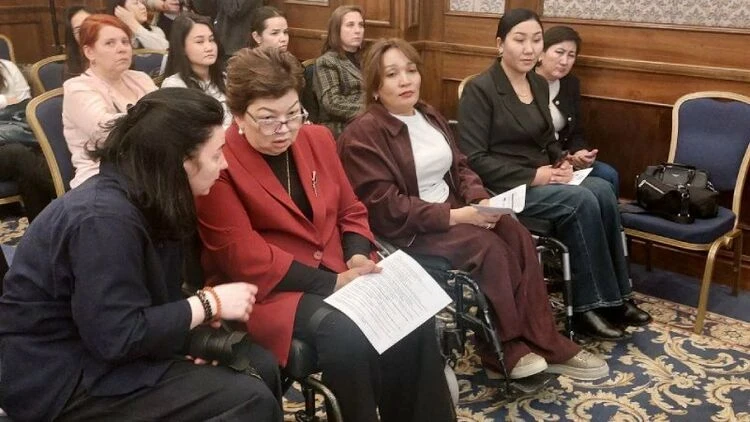
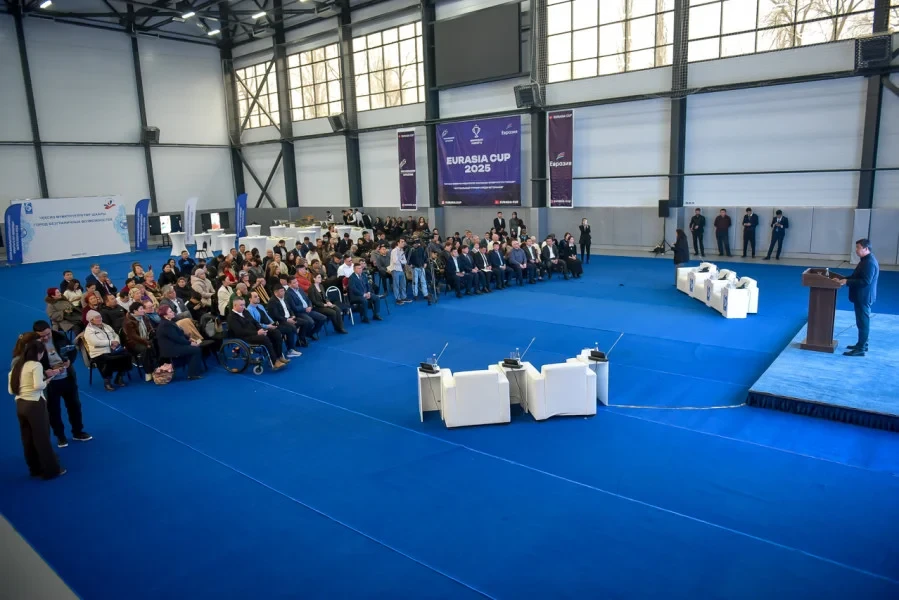
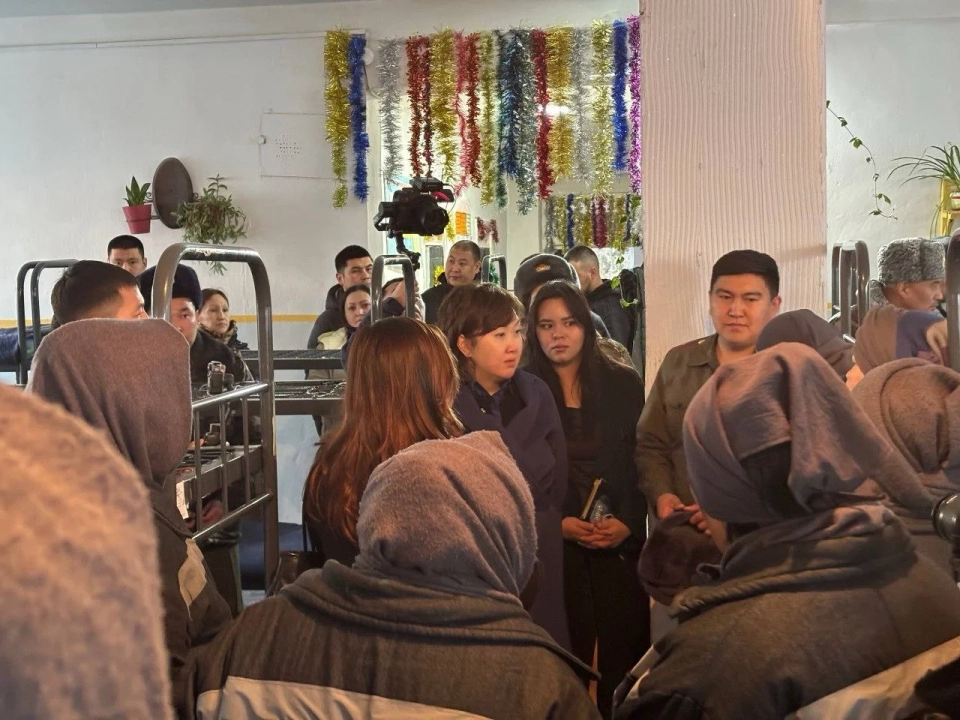
At an event dedicated to women leaders, inspiring stories of women who have found their calling and serve as examples for others were shared.
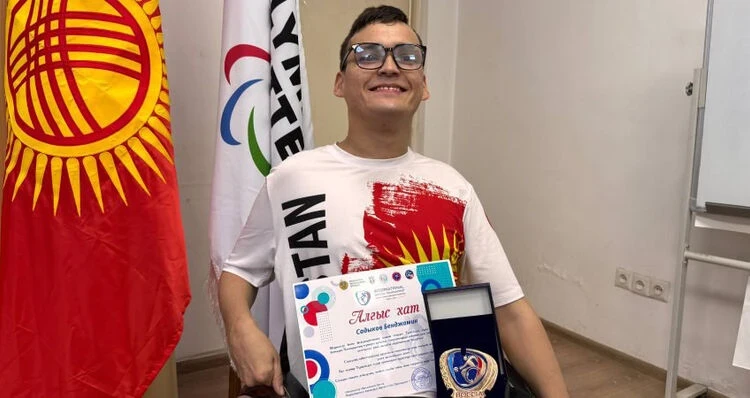
Sveta Esengazieva is one such woman. After an accident, she lost her ability to move but did not lose her zest for life. "One door closed, but another opened," says Sveta. Today, she is a six-time champion of Kyrgyzstan in arm wrestling, a five-time champion of Asia, and a two-time medalist at world championships. In the future, she plans to participate in the Paralympic Games.
Additionally, Sveta works as an administrator at the "Equality" shelter, where she supports women with disabilities, helping them adapt and build self-confidence.
Rights of Women with Disabilities
The shelter is led by Gulmira Kazakunova, one of the first in Kyrgyzstan to openly raise the issue of the rights of people with disabilities. She founded a social adaptation and early intervention center for children with special needs and is raising a new generation of women leaders.Gulmira notes that there are challenges, such as the need to pay rent for the shelter, but she continues her mission of improving the lives of women with disabilities. "We work with government agencies, promote laws and programs, and most importantly, help women believe in themselves. Girls who have experienced violence come to us. We explain to them that no one has the right to infringe upon them and that they have rights," she shares.
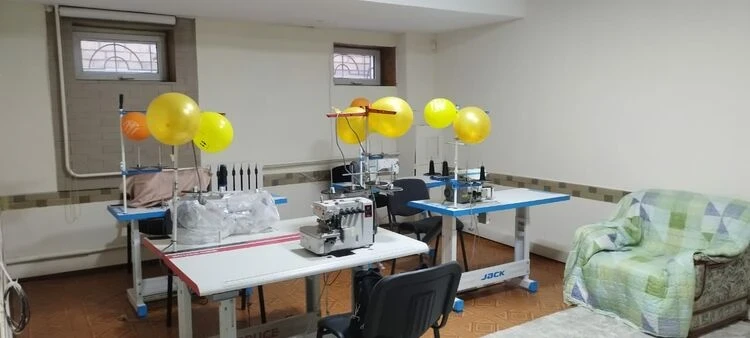
At the center, women receive psychological and legal assistance, learn to live independently, and adapt to work or study. Courses are also offered, such as computer literacy, cooking, and pastry making. "80% of the girls who come to us lack education and life skills. We organize courses based on demand, and 67% of participants find jobs or start their own businesses after completing them," Gulmira shares. One successful example is a girl who opened her own nail salon and employed other women.
What Has Been Done to Support Women with Disabilities
Deputy Gulnara Baatyrova reminded that in 2019, Kyrgyzstan ratified the UN Convention on the Rights of Persons with Disabilities and committed to protecting their rights. Currently, there is a "Personal Assistant" program that helps people who are unable to provide for themselves receive pensions and support in daily life. Efforts are also underway to simplify procedures and reduce the need for personal visits to government agencies.The Need for Further Action
Gulnara Baatyrova and Toktobubu Ashimbaeva emphasized that this is not enough."In Kyrgyzstan, we have already taken several steps in this direction, but let’s be honest: it is still not enough. We need systematic work, increased funding, and, most importantly, a change in public consciousness," noted Toktobubu Ashimbaeva, adding that every girl, regardless of health status, should have access to quality and inclusive education.
"This includes not only ramps and elevators but also trained educators, adapted programs, and modern technologies."
The deputies of the Jogorku Kenesh expressed their readiness to initiate parliamentary hearings, promote necessary changes in legislation, and advocate for increased funding for support programs.
"However, no law will work without your activism, expertise, and participation — they are vital," the deputy urged women to actively participate.