The audit revealed a number of systemic problems that negatively affect the effectiveness of state support for the seed production industry.
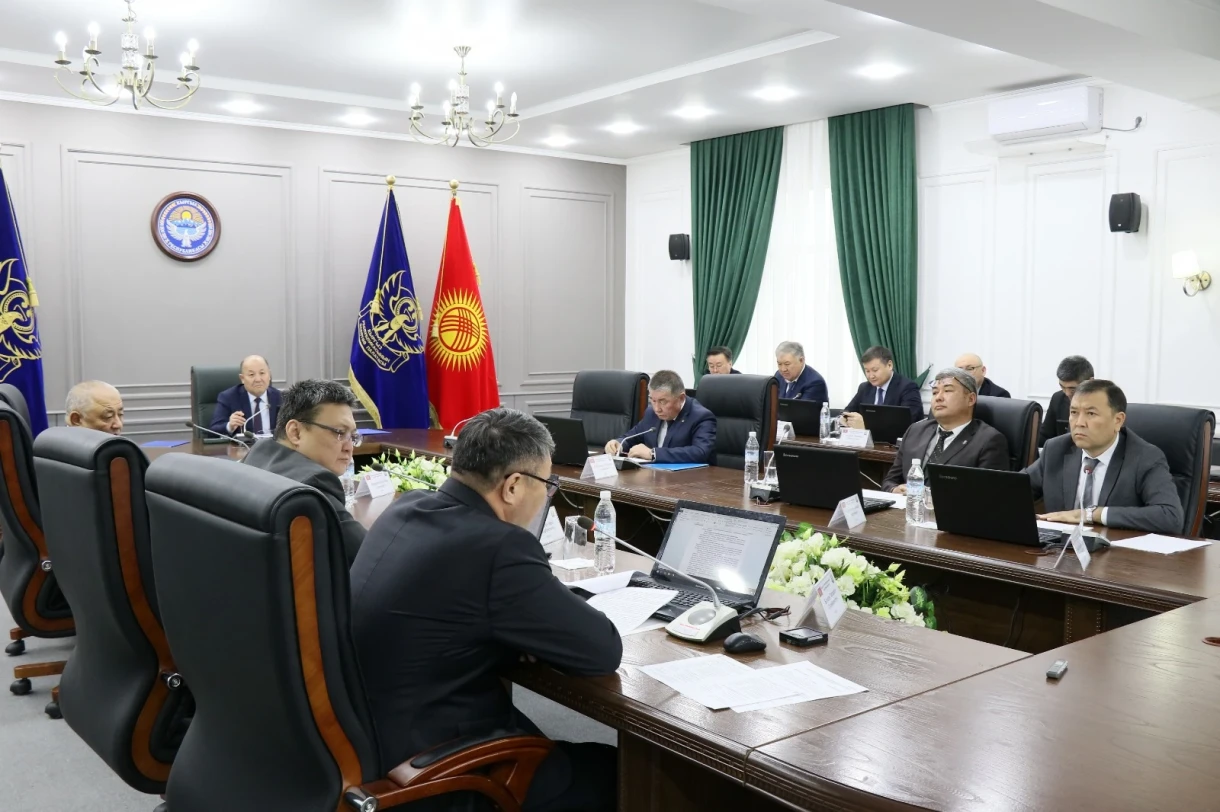
The Accounts Chamber of the Kyrgyz Republic conducted an analysis of the effectiveness of state subsidies provided to seed production farms from January 1, 2020, to September 30, 2025.
The audit results showed that the effectiveness of these subsidies remains at an insufficient level.
During the audit, systemic deficiencies were identified that negatively impact the implementation of the National Development Program of the Kyrgyz Republic until 2026 and the action plan of the Cabinet of Ministers to support seed production.
The audit revealed that measures to provide subsidies to seed production farms for supplying agricultural producers with high-quality seeds have not fully achieved their goals.
From January 1, 2022, to September 30, 2025, only 166.7 million soms were utilized, which is just 30.7% of the planned funds.
One of the key reasons for the low level of subsidy utilization is the insufficient awareness of farmers about the opportunities and conditions for receiving state support, as well as weak informational and explanatory work.
Additionally, there were cases of financing subsidies without prior approval in the budget and relevant regulatory documents, indicating a violation of budget legislation.
From the beginning of 2020 until the end of September 2025, 197.5 million soms were allocated to support seed production in the form of state subsidies.
However, the Ministry of Water Resources, Agriculture, and Processing Industry of the Kyrgyz Republic did not carry out systematic work on the control, monitoring, and evaluation of the use of budget funds, nor did it develop the necessary regulatory acts.
The audit also revealed a lack of a clear strategy, coordination mechanisms, and distribution of responsibilities among participants in the subsidy program. The regulatory framework remains inadequate, especially regarding the timing of subsidy payments and the functional responsibilities of responsible persons.
During the audit, there was no analysis of the impact of using certified seeds on the yield of agricultural crops, nor a comparative analysis with district average indicators.
From 2020 to 2025, a total of 26,126.6 tons of seeds were declared for subsidy, of which only 16,628.2 tons were sold, which is 63.6%. This indicates insufficient demand planning, weak logistics, and inadequate informational work among farmers.
Overall, seed production farms were able to supply agricultural producers with seeds only 13.5% of the time, and the share of seeds received under state subsidies was only 3%.
On average, during the years 2020-2025, 31 farms participated in the subsidy program for spring sowing and 25 for winter sowing.
Deficiencies were also identified in the work of regional commissions, which did not carry out proper monitoring of seed production farms and did not provide timely conclusions and recommendations to the authorized bodies.
As a result of the conducted audit, the need to enhance the effectiveness of state support for the seed production industry was emphasized through the development of a clear mechanism for implementing the subsidy program, improving control and monitoring, expanding informational and explanatory work, and enhancing budget planning, as well as implementing mechanisms for evaluating effectiveness and increasing the accountability of state bodies.
Photo www