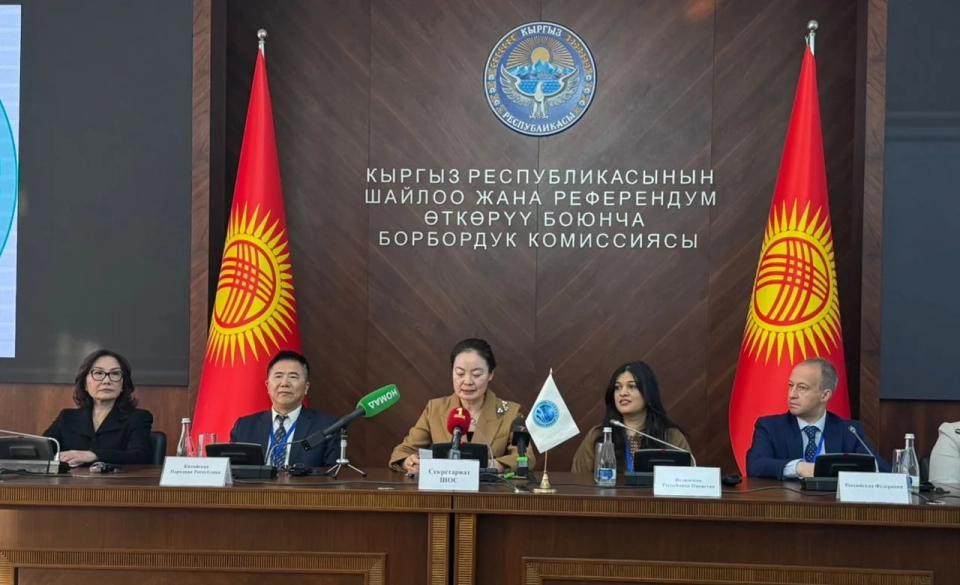
In its statement, the mission noted that the observation was conducted at the invitation of the Jogorku Kenesh of the Kyrgyz Republic. The delegation included deputies from Azerbaijan, Kazakhstan, and Turkey, as well as representatives from the Central Election Commission of Azerbaijan and staff from the international secretariat of TurkPA.
The elections in the Kyrgyz Republic were held in accordance with the Constitution and a number of laws, including "On the Elections of the President and Deputies of the Jogorku Kenesh" and "On the Central Commission for Elections and Referendums." Kyrgyzstan is also a participant in key international and regional documents concerning democratic elections.
The early elections took place against the backdrop of changes in electoral legislation regarding the electoral model, district formation, gender quotas, and other aspects. In 2025, the mixed electoral system was replaced with a majoritarian system, resulting in the election of 90 deputies from 30 multi-mandate districts. The Central Election Commission approved the boundaries of the districts, and in each district, the three candidates with the most votes received mandates, with no more than two of them being of the same gender.
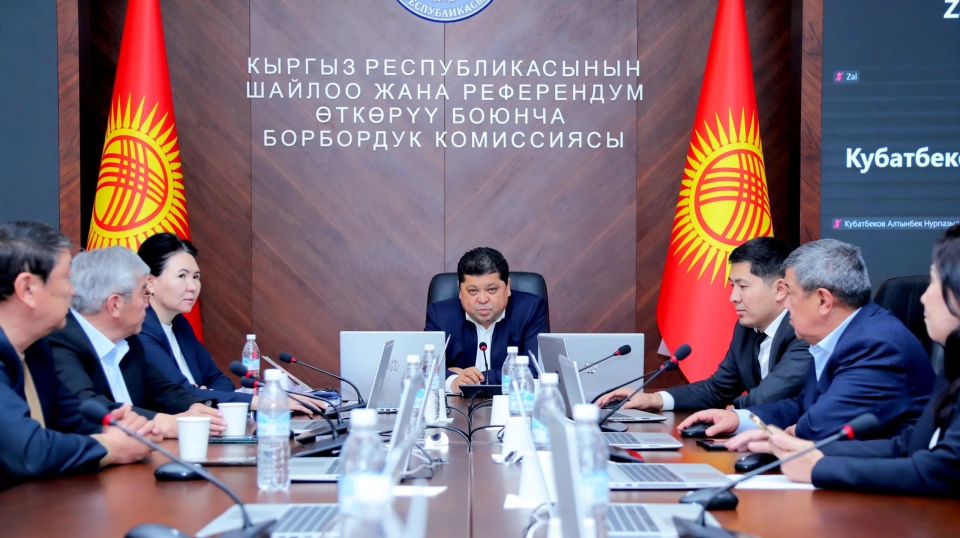
The organization of the elections was carried out by the Central Election Commission (CEC) with the support of 30 district election commissions and 2,492 precinct election commissions. Voting abroad took place at 100 polling stations in 34 countries.
The CEC is responsible for the overall organization of the elections and the methodological support of the lower-level commissions. As part of the election preparation, training was conducted for participants in the electoral process and informational events for voters.
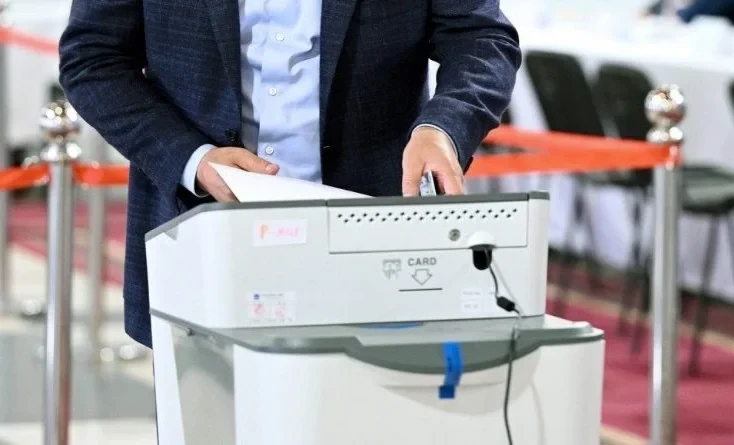
New equipment was used for voting, which included fingerprint identification and facial scanning, participation registration, and ballot printing. There was also an option for remote voting, allowing voters to vote outside their district. The President of the Kyrgyz Republic, Sadyr Japarov, made the decision to implement remote voting on September 30, 2025.
Citizens aged 18 and over had the right to vote, except for those recognized as incapacitated or serving a sentence. Voter registration is carried out automatically based on the Unified State Register of the Population, and voters can make changes to their data 15 days before the elections. According to the CEC, 4,294,243 citizens were registered for the elections.
Candidates for the elections could be individuals aged 25 and older with higher education, fluent in the state language, and residing in the country for at least 5 years. Individuals with dual citizenship and some other categories were not eligible to run. Candidates could be nominated by registered parties or independently, while adhering to gender proportion conditions.
A total of 460 candidates participated in the elections, and the campaigning period lasted from November 10 to November 29, 2025. Legislation guaranteed equal access to the media for all participants in the electoral process.
The mission also noted that observation by candidates, NGOs, and international observers is provided for by law. This time, 778 international observers were accredited.
On election day, polling stations operated from 08:00 to 20:00. The mission visited several polling stations in Bishkek, Osh, and Uzgen, where it observed the voting and vote counting process. Overall, the election day was conducted at a high level, and the mission gave a positive assessment of the organization of the electoral process.
The mission emphasized the importance of amendments to the electoral legislation that contributed to the conduct of democratic elections and noted that gender quotas positively impact women's participation in political life.
Furthermore, the mission highly appreciated the work of the electoral authorities and the use of new voting equipment, which contributed to ensuring the electoral rights of citizens. In conclusion, the mission noted that the elections were held in accordance with national legislation and international standards.