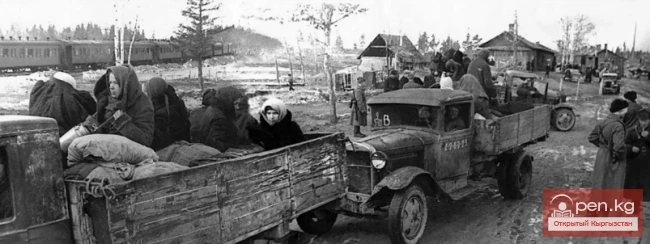
The Arrival of Evacuated Enterprises and Population in Frunze in October 1941
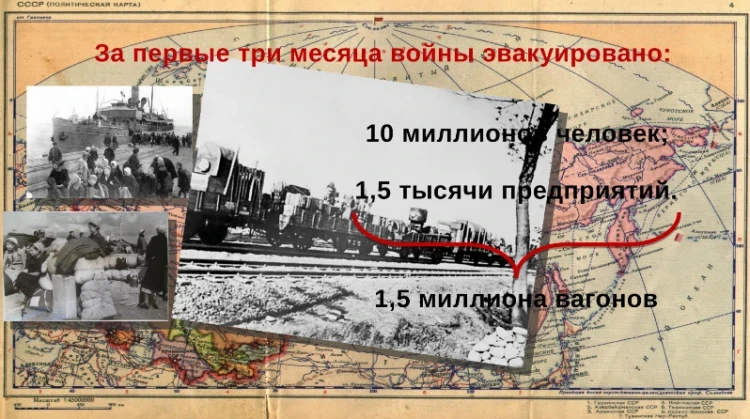
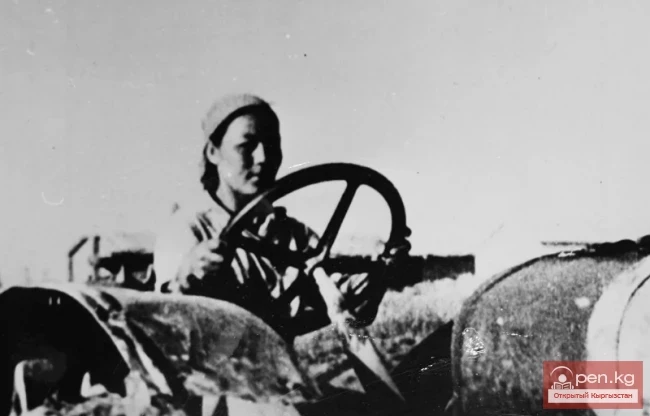
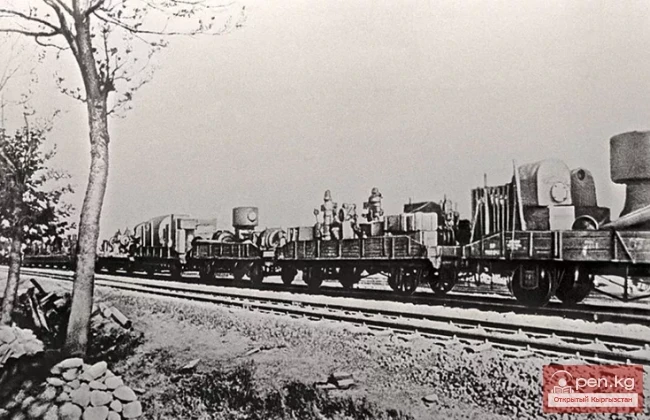
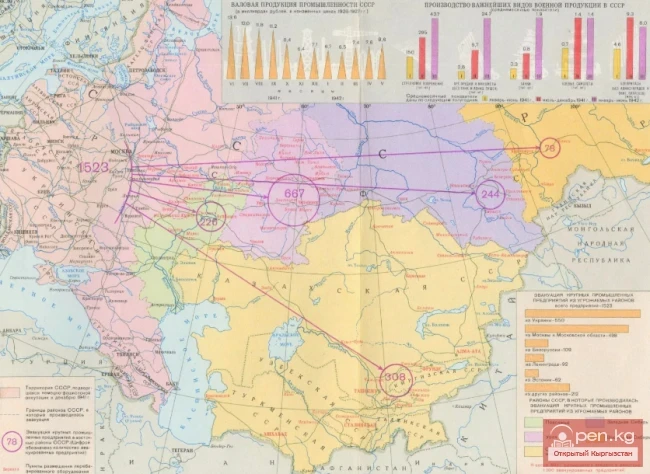
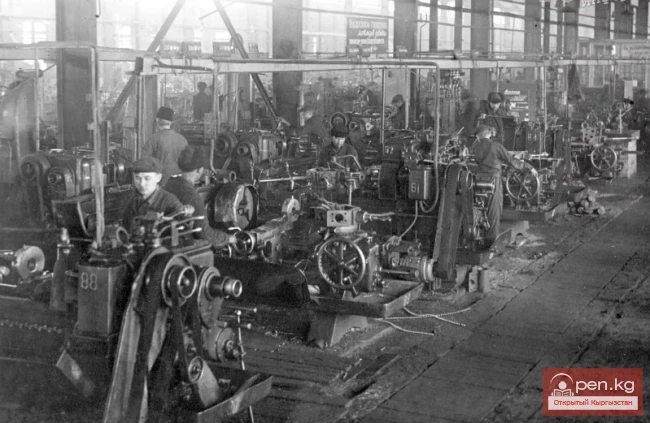
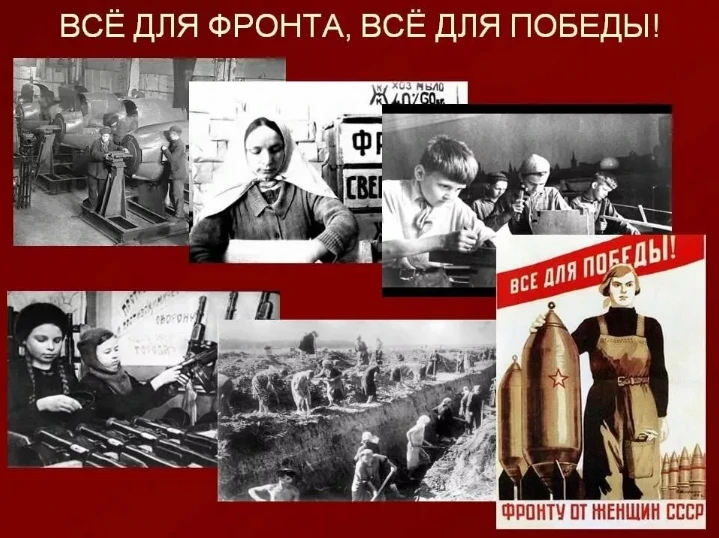
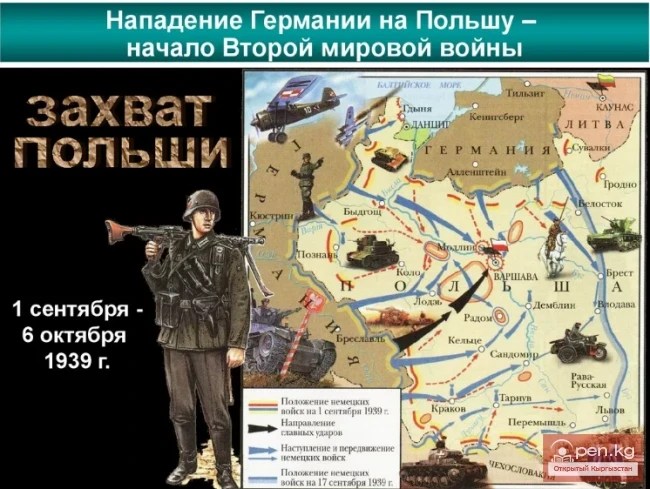
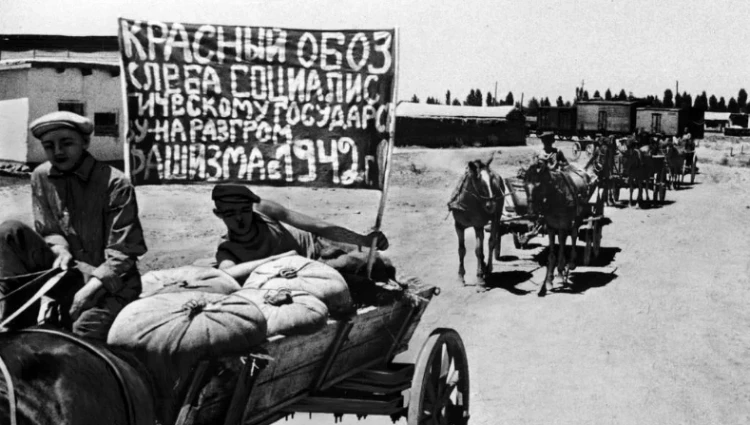
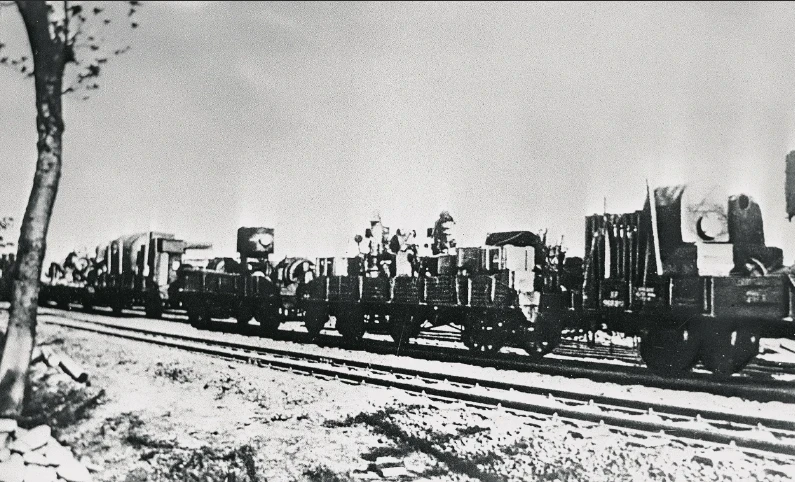
The temporary retreat of Soviet troops at the beginning of the war required urgent measures to relocate productive forces from the areas abandoned by the army and to create rear regions and additional military-economic bases in the east of the country. An endless stream of trains moved eastward, transporting equipment, evacuated enterprises, machinery, and inventory. Not only enterprises were evacuated, but also the population of the defense industry. The difficulty in addressing this task for the authorities of the capital lay primarily in the enormous, unprecedented scale of the evacuated enterprises and labor collectives, which found themselves in a very difficult situation. There were no ready factory and plant buildings to accommodate the equipment, and there was a shortage of housing for workers, engineering and technical personnel, electricity, and more.
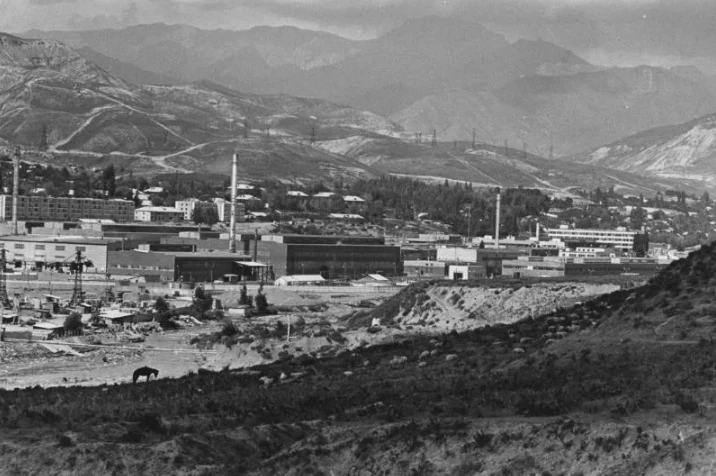
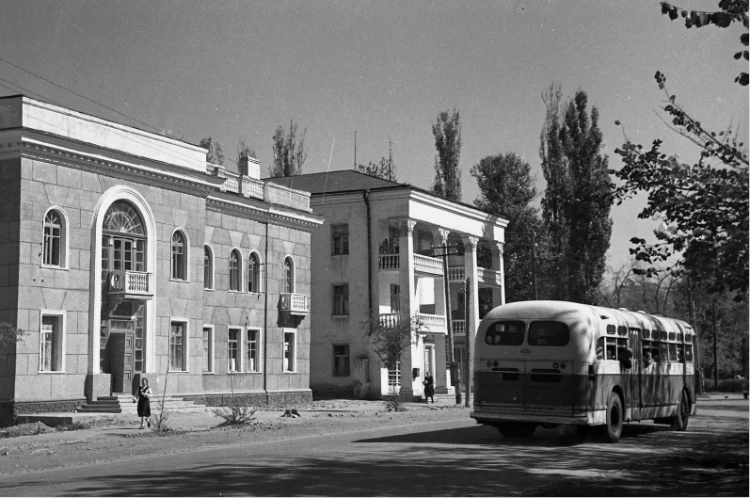
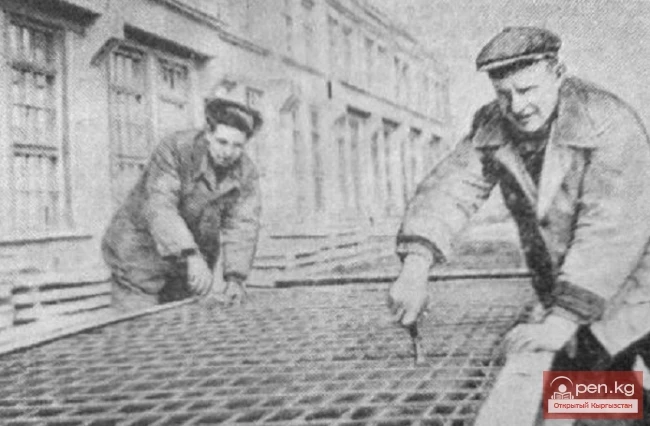
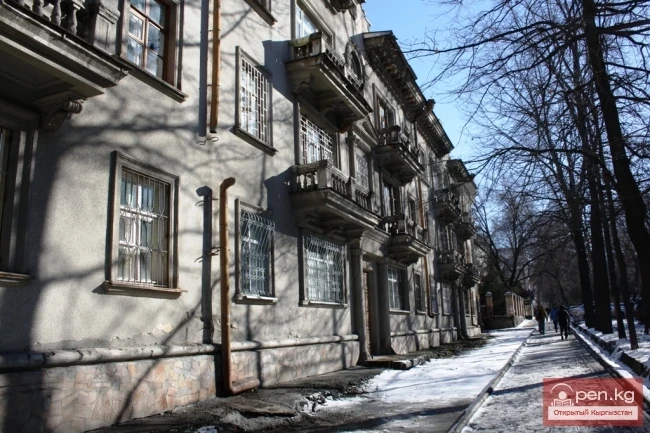
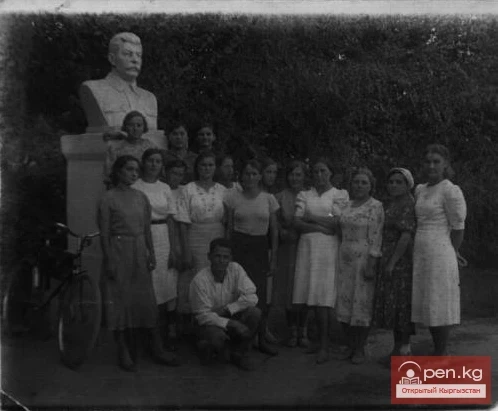
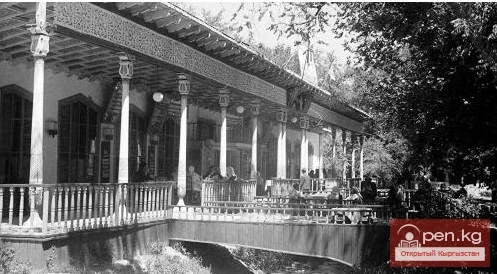
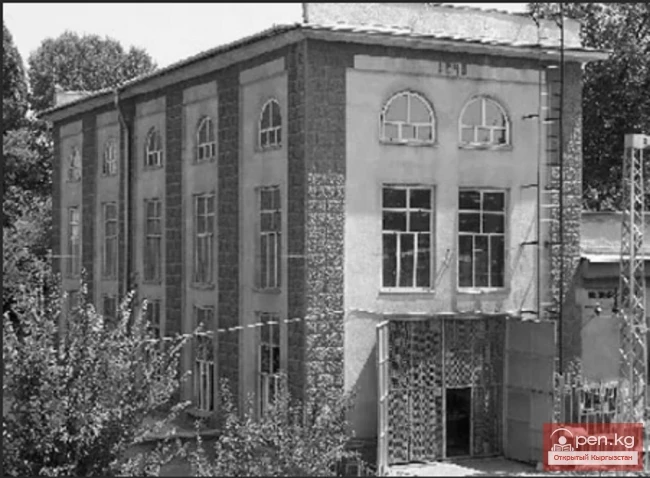
The government of the republic, the executive committee of the city, and the executive committees of the district councils conducted urgent preparatory measures. By the decision of the State Defense Committee, in October 1941, evacuated enterprises and population began to arrive in Frunze. Along with the military plant No. 60, 1,150 workers and engineering and technical personnel arrived, some of whom temporarily lived in the premises of a theater, in the Oak Garden, and in the "Red Star" park. The city council's executive committee allowed the housing management to temporarily use premises, bathrooms, and kitchens as housing. These measures could not resolve the issue of housing for the evacuees.
By the decree of the Council of People's Commissars of the republic in October and November 1941, a number of service premises in the city were transferred for the accommodation of evacuated industrial enterprises and institutions. The government of the republic granted the executive committee of the Frunze city council the right to carry out densification and expropriation of up to 30% of living space in private and departmental houses. A norm of living space of 5 square meters per resident was established for the wartime period, instead of the previously existing 6.25 square meters.
By the end of 1941, 300 evacuated families in Frunze were provided with separate apartments, and 900 families received housing through densification. In 1942, the accommodation of evacuees continued. From July 1941 to December 1942, 23,870 people arrived in Frunze.
By the decision of the executive committee of the city council, workers and employees of evacuated enterprises were granted a long-term loan for individual housing construction amounting to 50% of the cost of housing, while the remaining part of the housing cost was covered by the state budget. From October 15, 1941, the construction of four lightweight residential buildings began in the city of Frunze, and from October 16, the construction of ten six-apartment houses commenced. Along with the management of housing construction, local councils allocated land plots to the evacuated population for individual construction and took measures to provide them with building materials.
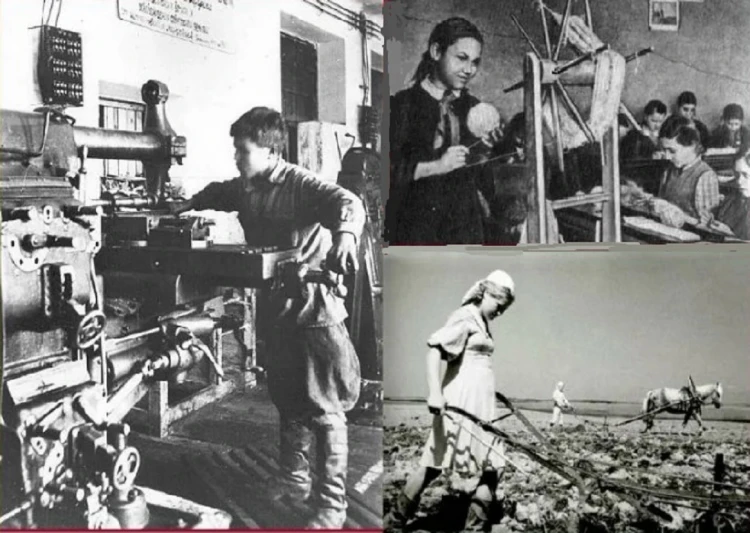
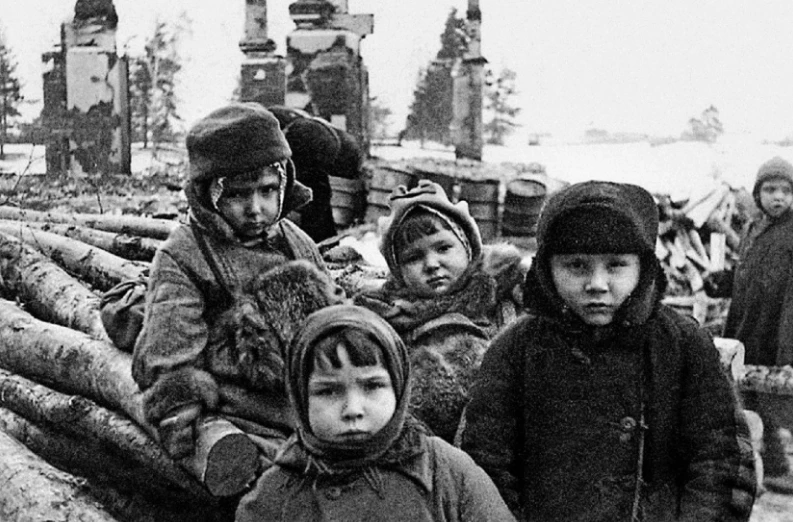
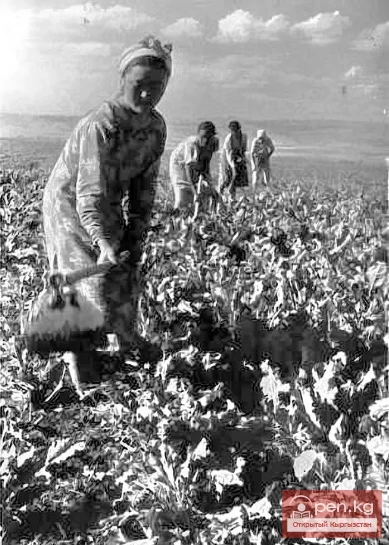
From July 1941 to January 1942, as a one-time assistance to the evacuees, 436,000 rubles were issued by the government of the republic and 36,600 rubles from the local budget of the Frunze city council. All evacuees were employed. The local population also provided significant assistance to the evacuees. Citizens collected more than 41,600 warm items. In the capital, 316 evacuated children and children who lost their parents in occupied areas found shelter in two orphanages, and 260 orphans were adopted by residents of Frunze.
Heroes of Panfilov
Read also:
Commissioning of Evacuated Industry from Frontline Areas of the USSR in the City of Frunze in 1942
In response to the request of the Frunze Mechanical Plant, on February 2, 1942, the Executive...
The Activities of the Local Councils of Frunze in Managing Enterprises During the Great Patriotic War
The local authorities showed particular concern for the veterans of the Great Patriotic War and...
The arrangement for evacuated children in Kyrgyzstan who were left orphaned by fascist invaders.
The countless sufferings brought by the fascist invaders to children in the occupied territories...
Eternalizing the Memory of the WWII Hero Major General Panfilov. Documents No. 130 and No. 131 (November 1941)
DECREE OF THE COUNCIL OF PEOPLE'S COMMISSARS OF THE KYRGYZ SSR "ON TEMPORARY HOUSING...
Difficult Situation with Electricity Supply in the First Period of World War II in Kyrgyzstan
On September 12, 1941, the Council of People's Commissars of the Kyrgyz SSR established a new...
The National Economy of the Kyrgyz Republic on Military Tracks
High Rates of Defense Production Industrial enterprises quickly adapted to the production of goods...
Evacuation of Industry to the Territory of Kyrgyzstan
Placement and Restoration of Relocated Factories and Plants in Kyrgyzstan In the summer of 1942,...
Testing the Functionality of the State Apparatus of Frunze During the Great Patriotic War
The harsh test of the functionality of the state apparatus of the capital came during the years of...
The National Economy of the Kyrgyz SSR by Mid-1942
The communication authorities also improved their work. In a record short time—from July to...
Reconstruction of the National Economy of the Kyrgyz SSR for Military Purposes
To ensure the tasks of reconstructing the national economy for military purposes, from the very...
Reception, Placement, and Employment of Evacuated Population in Kyrgyzstan
Mobilization of All Internal Resources of the Kyrgyz SSR Speedy construction methods, which...
Military Mobilization Work of Local Government Authorities in Kyrgyzstan
Activities of the Councils of Workers' Deputies in Military Conditions The Councils of...
Construction of the Lebedinovskaya Hydroelectric Power Station in the area of Frunze. Document No. 134 (March 1942)
FROM THE REPORT OF THE CENTRAL COMMITTEE OF THE COMMUNIST PARTY (B) OF KYRGYZSTAN AND THE COUNCIL...
Mobilization National Economic Plan of 1941
First Wartime Plan On June 30, 1941, the Council of People's Commissars of the USSR approved...
Law on the Five-Year Plan in the City of Frunze
The adoption on March 18, 1946, by the Supreme Soviet of the USSR of the law "On the...
Construction of Factories and Plants in the Rear of the USSR - Kyrgyzstan
Industrial Construction in All Rear Areas of the Soviet Union In the Kyrgyz SSR, as in all rear...
Assistance of the Population of Frunze to the Front During the Great Patriotic War
During the war, many vivid heroic-patriotic essays were published in the republic, revealing the...
Industry and Collective Farm Production of Kyrgyzstan During the War
Industry and Collective Farm Production of Kyrgyzstan during the Great Patriotic War. The fourth...
MILOV Mikhail Andreevich
MILOV Mikhail Andreevich...
Frunze in 1938-1939
Development of Industry and Culture in the Capital The number of industrial enterprises and...
Organization of the City Prosecutor's Office and Children's Cinema in Frunze. Documents No. 170 and No. 171 (Summer 1946).
RESOLUTION OF THE COUNCIL OF MINISTERS OF THE KYRGYZ SSR AND THE CENTRAL COMMITTEE OF THE...
Road Construction in the City of Frunze in the 1950s
The session of the First May District Council of Frunze discussed the results of the work of the...
Placement of Evacuated Educational Institutions from the Frontline Zone in Frunze. Document No. 133 (February 1942)
FROM THE REPORT OF THE COUNCIL OF MINISTERS OF THE KYRGYZ SSR TO THE COUNCIL OF MINISTERS OF THE...
Kemin
Kemin is a city in Kyrgyzstan. It is the administrative center of the Kemin District in the Chuy...
Cleaning and Order Restoration of the Irrigation System of the City of Frunze. Document No. 162 (October 1945)
RESOLUTION OF THE BUREAU OF THE FRUNZE CITY COMMITTEE OF THE COMMUNIST PARTY (BOLSHEVIKS) OF...
Sakin Begmatov - Work at the Frunzensky Hemp and Jute Factory
In 1943, she joined the ranks of the VKP(b). She was appointed deputy director of the Frunze...
The Development of Art During the Patriotic War in Frunze
During the war, the capital was the center of scientific thought in the republic, and the science...
The Beginning of World War II
The Attack of Nazi Germany on Poland. On September 1, 1939, Nazi Germany attacked Poland. Two days...
Resumption of Construction of the Lebedinovskaya Hydroelectric Power Station on the Bolshoy Chuy in 1942
In April 1942, the Soviet People's Commissariat and the Central Committee of the VKP(b) of...
Documents Characterizing the State of the National Economy of Kyrgyzstan During the War Years
Archives for 1941—1945 The first edition of the book "Soviet Kyrgyzstan in the Great...
A Comprehensive and Systematic Study of the History of Kyrgyzstan 1941-1945
New Research on the History of the Republic during the Great Patriotic War. A more comprehensive...
The Contribution of Oshan to the Victory in the Great Patriotic War
Osh during the Great Patriotic War. As everywhere, people lived and worked under the slogan...
Everything for the Front: Oil and Coal Extraction in Kyrgyzstan
The war exacerbated the situation regarding the supply of oil to the country's industry and...
Legislative Foundations for the Creation and Functioning of the Military Security Assurance System of the Kyrgyz Republic
Not considering any state or coalition of states as its adversary, and opposing the use of...
Population of the Kirghiz SSR from 1959 to 1991
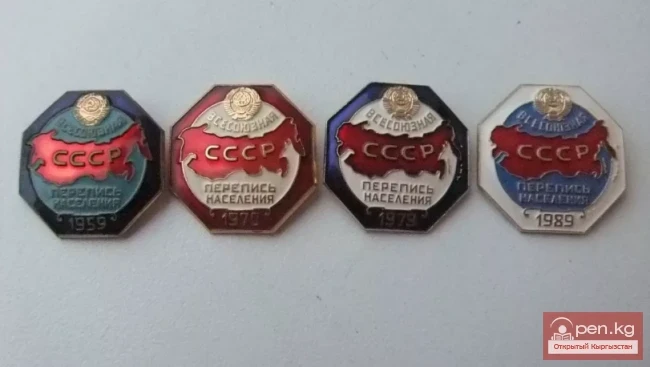
Census of the Kyrgyz SSR in 1959 - 1970 - 1979 - 1989. According to the 1959 census, the...
The Industry of Kyrgyzstan within the Russian Empire
The Industry of Kyrgyzstan in the Territory of Turkestan In the early 1890s, intensive exploration...
The City of Kainды
From the settlement Molotovsky - to the city of Kainды The city of Kainды is located not far from...
Woodworking Industry
The share of the forest, woodworking, and pulp and paper industry of the republic in 2000 was: by...
Ukrainian Drones Attacked Enterprises in Dagestan and Mordovia
According to his statement, there is currently no information about casualties or victims, and...
The Final Formation of the Kyrgyz Autonomous Soviet Socialist Republic
The Final Formation of the Kyrgyz ASSR In January 1929, based on the recommendation of the city...
Establishment of Political Departments in State Farms of the Kyrgyz SSR during World War II
The results of 1941 indicate the enormous economic potential of the collective farms and state...
Establishment of the Honorary Certificate. Document No. 207 (May 1958)
RESOLUTION OF THE FRUNZE CITY COUNCIL OF WORKERS' DEPUTIES "ON THE ESTABLISHMENT OF THE...
Organization in Frunze of the Kyrgyz State Drama Theater. Document No. 129 (June 1941)
RESOLUTION OF THE COUNCIL OF PEOPLE'S COMMISSARS OF THE KYRGYZ SSR "ON THE ORGANIZATION...
The Rear in Kyrgyzstan Supports the Front
The Rear in Kyrgyzstan Industry. A significant part of the European territory of the USSR was at...