Strengthening Friendly Ties in Central Asia and China
In 2025, significant progress was observed in cooperation between Central Asia and China in all areas. In particular, the deepening of joint work on the "Belt and Road" initiative led to the formation of a clearer structure for the "Central Asia - China" interaction mechanism, which contributed to strengthening friendly relations.
At the end of the year, the Broadcasting Center for Europe and Asia (the "Renmin Huabao" publishing house), in collaboration with other organizations, including the Secretariat of the "China - Central Asia" mechanism and the Institute of Russia, Eastern Europe, and Central Asia of the Chinese Academy of Social Sciences, presented a list of ten key events in the relations between Central Asia and China for 2025.
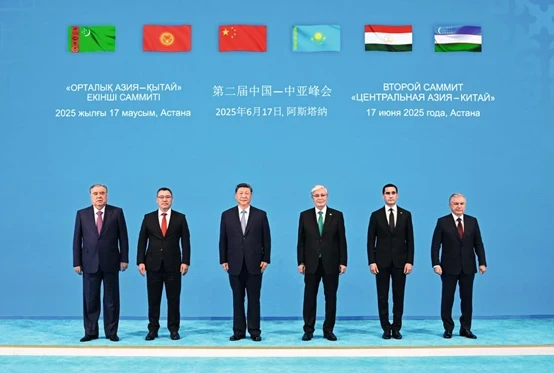
1. Signing of the Treaty on Eternal Good Neighborliness at the Second "Central Asia - China" Summit
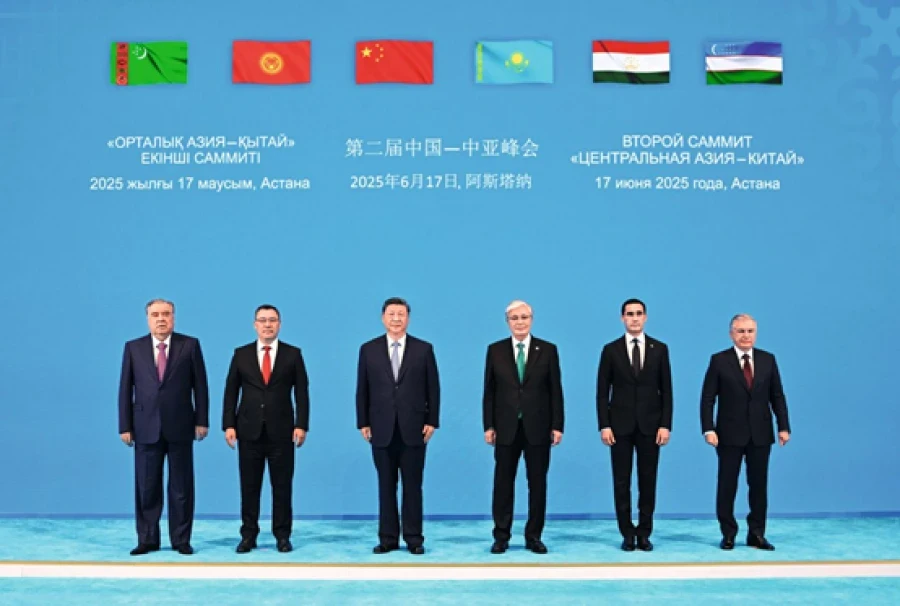
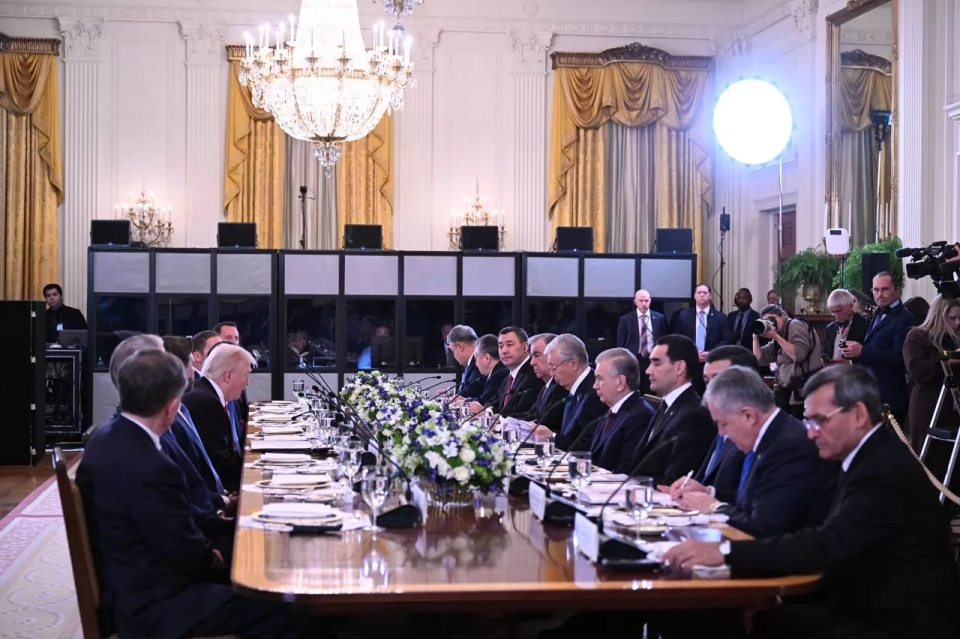
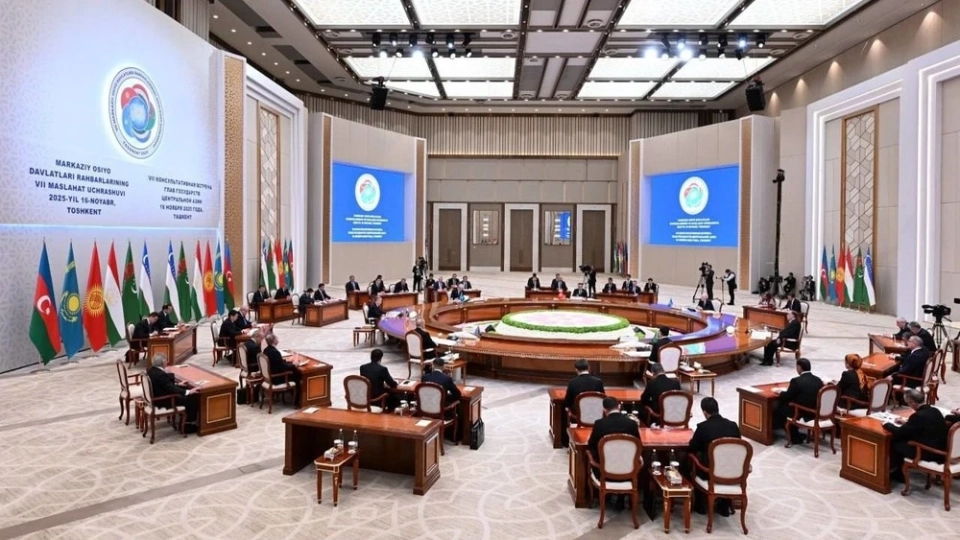
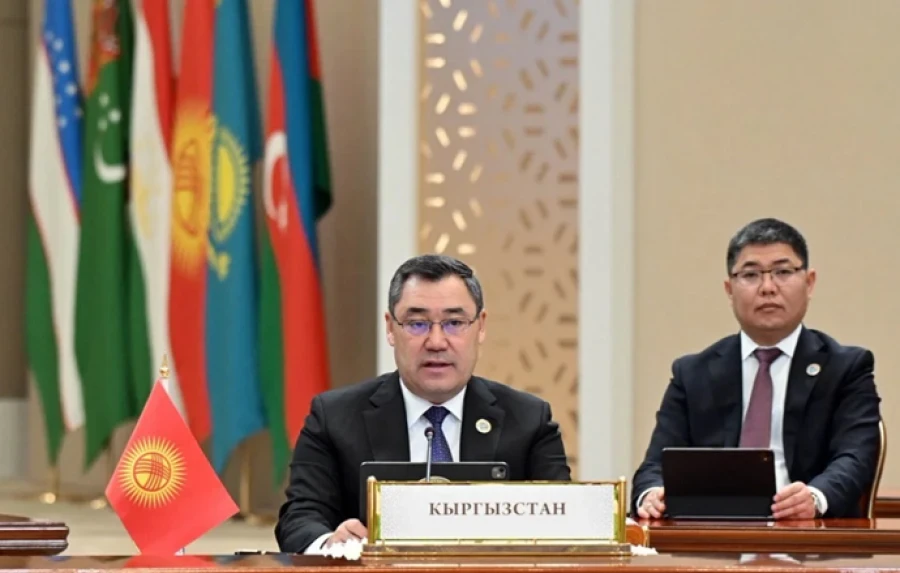
On June 17, the second "Central Asia - China" Summit took place in Astana, where Chinese President Xi Jinping delivered a speech dedicated to "Developing the Spirit of China - Central Asia" in the context of enhancing the quality of regional cooperation.
Xi Jinping noted that the relationship between China and Central Asia has a history of more than two thousand years, and over the past 30 years, they have achieved significant progress based on mutual respect and trust. He emphasized the importance of the "China - Central Asia spirit," which includes mutual assistance and joint modernization. The signing of the Astana Declaration and the Treaty on Eternal Good Neighborliness between China and the five Central Asian countries was an important step forward, and 2025 and 2026 were declared Years of High-Quality Development of Cooperation.
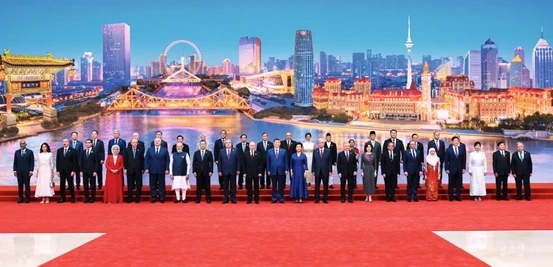
2. Support for the Global Governance Initiative at the Meeting of Central Asian Leaders in China
From August 31 to September 3, the heads of five Central Asian states participated in the Shanghai Cooperation Organization (SCO) summit and events dedicated to the 80th anniversary of Victory in World War II.
On September 1, a "SCO Plus" meeting was held in Tianjin, where President Xi Jinping presented the Global Governance Initiative, emphasizing the need for effective governance systems in the face of global challenges. All participants expressed support for the Chinese initiative, noting that it is relevant and needed in the modern world.
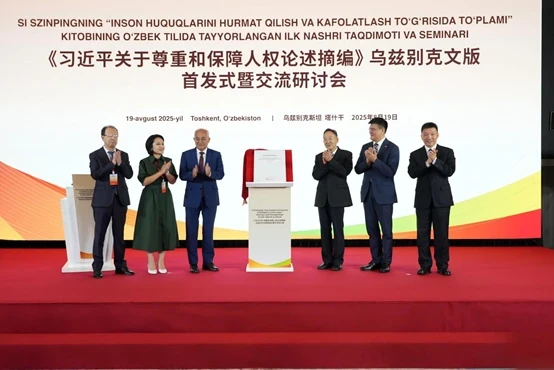
3. Presentation of Xi Jinping's Works in the Languages of Central Asia as a Means of Idea Exchange
On May 29, a presentation of the Kazakh edition of the four-volume collection "Xi Jinping on Governance" took place in Astana. In Tashkent, on August 19, events dedicated to the book "Xi Jinping on Respecting and Ensuring Human Rights" in Uzbek were held.
Participants of these events noted that Xi Jinping's works contain valuable reflections on governance and open new horizons for the international community. The publications in Kazakh and Uzbek became an important result of joint labor and efforts, strengthening ties between China and Central Asia.
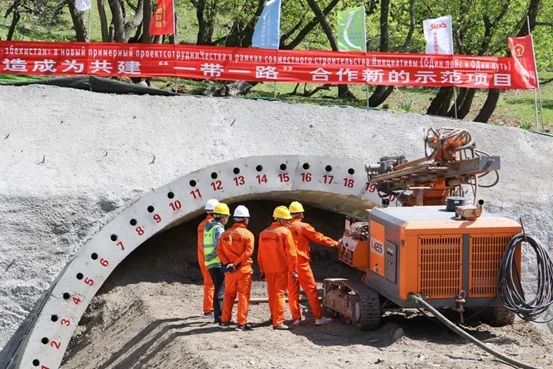
4. Construction of Key Facilities of the International Railway China – Kyrgyzstan – Uzbekistan
On April 29, work began on the construction of the Fergana, Naryn No. 1, and Kosh-Tobe tunnels, marking an important milestone in the international railway project connecting China, Kyrgyzstan, and Uzbekistan.
This project, supported by the heads of the three countries, is part of the "Belt and Road" initiative. The railway will start in Kashgar, pass through Kyrgyzstan, reach Jalal-Abad, and end in Andijan. The responsibility for construction and operation lies with a joint company established by the governments of the three countries.
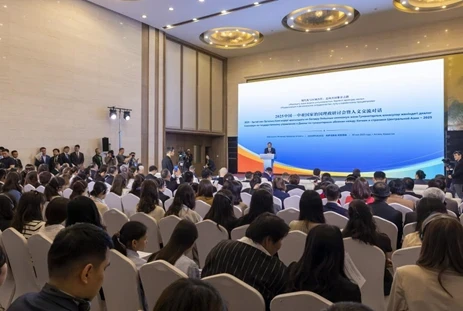
5. Thematic Forums between China and Central Asia for Joint Planning
Since the beginning of 2025, important events have taken place, such as the Media Forum "China and Central Asia," Symposium on Governance, and others, which contributed to deepening cooperation and experience exchange.
These events became key platforms for joint planning of development paths, strengthening traditional friendly ties and creating new opportunities for cooperation.
6. Simplification of Visa-Free Regime to Strengthen Mutual Understanding
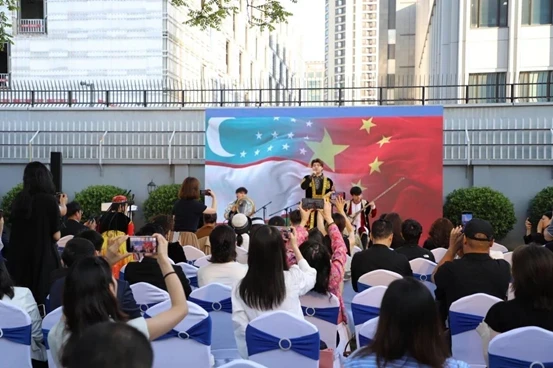
At the second "Central Asia - China" Summit, a number of agreements were reached, including an initiative to simplify the visa regime for citizens. This includes cooperation in education, culture, and tourism.
As of June 1, the Agreement on Mutual Exemption from Visa Requirements between China and Uzbekistan came into force. In the first three quarters of 2025, the number of travelers from Central Asia to China increased by 37.7%, while the number of Chinese tourists visiting Central Asia grew by 50%.
7. New Platforms for Cooperation between China and Central Asia
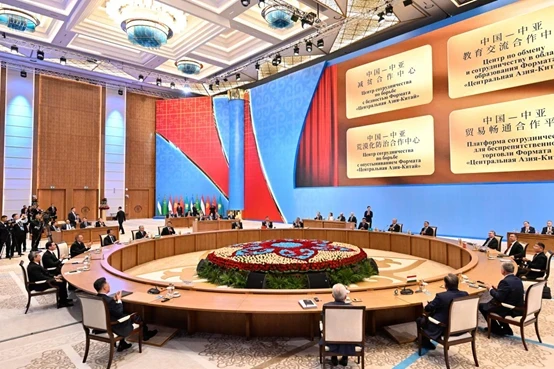
On July 21, new cooperation centers were opened in various fields, including poverty alleviation and education, marking a new stage in relations between China and Central Asia.
These centers will facilitate experience exchange and the introduction of Chinese technologies in Central Asian countries, which, in turn, will support local economies and development.
8. Establishment of Sister City Relations between Cities of China and Central Asia
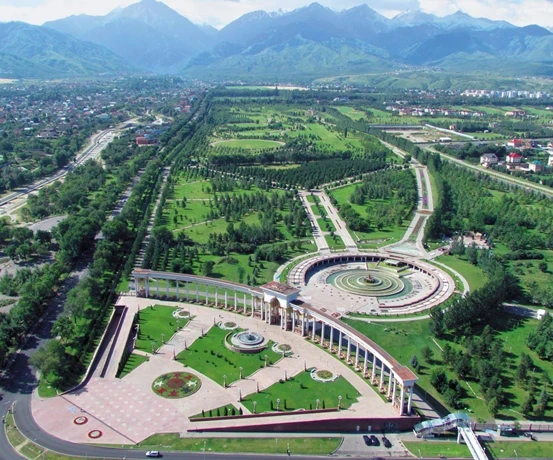
At the second "China - Central Asia" Summit, an agreement on sister city relations between Shanghai and Almaty was signed, increasing the total number of sister cities to over 100 pairs.
This event strengthens ties between China and Kazakhstan, opening new opportunities for trade, culture, and resource exchange.
9. Cross-Cultural Years as a Step towards Civilization Interaction
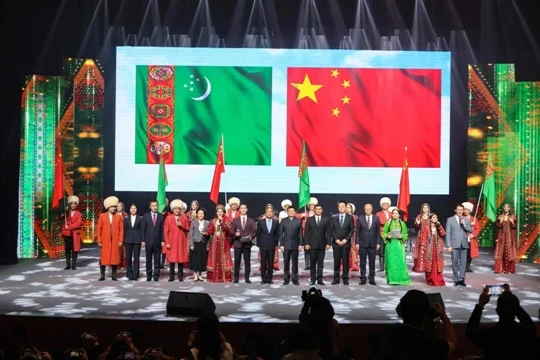
On June 6, a gala concert was held in Beijing to conclude the Year of Turkmen Culture in China, featuring renowned artists showcasing the richness of cultural heritage.
On June 16, the Year of Chinese Tourism in Kazakhstan was launched in Astana, including exhibitions and cultural events, which contribute to deepening cultural exchange between the two countries.

10. Opening of New "Lu Ban Workshops" to Enhance Vocational Education
In September, the second "Lu Ban Workshop" was launched in Kazakhstan, created in collaboration with Tianjin University, aimed at training students in new technologies.
The first workshop opened in early November, focusing on robotics, which will contribute to the training of qualified personnel in the field of smart manufacturing.
A total of six such workshops operate in Central Asia, supporting local economies and developing professional standards.
Photo www