The rivalry between two billionaires in rocket development and satellite launches is already known to many, but now they are directing their efforts towards creating orbital data centers.
Authors: Mika Maidenberg and Becky Peterson
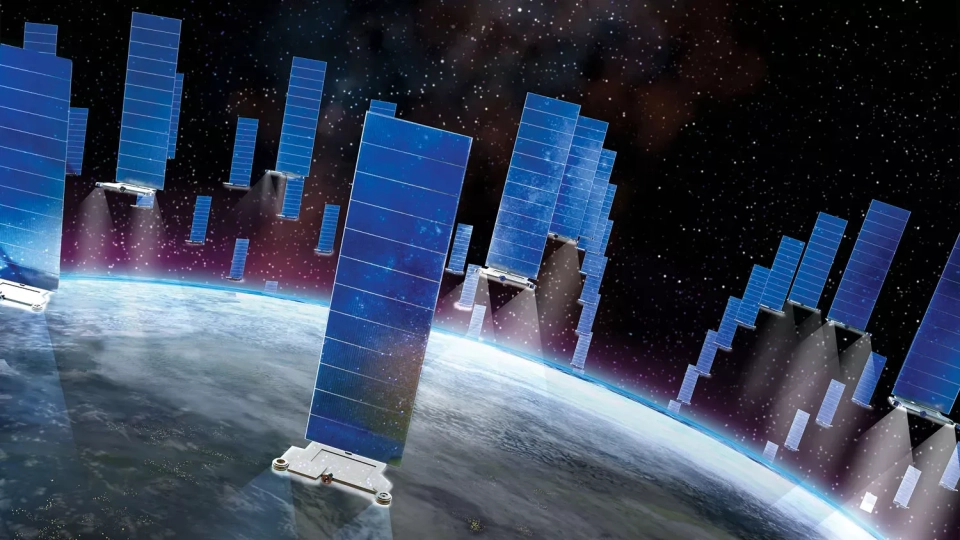
According to a source close to the project, SpaceX plans to adapt its Starlink satellites to host AI computing modules, which could help realize the idea amid the company's rising valuation, reaching $800 billion. However, launching satellites with powerful computing systems for AI poses serious engineering challenges and raises questions about the costs of sending such devices into space.
Creating orbital data centers requires achieving a level of performance comparable to extensive ground centers, and skeptics warn of underestimating the technical risks and costs of such an approach, especially if ground-based energy solutions prove effective.
Nevertheless, this idea has attracted the attention of many experts in AI and space technologies. SpaceX did not respond to a request for comment, and Blue Origin declined to discuss its plans.
The main advantage of relocating data centers to space is that it could help avoid issues related to the enormous energy demands for training AI. Proponents envision satellites powered by solar energy processing computations for various AI applications that will transmit data back to Earth.
“This concept has been around for quite a while, but its implementation requires reducing the costs of launches and satellites. We are moving in that direction,” noted Will Marshall, CEO of Planet Labs.
In early 2027, Google and Planet Labs plan to launch two test satellites equipped with Google chips known as tensor processing units (TPUs). Google views this project as one of its "moonshot missions," given the scale of the challenges associated with creating a network of satellite data centers.
According to Travis Bils, head of the orbital data center project at Google, recreating the computing power of a ground data center at one gigawatt would require about 10,000 satellites, each needing to provide around 100 kilowatts.
The 2027 test mission aims to demonstrate key elements of how satellites can operate as clusters for AI. “After that, we have a long road ahead of optimization and development of new technologies necessary for scaling, and all of this needs to be economically justified,” added Bils.
In addition to SpaceX, Blue Origin, and Google, many other companies are exploring the possibilities of orbital data centers.
Bezos, in his speech in Italy in October, noted that relocating data centers to orbit could be justified given the availability of solar energy in space. He predicted that within 20 years, these systems could become cost-competitive with ground-based AI infrastructure.
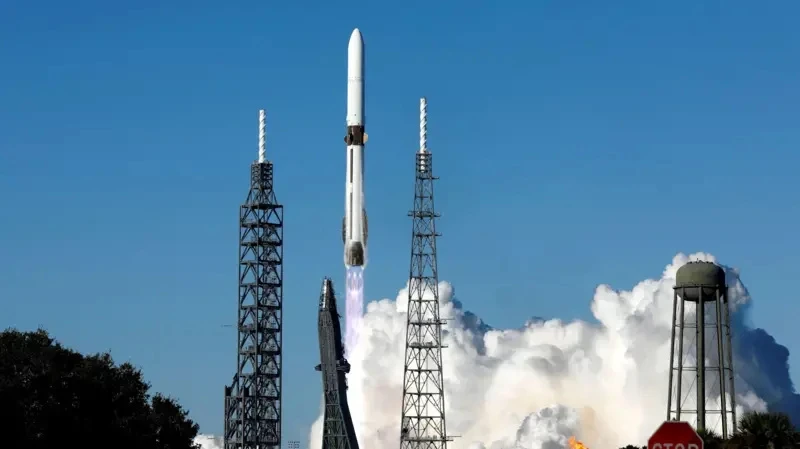
Blue Origin has made significant progress in developing its New Glenn rocket, capable of launching multiple satellites into orbit. OpenAI CEO Sam Altman is also exploring the possibility of acquiring rocket operators to send AI computing power into space. Eric Schmidt, former head of Google, leads Relativity Space, a company that is also discussing ideas for orbital data centers.
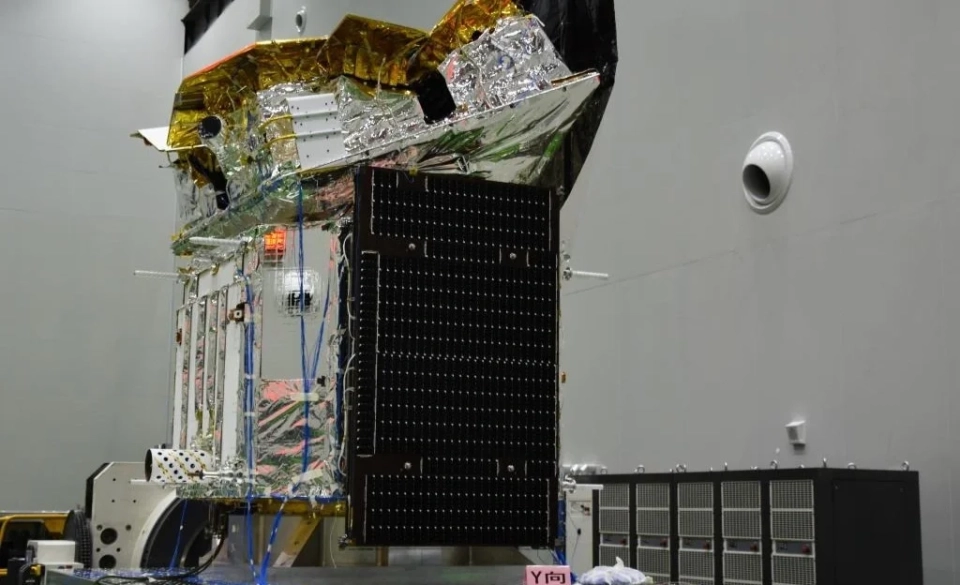
In August, IBM's Red Hat division, in collaboration with Axiom Space, launched a prototype computing system, while startups Aetherflux and Starcloud are working on their projects to compete with major players.
Organizing satellites as data centers faces numerous technical challenges, including managing the temperature of AI chips, radiation protection, and transmitting data to Earth with minimal delays.
“There are many engineering challenges, but all of them are solvable,” commented Johnny Dyer, CEO of Muon Space, who participated in Google's research work. “Ultimately, it all comes down to launching.”
Deploying thousands of satellite data centers could open new horizons for the entire aerospace industry, including rocket manufacturers. While rocket development requires significant investment, frequent launches would allow operators to recoup costs and increase profitability.
SpaceX employs exactly this strategy, achieving records for the number of launches of its Falcon 9 rocket, sending Starlink internet satellites and commercial payloads into orbit.
The company aims to reduce costs by developing the Starship rocket, capable of launching a significant number of solar-powered AI satellites into orbit. According to Musk, Starship will be able to deliver between 300 to 500 GW per year, but the rocket has yet to be operational, with an updated version expected early next year.
Other companies working on AI and aiming to create orbital data centers also face challenges related to launching satellites into orbit.