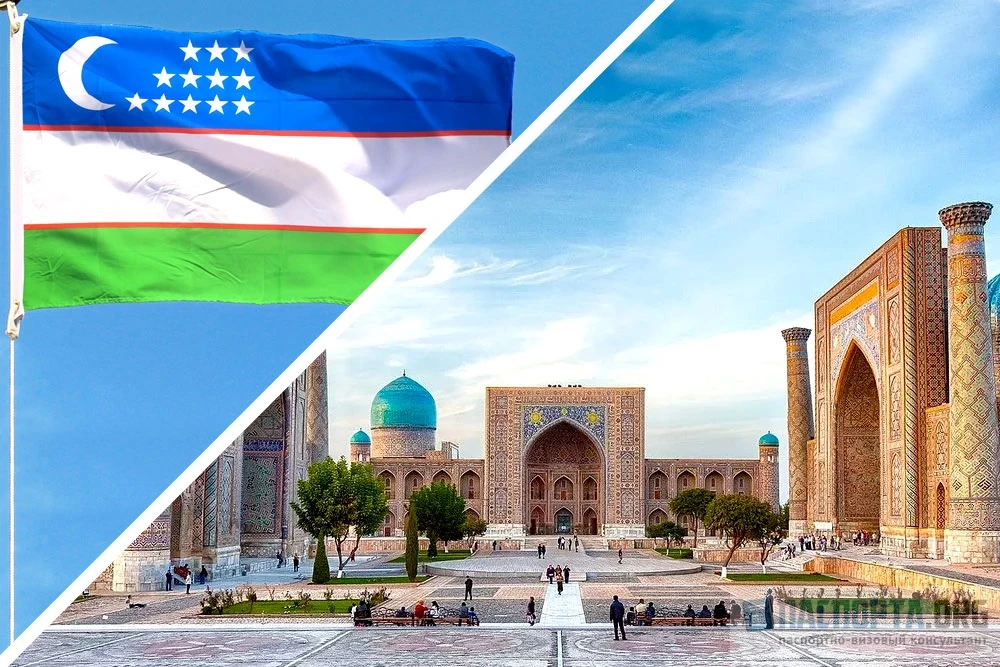
On January 17, Uzbekistan's Deputy Prime Minister Jamshid Khojaev announced the possibility of introducing "mirror" measures against Tajikistan. This statement was made during a meeting with business representatives and government members, where additional customs fees and the rising prices of Uzbek construction materials in the Tajik market were discussed. According to Khojaev, Uzbek producers are facing various barriers when exporting to Tajikistan, leading to a significant increase in the final cost of goods.
Illyas Rahimov, acting head of the Uzpromstroy Materials Association, added that since December 1, 2025, Tajikistan has imposed an additional fee of $450 per ton on ceramic tiles from Uzbekistan. The base customs value was set at $300. As a result of these measures, the cost of Uzbek supplies has significantly increased, effectively blocking exports.
Rahimov also reported that the Uzbek side had already approached the Tajik authorities requesting a review of these measures, but no decisions have been made in two months. In this regard, businesses are hoping for more active government intervention and the use of diplomatic channels.
In response to the situation, Deputy Prime Minister Khojaev instructed the relevant ministries and the Uzbek embassy in Dushanbe to expedite negotiations with the Tajik side. He noted that if the current practice continues, Uzbekistan may consider implementing retaliatory measures: "We can also take mirror steps," he emphasized.
Nevertheless, trade and economic relations between the two countries continue to develop. According to official information, for the 11 months of 2025, the trade turnover between Uzbekistan and Tajikistan amounted to $737.9 million, which is 17.7% more compared to the same period last year.
The negative trade balance of Tajikistan largely explains the tough stance of the authorities in trade disputes, including with Uzbekistan. With a total export volume of about $1.2-1.3 billion and imports exceeding $4 billion, the country faces a persistent deficit in foreign trade. In particular, in bilateral trade with Uzbekistan, the gap is especially large: Tajik exports amount to approximately $150 million, while imports exceed $600 million, creating a negative balance of about $450 million.
In such conditions, additional customs fees and the revision of base values may be viewed by Tajik authorities as means to protect the domestic market, support local producers, and attempt to reduce currency outflow, as well as tools for pressure in negotiations to equalize trade conditions and stimulate the export of Tajik products.