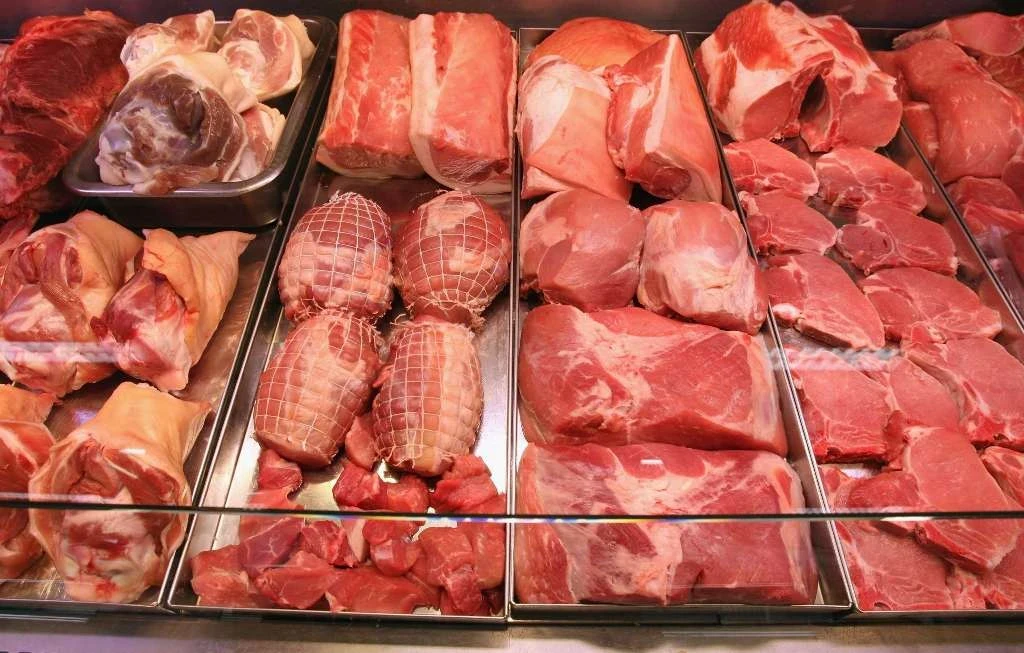
In a study published in The American Journal of Clinical Nutrition, scientists found that meat is an important source of amino acids that affect the signaling molecule mTOR, which plays a role in the aging process. While excluding meat from the diet may reduce the risk of cardiovascular diseases, complete absence of animal food can lead to brittle bones and an increased likelihood of fractures, which is especially dangerous for the elderly.
As part of the study, data from 5,203 participants over the age of 80 from a centralized medical database in China were analyzed. All participants were healthy and had no heart disease, diabetes, or cancer. 80% of them included meat in their diet, while the others followed a vegetarian diet, occasionally consuming animal products.
Additionally, the researchers assessed the body mass index of the participants. It turned out that among underweight vegetarians, only 24% lived to be 100 years old, while among meat-eaters this figure was nearly 30%. The likelihood of reaching such an age significantly increased for those who regularly consumed meat.
Scientists suggest that this positive effect is related to the fact that meat is a rich source of protein, which helps strengthen muscles and bones, which is particularly important for the elderly and those suffering from underweight.
Researchers recommend that older adults adhere to the principles of balanced nutrition, including a sufficient amount of whole grains, vegetables, and fruits in their diet. The authors of the study emphasize that both meat-based and vegetarian diets can be either beneficial or harmful depending on their nutritional value and individual health characteristics.