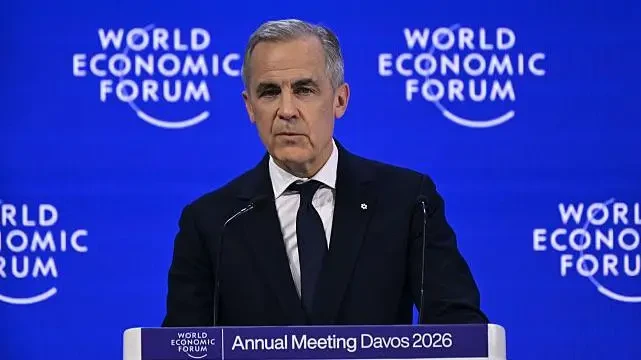
At the World Economic Forum in Davos, Mark Carney, the Prime Minister of Canada, stated that the world will not return to old orders and called on 'middle powers' to unite to protect their interests in the face of more powerful countries.
“Middle powers must act together, otherwise we will find ourselves on the sidelines,” Carney added on Tuesday, noting that strong countries resort to economic pressure to achieve their goals.
He also assured that Canada is ready to support Greenland, Denmark, and NATO, which drew applause from the audience.
The term “great powers” typically refers to countries with permanent seats on the UN Security Council, including China, France, Russia, the United Kingdom, and the United States. These countries possess significant economic and military potential.
Middle powers include countries such as Canada, Australia, Argentina, South Korea, and Brazil—nations that have considerable influence on global politics despite the more modest sizes of their economies.
Carney noted that the world is experiencing a “turning point,” rather than just a simple change of phases.
“Great powers have begun to use economic integration as a tool of pressure, tariffs as a lever of influence, and financial infrastructure and supply chains as vulnerabilities to manipulate,” he added.
Carney also mentioned that “Canada was the first to hear the alarming signals” that geographical location and historical allies no longer guarantee security and prosperity.
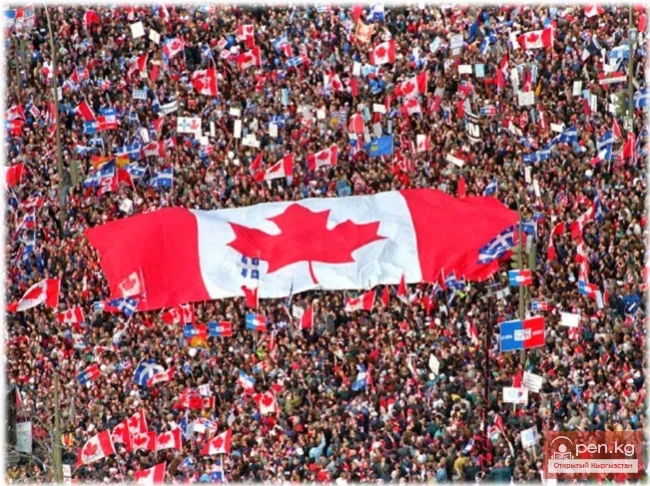
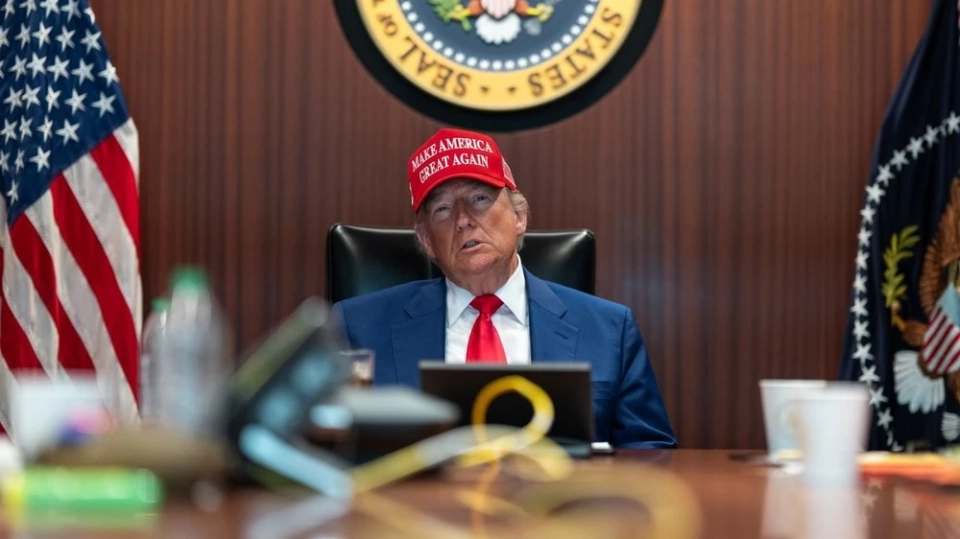
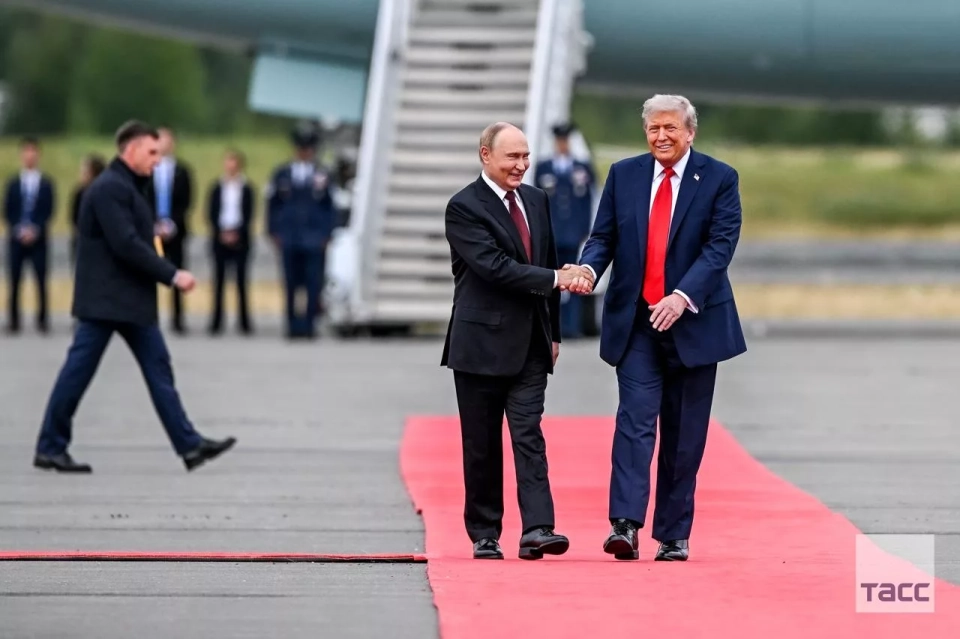
After Trump's return to power, the U.S. president has repeatedly referred to Canada as the “51st state” and threatened to merge the country with the U.S. using “economic power.” Washington imposed high tariffs on goods from Canada; however, Canada increased exports to other markets by 14%, which exceeds the losses from reduced supplies to the U.S. Shortly after this, Carney signed an ambitious trade agreement with China.
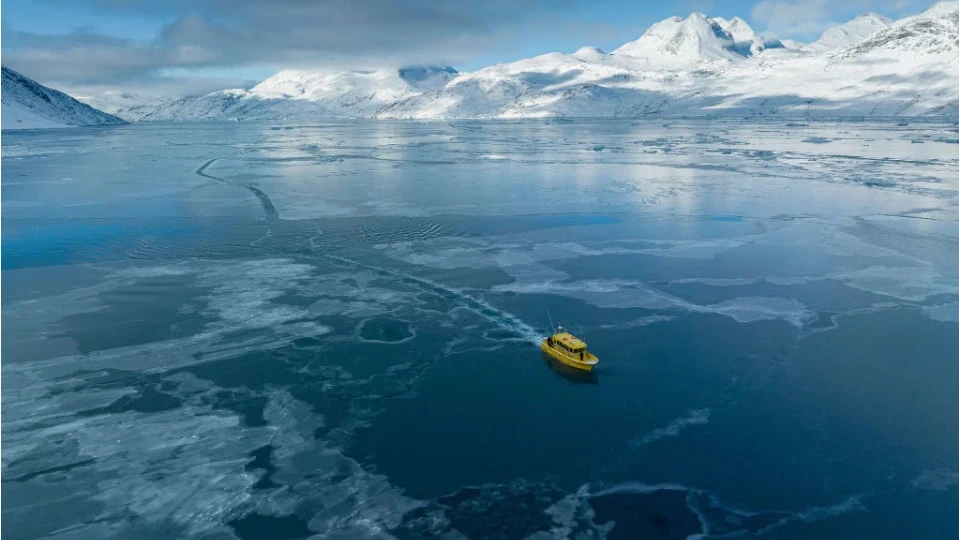
Recently, Trump included Canada in his plans to seize Greenland, posting a map on social media with an overlay of the American flag.
Carney noted that Canada, as a NATO member, fully supports Greenland, Denmark, and their right to determine Greenland's future.
“Our commitment to Article 5 remains firm,” the Prime Minister added, referring to the NATO treaty clause interpreted as the protection of all alliance members in the event of an attack on one of them.
This week, Canadian media reported that Canada is considering sending a small contingent of troops to Greenland to participate in exercises alongside Danish and other European forces.
Commenting on this in Davos, Canada’s Foreign Minister Anita Anand noted: “We regularly participate in NATO exercises and exercises conducted by the Canadian Armed Forces.” She added that decisions on troop deployments are made by the Minister of National Defence and the Chief of Defence Staff.
The BBC has sought comments from Canada’s Ministry of National Defence.
In his speech, Carney also stated that to adapt to the changing geopolitical situation, Canada is focusing on engaging with other states and forming “diverse coalitions on various issues based on shared values and interests.”
The Prime Minister characterized Canada as a “reliable and stable” partner and highlighted recent trade and investment agreements with China and Qatar, as well as a defense procurement agreement signed with the EU at the beginning of the previous year.
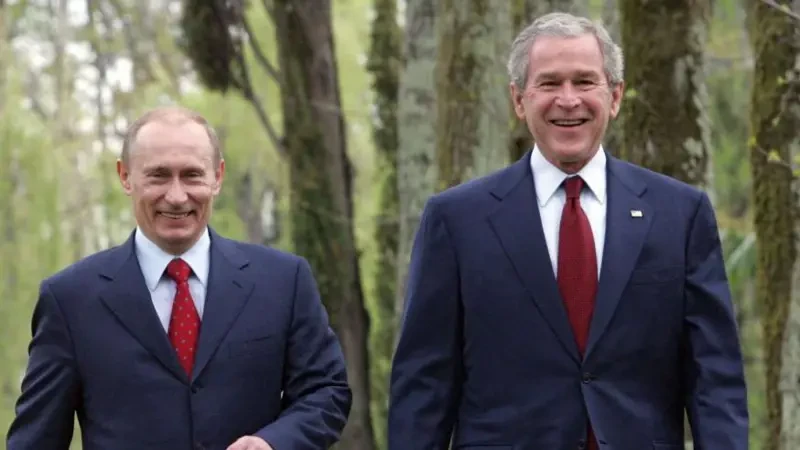
Although Carney did not mention Donald Trump by name, some of his remarks may have been directed at the U.S. president, who has scheduled his speech at the World Economic Forum for Wednesday.