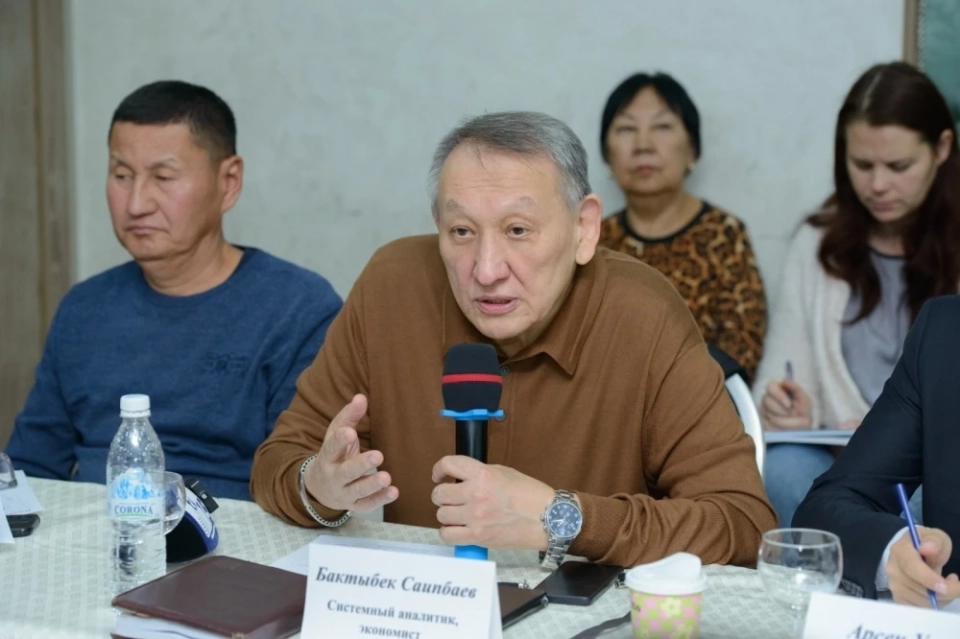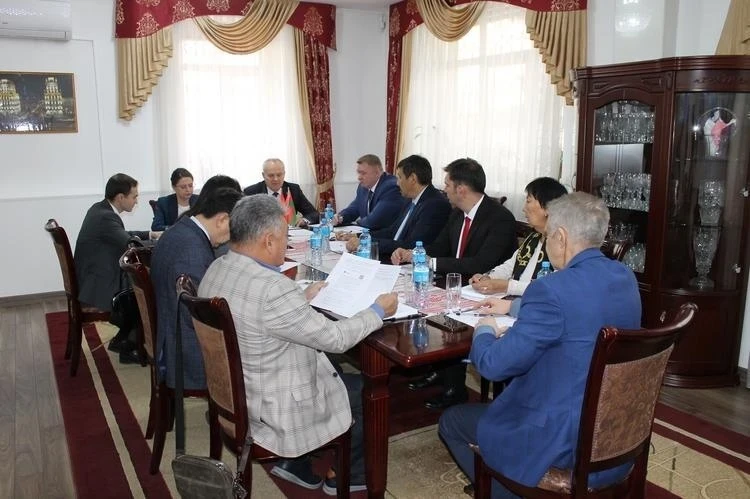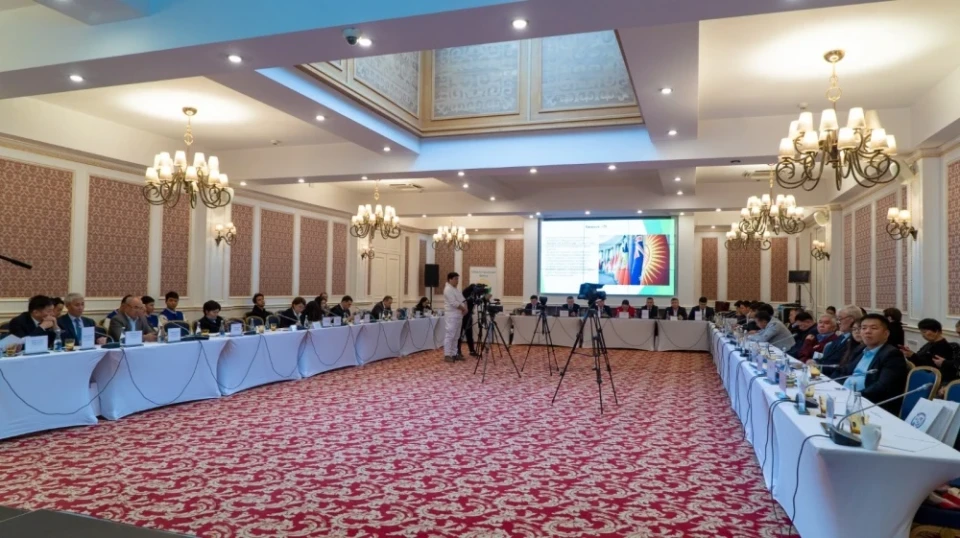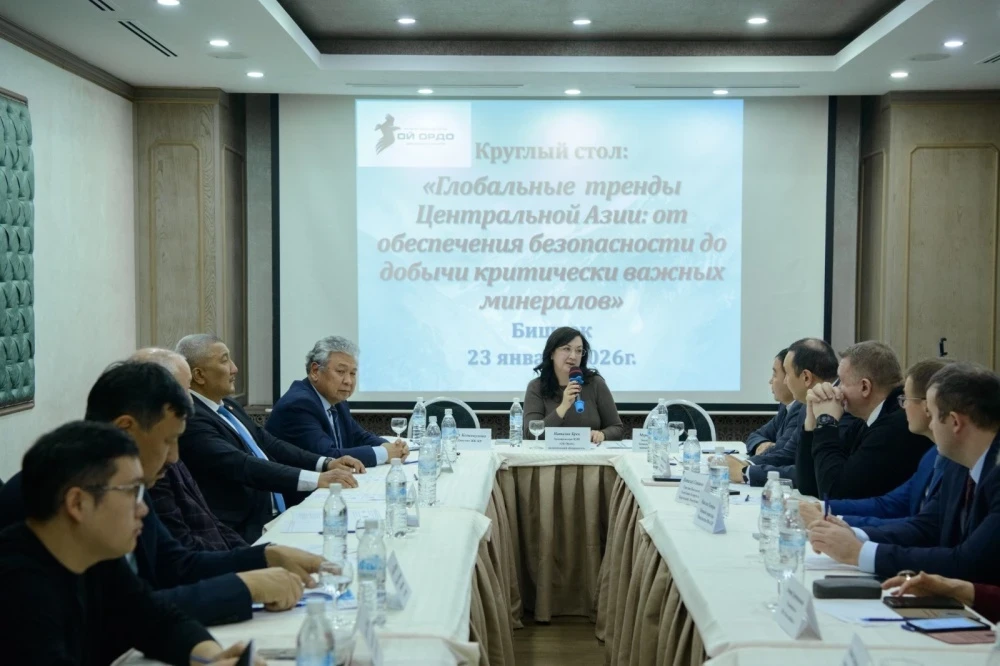
At a round table titled "Global Trends in Central Asia: From Security Provision to the Extraction of Critical Minerals," participants discussed the economic prospects of the region amid growing geopolitical tensions and competition in the non-renewable resources market. This event was organized by the Economic Research Center "Oi Ordo" in collaboration with the Council for Sustainable Development in the Context of Climate Change under the Speaker of the Jogorku Kenesh of the Kyrgyz Republic.
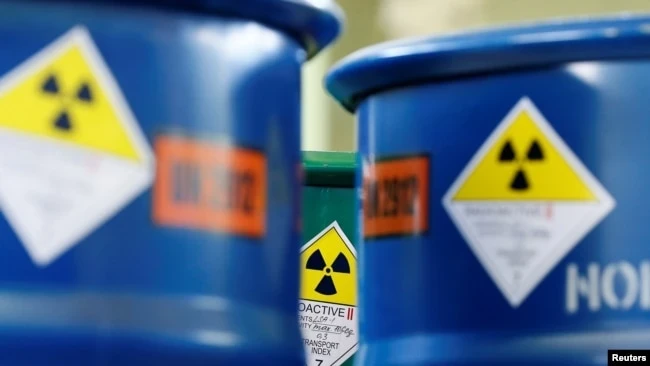
Deputy Director of the Economic Research Center "Oi Ordo," Natalia Krek, noted that the current year has brought unexpected geopolitical events, such as the situations in Venezuela, statements by Donald Trump, and subsequent actions by the European Union regarding Greenland. These factors indicate a deepening global struggle for resources, which will undoubtedly affect Central Asia, rich in uranium, thorium, and other critical minerals.
Krek drew attention to a report prepared by the rating agency S&P Global Platts, which assesses prices for energy carriers and raw materials. The document, released in November 2025, states that in the near future, the USA will continue to finance exploration and mining of minerals in Central Asia; however, establishing sustainable business partnerships may pose a significant challenge for American companies.
According to the report, logistical complexities in the region dominated by Russia and China may hinder the activities of American companies. The leadership of Central Asian countries, seeking to avoid conflict with Moscow and Beijing, will act cautiously. Many projects announced in Washington will require significant time for implementation, and their success will depend on stable foreign funding and reliable infrastructure, which may prove difficult to achieve.
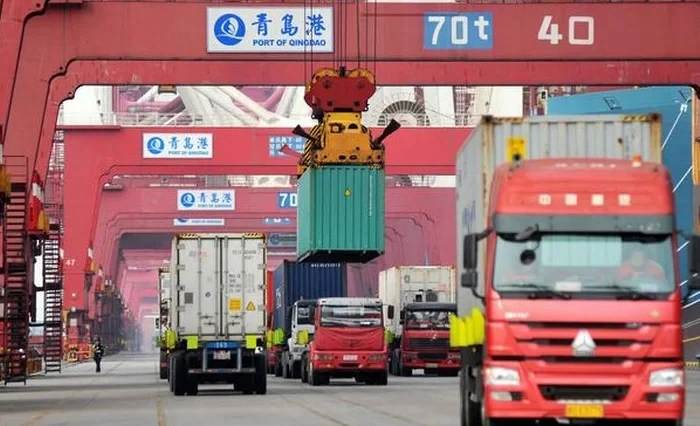
Moreover, the extraction of critical minerals requires high energy costs, and the chronic electricity shortage in the southern region, where hydropower is predominant, may worsen due to reduced river flow. The lowering of the Caspian Sea level will also reduce the capacity of ports, and significant funding will be required for their modernization.
Analysts emphasize that these constraints are exacerbated by the rise of autocracy in the region, which could lead to economic crises and social unrest driven from outside. With the end of the conflict in Ukraine, Russia may return to active participation in the economic affairs of Central Asia, which could undermine the positions of the USA.
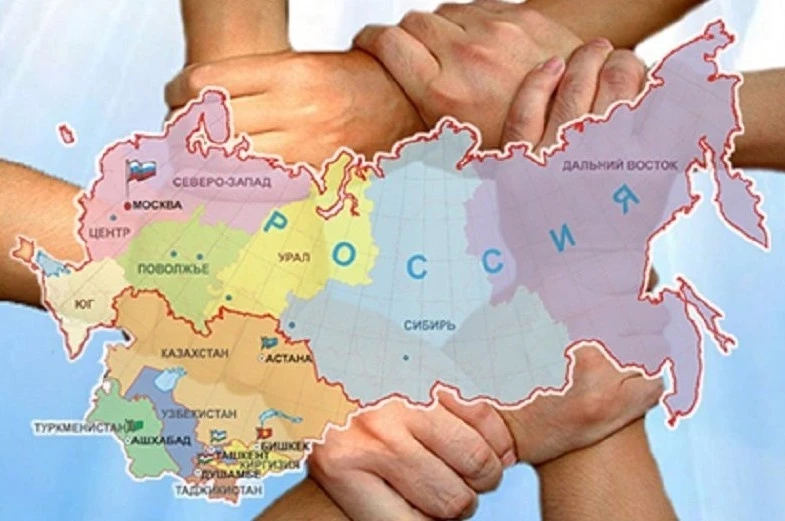
According to experts, Washington aims to create a competitive environment between Kazakhstan and Uzbekistan, which may reduce cooperation within the region and slow down the formation of a unified economic bloc. It is important for Central Asian countries to approach investment cooperation wisely to avoid falling into a geopolitical trap and to preserve the sovereignty of their resources.
Former Deputy Minister of Foreign Affairs of the Kyrgyz Republic, Avazbek Atakhanov, added that the issue of critical mineral resources is not new, as they were referred to as rare earth metals during the Soviet era. In the context of scientific and technological progress and the transition to green technologies, interest in critical minerals has increased; however, competition in this area has always existed. Atakhanov also noted that Kazakhstan holds a leading position in the world in uranium production and export, and that Kyrgyzstan should pay attention to its reserves.
Duyshenbek Kamchibekov, Chairman of the Association of Geologists and Miners of the Kyrgyz Republic, emphasized that Kyrgyzstan has all the necessary minerals, but many of them are at the stage of forecast assessments. He stressed that a systematic approach is needed for the development of the mining sector and that Kyrgyzstan should pay attention to thorium.
According to Kamchibekov, effective resource utilization requires a revision of mining legislation to align it with national interests and attract investors. He cited "Kumtor" as a successful case of nationalization that allows the country to receive a larger share of profits; however, gold production at this deposit is declining due to a lack of qualified personnel.
Gulya Kozhokulova, a member of the Jogorku Kenesh, noted that issues related to critical minerals play an important role in the international agenda, and that the lessons from "Kumtor" are useful for all countries in the region. She emphasized the need to create an attractive investment climate and develop a strategic program for the rational use of Kyrgyzstan's resources.
Kozhokulova also highlighted the necessity of training local specialists to work with high technologies, rather than relying on foreign workers. She called for the establishment of a state program that would ensure personnel training and protect the state's interests in the mining sector to avoid repeating the mistakes associated with "Kumtor."
Furthermore, it is necessary to consider environmental aspects, and Kozhokulova called for a deeper approach to addressing environmental issues in the region. She also noted that the Jogorku Kenesh needs professional initiatives to develop legislation in various sectors, which could help address pressing problems arising in the mining sector.
The proposal to hold an off-site meeting of the industry committee with the participation of experts was also voiced, to discuss the raised issues and hear the opinions of professionals, which, according to Kozhokulova, is necessary for more effective problem-solving in the industry.