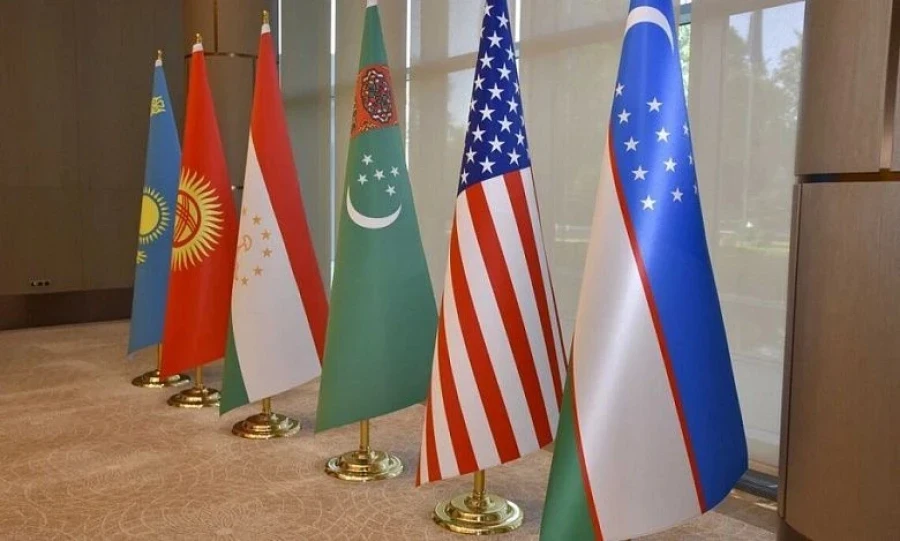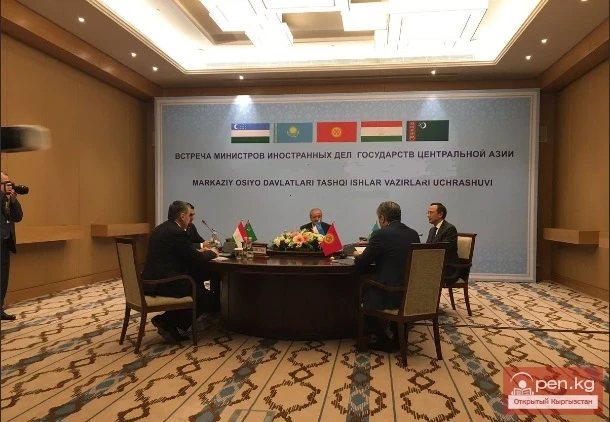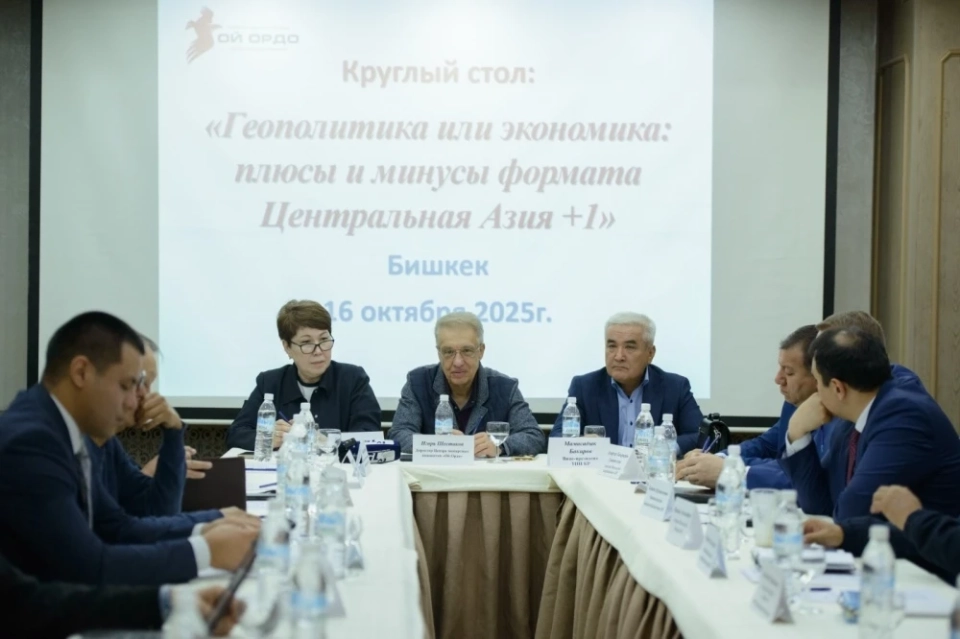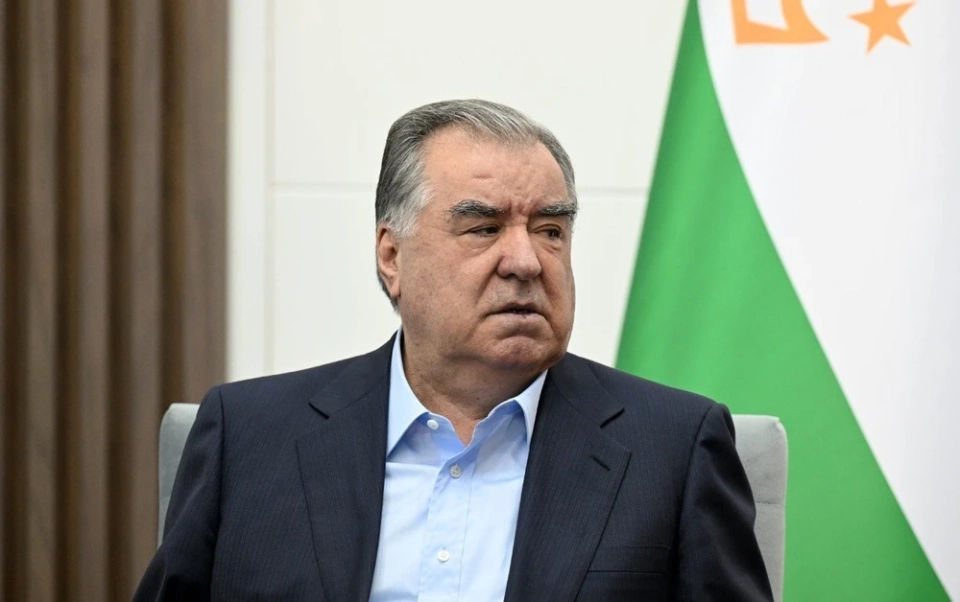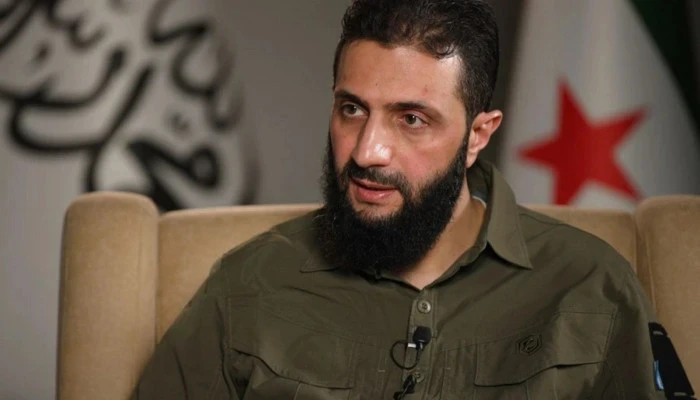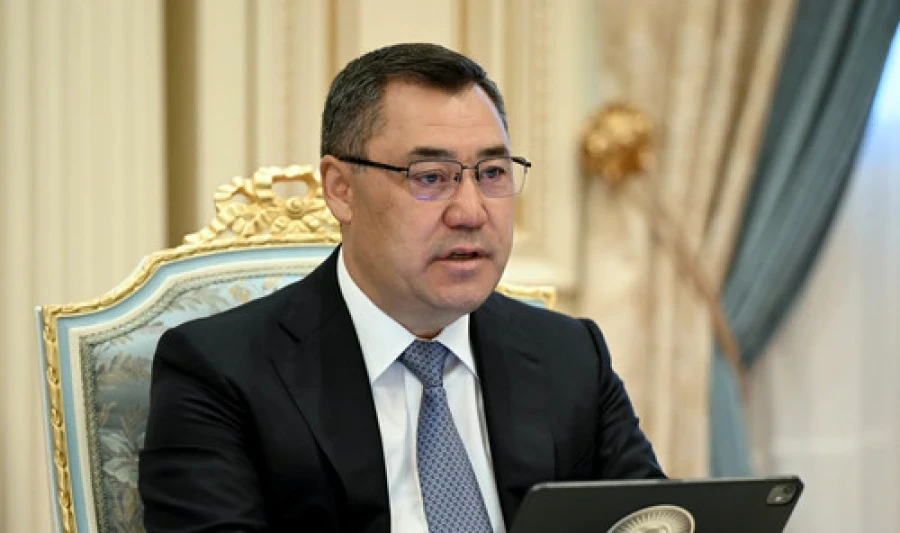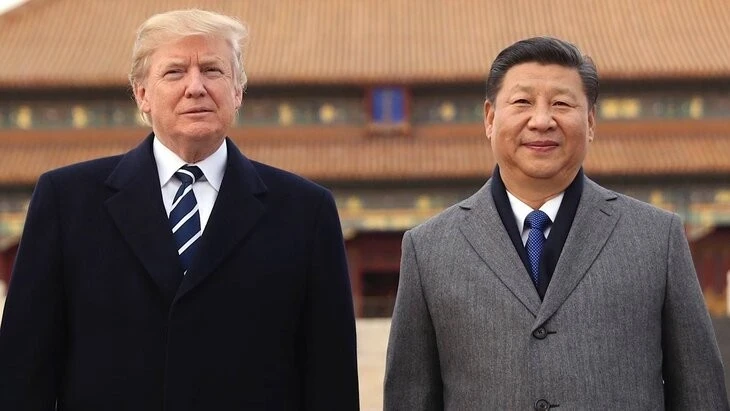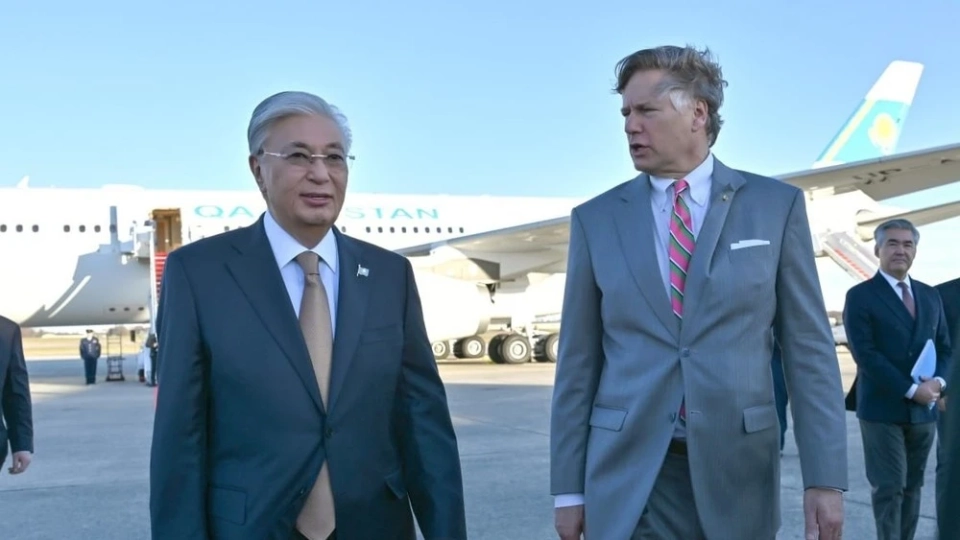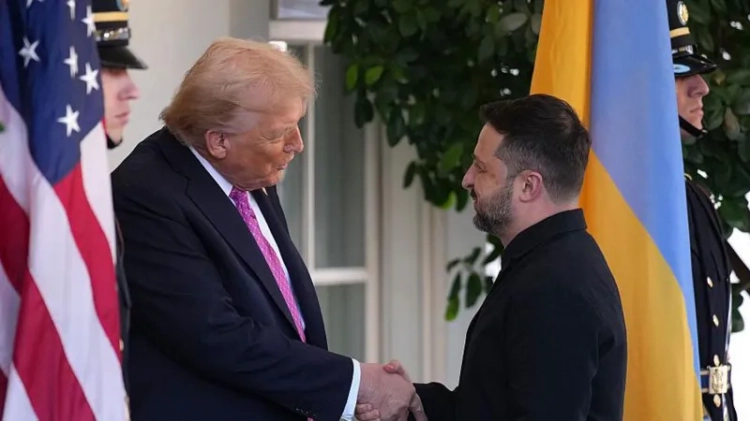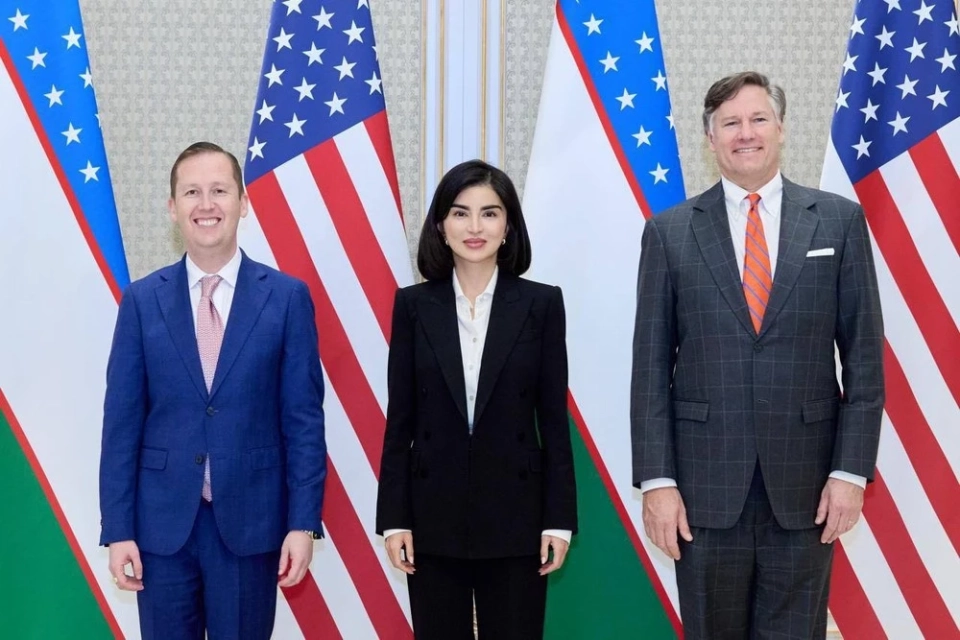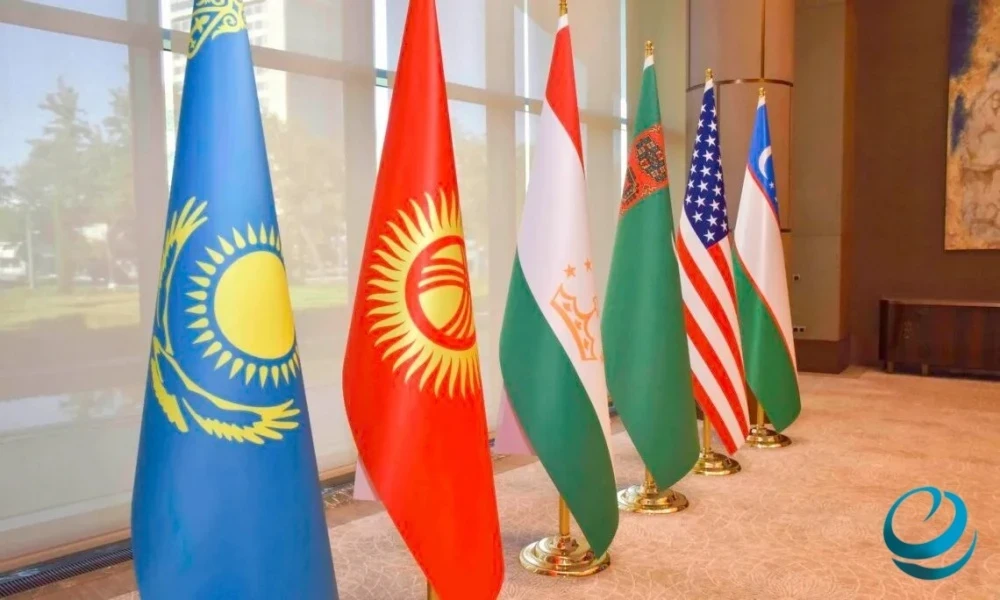
On November 6, 2025, a meeting of the presidents of five Central Asian countries with Donald Trump will take place in Washington as part of the C5+1 summit. This format, initiated by the Obama administration in 2015, celebrates its tenth anniversary.
This will be the second time that presidents gather at the summit, following the meeting with Joe Biden in 2023 during the UN General Assembly.
It is important to note that this meeting may be the first time all five leaders of Central Asia meet with the American president in the capital of the United States.
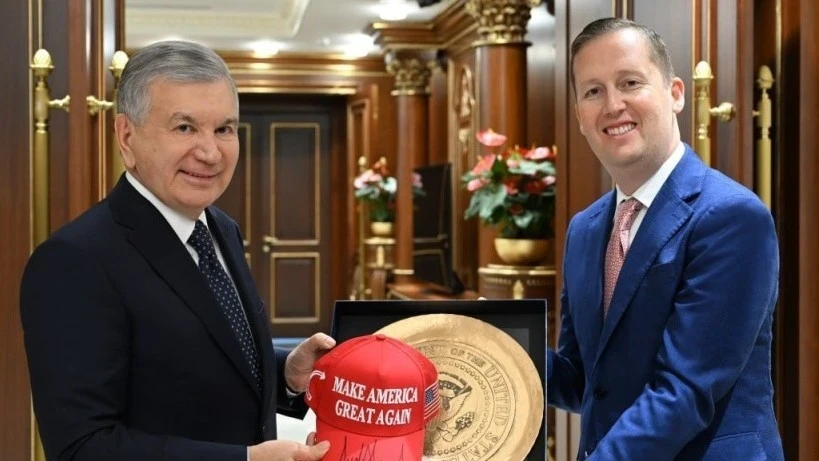
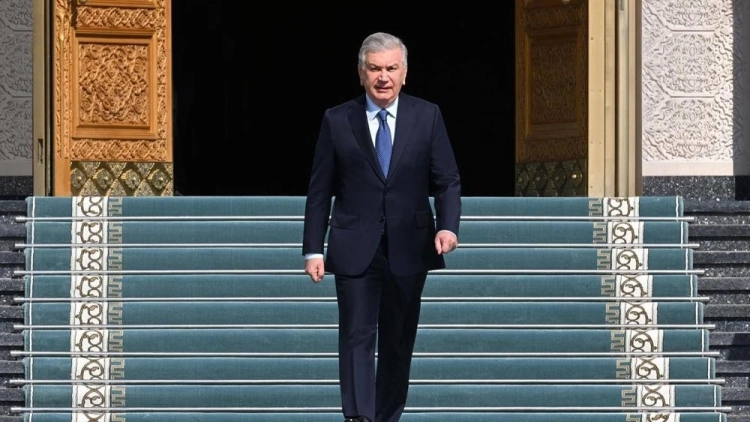
It should be emphasized that high-level visits by Central Asian leaders to Washington are extremely rare: to date, only the President of Uzbekistan, Shavkat Mirziyoyev, was received at the White House in 2018 and also met with Trump in New York in September 2025 on the sidelines of the UN General Assembly.
Experts point out that in recent years, the U.S. has paid particular attention to mineral resources in Central Asia, seeking access to reserves of rare and strategic minerals to reduce its dependence on China, which holds a dominant position in global supply chains.
According to Uzbek expert Kamoliddin Rabbimov, the absence of visits by U.S. presidents to Central Asia over 34 years of independence indicates shortcomings in American diplomacy.
Expected Topics and Indicators of Success
The agenda of the summit may include the following key topics:
Supply chains and critical minerals;
Development of transport and energy infrastructure, including trans-regional projects;
Climate change, water supply issues, and environmental security;
Joining sanctions against Russia;
Cooperation in security and defense with an emphasis on countering Russia and China.
The success of the summit will be determined by specific financial commitments, the establishment of working groups, clear project implementation timelines, and agreed monitoring mechanisms.
Economic Interests and Rare Earth Resources
Since Trump took office, the U.S. emphasis on access to mineral resources in Central Asia, including rare earth metals, has become more pronounced, aimed at reducing dependence on China.
The countries in the region hope for investments in exploration, extraction, and processing of these resources; however, the issuance of export licenses is still blocked by the U.S. Department of Commerce.
Washington intends to use economic incentives as a means of pressure to ensure that Central Asian countries comply with anti-Russian sanctions.
Kazakhstan and Uzbekistan are actively working to improve the U.S. export control system to expedite the acquisition of technologies in key sectors of the economy.
Kazakhstan expects the repeal of the Jackson-Vanik amendment and the attainment of "most favored nation" status, which would be a significant success for the country.
This amendment restricts the provision of most favored nation status to countries that the U.S. believes violate human rights.
The new Trump administration views the preservation of the amendment as a relic of the Cold War.
Secretary of State Marco Rubio previously noted that this amendment is no longer relevant, but U.S. authorities have yet to act on its repeal.
According to U.S. Congressional data, the Jackson-Vanik amendment applies not only to Uzbekistan but also to Azerbaijan, Kazakhstan, Tajikistan, and Turkmenistan, while Kyrgyzstan was removed from this list in 2000.
Political Risks: Pressure and Interference
The C5+1 format will serve not only as an economic but also as a political platform. Historically, it has been characterized by its declarative nature and lack of concrete results.
On the other hand, the status of "close partners" or "allies" of the U.S. does not guarantee protection from internal and external crises, and in most cases even exacerbates the situation.
Analysts note that the U.S. and the UK actively interfere in the internal affairs of their partners, controlling the political agenda and public opinion.
For example, the UK's interference in the 2023 elections in Slovakia through PR agencies demonstrates how such actions can influence election outcomes, raising questions about what might happen in Central Asia.
The U.S. previously supported NGOs in Georgia, leading to the "Rose Revolution" and the rise of Mikheil Saakashvili, with similar events occurring in Ukraine.
Central Asia could become a target for similar attempts at influence, especially regarding compliance with sanctions against Russia, experts warn.
In several countries in the region, such as Kyrgyzstan, measures are already being taken against the interference of Western NGOs in politics.
Moreover, Western countries, led by the U.S., exert economic pressure through sanctions that negatively affect Central Asia, as they trade with Russia.
In recent years, EU representatives have actively visited Central Asia, emphasizing the need to comply with Western sanctions against Russia. The EU Special Envoy David O’Sullivan visited the region three times in 2023, discussing compliance with sanctions with local authorities.
The West offers Central Asian countries to abandon trade with Russia in exchange for support, but in reality, this is more akin to economic blackmail.
Frequent visits by representatives of influential clans, such as the Rothschilds, highlight Britain's efforts to strengthen its influence in the region, while the main interests lie in mineral resources and logistics projects.
Although the Rothschilds actively visit Central Asia, their specific investments in Kyrgyzstan have not yet been recorded.
In Kazakhstan, their influence is more noticeable, for example, through investments in "KazMunayGas".
In Uzbekistan, they control the banking sector and have been involved in the privatization of "Uzbekneftegaz".
In October 2023, the foreign ministers of Central Asian countries were invited to a meeting in Luxembourg, where sanctions against Russia and the importance of complying with EU sanctions regimes were discussed.
In early 2025, the 16th package of anti-Russian sanctions was published, which included not only Russian companies but also firms from Kazakhstan and Uzbekistan.
Statements about sanctions emphasize that companies have been involved in circumventing trade restrictions for the Russian military industry.
Among the latest threats from the EU is the possibility of secondary sanctions against countries helping Russia evade restrictions.
Currently, banks and companies from Central Asia, including branches of Russian banks, are under sanctions.
The Ministry of Foreign Affairs of Kyrgyzstan called the sanctions pressure and proposed conducting an independent audit of the facts on which these decisions are based.
The sanctions have also affected Tajik banks, which could negatively impact the country's financial system.
Uzbekistan has also fallen under sanctions, increasing pressure on its economy.
Thus, while the West speaks of democracy and accountability, the methods it employs resemble economic blackmail, which could undermine the reputation of countries striving to maintain a balance between the West and the East.
The C5+1 format, originally conceived as a platform for cooperation, is gradually turning into a tool of diplomatic pressure, which may lead to a stronger desire for independence in Central Asia.
Water Issues as a Strategic Tool
Water supply issues may become an important point of discussion at the C5+1 summit. Kazakhstan will insist on active U.S. participation in addressing the problem of declining water levels in the Caspian Sea.
For the U.S., this also has strategic significance, as the shallowing of the Caspian threatens the transport projects they support.
Water security is becoming not only an ecological but also a strategic factor, and the U.S. may use projects in the Caspian to influence Central Asia.
In essence, water resource management is becoming a tool of geopolitical influence, highlighting Washington's ambitions in this region.
Funding for the Kosh-Tepa canal through USAID is part of a broader U.S. strategy in Central Asia.
As noted by an Uzbek expert, "Kosh-Tepa" represents not just a canal but a tool of geopolitical struggle that could threaten the region's water security.
External players should avoid pursuing their geopolitical interests and instead support projects that promote regional integration.
Without adequate measures, water issues could lead to conflicts and undermine stability in the region, as a Kyrgyz expert points out.
Thus, discussing water issues at the C5+1 summit could become an important tool for both demonstrating partnership and enhancing control over the region.
Geopolitical Balance: China and Russia
The summit takes place against the backdrop of competition among major powers. China continues to expand its influence through infrastructure projects, while Russia maintains its positions in security and energy.
Central Asian countries seek to find a balance between the interests of the U.S., China, and Russia, preserving their strategic autonomy. It is important for them not only to attract investments but also to avoid deteriorating relations with their neighbors.
The situation requires the countries in the region to engage in delicate diplomatic maneuvering.
For the U.S., containing the influence of Russia and China in this region is a strategic task, and maintaining dialogue with Central Asia is extremely important.
The "Belt and Road Initiative" raises serious concerns in Washington, which views Central Asia as an important element in its confrontation with China.
Thus, Washington builds relationships with Central Asia not as an equal partner but rather as a field for containing competitors.
Conclusion
The upcoming C5+1 summit will be an important indicator for relations between Central Asia and the U.S. The region will gain opportunities for investment and technological support but will face pressure on sanctions and political agendas.
Experts recommend that Central Asian countries use this meeting to diversify ties and create long-term partnerships while maintaining their strategic autonomy.
The success of the summit will depend not only on declared intentions but also on the ability of regional countries to defend their interests and avoid external pressure.
Author: Aziz Pirimkulov
Source: eurasiatoday.ru