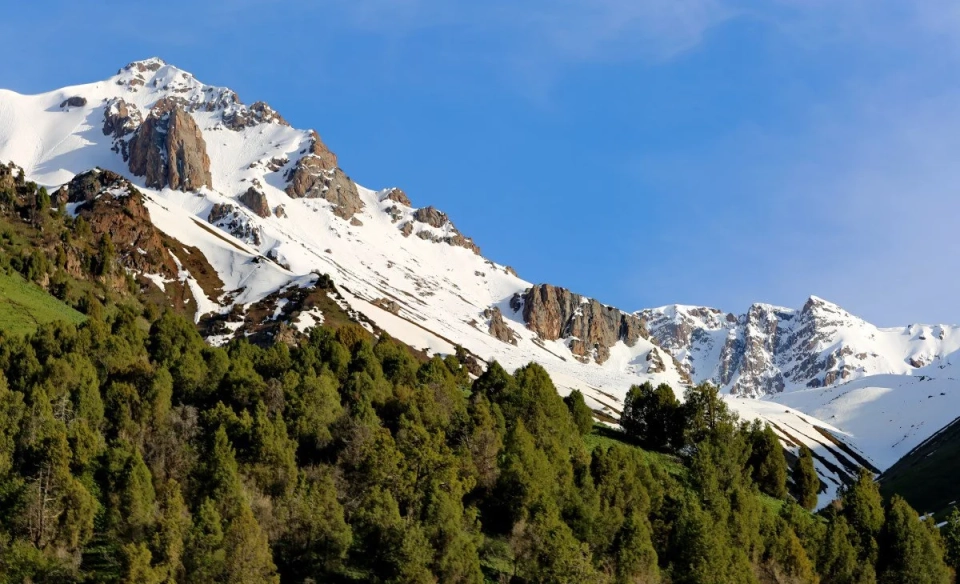
In Kyrgyzstan, issues of water security, the resilience of mountain ecosystems, and climate change are closely interconnected, creating a complex set of challenges that impact runoff formation, biodiversity, food security, the energy sector, and the overall well-being of the population.
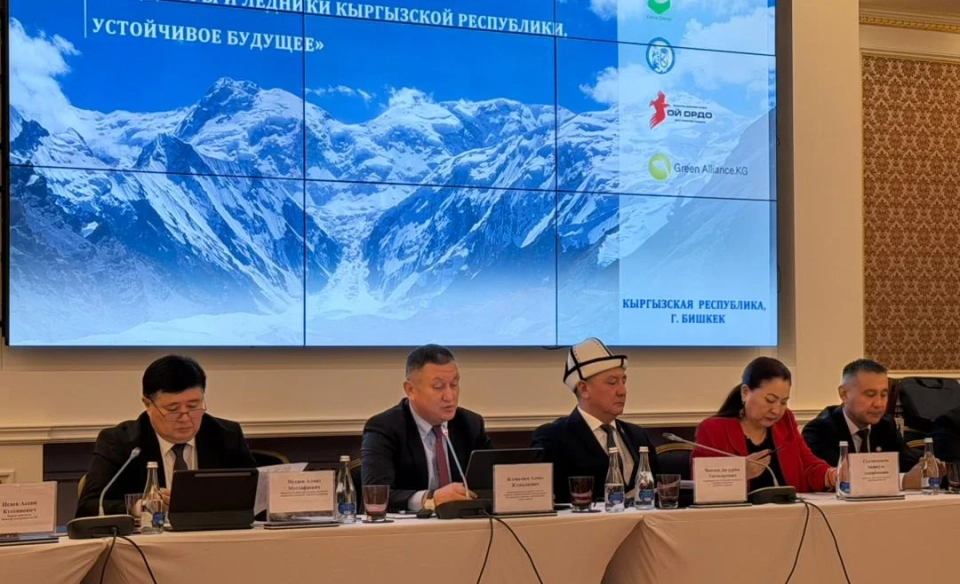
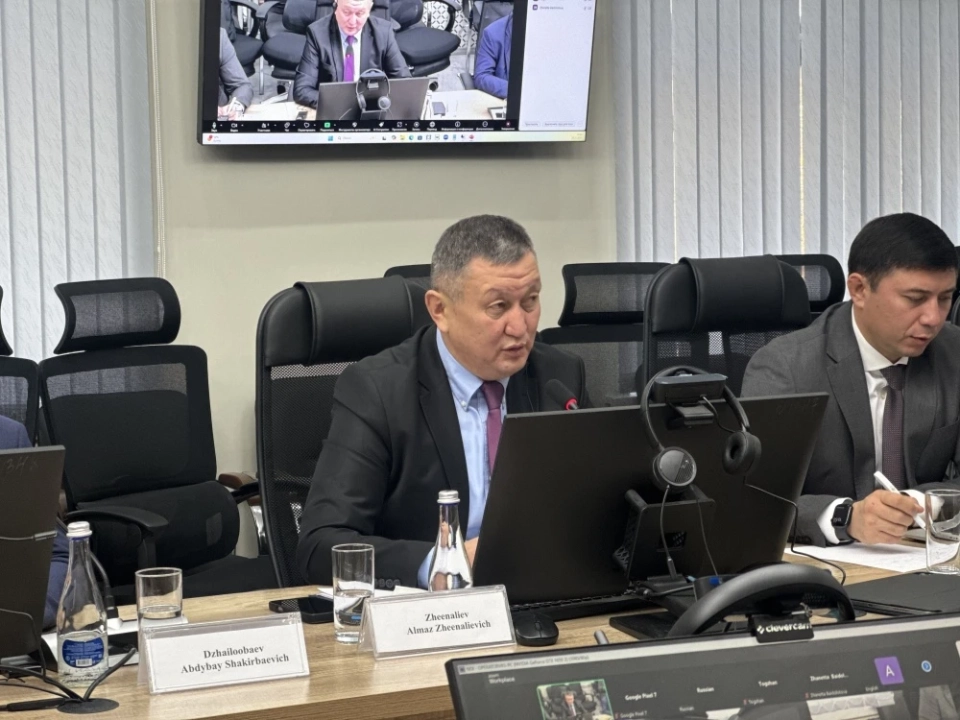
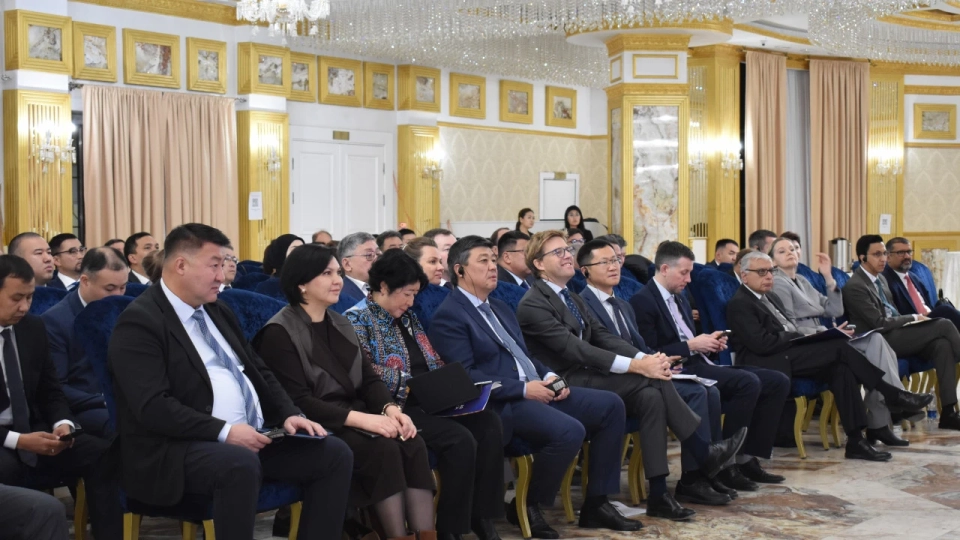
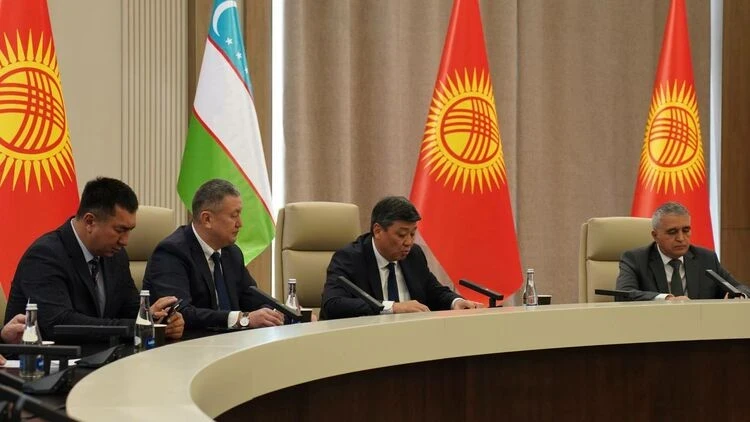
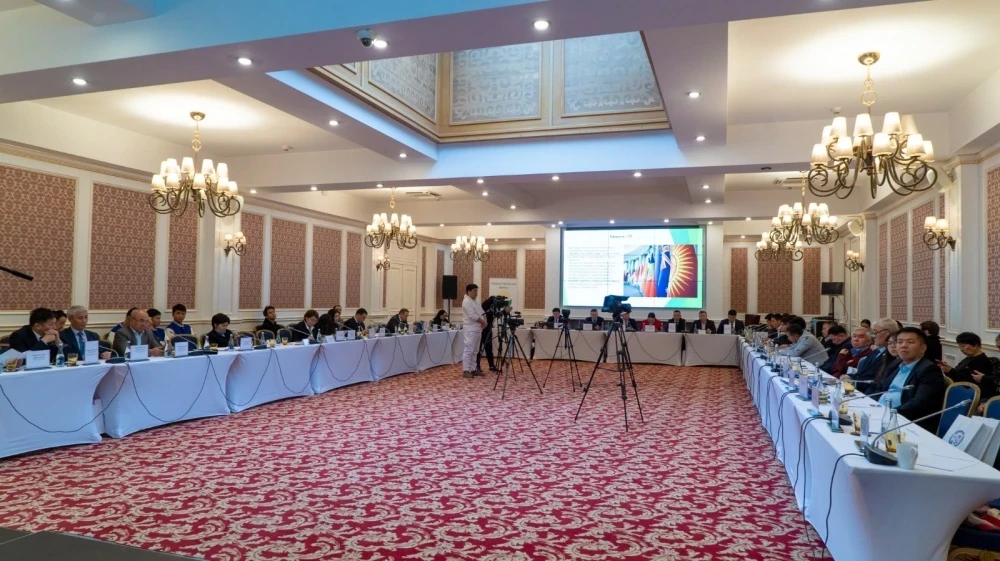
Given the importance of ensuring water and energy security, a conference titled "Water, Mountains, and Glaciers of the Kyrgyz Republic. Sustainable Future" was held in Bishkek. The event was organized by institutions such as the J. Balasagyn Kyrgyz National University, the Green Energy Public Foundation, the OY "Oiy Ordo" Center for Environmental Initiatives, and the Public Association "Green Alliance of Kyrgyzstan." The main goal of the conference was to promote Kyrgyzstan as a key mountain country in the region and a supplier of fresh water, as well as to create a platform for regional dialogue on water and climate issues.
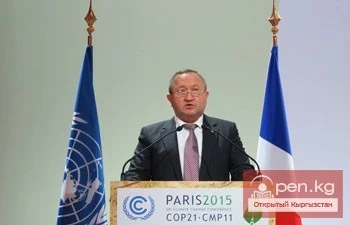
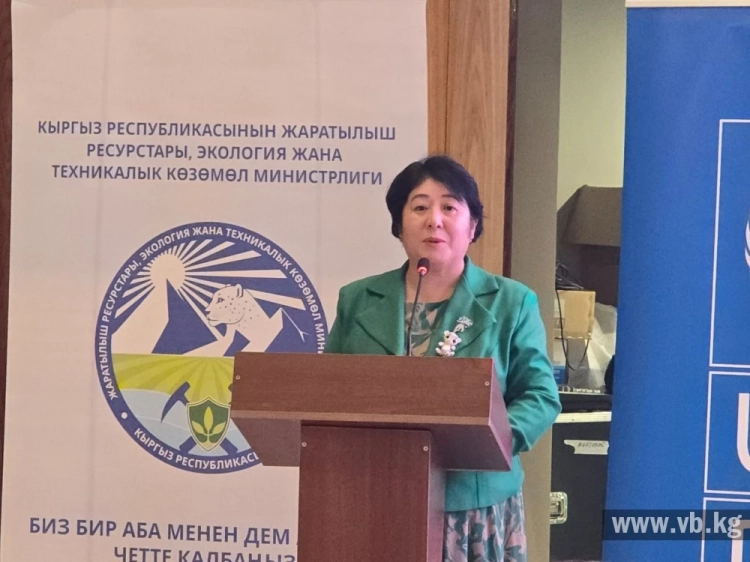
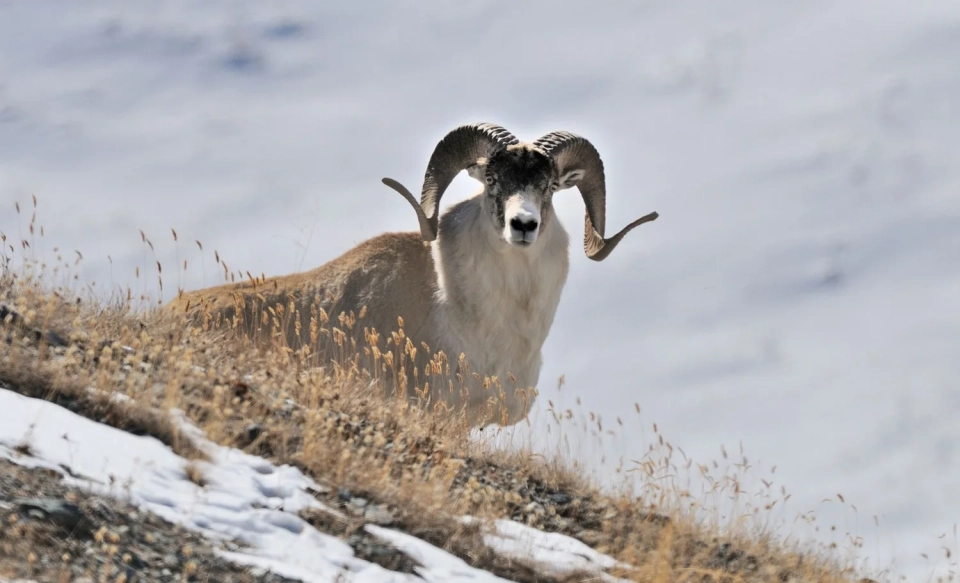
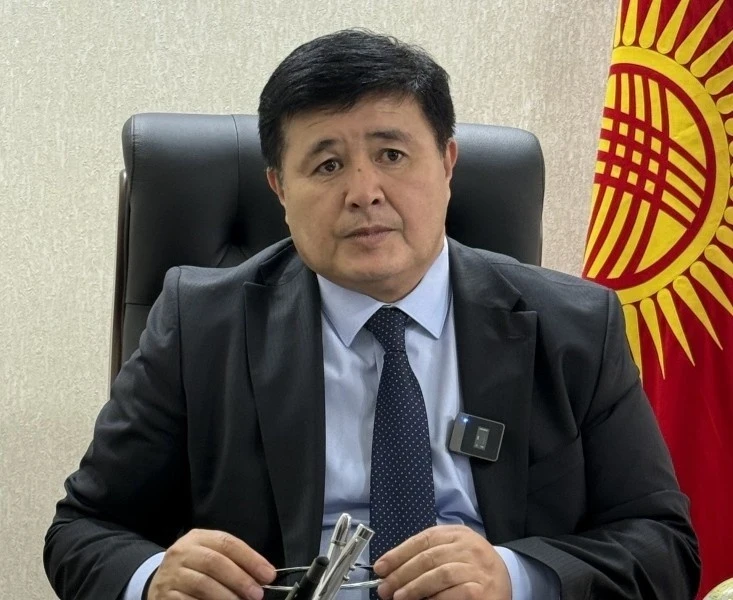
Almaz Musaev, Deputy Minister of Natural Resources, Ecology, and Technical Supervision of the Kyrgyz Republic, emphasized that Kyrgyzstan is a landlocked mountain country. The area of the republic is 199,900 square kilometers, which is only 0.13% of the total land area of the planet. Kyrgyzstan is also among the 200 priority ecological regions of the world, where about 2% of global flora and 3% of fauna can be found.
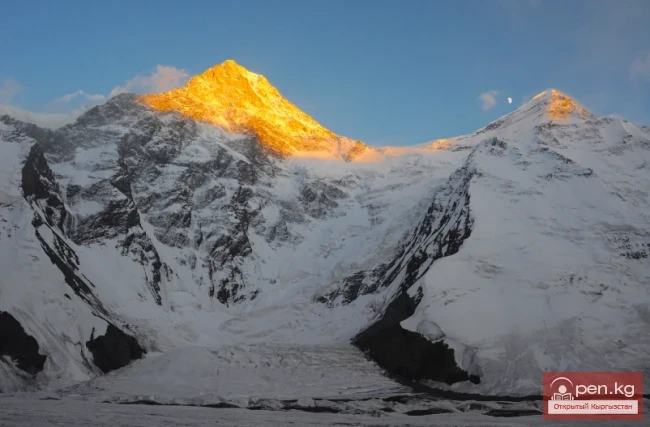
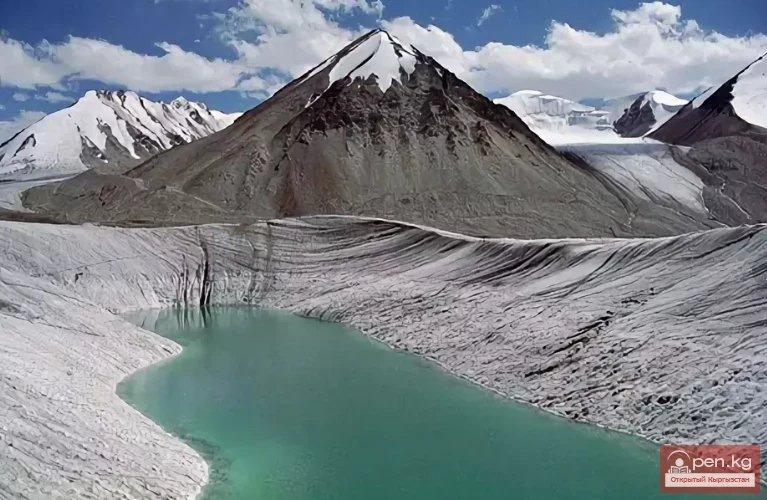
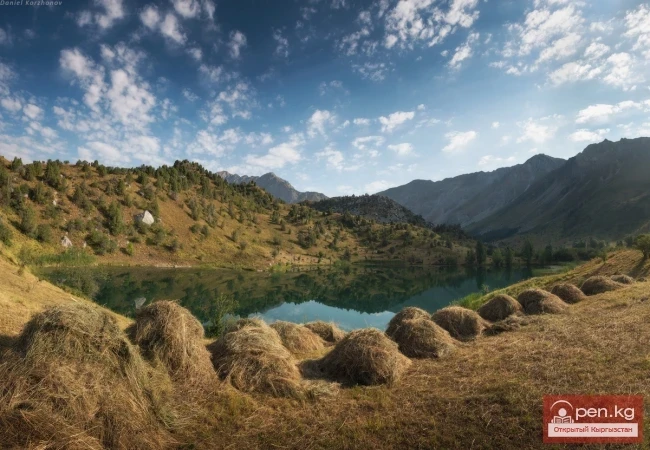
According to Musaev, mountain ecosystems play a crucial role in forming unique climatic conditions and provide habitats for rare species, as well as contribute to vertical zonation from desert steppes to alpine meadows and nival zones. The republic's glaciers are important reservoirs of fresh water, providing drinking water, irrigation, and the operation of hydroelectric power stations. In 2024, glaciers and snowfields are planned to be included in the list of specially protected natural areas protected by law.
He also noted that on March 1, 2022, a decree of the Cabinet of Ministers of the Kyrgyz Republic was approved regarding the Roadmap for the protection of mountain ecosystems and climate resilience, and a national campaign called "Green Legacy" was launched. In 2023, a new decree was adopted aimed at successfully conducting this campaign, focusing on ensuring environmental safety, improving the environment, and forest conservation.
Kyrgyzstan has also initiated the global summit "Bishkek+25" in 2027, which is expected to be an important milestone in the international agenda concerning mountain regions. As Musaev noted, the goal of the summit is to discuss key challenges such as glacier melting, climate change, and biodiversity loss, which will allow for the development of new international solutions and strengthen cooperation among mountain countries at the UN level.
Professor and Doctor of Economic Sciences Guras Zhapаров emphasized the need to analyze the economic assessment of water resources in Central Asia. He noted that different approaches to assessing the value of water resource use require careful consideration. Experts agree that water is a natural resource and should have its price, which is supported by practices in several countries.
Zhapаров also pointed to numerous examples of successful transboundary cooperation in the field of water resources; however, he noted that some issues remain unresolved. He referred to the opinion of Chinese expert Liu Qing, who believes that effective distribution of water resources requires the implementation of market mechanisms, creating a water market based on a system of water use rights.
In analyzing the water codes of countries such as Kazakhstan and Uzbekistan, Zhapаров noted that for consumers, water has a cost, but in the case of transboundary rivers, it is viewed as a "gift from God." The expert emphasizes that addressing water-energy cooperation issues in Central Asia requires taking current realities into account.
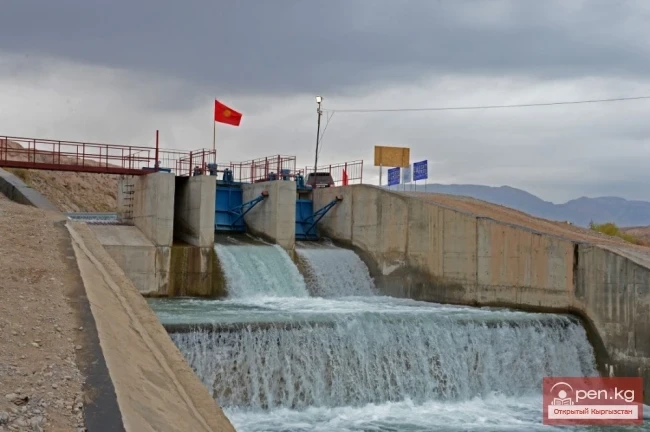
Key points include the operation of the Toktogul reservoir in energy mode, the need to accumulate water resources during the growing season, and the impact of climate changes. Zhapаров emphasized that the growing electricity consumption in the region and the lack of a unified electricity market exacerbate the problem of shortages.
The economic analysis showed that at current electricity prices in Central Asia, the volume of runoff regulation of the Toktogul reservoir can be estimated at $32.5 million. This will help conserve water resources while also considering the introduction of the term "interstate water reserve" to charge for water supply services.
Since 2010, there has been an increase in electricity consumption and prolonged periods of low water flow, which negatively affects the water level in the reservoir. In 2014, Kyrgyzstan became a net importer of electricity, highlighting the need to differentiate between countries regulating river runoff, transit countries, and consumer countries.
Zhapаров also pointed to the need to address issues with participants in water-energy cooperation, including the coordination of compensation issues and joint conservation of reservoirs. It is important to continue dialogue within the framework of Central Asian cooperation and develop specific economic mechanisms.
The rector of J. Balasagyn Kyrgyz National University, Doctor of Geographical Sciences, Professor Dogdurбек Chontoев, in turn, noted that the absence of economic principles in water use is a serious problem for Kyrgyzstan and all of Central Asia. Introducing a fee for water supply for internal users does not take into account the market mechanism, leading to uncompensated costs for maintaining interstate reservoirs.
Chontoев also emphasized that old water-regulating facilities are in a dangerous state and may threaten not only Kyrgyzstan but also neighboring countries such as Uzbekistan and Kazakhstan. He called for joint efforts to ensure the reliable operation of interstate hydraulic structures and guaranteed water supply.