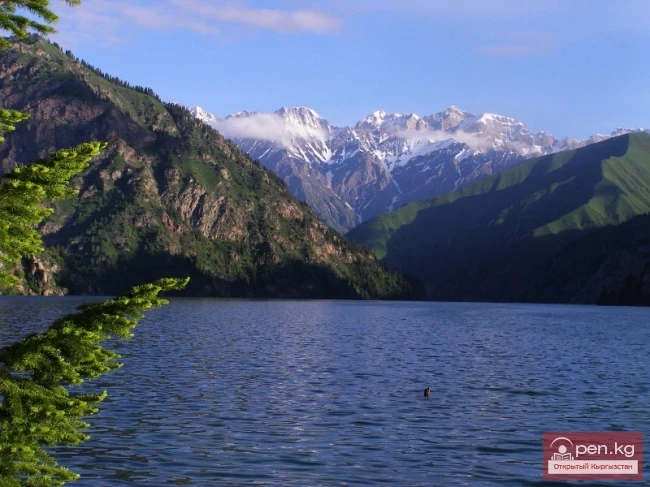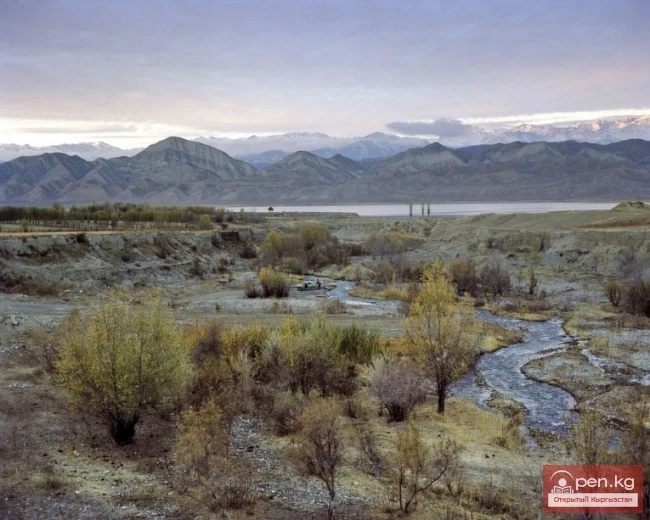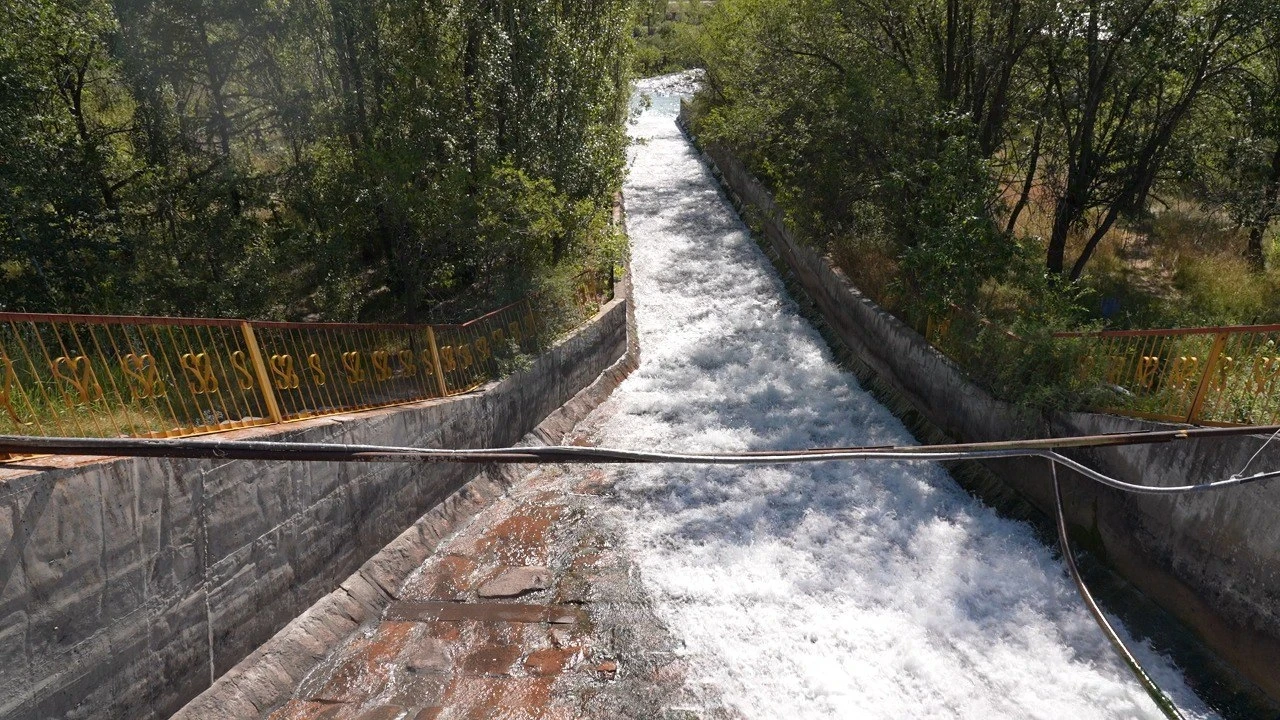
Despite the fact that Kyrgyzstan has extensive water resources, the available volumes that can be utilized remain limited. This directly affects key areas such as agriculture, energy, and drinking water supply.
The country's water resources include:
– river runoff reaching 50 billion cubic meters annually;
– 14 billion cubic meters of groundwater;
– nearly 10,000 glaciers;
– over 45,000 rivers, with a total length of about 168,000 kilometers.
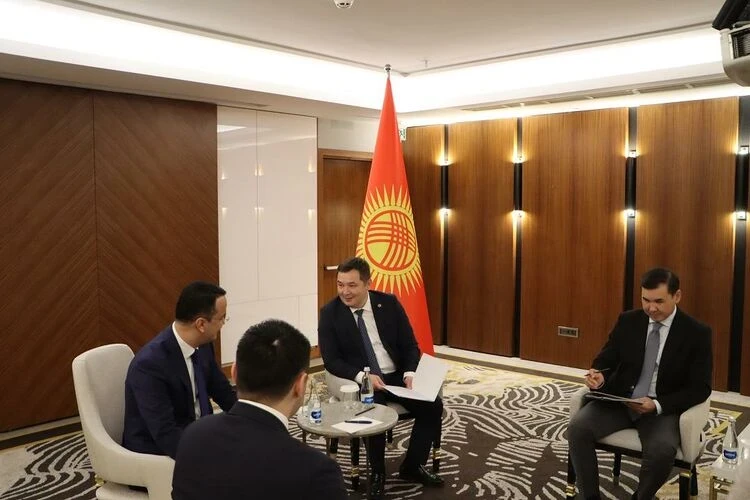
According to international data, the water stress level in Kyrgyzstan is 3.28, indicating a high risk and approaching critical values. This topic was discussed at the round table "Future Investments in Kyrgyzstan's Irrigation Sector," held in Bishkek. The event was attended by representatives of international organizations, donors, investors, and experts who discussed the current state of water resources, irrigation prospects, and the need to develop a comprehensive investment strategy for the water sector.
During the round table, participants examined in detail the main issues facing Kyrgyzstan's water sector, as well as the reforms aimed at improving the situation. They discussed plans and strategies for attracting investments in this sector both in the short and long term.
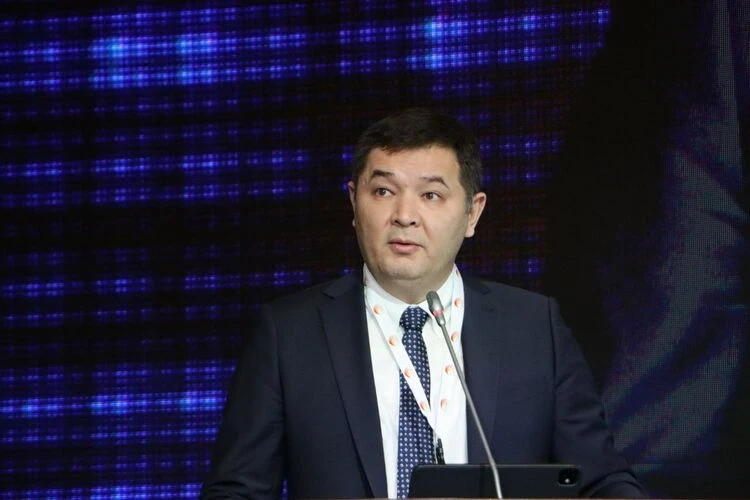
In his speech, Deputy Minister of Water Resources, Agriculture, and Food Processing, Almaz Zheenaliev, presented information on reforms aimed at modernizing the water sector:
“We continue to improve legislation. In particular, at the national level, documents such as the National Water Strategy until 2040, the National Development Program until 2030, the updated Water Code, and the Presidential Decree on measures for the development of the agro-industrial complex have been developed and adopted. We are also actively promoting the climate agenda.
All these reforms, including the construction of reservoirs, modernization of irrigation, digitization, and the establishment of basin authorities, form a unified strategy aimed at enhancing water security in the country.”
The discussion also emphasized the need to attract investments in the irrigation sector and water resource management.
Participants noted that investments should focus on the construction and modernization of reservoirs, reconstruction of irrigation systems, implementation of water-saving technologies, digitization of water accounting, creation of new monitoring and forecasting systems, development of infrastructure for climate change adaptation, and training specialists in water management.
In conclusion, the round table participants agreed that the government and international partners share common priorities in the development of the water sector. Coordinated efforts will help increase the resilience of the economy to climate risks and contribute to ensuring water and food security in Kyrgyzstan.