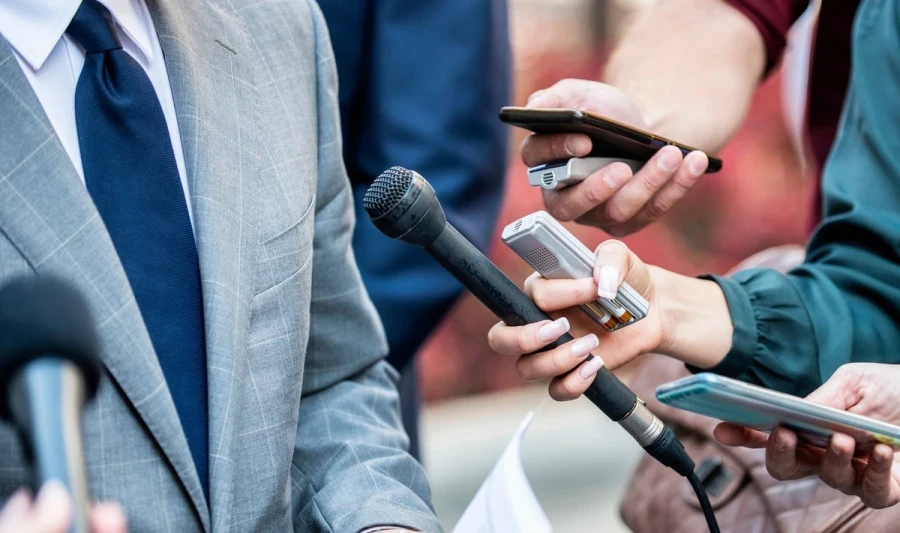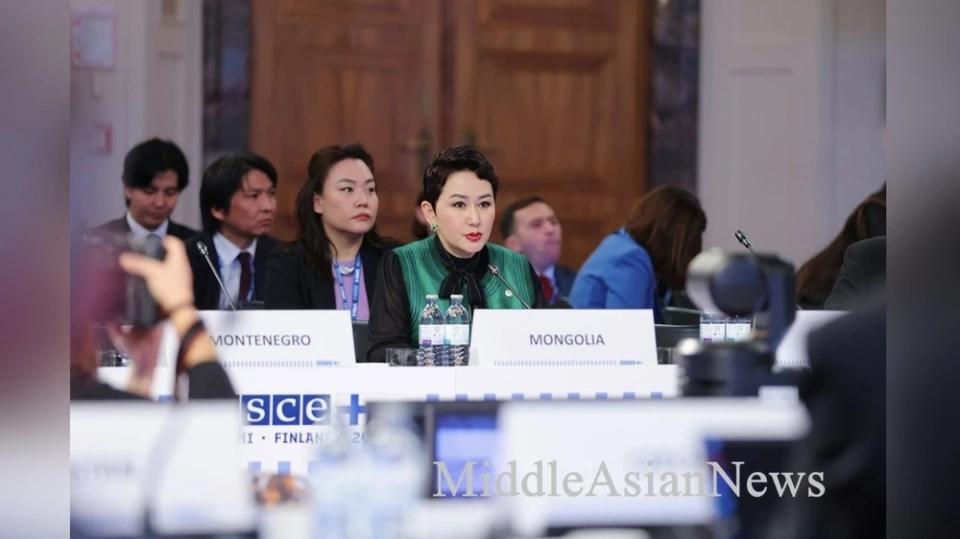
In its main report, UNESCO recorded a significant decline in the level of freedom of expression—by 10% from 2012 to 2024. This decrease is associated with the growing self-censorship among journalists and an increase in attacks on them, both in the physical world and online.
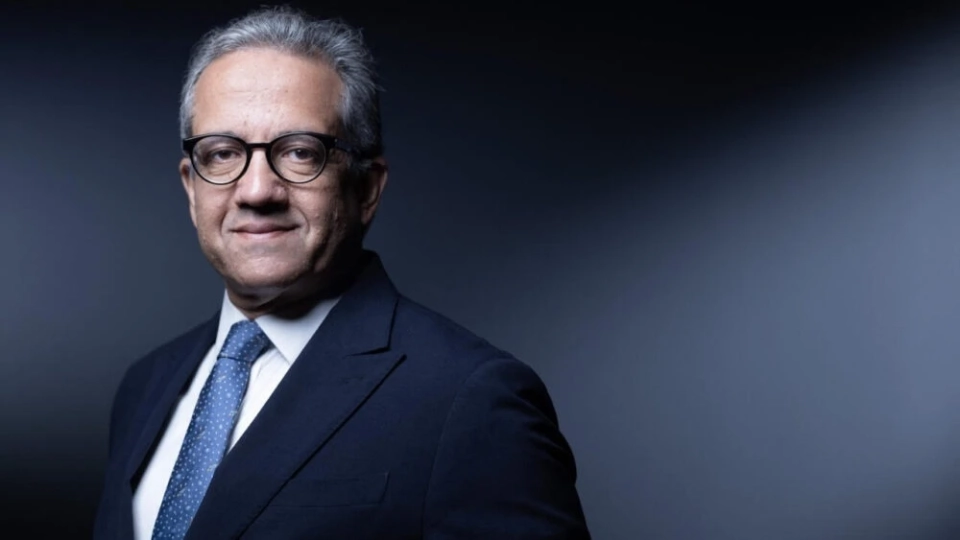
Freedom of speech and access to information are not privileges, but fundamental conditions for a sustainable world. We are facing a historical regression, and it is necessary to unite efforts to protect everyone's right to think, write, and inform. UNESCO will continue to lead international efforts to strengthen pluralism of opinions and protect their diversity. UNESCO Director-General Khaled Al-Anani
According to UNESCO's report "Global Trends in Freedom of Expression and Media Development 2022–2025," the world is witnessing a 10% decline in freedom of speech since 2012, the lowest level in decades. At the same time, self-censorship among journalists has increased by 63%, amounting to about 5% annual growth.
Increase in Attacks on Journalists
From 2022 to 2025, 186 journalists were killed while covering conflicts and wars—67% more than in the previous three years (2018–2021). In 2025, the number of casualties reached 93, of which 60 were killed in combat zones.
Despite international commitments to combat impunity for the murders of journalists, punishment for such crimes occurs very rarely. The level of impunity has decreased from 95% in 2012 to 85% in 2024; however, most crimes still go unpunished.
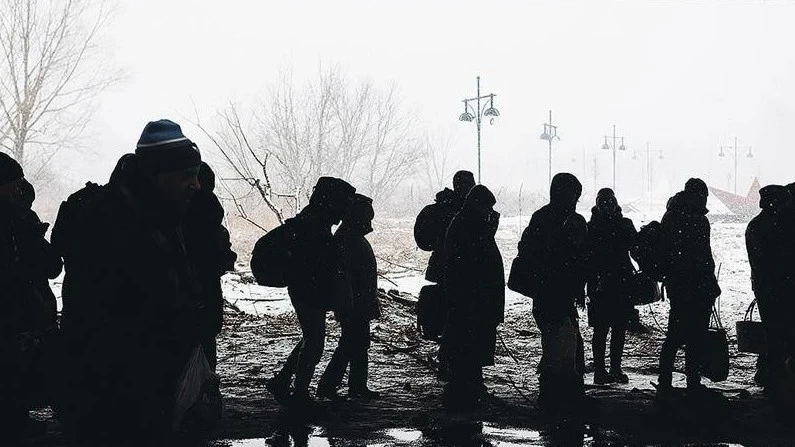
Journalists face growing threats—physical, digital, and legal—that force them to leave their homes. Since 2018, more than 900 journalists in Latin America and the Caribbean have been forced to emigrate. Journalists working in the field of ecology are particularly vulnerable: from 2009 to 2023, UNESCO recorded 749 attacks on environmental journalists, with a sharp increase in such incidents in recent years.
Online aggression, especially against women journalists, has also significantly increased. According to a study by the International Center for Journalists (ICFJ) for the UN Women structure in collaboration with UNESCO, in 2025, 75% of women journalists and media workers faced violence in the digital environment, up from 73% in 2020.
Positive Changes
Despite serious challenges, there are also positive changes. From 2020 to 2025, 1.5 billion people gained access to social networks and messaging apps, expanding opportunities for civic participation worldwide.
Collaboration in investigative journalism is developing, increasing the number of significant cross-border investigations. Many media organizations are establishing fact-checking departments.
Legislation supporting the rights of local and community media is actively expanding, providing a reliable source of information for local communities.
Recommendations
The report highlights alarming trends but also offers specific recommendations for member states:
1. Member states should protect and invest in journalism to promote peaceful societies. Protecting free and independent journalism must be a priority.
2. Transparency in the digital environment: Given the global nature of online information, UNESCO calls for collaboration among all stakeholders to ensure transparent access to information, increase accountability, and provide users with the means to make informed decisions. In 2023, UNESCO released "Global Recommendations for Managing Digital Platforms," developed with the involvement of experts from over 130 countries, which helped states strengthen independent regulatory bodies to implement these recommendations.
3. Media and information literacy: Training citizens to critically assess information and safely use social media is key to building trust in the modern information environment. UNESCO has trained over 10,500 content creators from more than 150 countries, helping them build trustful relationships with their audiences, shape public opinion ethically, and create engaging content to promote media and information literacy.
UNESCO's report "Global Trends in Freedom of Expression and Media Development" is published every four years. The 2022–2025 edition, titled "Journalism: Shaping a World for Peace," is based on data from over 100 experts in the field of freedom of expression and media development, as well as hundreds of academic and institutional sources. It is the only global report that analyzes trends in freedom of speech and journalism over a long period. The primary data was collected from January 2022 to December 2025.