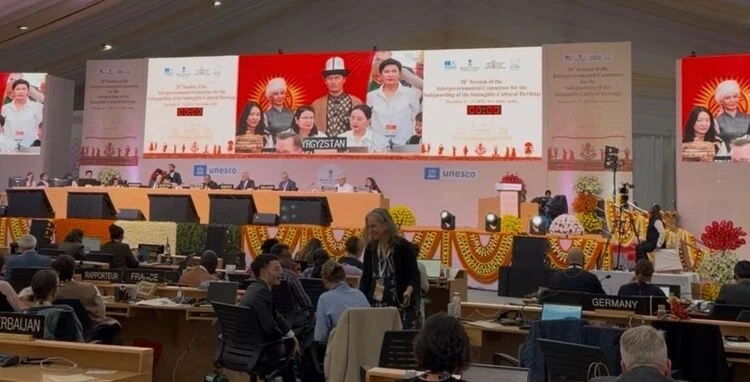
Photo by UNESCO. Traditional knowledge of preparing the maxym drink is now on the UNESCO list
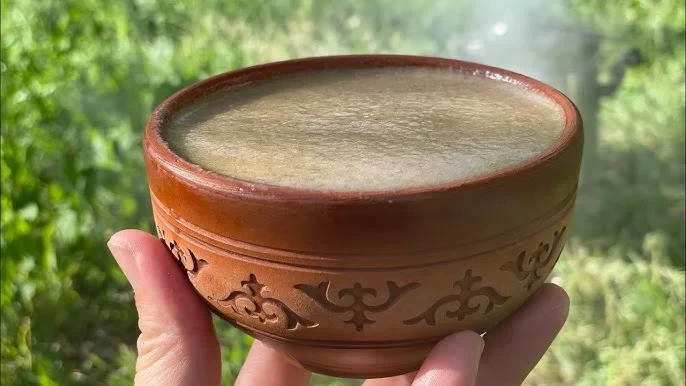
A recent decision by the National Commission of the Kyrgyz Republic for UNESCO marked a historic moment: traditional knowledge of preparing the Kyrgyz national drink maxym has been added to the representative list of the intangible cultural heritage of humanity, protected by UNESCO.
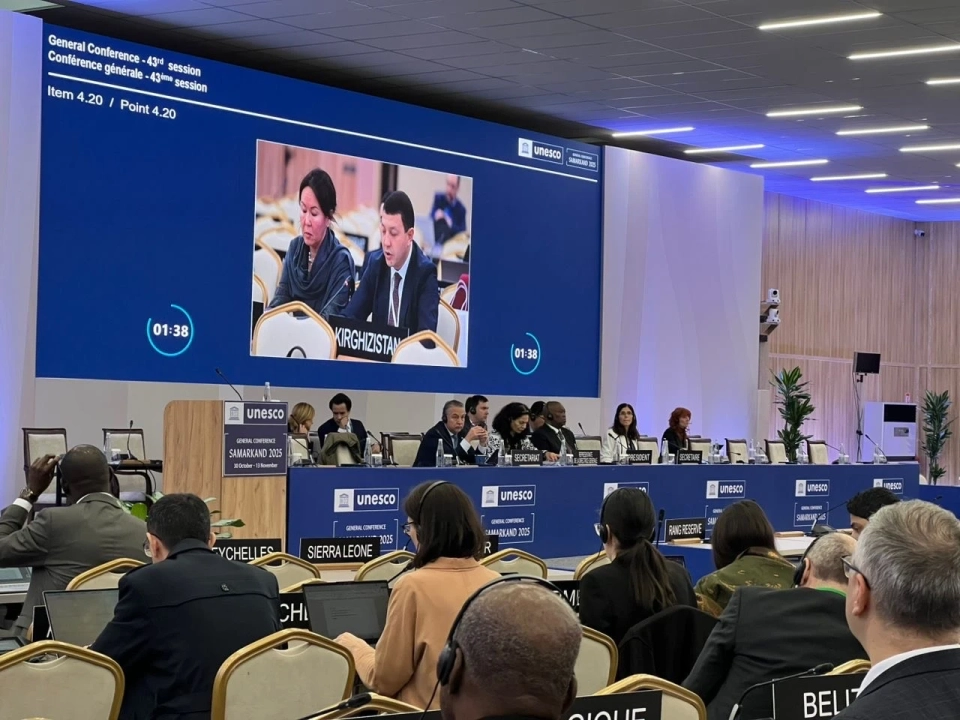
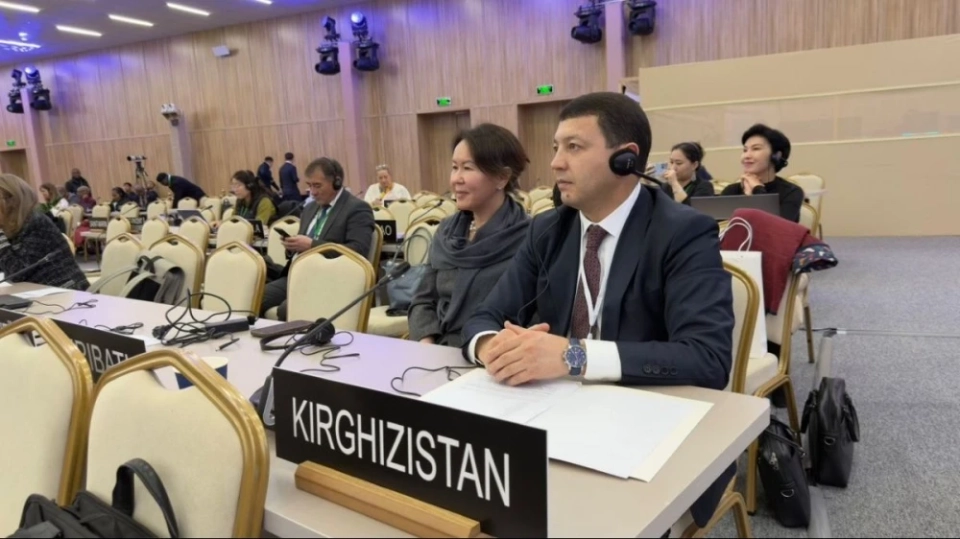
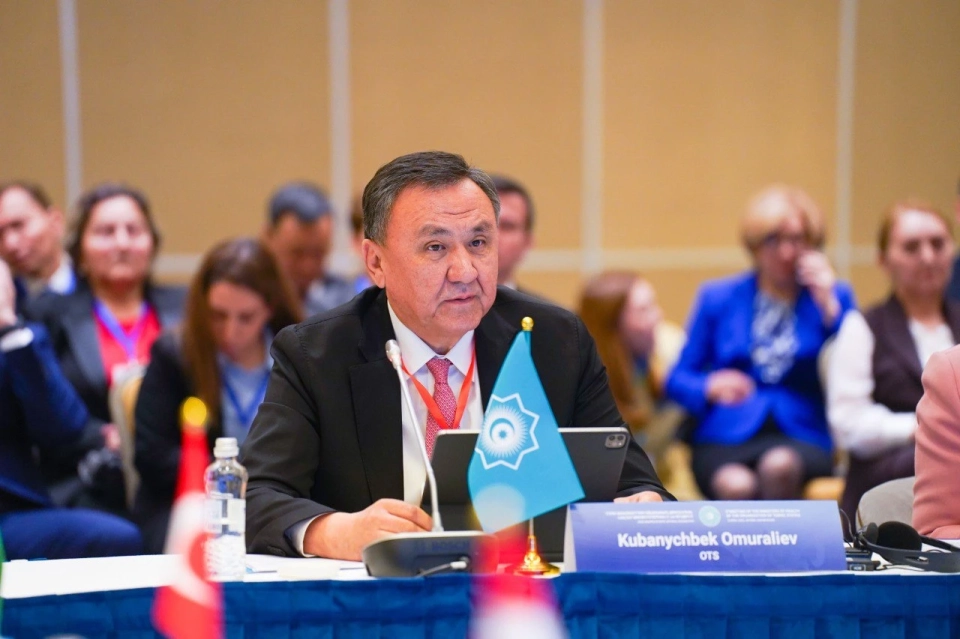
This decision was unanimously adopted at the 20th session of the Intergovernmental Committee for the Safeguarding of the Intangible Cultural Heritage, taking place from December 8 to 13, 2025, in New Delhi, India.
The preparation of the application took four years. Kyrgyzstan submitted the documents to the UNESCO Secretariat in 2023, after which they were reviewed by experts and brought for discussion to the committee, which approved the inclusion of this element in the submitted list.
This year, the committee is considering 68 different nominations, among which are elements such as traditional Japanese paper, the Indian festival of Diwali, the Egyptian national dish koshari, and Swiss alpine yodeling.
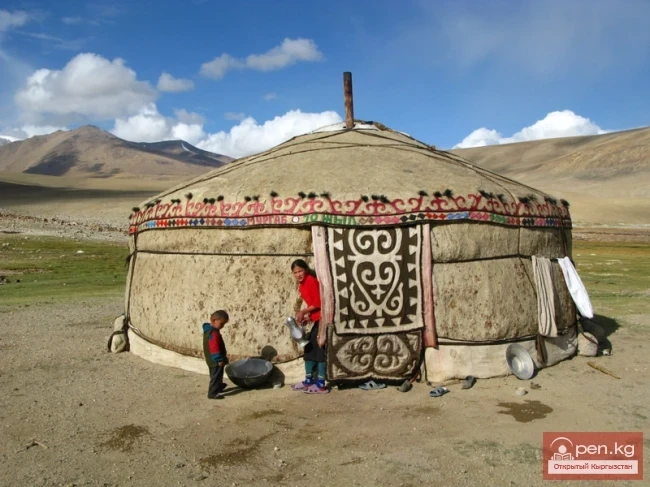
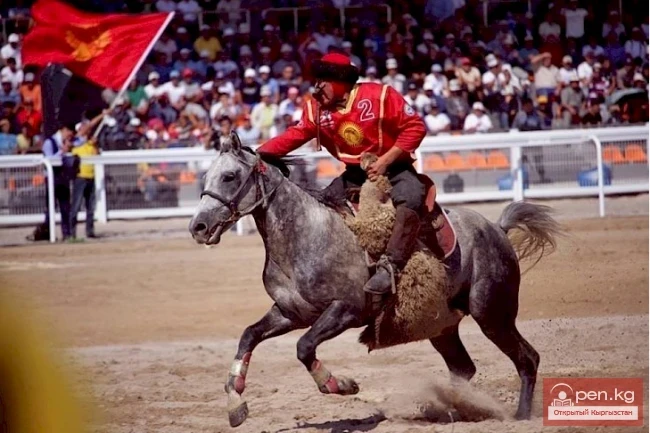
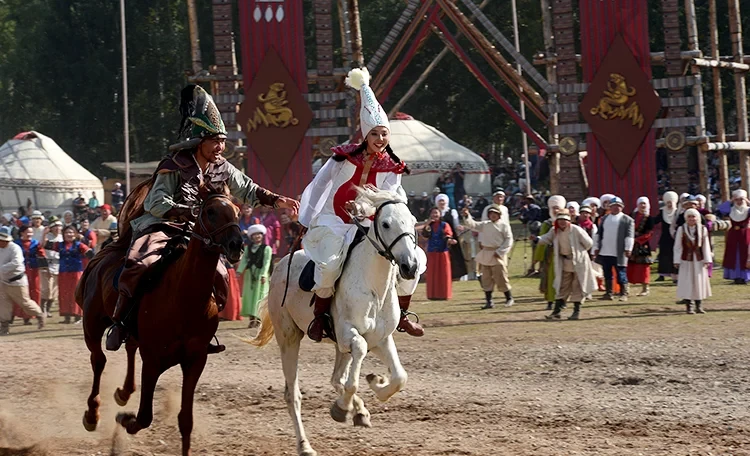
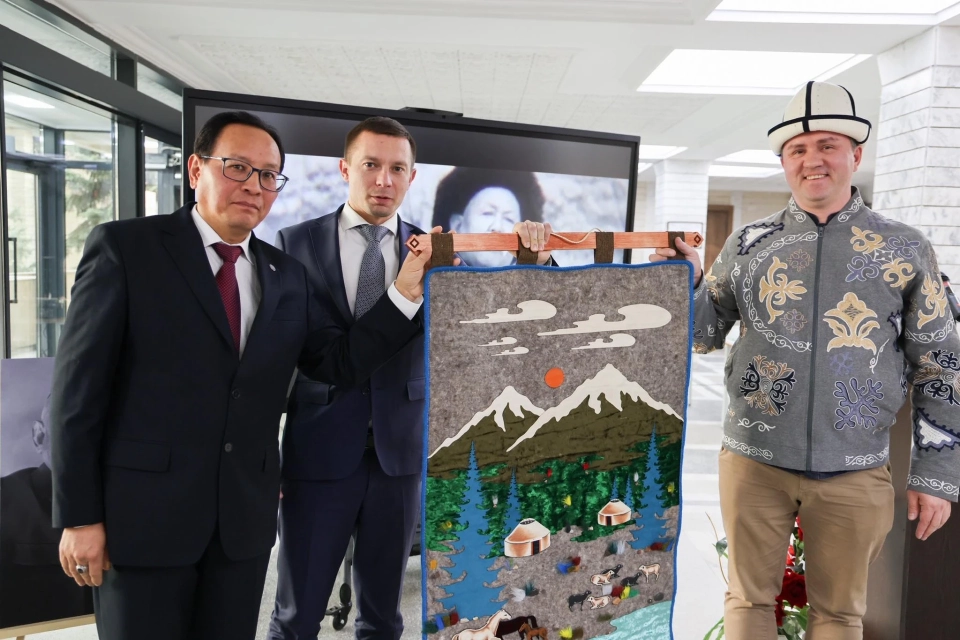
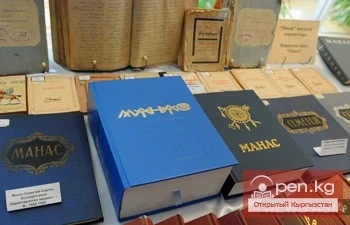
Additionally, Uzbekistan joined the joint nomination "Traditional Knowledge and Skills in Yurt Making," presented by Kazakhstan and Kyrgyzstan, proposing the yurt of Karakalpakstan. Currently, the international lists of intangible heritage contain 812 elements from 153 countries, 16 of which belong to Kyrgyzstan. These include cultural treasures such as the epic trilogy "Manas, Semetey, Seytek," the art of making ala-kiyiz and shyrdak, traditional nomadic games, kok boru, and many others.
Maxym is one of the oldest drinks traditional to the Kyrgyz people. It is made from roasted grains (most often wheat or barley), water, and natural sourdough; in some regions, sour milk is added to enhance the flavor.
The drink has a slight sourness, a soft bread aroma, and high nutritional value. Roasting the grains gives maxym a unique taste, while the natural fermentation process makes it refreshing. Recipes are passed down from generation to generation, preserving the individual characteristics of each family and region.
The representative list of the intangible cultural heritage of humanity is the main list of UNESCO that includes elements of culture reflecting the diversity of the intangible heritage of peoples around the world.
What distinguishes it from other UNESCO lists?
• The representative list includes elements that are not endangered but are important for cultural diversity.
• For elements that may disappear, there is a separate List of Intangible Heritage in Need of Urgent Safeguarding.