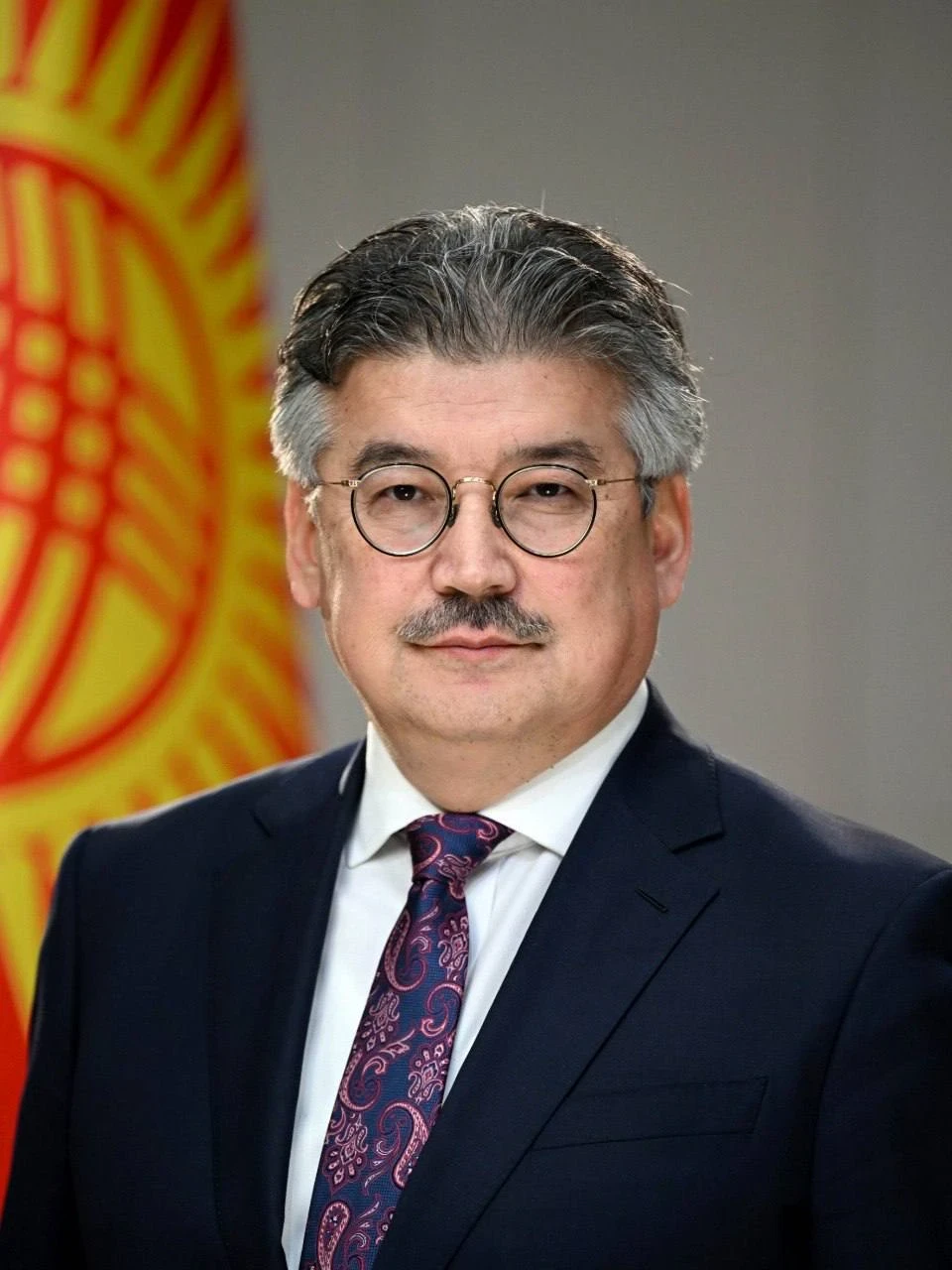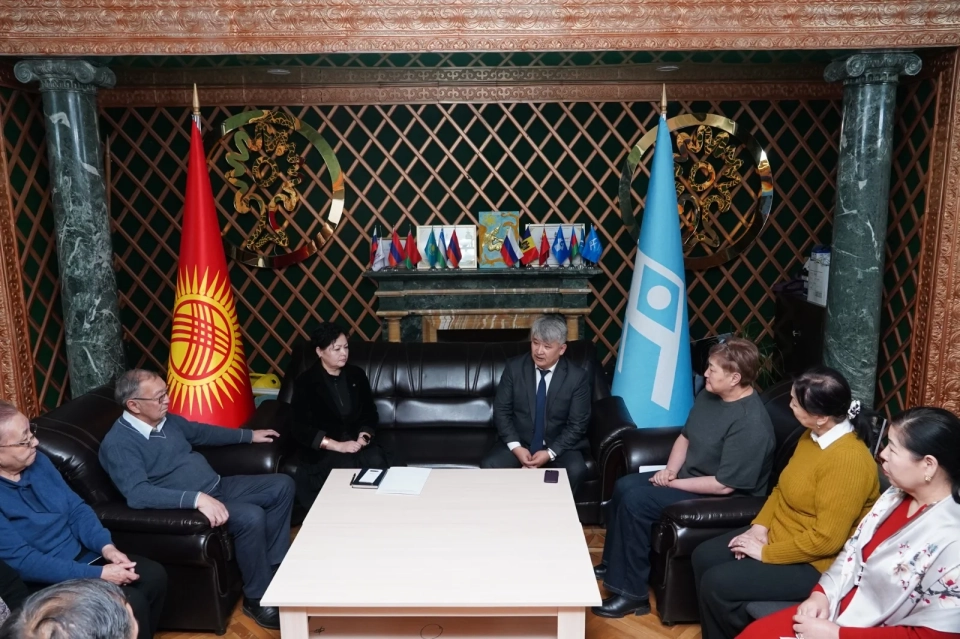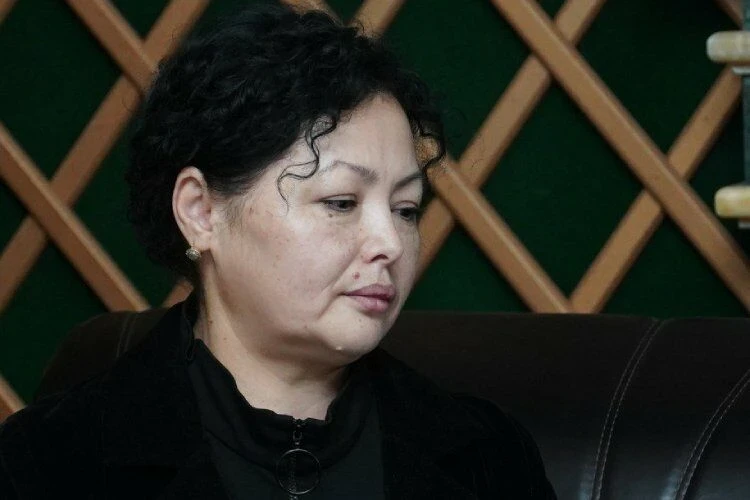
Nazira Aaly kyzy, president of the National Academy "Manas," shared her thoughts with 24.kg about the significance of this work and the activities of the academy.
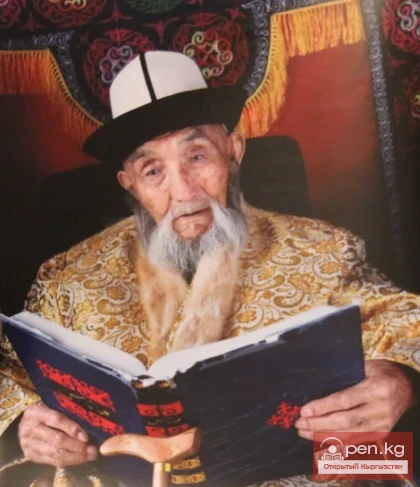
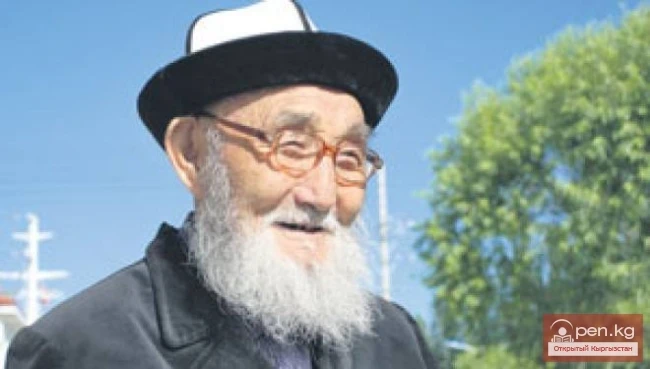
Photo from the internet. Nazira Aaly kyzy
— How does this day contribute to the popularization of cultural heritage?
— A specific date gives organization to the event: activities of various levels take place across the country. Throughout the year, projects are implemented, the results of which culminate in this celebration, with the final event usually held at the National Philharmonic.
Our academy organizes an international scientific and practical conference titled "Statehood and the Phenomenon of Manas," which involves researchers and Manas scholars from different countries such as the United Kingdom, India, China, Turkey, and Kazakhstan.
— Can "Manas" be considered an international cultural phenomenon? What makes it interesting to a global audience?
— The epic has an international character, as the events described in it cover vast geographical areas. The work contains over a thousand toponyms, which generates significant interest.
Moreover, the main character Manas does not exhibit ethnocentrism, and his 40 companions (or "40 choro") represent different peoples, which gives the epic an international status. One of them, the polyglot Azhybay, spoke 60 languages and conducted diplomatic negotiations.
The epic includes over a thousand ethnonyms, more than 700 characters, and its volume exceeds half a million lines. To understand its content, a lot of time is needed! A comparative analysis with the Indian epic "Mahabharata," which is larger than "Manas," is particularly interesting.
— Has interest in the epic increased in recent years?
— Kyrgyzstan is actively defending its epic at the legislative level, and the measures taken are yielding results.
Every year, the number of scholars interested in the topic of Manas grows. In the modern world, where issues of war and peace are becoming particularly relevant, the epic reflects these themes and is applicable to contemporary realities, which likely explains the growing interest in it.
— What themes are most interesting to Manas scholars?
— There are many themes for research in "Manas." For example, it is very interesting to create a map of the geographical names mentioned in the epic. Recently, a dissertation dedicated to medicine in "Manas" emerged, which is a completely new direction.
Additionally, the reconstruction of weapons and armor can help restore the history of the military power of the ancient Kyrgyz. Imagine how interesting this will be for a modern person! The epic describes about 40 types of boots!
The military tactics presented in "Manas" generate enormous interest among contemporary researchers.
— How can academic research on the epic be improved?
— We are actively working to increase financial support for researchers. This year, we created thematic indexes for the epic "Manas." It is important that interest in the work is growing both among researchers and the general public.
— Who is shaping the new generation of Manaschi?
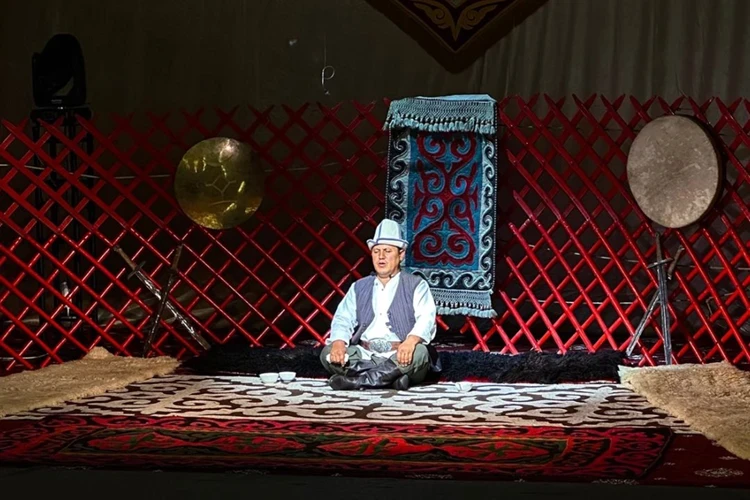
— In Kyrgyzstan, there are no specialized schools for training Manaschi. The artificial creation of Manaschi is impossible, as is done, for example, with komuz players. Manas is a sacred world, and true storytelling is always connected with mystical experiences. People with a gift become students of experienced mentors who help them develop. There is also a sacred initiation rite into Manaschi, and only those who have received permission can begin their storytelling.
— Do storytellers receive state support?
— Yes, in 2021, the national theater "Manas" was established, where Manaschi receive salaries. Previously, they developed independently, depending on their capabilities.
Only a storyteller who has their unique interpretation of the epic is considered a true Manaschi. It was believed that storytelling stopped after Sagymbay Orozbakov and Sayakbay Karalaev. Although the scale is still not very large, it is encouraging that a young generation of storytellers with their interpretations is growing, confirming that the epic is alive and relevant.
For example, Rysbay Isakov made it into the Guinness Book of Records by recounting "Manas" for 124 hours, which also played a role in popularizing the epic. Recently, the city of Jalal-Abad was renamed Manas, which is also a step towards its popularization.
Some confuse our theater with the academy, but we are engaged in research, dissemination, and popularization of the epic.
— What are the main areas of work for the academy?
— About 70% of our activities are focused on the popularization of "Manas" and small epics both in Kyrgyzstan and beyond. Everything related to Manas is our priority.
We have a well-equipped studio where we shoot videos, podcasts, and documentaries. This year, we held an international screening of our film about the first foreign Manas scholar Chokan Valikhanov.
— What is the annual budget of your academy?
— 40 million soms, of which about 14 million goes to salaries, utilities, and maintenance. Almost half of the budget is directed towards research and popularization.
— Are there plans to create animated films?
— Animation requires significant financial investments. Moreover, the topic of Manas is very sensitive for our people. Creating animated films or visualizing heroes requires careful work with experts.
Nevertheless, we have plans to create animation projects for children. In 2026, we will present a new multimedia project about Kyrgyz warriors in 2D and 3D formats, showcasing their wives, horses, and armor.
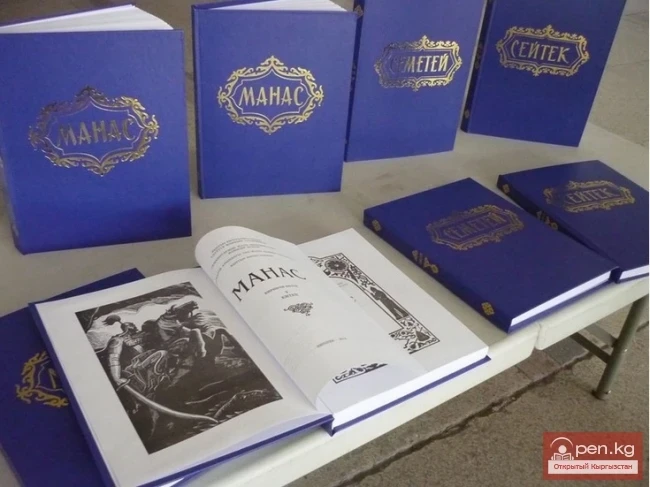
Additionally, we have a project "Tamgalar daŋktayt Manasty" ("Let the letters glorify Manas"), aimed at children. On the holiday of Alippe (the day of the alphabet), schoolchildren usually learn poems that often lack high quality, as children's poetry is currently in crisis. Within our project, poets wrote thematic poems for the holiday, and we published a special book that we distribute to schools so that first-graders can start getting acquainted with the heroes of the epic from an early age.
Lessons about Manas are included in the curricula of Kyrgyz literature, and university students study Manas studies.
We also plan to create unique content for viewing through VR glasses, which will require significant costs—almost our annual budget—but we hope to be able to implement it.
— What does "Manas" mean to you? What key values of the epic are most relevant to our society?
— The modern world is undergoing global changes, and its dynamics are such that the relevance of processes changes at a rapid pace. In such conditions, the only unchanging value remains the cultural component. The most important question in the global context is war and peace, and it is precisely "Manas" that raises these themes, offering answers to many contemporary questions.
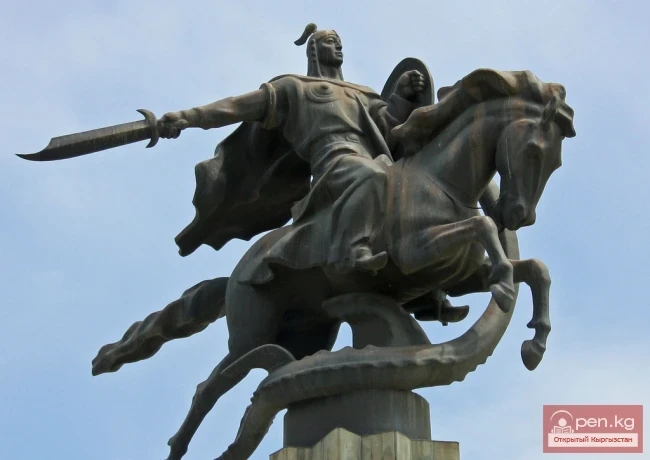
For me, Manas is a symbol of a leader who was able to unite peoples and create a state, ready to take responsibility and listen to everyone, even those who are unpleasant to him. He embodies generosity and tolerance, which is extremely important in the context of modern conflicts.
If the qualities of Manas awaken in each of us, the world will become kinder and brighter.