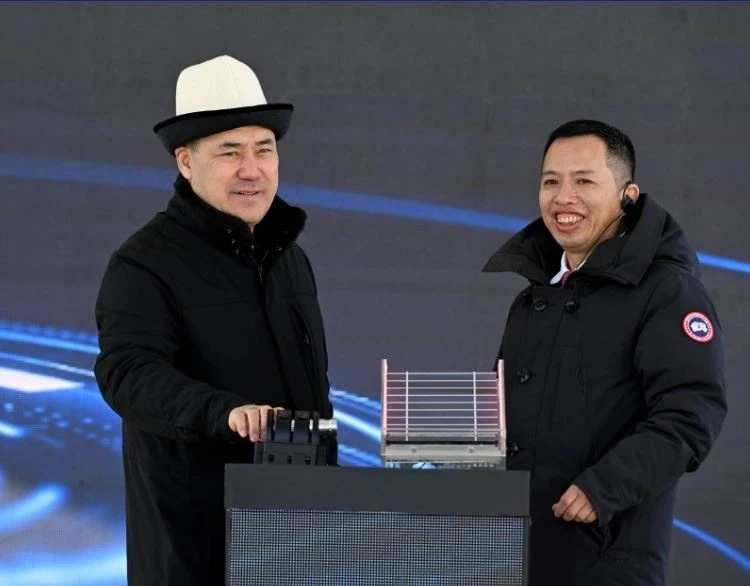
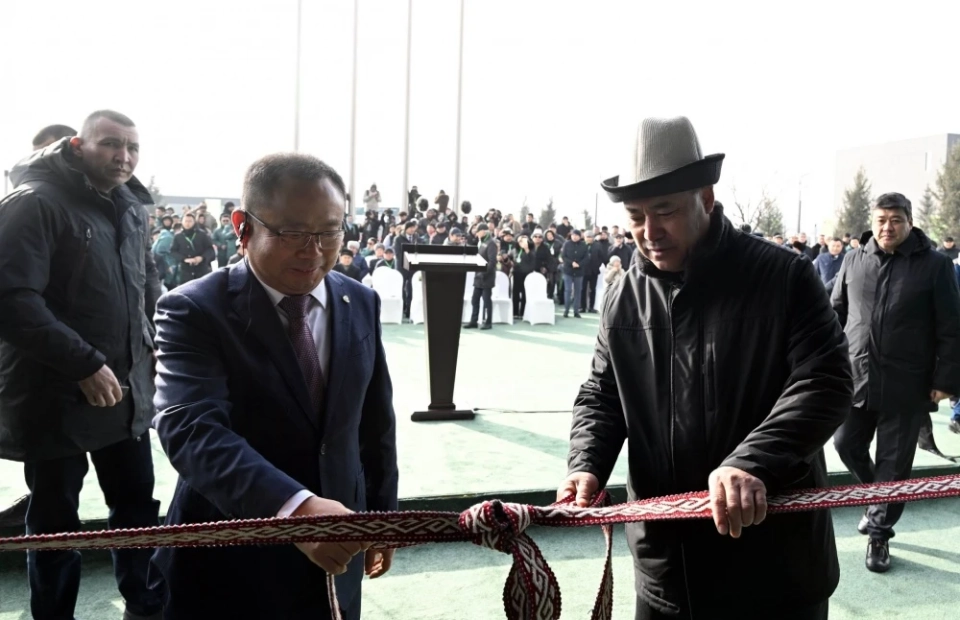
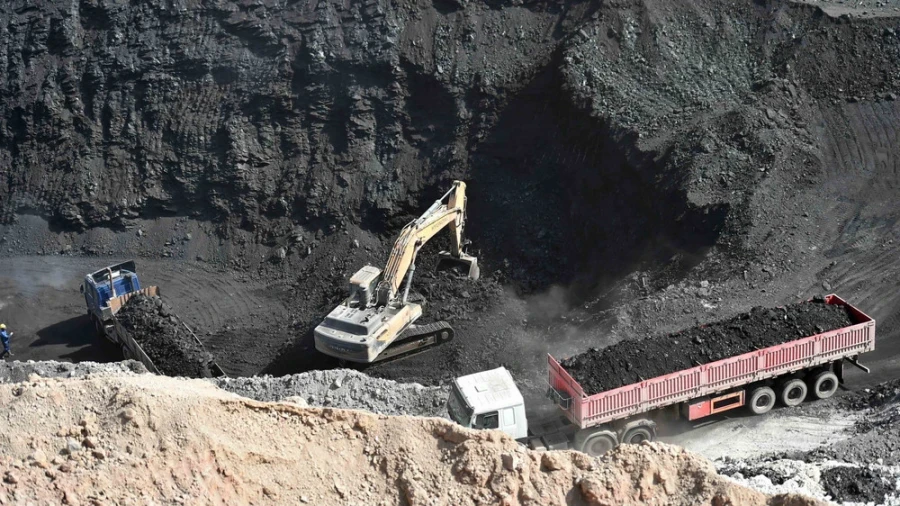
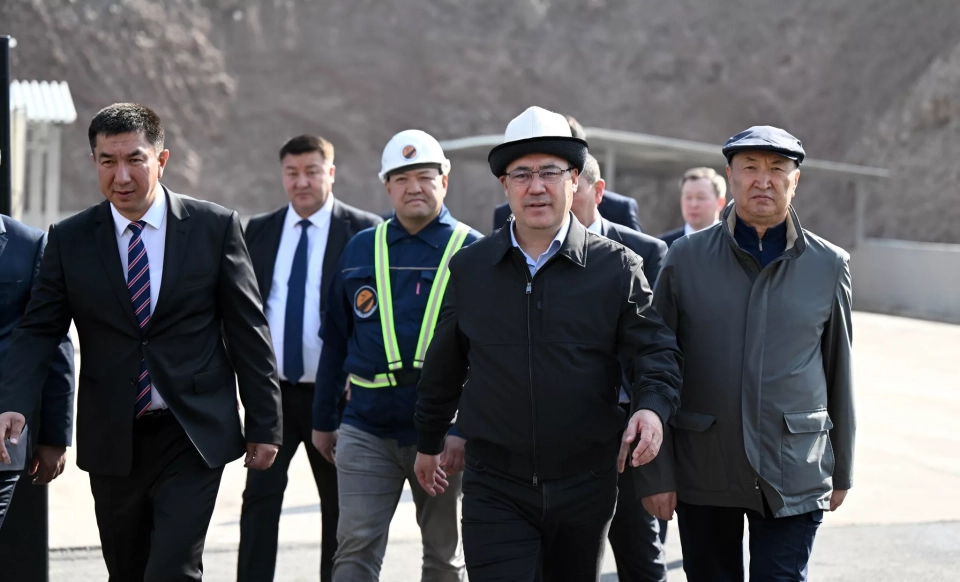
“The Kyzyl-Ompol development project is expected to create over 1000 jobs. This mine will become an analogue of Kumtor, allowing the local budget to become self-sufficient and not depend on subsidies. People will be able to improve their financial situation. Additionally, we plan to send 50 specialists to Russia each year for training in the field of rare precious metals development,” noted the president.
In an interview with a local publication, President S. Japarov stated that all ore will be sent to Kara-Balta for processing, after which it will be exported to other countries. However, he emphasized that thorium will not be sold.
“We will not sell thorium; it must be preserved for future generations. Considering that it may replace uranium in the future, it is important to conserve our reserves. 1 kg of thorium can generate as much electricity as 2 tons of uranium. In the future, electric vehicles may use thorium instead of lithium,” added the president.
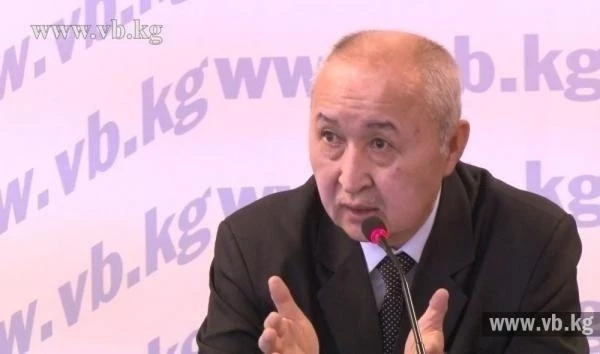
In his comments to Tazabek, the chairman of the Association of Miners and Geologists of the Kyrgyz Republic, Duyshonbek Kamchybekov, revealed details regarding the president's statements.
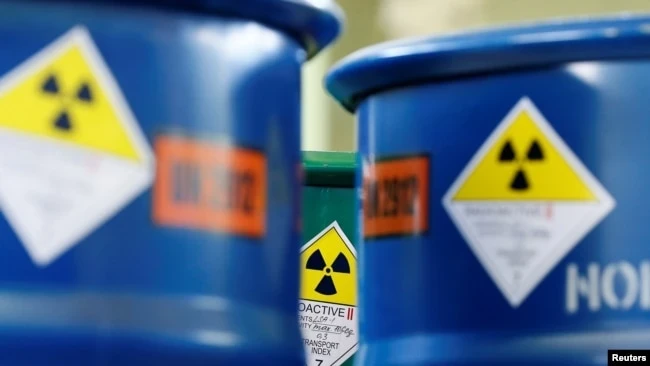
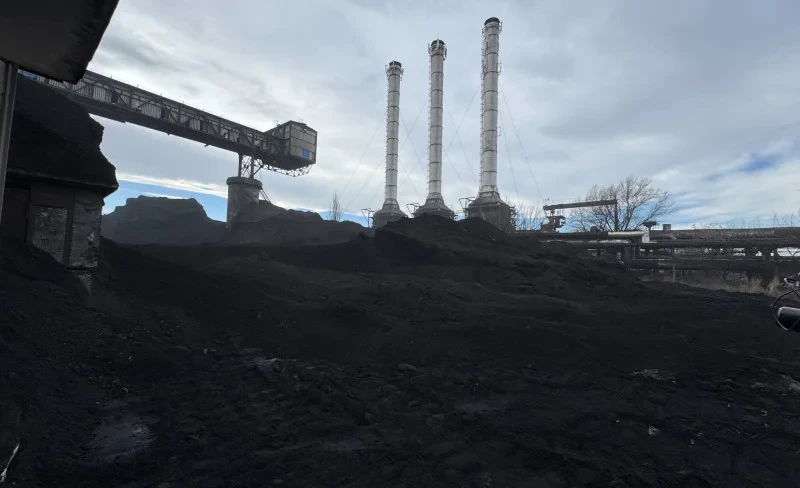
“In the future, thorium will become a key element for energy production, exceeding the energy from coal. For example, 1 ton of thorium releases as much energy as 200 tons of uranium or 3.5 million tons of coal. Currently, the Bishkek CHPP burns over 1 million tons of coal annually. It is important to note that thorium is not radioactive, and its use is actively being researched by the USA, Russia, China, and India,” he explained.
“Americans have already developed an experimental vehicle that can run for 100 years on 8 grams of thorium. This is our path to the future, and only Kyzyl-Ompol in Kyrgyzstan has thorium reserves,” added the scientist.
Obstacles to Development
At the legislative level, there are two main obstacles to the development of Kyzyl-Ompol:
1. Moratorium. A ban on uranium and thorium mining has been established in Kyrgyzstan, which will last until 2070.
2. Biosphere Zone. Part of the Kyzyl-Ompol placers is located in the biosphere zone of the Issyk-Kul region, and according to Kamchybekov, the development of such deposits is not allowed.
Nevertheless, the president stated at the meeting with the residents of Balakchy that the moratorium will be lifted.
“We plan to lift the moratorium and adopt a law that cancels this ban. Although work will not begin immediately, we will first conduct the necessary research,” assured Sadyr Japarov.
Geographical Location
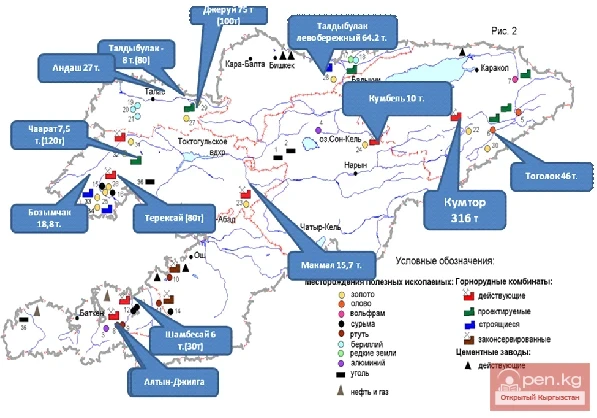
The Kyzyl-Ompol deposit is located on the border of the Issyk-Kul and Naryn regions, covering the Ton district of the Issyk-Kul region and the Kochkor district of the Naryn region. The deposit is situated on the southern slopes of the Kyzyl-Ompol mountains, which are foothills of the eastern part of the Kyrgyz Ridge.
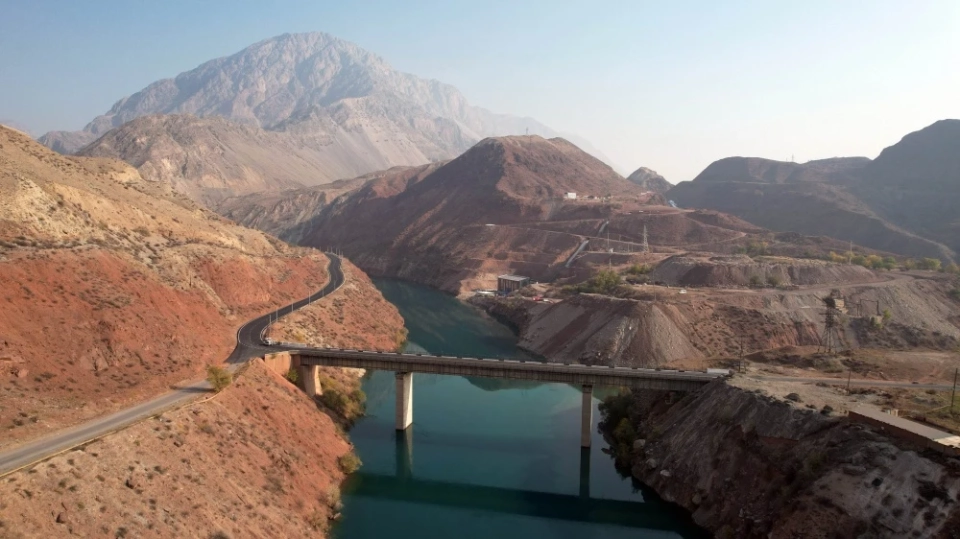
View of the Orto-Tokoy Reservoir from the Uzun-Say native site.
The Kyzyl-Ompol group of uranium-thorianite placers includes 10 sites occupying 43 hectares. Of these, five sites are open and located on the surface, while the other five are native and located underground.
Open Sites:
- Tash-Bulak — located on both sides of the road approaching the Kuaky pass;
- Bake — located along the road, near the Orto-Tokoy Reservoir;
- Uzun-Say — located at the reservoir and includes part of its territory;
- Tunduk — located above the village of Kok-Moynok, near the Kuaky pass;
- Ottuk — located near the village of Ak-Olon, not far from Balakchy.
Native Sites:
Five native sites Chotkora, Central, Kok-Moynok, Uzun-Say, Eastern are located to the left of the main road Bishkek—Torugart, deep in the mountains on the left side of the Kuaky pass.
Additional information can be obtained by Tazabek readers.
The closed part of the material contains: a complete chronology of events, a map with sites, defined and preliminary reserves, history, infographics, opinions of experts and ecologists.