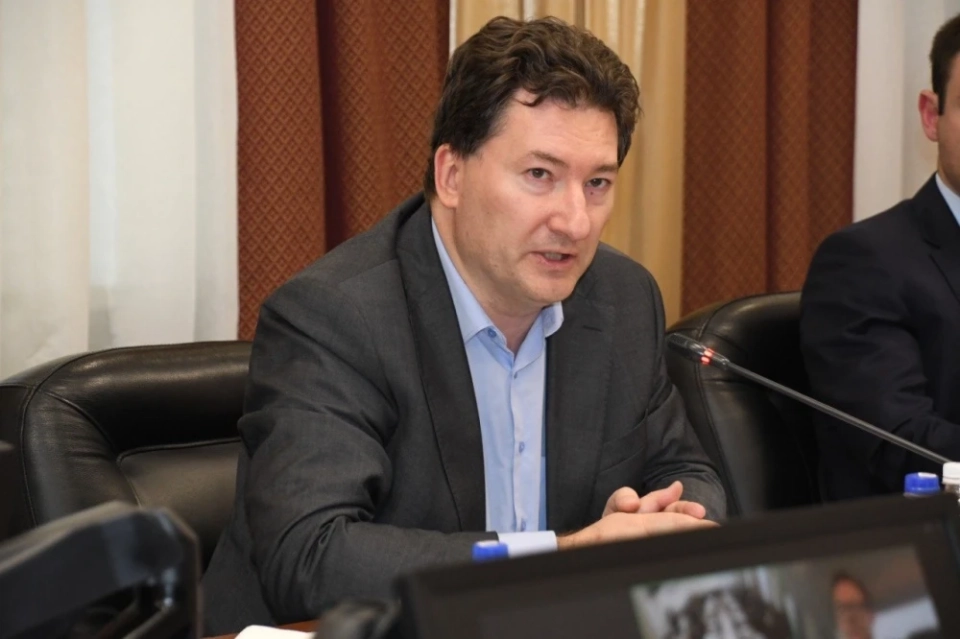
In the latest issue of the magazine "International Life," an article by Natalia Kharitonova, Doctor of Political Science and Press Secretary of the CSTO Secretariat, discusses the prospects for forming a security system in the Eurasian region. The author emphasizes that traditional structures oriented towards the West have exhausted their capabilities and highlights the need to create a new security framework in response to geopolitical changes.
“Topics related to the creation of a new collective security system in Eurasia are becoming central in discussions about the future of the international order. Politicians are discussing these issues, scholars are working on concepts, and experts are analyzing potential risks and parameters of the new system. It is important to realize that the relevance of these questions is increasing day by day,” the author notes.
The creation of the Eurasian Security System (ESS) is a complex and multifaceted process driven by changes in the global political landscape. Modern international conflicts and shifts in the geopolitical situation require security architects to consider the interests of both major powers and smaller regional players, as well as non-state actors. This creates a significant responsibility for current and future generations, emphasizing the need for strategic thinking that must be broader and more visionary than that of current European leaders.
This article attempts to define the key characteristics of the future Eurasian security system from a political science perspective and identify the input data that will help assess the role of existing international organizations within the new structure. The theoretical conclusions drawn serve as the first step towards forming an author's perspective on the future of the Eurasian security system.
Key Reasons and Preconditions for the Creation of the ESS
The Eurasian security system encompasses institutions, projects, and connections existing in the territory of Eurasia, which is not part of the Euro-Atlantic security system. It is important to note that currently there is no significant overlap or intersection between the two systems, but such a possibility may arise in the future. Moreover, the need to create a full-fledged security system in Eurasia has become a priority task following unsuccessful attempts by Russia to negotiate a common European security system with the EU and the USA based on the European Security Treaty (EST).
Russia's attempts were rejected, and instead, the USA and its European allies insisted on NATO playing the leading role, to which Russia has never belonged. This led to Russia proposing its own version, fully aware of its unacceptability for itself, which ultimately condemned the process after the failure of the Mezeberg Process in 2010.
The existing European security system also does not demonstrate resilience. Organizations such as the OSCE have become politicized tools of the West and have failed to prevent conflicts, for example, in Ukraine. Conversely, the OSCE Minsk Group and the mission in Transnistria have also not met expectations.
The post-war period in Europe, which became a region of peace due to the established security system, by the mid-2010s became a source of threats. The crisis of trust in Western institutions also contributed to the search for alternative security systems. NATO is perceived as a tool of pressure, which is confirmed by the ineffectiveness of interaction formats between Russia and NATO.
Geopolitical changes, such as the shift of production centers to the Asia-Pacific region, also necessitate the creation of new security architectures that reflect the realities of the 21st century. The rapid growth of China and India makes it essential to form systems that are adequate to modern challenges, as evidenced by F. Lukyanov's opinion that the idea of "not against the West, but without it" is beginning to make sense.
New threats, such as pandemics, cyberattacks, and illegal migration, require more flexible international cooperation that takes into account forecasts of changes in the geopolitical situation. It is important to note that the slowdown in the transition of the world to multipolarity and polycentrism is also one of the reasons for forming a new security system.
Key Participants and Structures
To develop the prospects of the Eurasian security system, it is necessary to define the boundaries and composition of this geopolitical entity. In this context, the author refers to Russia's strategic planning documents and official statements from the foreign ministry. The joint statement of Russia and Belarus on the Eurasian Charter emphasizes that Eurasia is the center and foundation of the emerging multipolar world.
Both Moscow and Minsk stress the need to utilize multilateral cooperation mechanisms, including the EAEU, CSTO, CIS, SCO, and ASEAN, to implement joint initiatives. Within this approach, researchers include the member states of the EAEU and SCO in the concept of "Eurasian space." The CSTO and CIS play a crucial role in creating the Eurasian security system, possessing mechanisms for resolving military-political crises.
Thus, the Eurasian security system is not being created from scratch but is being built on the basis of existing organizations such as the CSTO, SCO, and EAEU, which can become its pillars.
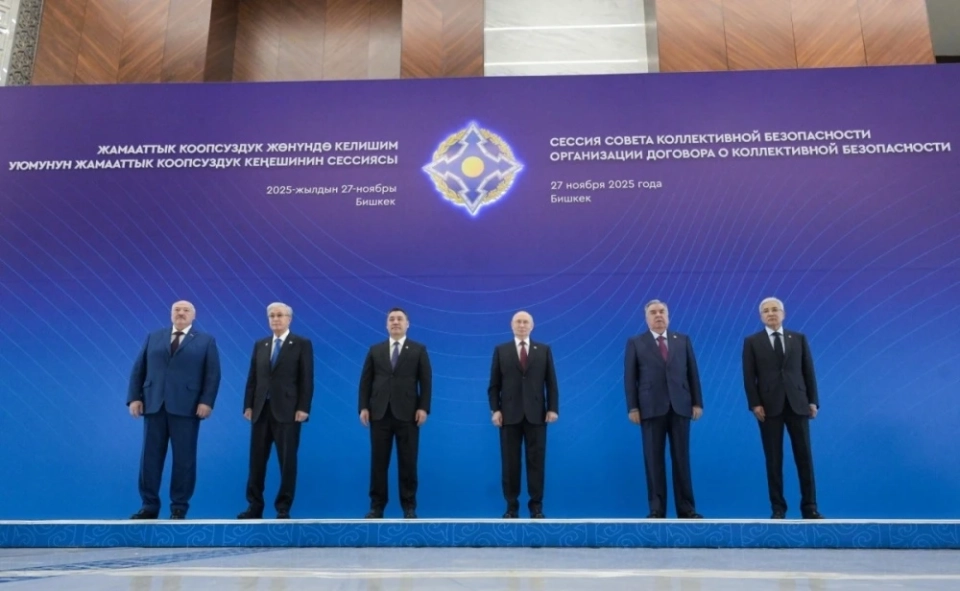
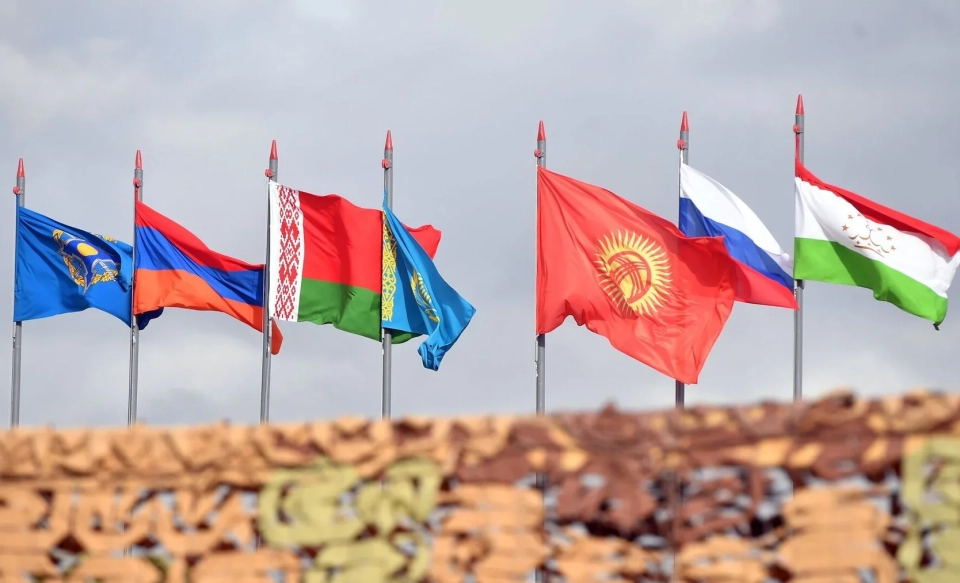
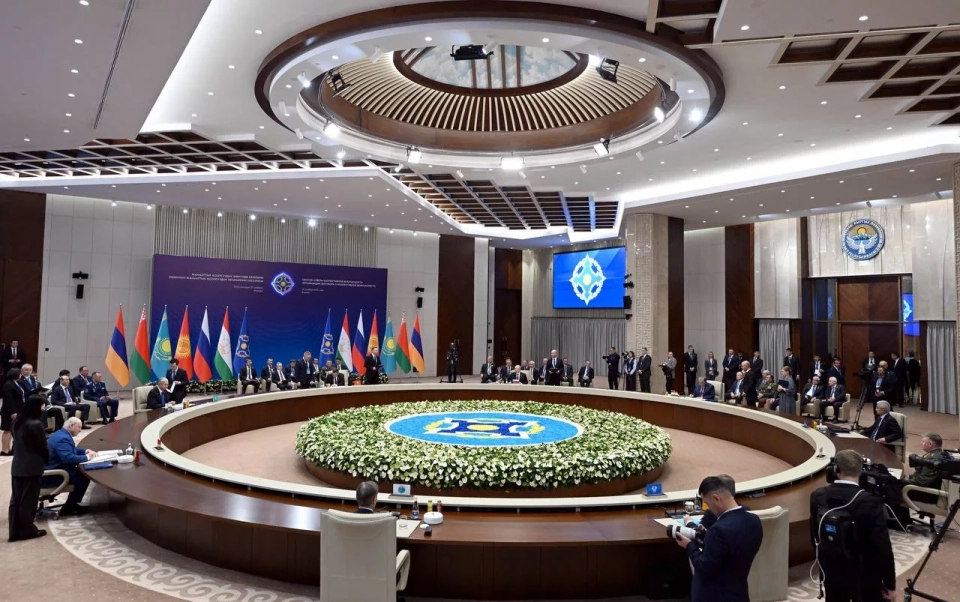
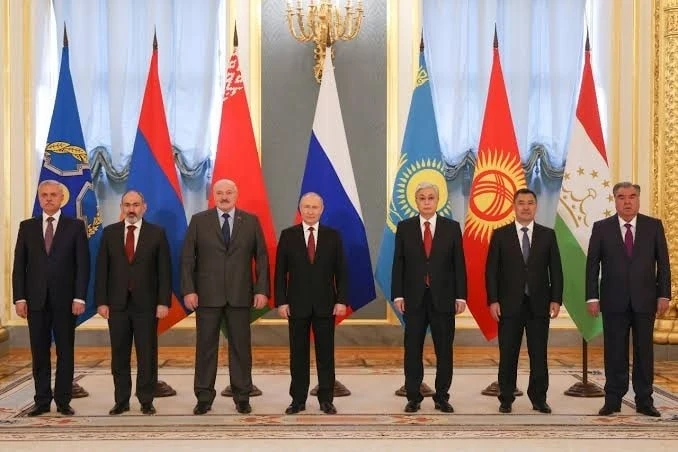
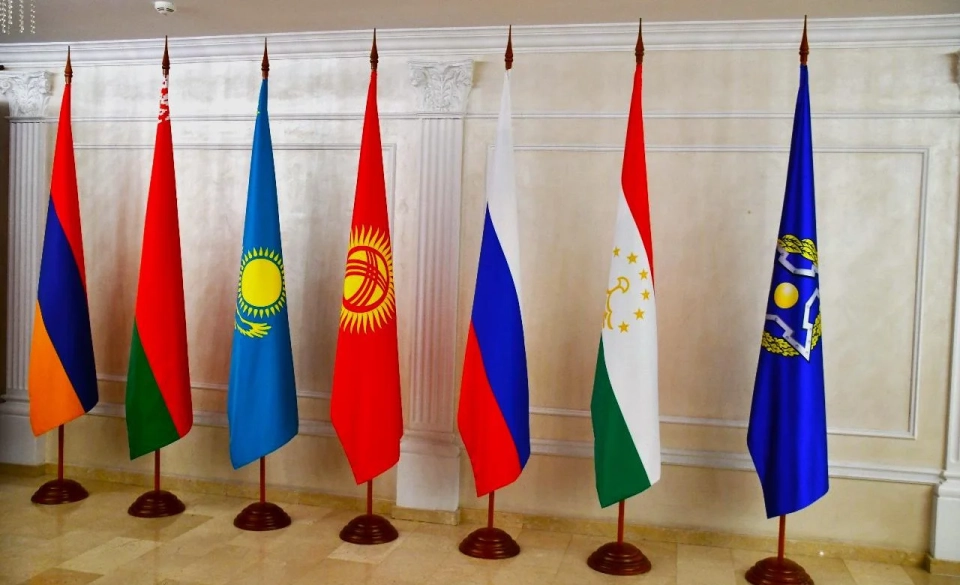
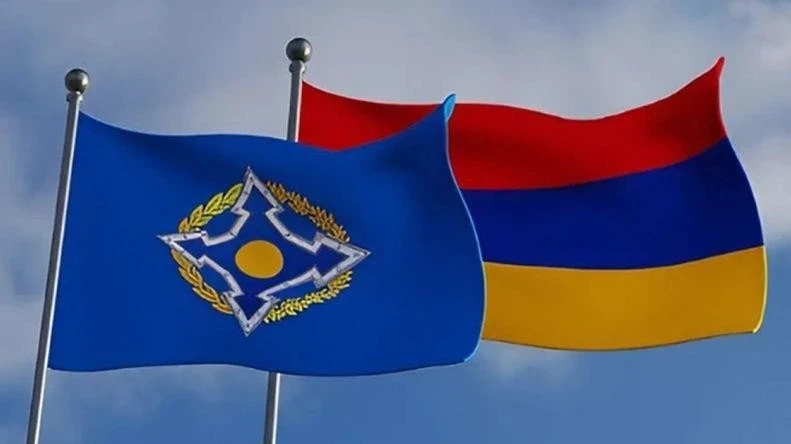
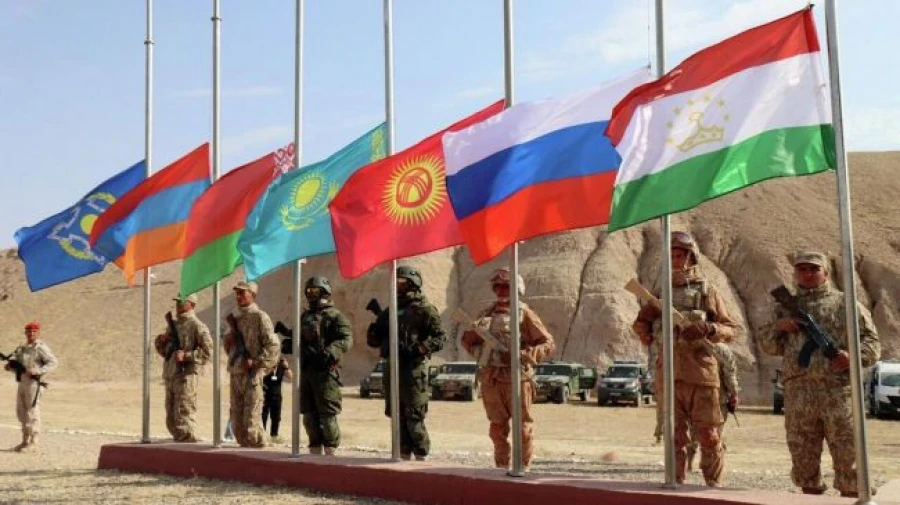
Firstly, the CSTO, which includes Russia, Belarus, Kazakhstan, Kyrgyzstan, Tajikistan, and Armenia, is the core of military-political security in post-Soviet Eurasia, having experience in peacekeeping operations.
Secondly, the SCO includes ten countries, including China, Russia, and India, and actively develops cooperation in the field of security, despite the absence of a military structure.
Thirdly, the EAEU focuses on economic integration and security, which is also important for the military-political stability of the region.
Fourthly, the CIS engages in multilateral military cooperation, including combating terrorism and migration.
Fifthly, the Union State of Russia and Belarus forms a unified space, paying attention to security. In this context, the Security Concept has been adopted, and a Security Guarantees Treaty has been concluded.
Sixthly, ASEAN, which actively cooperates with Russia, may be interested in joining the Charter that emphasizes multipolarity.
Additionally, there are sub-regional structures, such as the Central Asian Anti-Drug Quintet and the Meeting on Interaction and Confidence-Building Measures in Asia, as well as the RIC format for dialogue between Russia, India, and China.
The idea of creating an Eurasian security system was proposed by Russia and Belarus, and they do not claim the role of moderators but offer the ideology of the new system, reflected in the draft Eurasian Charter. This initiative was presented at the I International Conference on Eurasian Security in 2023 and continues to develop.
Furthermore, in February 2025, a briefing on the creation of this Charter took place in Switzerland, which will serve as the foundation for a new security architecture and denies neocolonial thinking, emphasizing the equality of states.
Principles and Goals of the System
The future Eurasian security system will be based on principles tested in previous systems of international relations. Among such principles is multipolarity, which implies a rejection of the hegemony of one power in favor of equality among several centers of power.
Another important principle will be a preventive policy against new threats, which will require adapting existing international structures to new realities. Other principles include respect for the sovereignty of states and non-interference in their internal affairs, as well as prioritizing political-diplomatic methods in conflict resolution.
The application of the principle of indivisibility of security will mean that the security of one participant should not threaten another. Globalization also requires the openness of the system, allowing all states of Eurasia to participate in shaping security on the condition of renouncing hostile policies.
Thus, the emerging system will serve as a response to the need to create a more just and sustainable world order, reflecting the needs and interests of the countries in the region.
Conclusion
The creation of the Eurasian security system is a process driven by objective realities, important for the states of the region. Russia, as a leading player, has repeatedly attempted to build a common European security system; however, these efforts have been unsuccessful. The persistent crisis in international politics that arose after the Ukrainian conflict has prompted joint actions within the framework of creating a security system in Eurasia.
At the same time, the new system should not be perceived as a confrontation with the West. It is an attempt to create a multipolar architecture in which each country can independently define its security parameters. The process of forming this system will be complex and multi-stage, dependent on internal and external factors.
The creation of the Eurasian security system will be a response to contemporary challenges, and its success depends on the ability of the countries in the region to unite efforts to counter common threats to security and sovereignty.