The transmission of the herpes virus can occur through common items such as lipstick, dishes, and cigarettes, as well as through direct contact, for example, during kisses or touches. If a blister or scab on the affected area is damaged, there is a risk of spreading the virus to other parts of the body.
Herpes present in one partner can trigger genital herpes in the other.
It is important for young mothers to strictly monitor hygiene to avoid infecting their children. When there are herpes outbreaks, it is necessary to wash hands thoroughly before caring for the child and to avoid contact between the affected areas and the child's skin.
- What is important to know about herpes or "fever" on the lips?
Herpes on the lips is an unpleasant problem familiar to many. It usually manifests during hypothermia, fatigue, or periods of intense stress, when a tingling sensation appears at the corner of the lip.
- A little about the herpes virus:
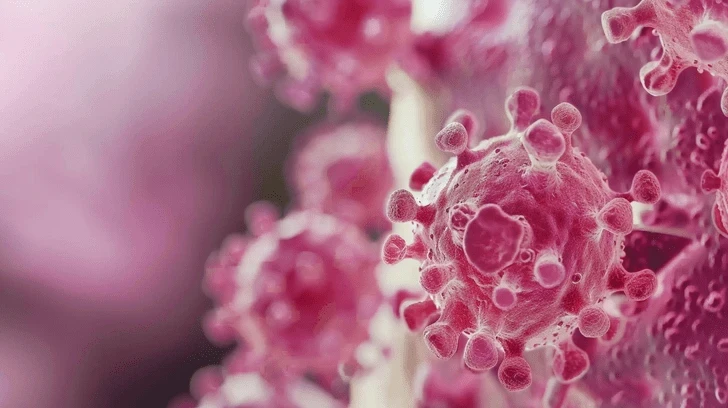
According to data, 95% of people are infected with the herpes simplex virus (Herpes Simplex Virus), but not everyone shows symptoms of the disease. The reasons why the virus activates in some individuals and not in others are still unclear.
The virus most often enters the body during childhood. At the age of 3-4, when the level of antibodies received from the mother decreases, herpes can be transmitted through saliva, kisses, or contaminated dishes. After entering the body, the virus reaches nerve endings, "sleeps," and activates when the immune system weakens.
- Recommendations for prevention:
- Follow personal hygiene rules:
- Use separate towels and dishes.
- Wash hands regularly with soap.
- Do not touch your face with your hands — this can lead to infection of the mucous membrane of the eyes and serious complications.
- During an outbreak, avoid kisses and touching the affected areas, as well as using saliva.