The specialist noted that chronic lung diseases are becoming a frequent problem in the region, which is linked to the high-altitude location of At-Bashy, characterized by sharp fluctuations in temperature and atmospheric pressure. With the arrival of November, there is an increase in cases of bronchitis and pneumonia, as well as exacerbations of chronic respiratory diseases.
“In winter, we observe a rise in cold-related illnesses. The main factors are hypothermia, poorly chosen clothing, and insufficient heating in homes, which contribute to a deterioration in health,” explained Rahmanova.
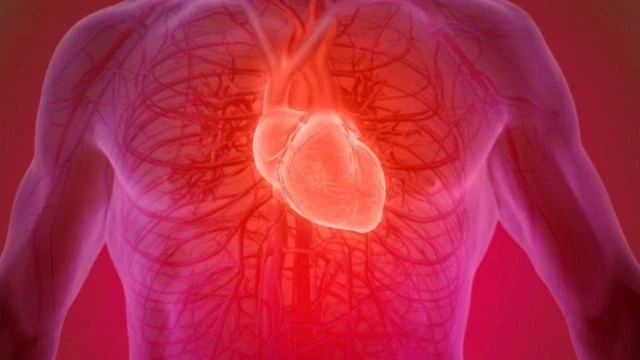
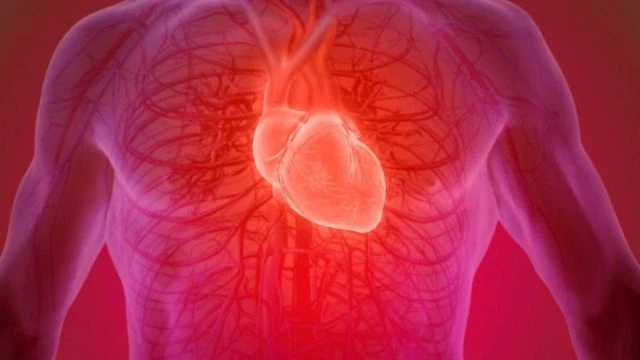
Additionally, the high altitude also affects the increase in cardiovascular diseases, among which arterial hypertension is predominant. The lack of oxygen and pressure fluctuations put additional strain on the heart and negatively affect the vascular system.
As part of the “Salamat jurok” (“Healthy Heart”) program implemented by the Ministry of Health, preventive measures are being carried out in the district aimed at preventing cardiovascular diseases, their early detection, and preventing complications.
“Quitting smoking is an important step. Nicotine causes spasms of the blood vessels in the lungs and heart, disrupts blood circulation, raises blood pressure, and increases the risk of heart attack and stroke,” the doctor added.
Poor nutrition also remains a serious problem. According to Fatima Rahmanova, many residents excessively consume flour products and potatoes, which are poorly digested. The habit of going to bed immediately after eating negatively affects digestion. Low physical activity leads to weight gain, which, in turn, raises blood pressure.
“Normal blood pressure is around 120/80, however, in some patients, it exceeds 200, which is extremely dangerous. This often happens due to irregular medication intake or refusal of treatment, leading to a sharp deterioration in condition,” noted the doctor.
Rahmanova also emphasized the importance of monitoring blood sugar levels, which should be within 3.3–5.5 mmol/L. Many people are unaware of elevated sugar levels, while diabetes can damage blood vessels and lead to kidney, eye, and heart diseases.
Moreover, monitoring cholesterol levels is also important, and it should not exceed 4 mmol/L. Frequent consumption of fatty foods and meat can lead to the formation of cholesterol plaques in the vessels, increasing the risk of stroke and heart attack.
Breathing disorders during sleep are also a problem. Overweight individuals may face sleep apnea—a temporary cessation of breathing, which requires special treatment. Without medical intervention, this condition can be life-threatening.
Doctors recommend quitting smoking, controlling one’s diet, avoiding excess weight, walking more in the fresh air, and reducing sugar intake. Antihypertensive medications should be taken strictly as prescribed by a doctor—regularly, in the morning and evening.
Dietary recommendations include moderate consumption of low-fat meat broths, increasing the proportion of vegetables, fruits, cereals, and bran bread in the diet. It is beneficial to eat fish rich in Omega-3 fatty acids and limit meat consumption. After eating meat, one should not drink tea for 30 minutes, as this hinders iron absorption.
Rahmanova also recommends avoiding heavy foods after 6 PM. If hunger arises, one can drink a glass of kefir or eat an apple.
In conclusion, the specialist emphasized the importance of physical activity. Regular brisk walking for 30 minutes a day helps improve blood circulation, lower blood pressure, and positively affects overall health.