The WMO expresses concern over the relentless changes in climate, emphasizing that the consequences of these changes will be felt long after their causes have been addressed. UN Secretary-General António Guterres calls for action, stating that the planet has reached the limits of its capabilities.
Abnormally High Temperatures
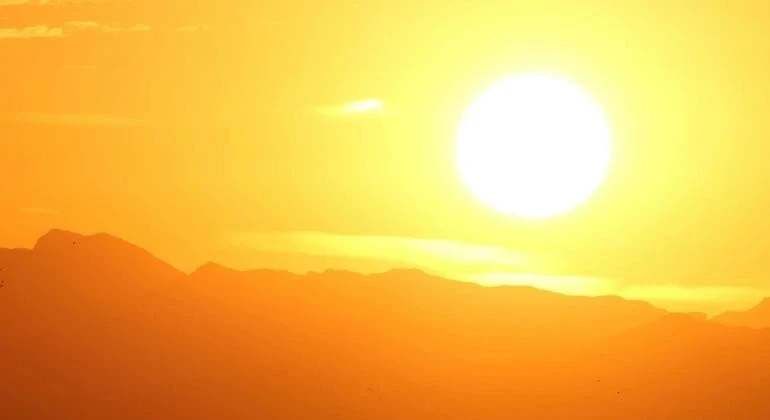
According to the report, 2025 was one of the hottest years since meteorological observations began. The average global temperature increased by 1.43 degrees Celsius compared to pre-industrial levels, which is just below the 1.5-degree limit set by the Paris Agreement. The period from 2015 to 2025 was one of the warmest in history.
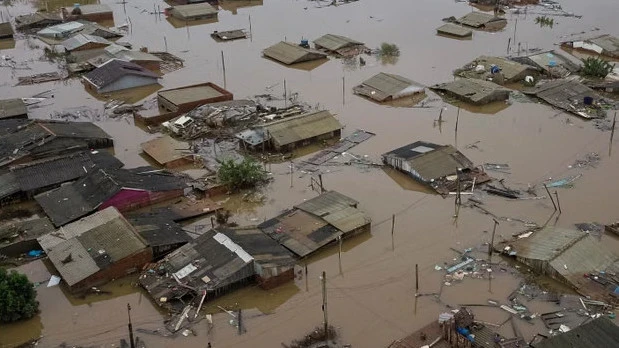
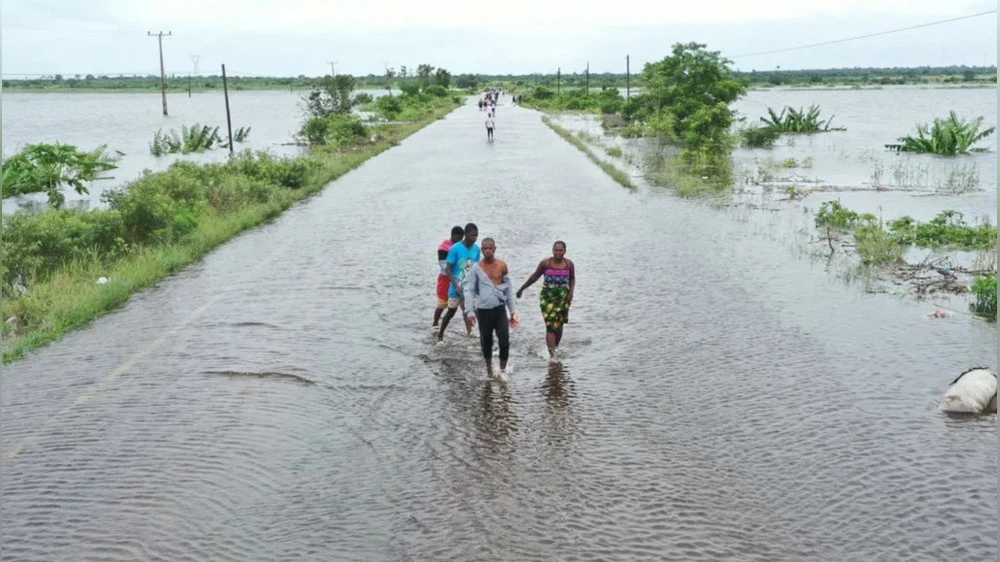
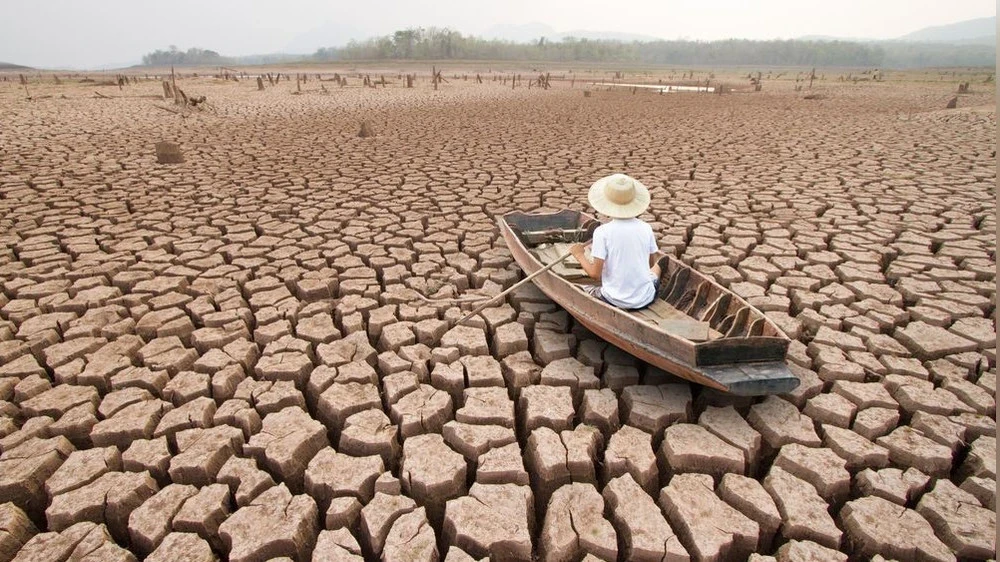
WMO Secretary-General Celeste Saulo highlights the consequences of increasingly frequent extreme weather events. Last year, heatwaves, wildfires, droughts, storms, and floods claimed the lives of thousands and affected millions, causing economic damage amounting to billions of euros.
Climate Records
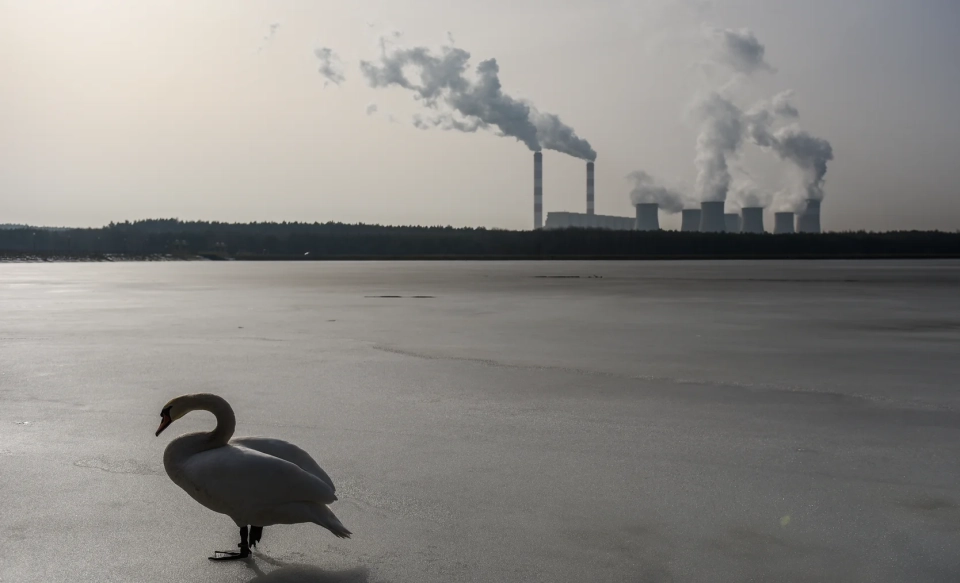
In 2025, the concentration levels of the three main greenhouse gases—carbon dioxide (CO2), methane, and nitrous oxide—continued to rise. Oceans reached record temperatures since observations began in 1960, and the rate of their warming from 2005 to 2025 doubled the rates recorded from 1960 to 2005.
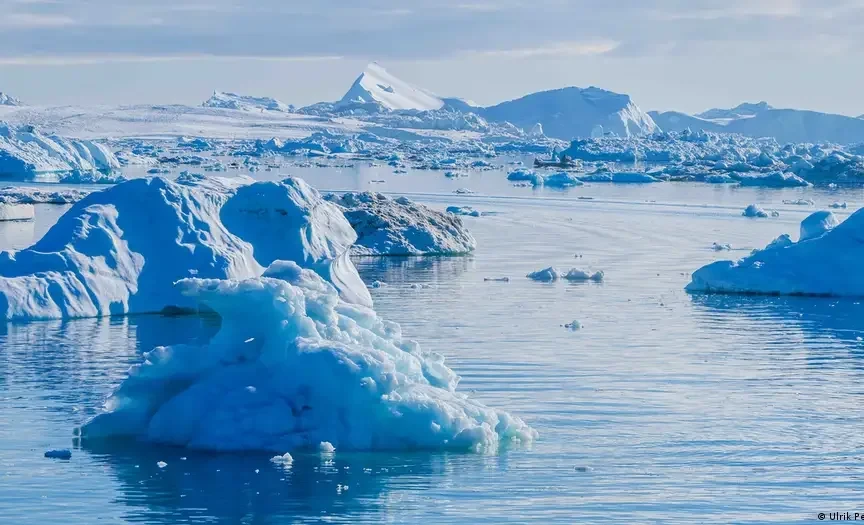
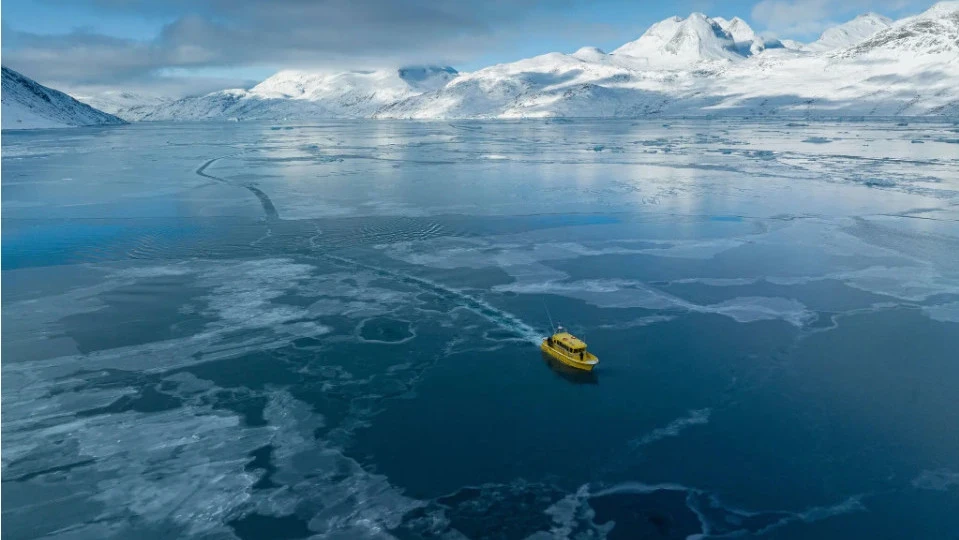
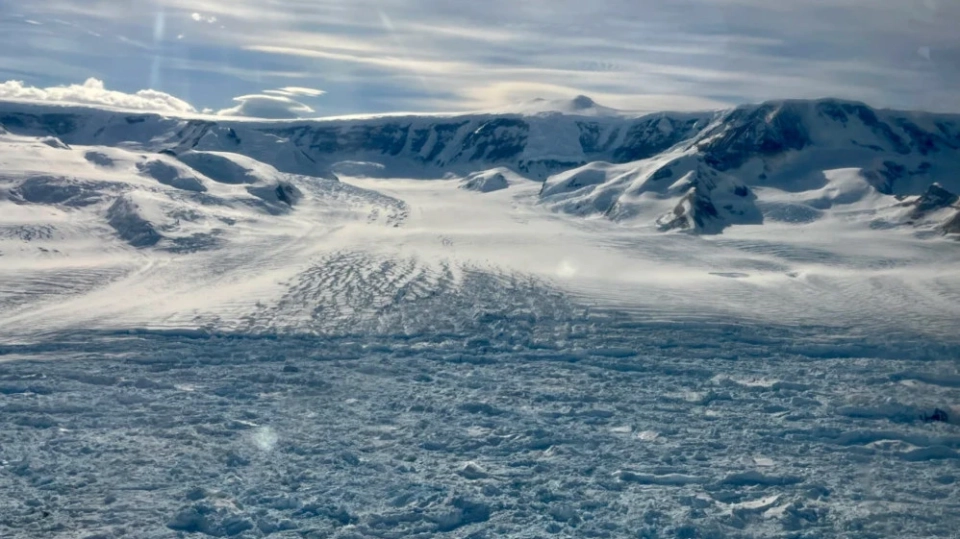
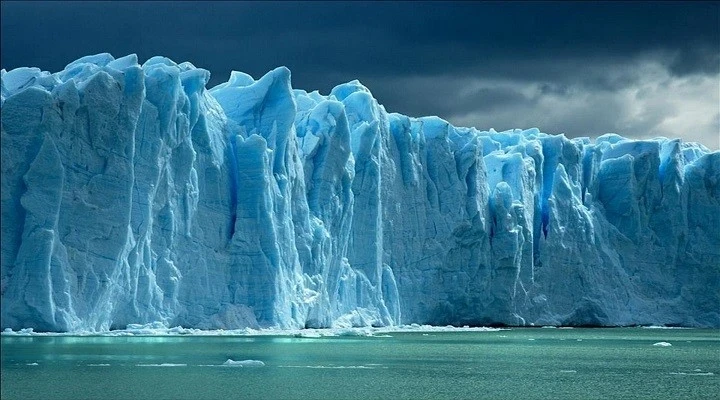
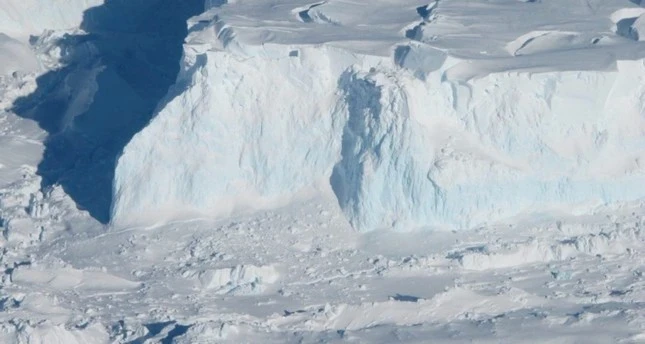
Glaciers are also continuing to melt at a high rate. The area of Arctic sea ice last year reached its lowest level in the entire satellite observation period that began in 1979, while the Antarctic glacier recorded its third lowest level after 2023 and 2024.
Planetary Energy Imbalance
The WMO report presents data on the Earth's energy imbalance for the first time, which is an important climate indicator. This imbalance, reflecting the ratio of absorbed to reflected solar energy, has been rapidly increasing since 1960 and reached a record level in 2025.
According to the WMO, over 91% of the excess heat is absorbed by the world's oceans, while only 1% goes to heating the atmosphere and the Earth's surface, and 5% to the continents.
According to estimates from the EU Copernicus service, 2025 was the third warmest year in the history of meteorological observations. The analysis conducted by the WMO is based on data from national meteorological services and may explain slight discrepancies in results.