According to the report, the last 11 years (2015-2025) have been the warmest on record, and 2025 is likely to rank second or third in temperature readings. Last year, the average temperature was 1.43 degrees Celsius higher than the pre-industrial level recorded between 1850 and 1900.
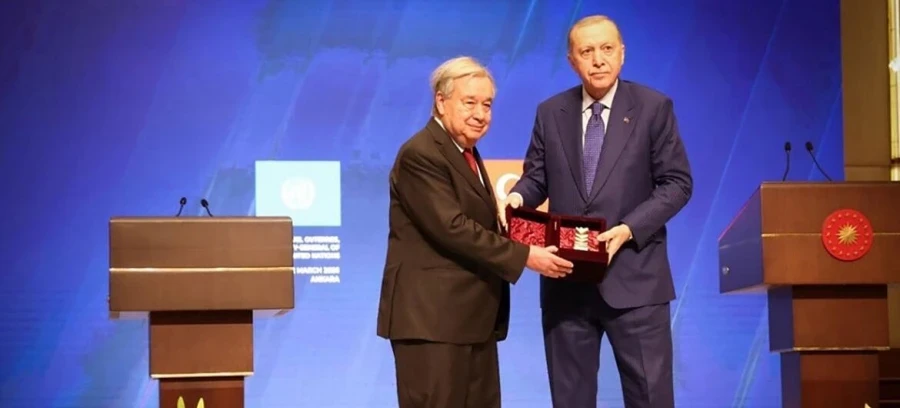
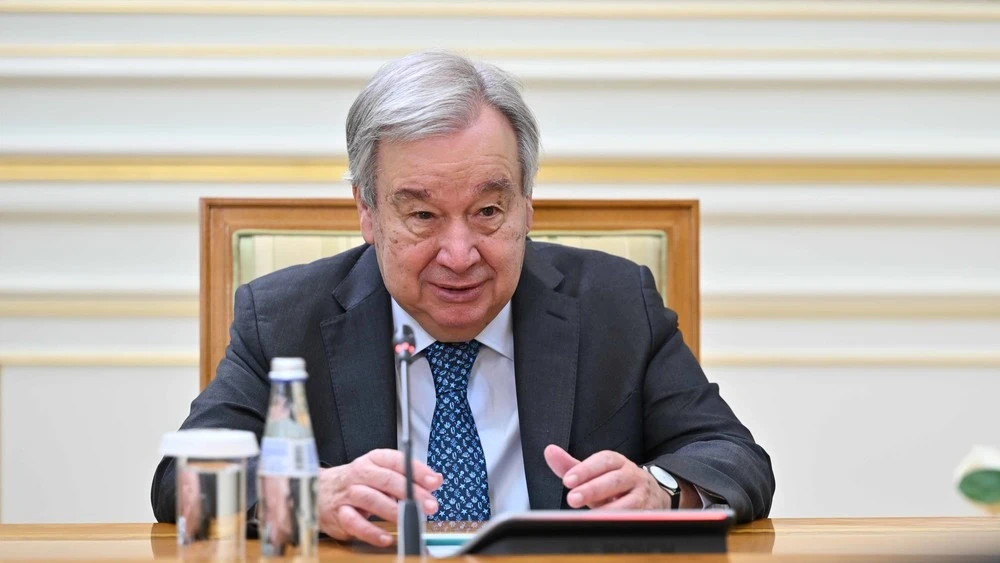
UN Secretary-General António Guterres noted: "All key climate indicators are showing alarming signals. If history repeats itself 11 times in a row, it is no longer a coincidence, but a call to action."
Ocean Warming and Glacier Retreat
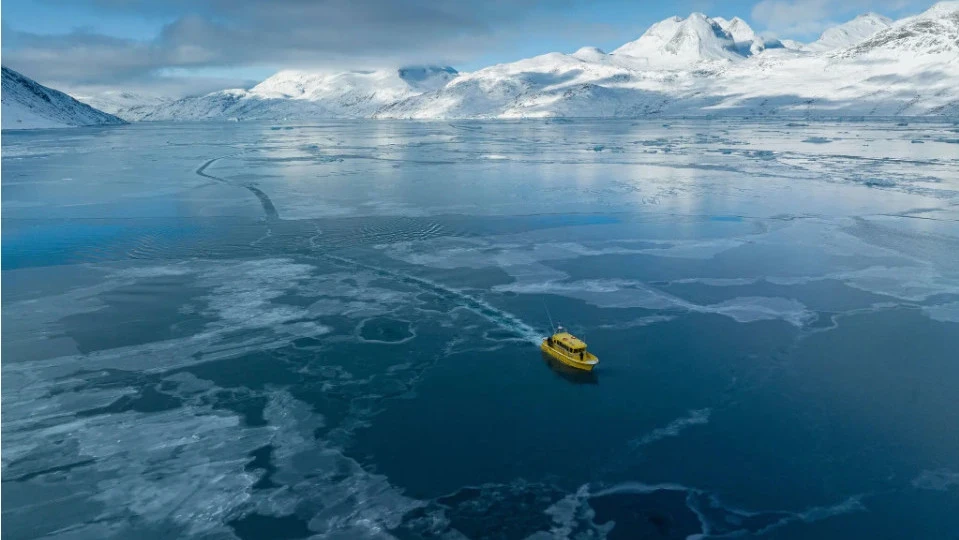
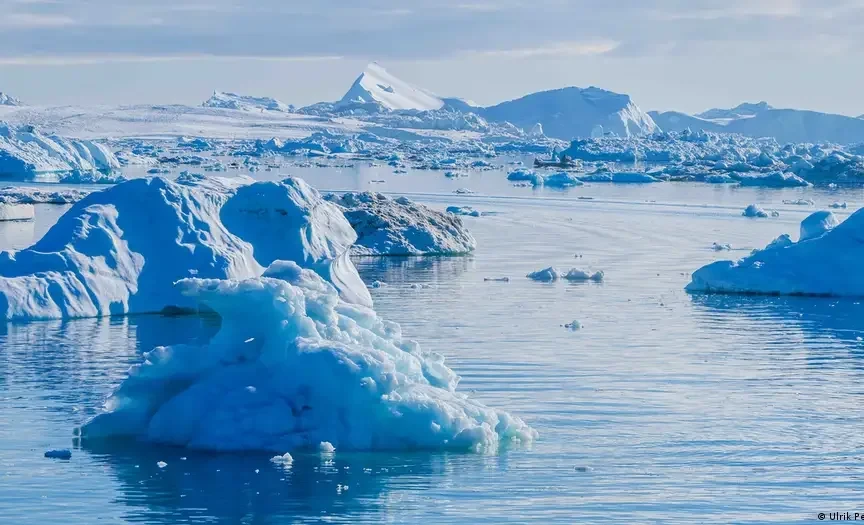
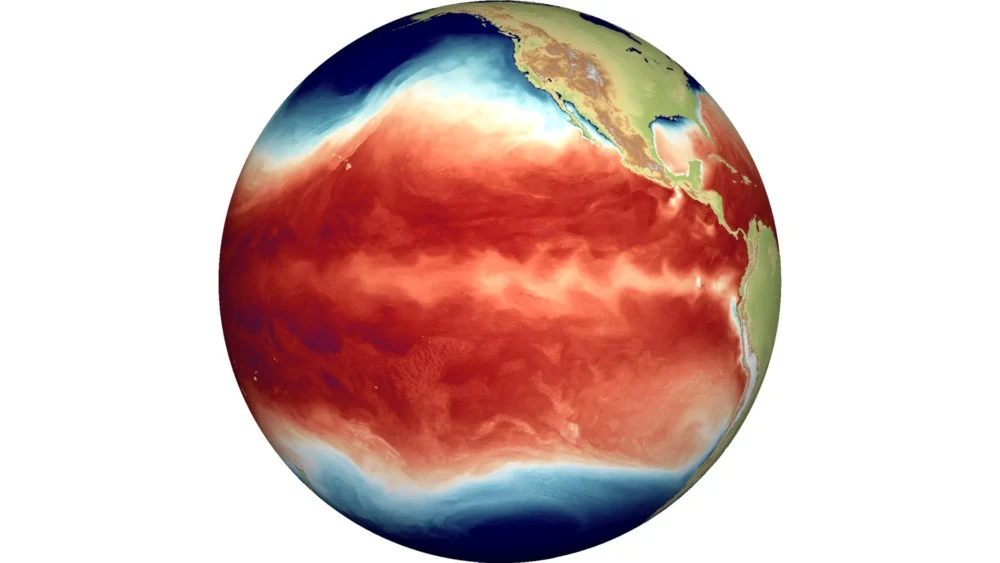
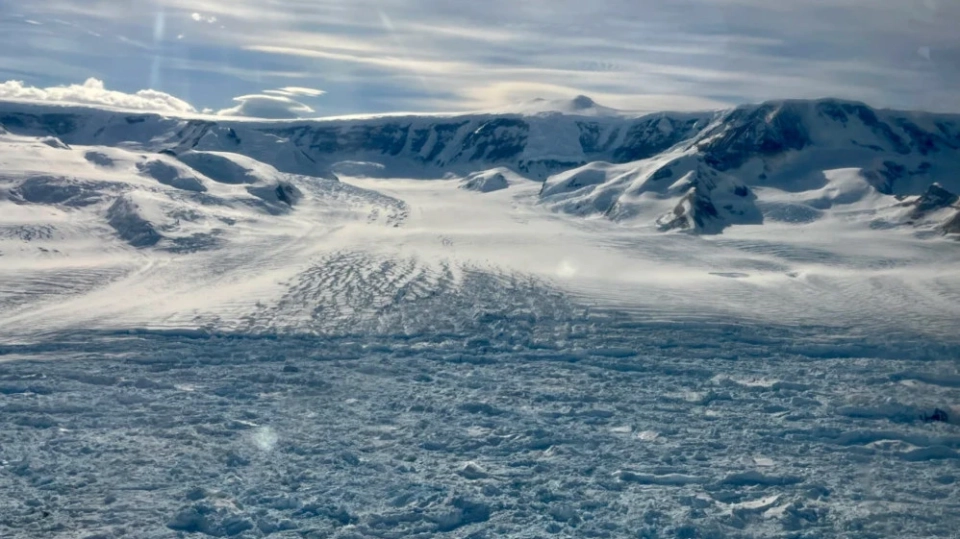
The world's oceans, which absorb over 91% of excess heat, have reached record temperatures. Over the past 20 years, they have accumulated energy equivalent to 18 years of human consumption.Ice caps continue to shrink: minimum levels of Arctic sea ice were recorded in 2025, while Antarctica showed the third lowest level since satellite observations began. Massive glacier loss is observed both in Iceland and along the Pacific coast of North America.
Global sea levels continue to rise, exceeding 1993 levels by 11 cm, when satellite measurements began. Experts note that these changes will continue for centuries, and changes in ocean temperature and acidity will become irreversible for millennia.
Earth's Energy Imbalance
For the first time, the WMO report presented a measure of energy imbalance, reflecting the difference between solar energy received by the Earth and heat that escapes. This imbalance has reached a record high in 65 years of observations.WMO Secretary-General Celeste Saulo stated: "Human activity is increasingly disrupting the natural balance, and the consequences of this phenomenon will be felt for hundreds, if not thousands of years."
Dangerous Consequences of Delayed Action
In 2025, extreme weather events—from droughts and hurricanes to floods and wildfires—caused thousands of human lives, affected millions of people, and led to economic losses in the billions. The report also notes an increase in food insecurity, migration, and deteriorating public health, including outbreaks of dengue fever and heightened heat stress.Guterres added: "In the context of current conflicts, climate change underscores another truth: our dependence on fossil fuels threatens both the climate and global security. This report serves as a warning: climate chaos is escalating, and inaction could lead to tragic consequences."
Photo on the main page is illustrative: Adobestock / Fahad.