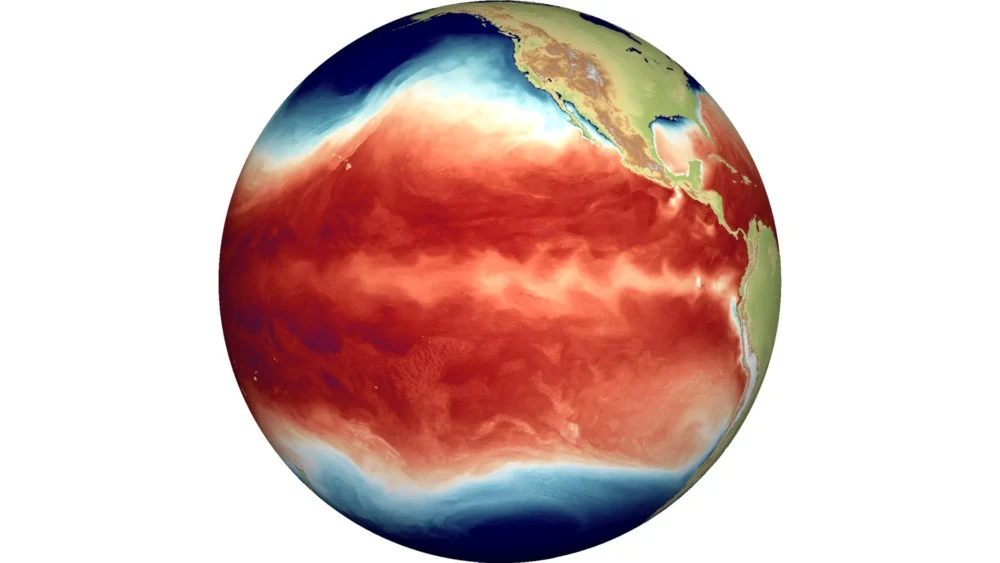
Scientists note that the natural cycle of El Niño, which has a significant impact on weather worldwide, not only amplifies the effects of global warming but is also undergoing changes due to its influence. This research also sheds light on one of the scientific mysteries: why global temperatures have sharply increased over the past three years.
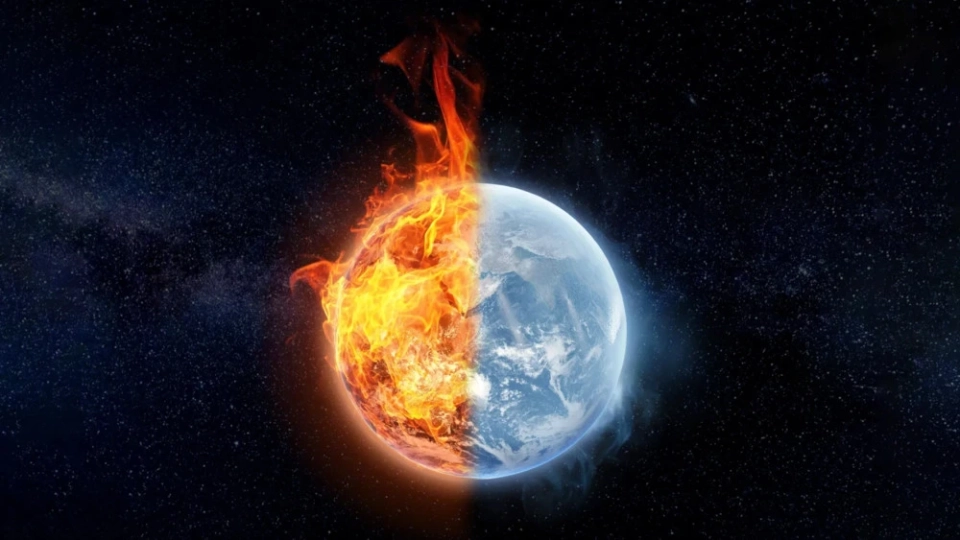
At the beginning of 2023, the average temperature on Earth significantly exceeded long-term trends associated with human activity, maintaining this high level until 2025. Among the factors contributing to this are the acceleration of the greenhouse effect, reduced pollution from shipping, underwater volcanic activity, and increased solar activity.
Researchers from Japan have identified that the main factor is the increase in Earth's energy imbalance — the difference between the solar energy received by the planet and the heat that escapes into space. They suggest that approximately 75% of the increase in this indicator can be explained by a combination of anthropogenic warming and the transition from a three-year cooling phase of La Niña to the warm phase of El Niño.
From 2020 to 2023, the world experienced a rare phenomenon — a triple La Niña, during which there was no intermediate phase of El Niño for three consecutive years. During this period, warm water sank to greater depths in the ocean, which contributed to a decrease in surface temperature and hindered the release of heat into space. This led to the accumulation of additional energy in the climate system.
Scientists compare the accumulation of heat in the climate system to the increase in human body temperature: the higher the temperature, the more the system strives to release it. However, the prolonged phase of La Niña temporarily "closed the lid," which facilitated heat accumulation. After the phase shifted to El Niño, this accumulated heat began to be actively released, intensifying global warming.
El Niño represents a periodic warming of the surface waters of the equatorial Pacific Ocean, leading to increased global temperatures and changes in precipitation worldwide. In contrast, La Niña is characterized by cooler waters and a temporary slowdown of global warming.
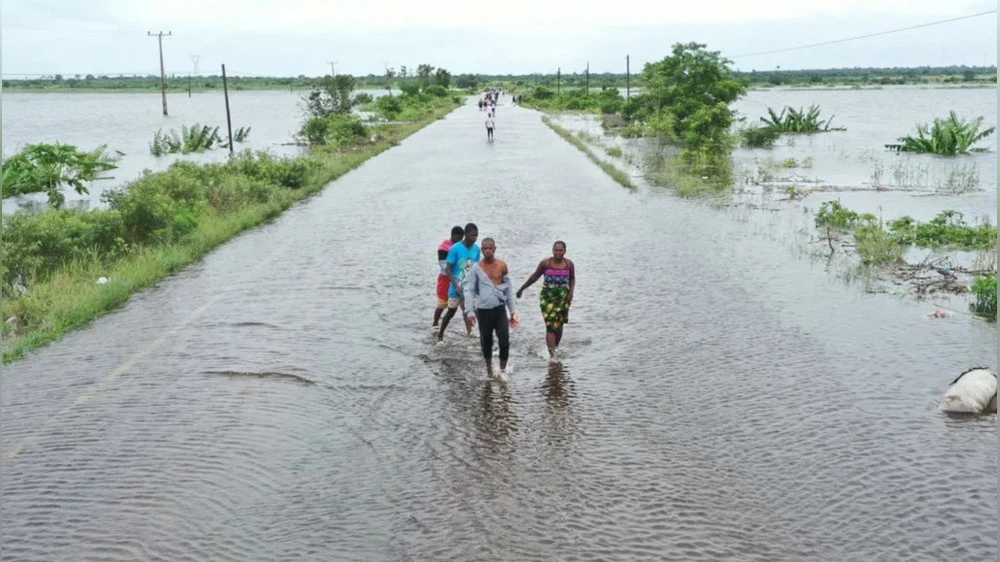
Both phenomena significantly affect weather conditions, including droughts, floods, and hurricanes. Research shows that La Niña can cause greater damage to the U.S. due to increased hurricane activity and periods of drought.
For many years, climatologists defined the onset of El Niño and La Niña by a deviation of ocean temperature of 0.5 °C from the climatic norm. However, this "norm" itself is changing rapidly due to the overall warming of the oceans.
Previously, NOAA updated baseline climate indicators every ten years, then every five years, but this proved insufficient. As a result, the agency introduced a new relative index, where temperatures are compared not to a historical norm but to the rest of the tropical zone of the planet.
Experts believe that the new methodology will lead to more episodes being classified as La Niña and fewer as El Niño compared to the previous system.
In its forecasts, NOAA expects that a new cycle of El Niño may begin in the second half of the current year — in late summer or autumn. If it ends early enough, it could reduce the activity of Atlantic hurricanes, but at the same time increase the likelihood of record temperatures in 2027.
Specialists warn that the concept of "normal" weather has become outdated, and the accumulated heat in the climate system will contribute to increasingly extreme weather events in the coming years.