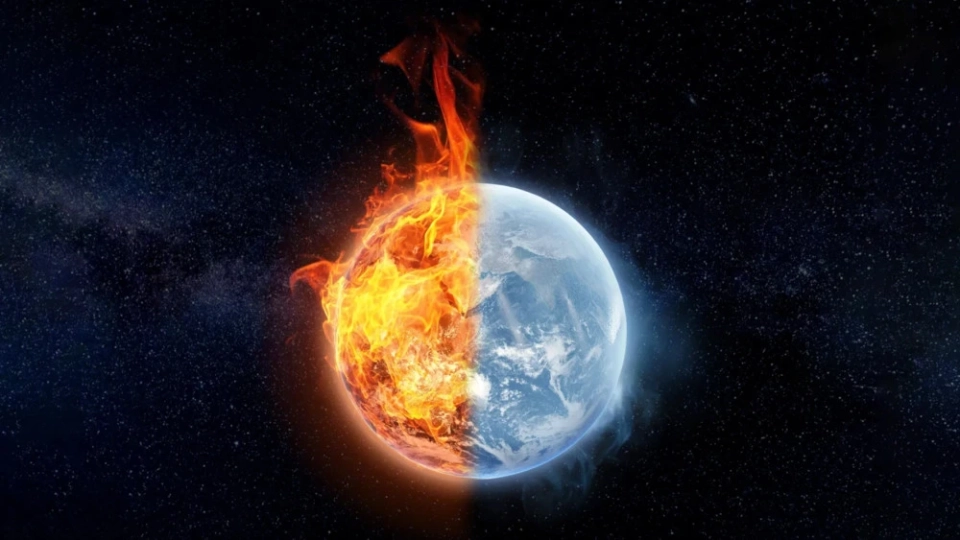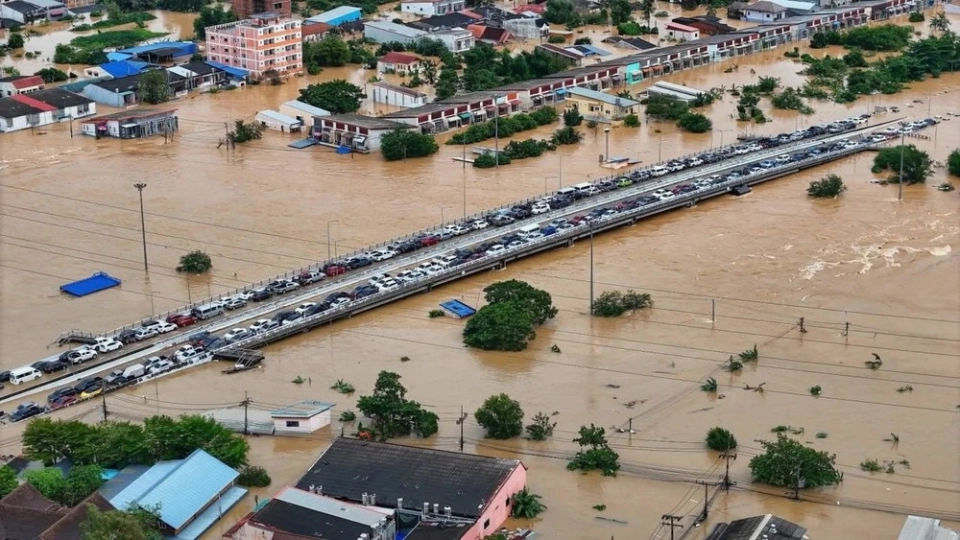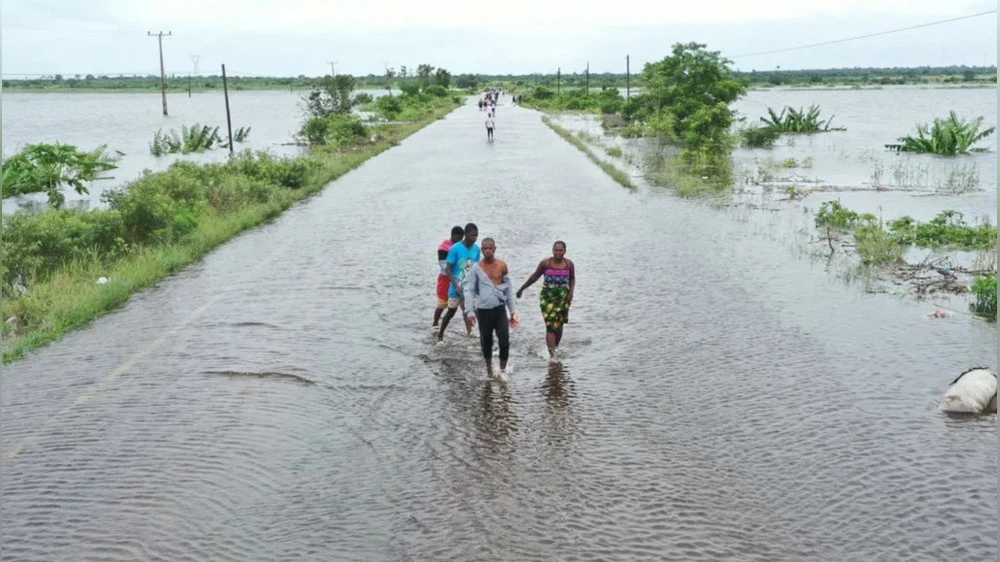
In their report, compiled by scientists from various research institutions such as Imperial College London and the Royal Netherlands Meteorological Institute, the authors note that the intensity of rainfall has increased by 40% compared to the pre-industrial period. This is linked to rising ocean temperatures caused by greenhouse gas emissions, as well as exacerbating conditions from La Niña. Since early December, severe flooding has caused significant damage in countries including Mozambique, South Africa, Zimbabwe, and Eswatini, where in some regions the amount of precipitation over a short period exceeded the annual norm.
La Niña is a temporary cooling of waters in the central and eastern parts of the Pacific Ocean. The World Meteorological Organization predicts that this phenomenon will be weak in the current cycle, but emphasizes that climate change is leading to rising sea temperatures, which in turn increases the risk of flooding and droughts.
According to Izidin Pinto, a senior climate scientist at the Royal Netherlands Meteorological Institute and co-author of the study, “climate change driven by human activity significantly increases precipitation, which delivers a devastating blow to those in its path.”
Bloomberg, in turn, reports that La Niña increased precipitation over 10 days by 22%, while global warming had an even greater impact, almost doubling it.
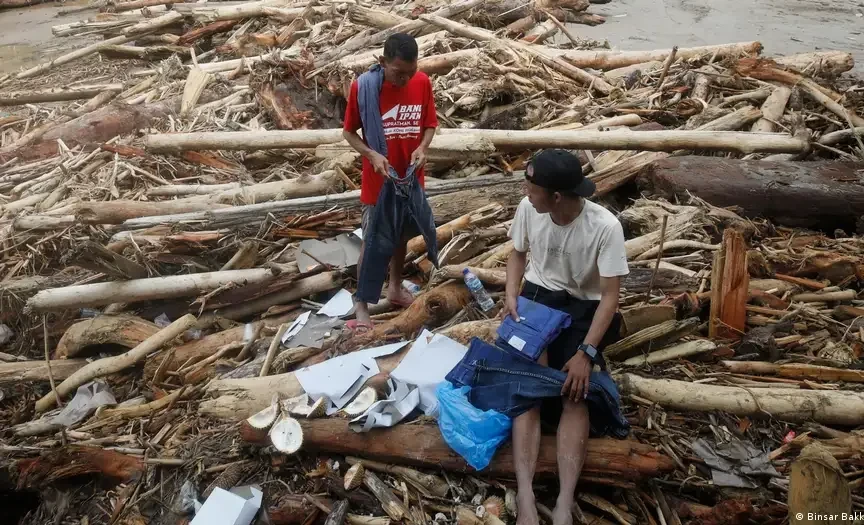
According to the agency, flooding in southern Africa has resulted in the deaths of around 300 people, and according to information from the UN Office for the Coordination of Humanitarian Affairs, approximately 800,000 people have been affected by heavy rains, particularly in Eswatini, Madagascar, Malawi, Mozambique, South Africa, Tanzania, Zambia, and Zimbabwe. The Southern African Development Community reports that at least 1.3 million people have been affected, and 560,000 have been forced to leave their homes.