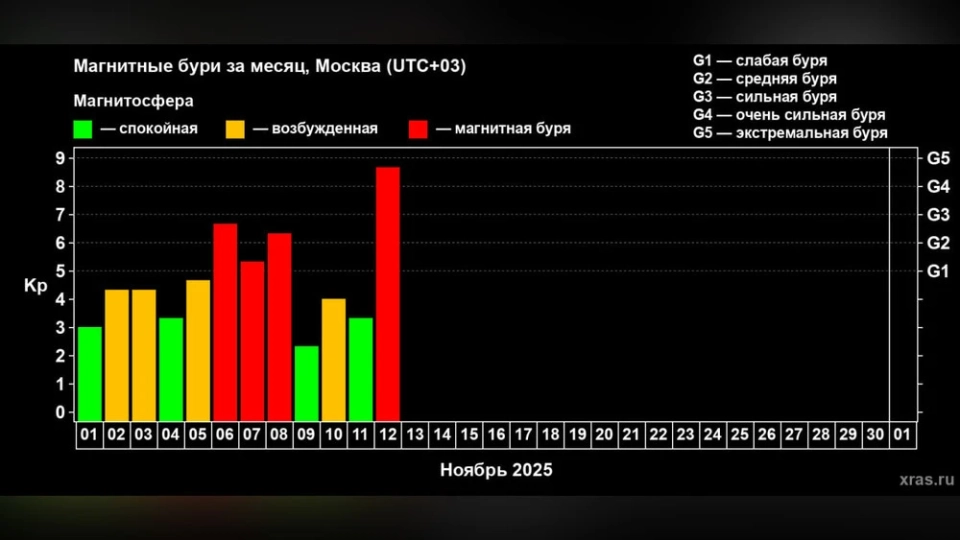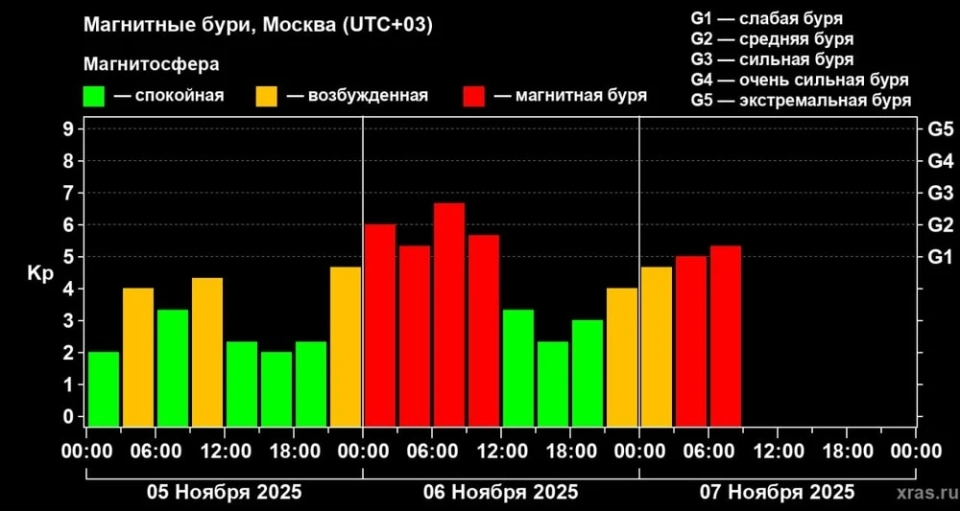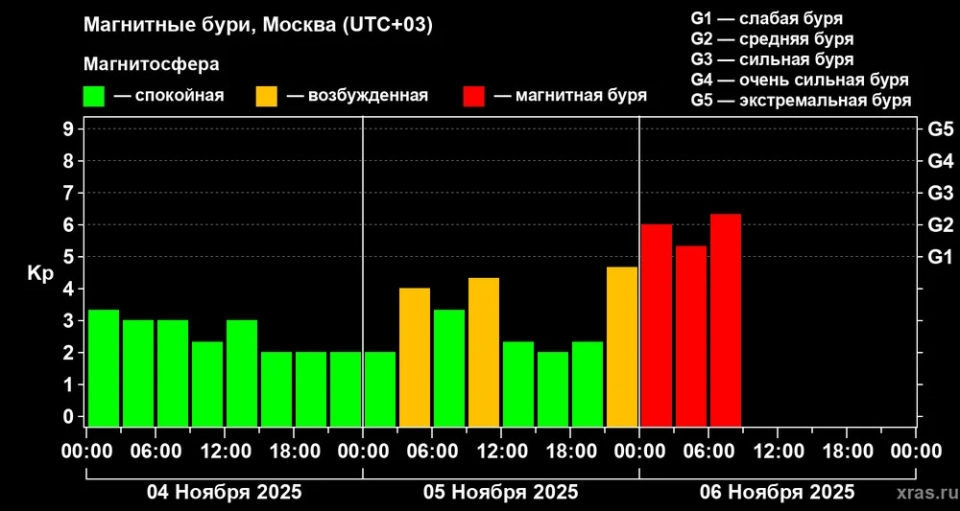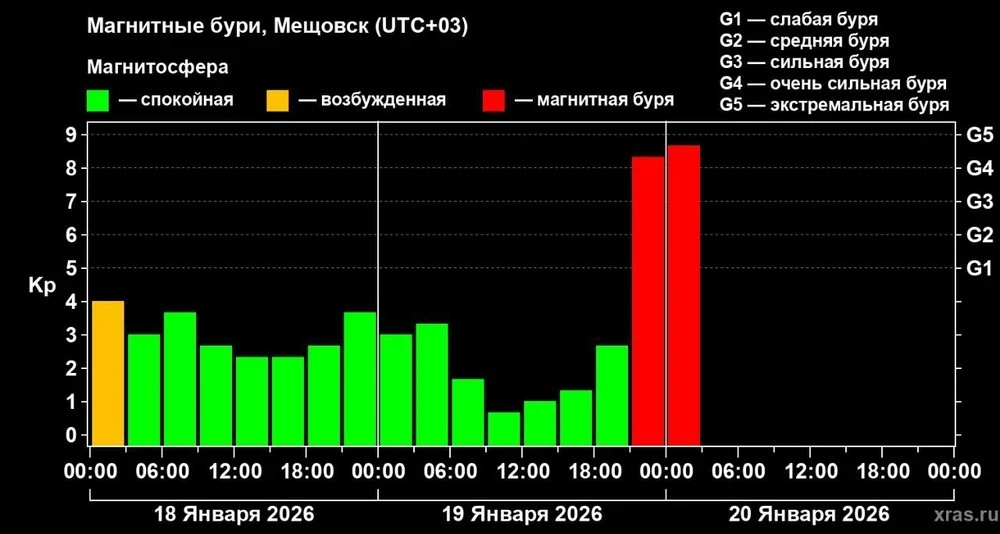
According to the report, "the question remains whether the storm will reach the maximum level G5 in the coming hours — such a level has only been recorded once in the last 20 years, in May 2024." Scientists emphasize that solar wind readings are at record levels.
The National Oceanic and Atmospheric Administration (NOAA) announced that January 20 will be an especially critical day, with adverse weather conditions expected due to a strong surge in solar activity and a magnetic storm.
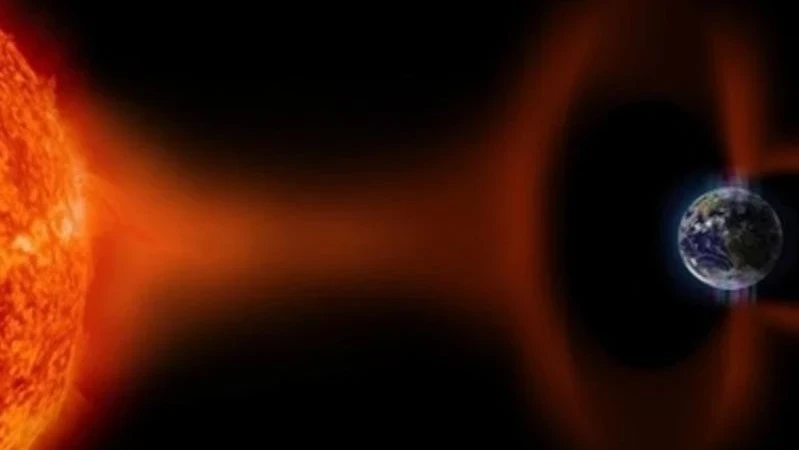
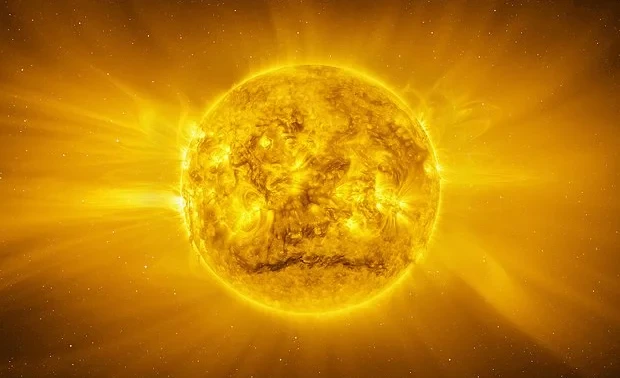
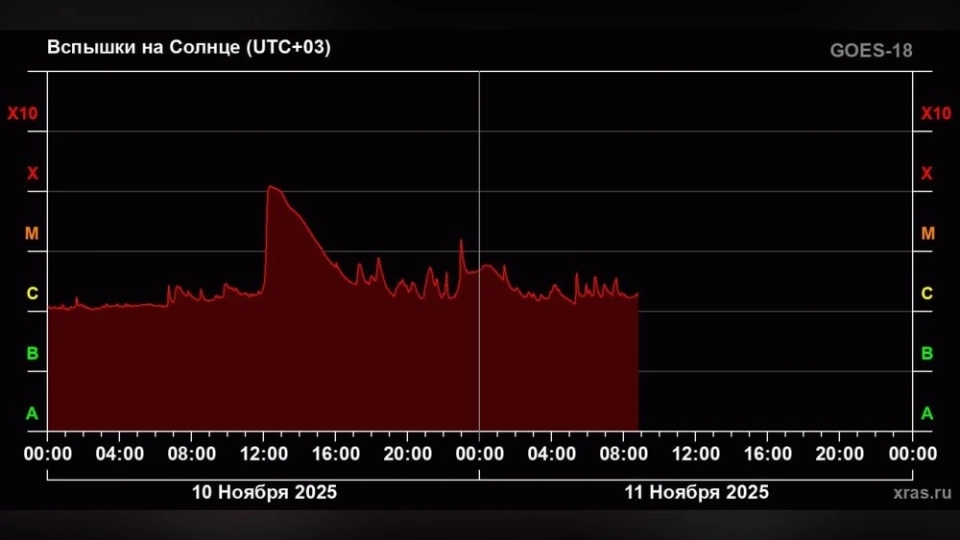
Researchers from the Space Research Institute of the Russian Academy of Sciences noted that after the powerful X19.5 class flare that occurred on January 18, a plasma cloud will reach Earth on the night of Tuesday, leading to magnetic storms and auroras. "Events of this magnitude are difficult to predict," the scientists added, specifying that the most intense magnetic disturbance at level G4 was expected from 9:00 AM to 12:00 PM Moscow time, with a 10% chance of G5 level flares.
On the evening of January 19, the laboratory reported the onset of a radiation storm at level S4, which occurred for the first time in two solar cycles (approximately 22 years). The flow of solar protons reached 37,000, setting a record for the 21st century and exceeding the powerful flares of 2003. The S4 level is classified as very high, and stronger classes, such as S5, have never been recorded in the history of observations. That same evening, the Space Research Institute confirmed that a collision with a plasma cloud caused by the X-class solar flare had occurred.