Causes of the Protests
The primary reason for the protests was the sharp deterioration of the economic situation. The exchange rate of the Iranian rial plummeted to a record level—over 1.4 million rials per dollar by the end of December 2025, which is double the level of the previous year. This led to a decline in purchasing power and a sharp rise in inflation, exceeding 40%, while food prices increased by 72% compared to the previous year. Key factors exacerbating the situation included:- Currency Crisis. The devaluation of the rial led to the resignation of the head of the Central Bank of Iran on December 29. This negatively impacted the prices of imported goods and the savings of the population.
- Consequences of Conflicts and Sanctions. Iran entered a brief armed conflict with Israel in June 2025, resulting in the destruction of infrastructure in several cities. In September 2025, the UN reimposed strict sanctions on Tehran, further worsening the country's economic isolation.
- Increase in Fuel Prices. In December, the government cut fuel subsidies, significantly raising gasoline prices and creating an additional burden for citizens.
- Long-term Problems. High unemployment, corruption, and ineffective governance also contributed to the growing discontent. Many Iranians blame the authorities for failed economic policies, leading to the phrase "the cost of silence has become higher than the cost of protest."
Beginning of the Protests
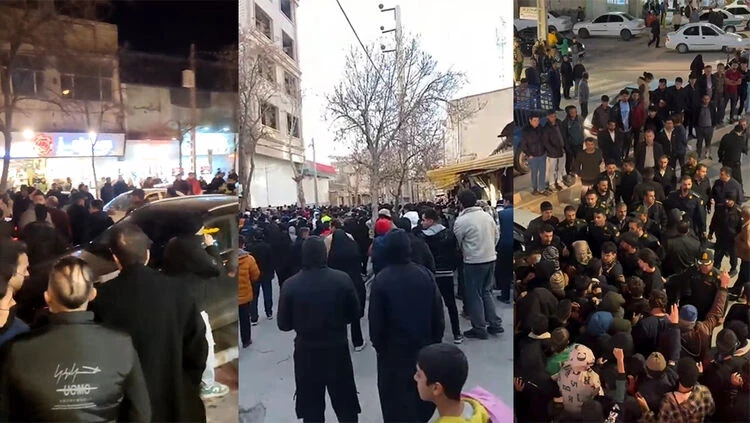
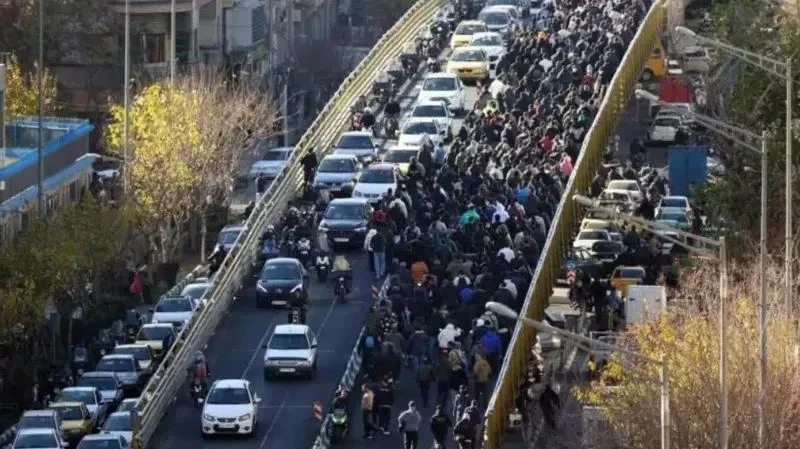
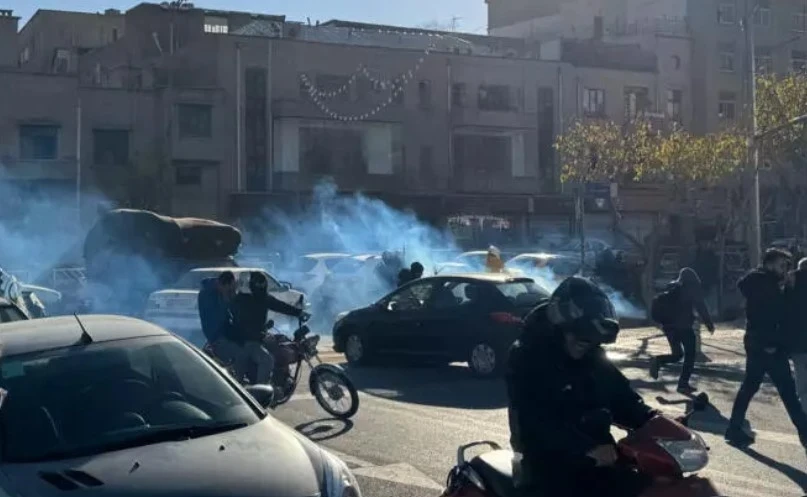
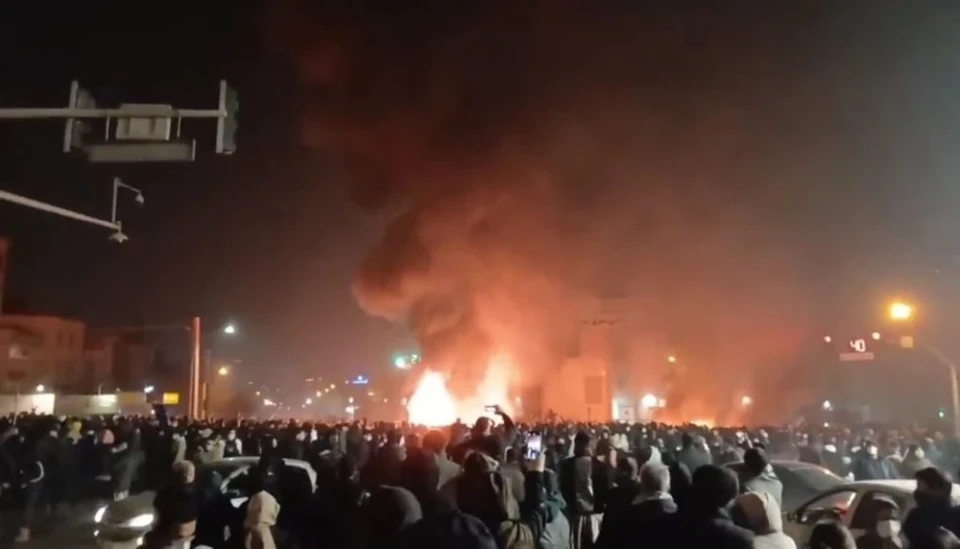
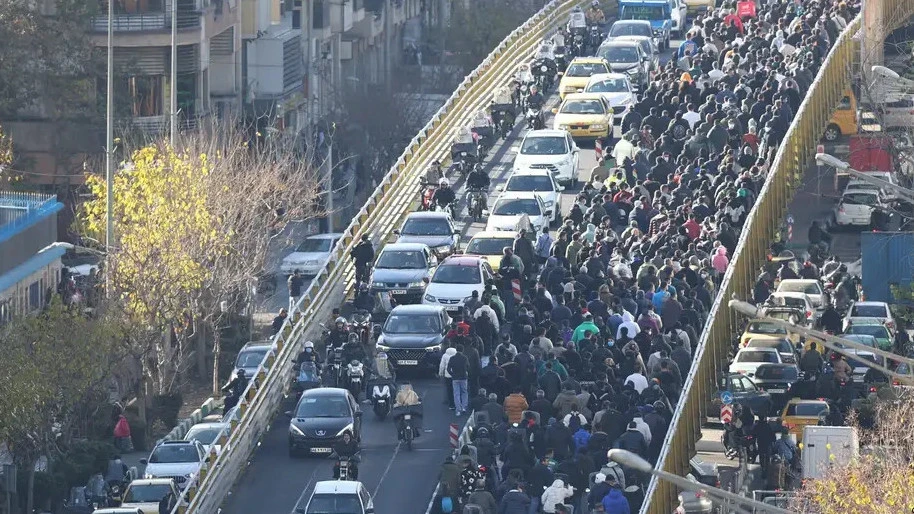
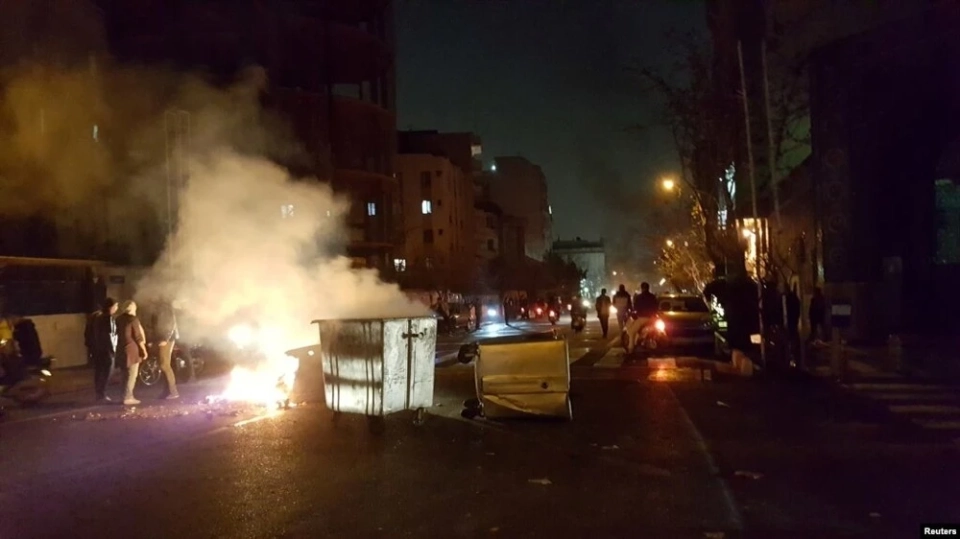
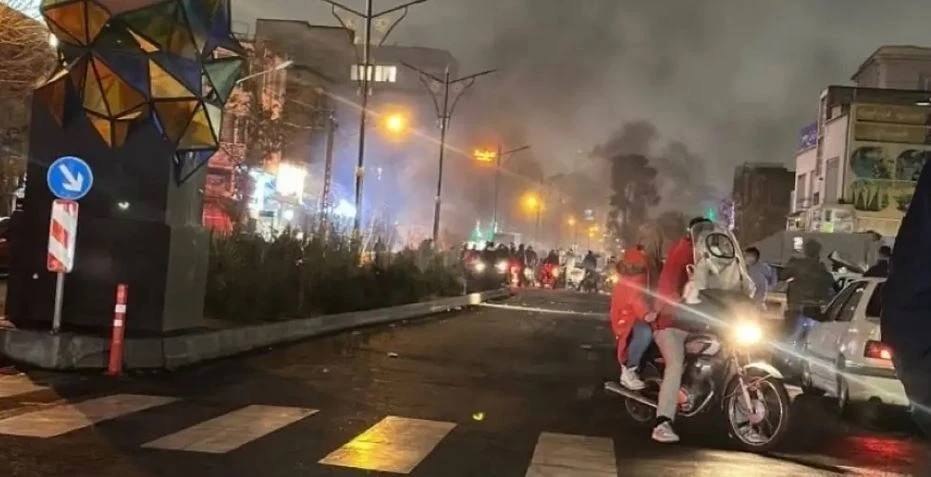
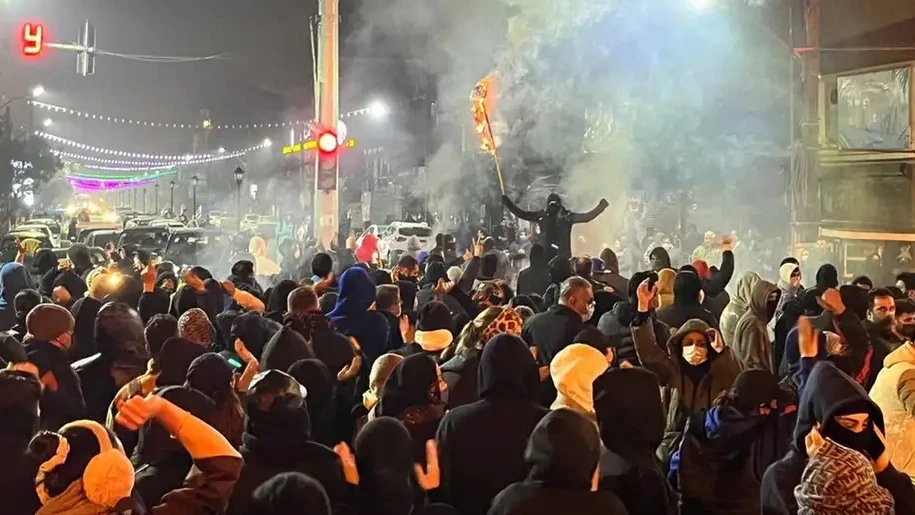
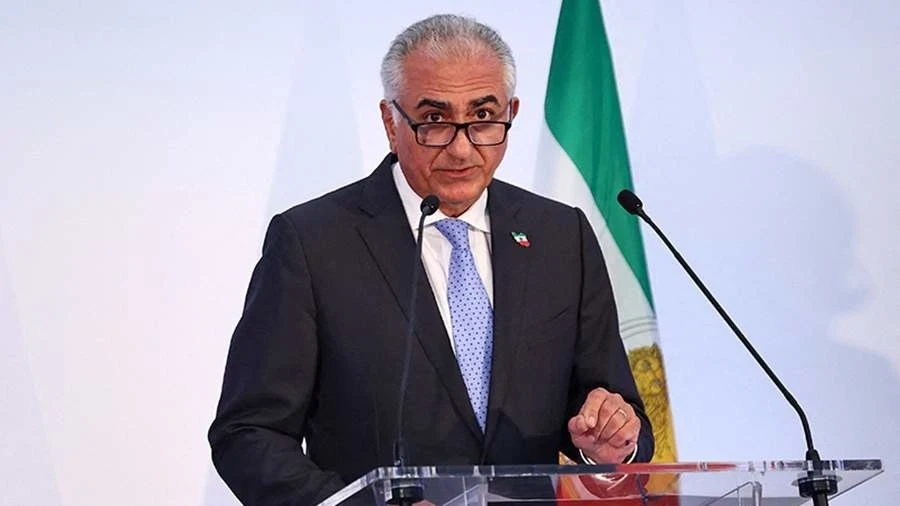
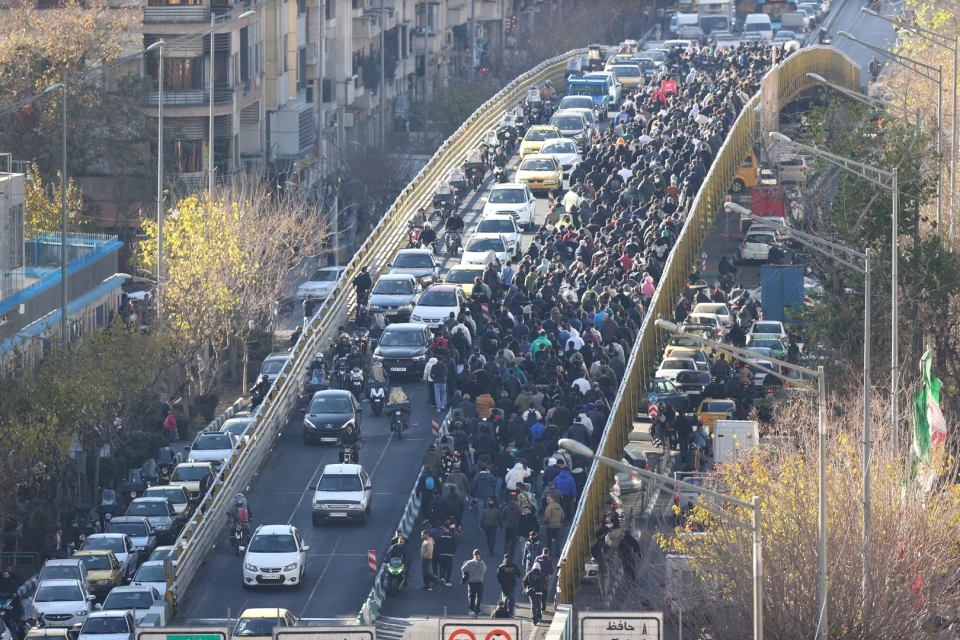
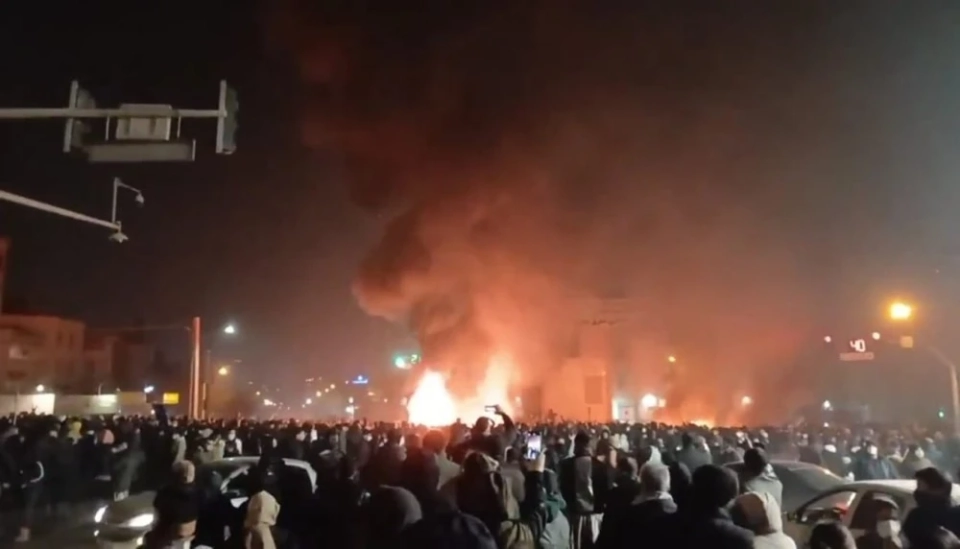
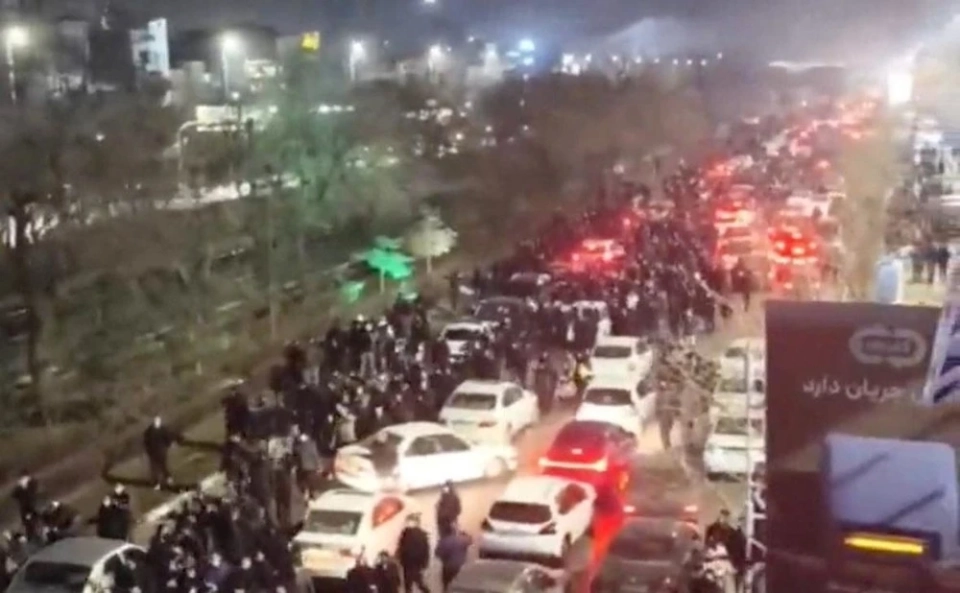
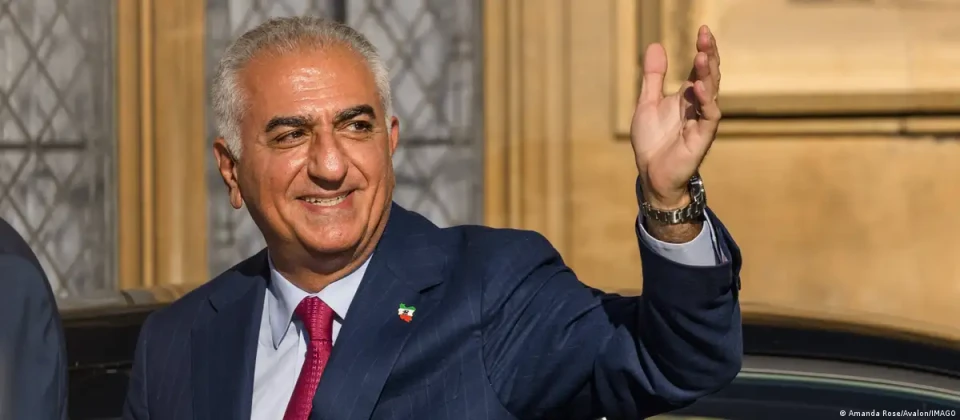
Soon, the protests spread beyond the bazaar to the streets of Tehran and other cities. By December 29, protests had engulfed major cities, including Isfahan, Shiraz, and Mashhad. The police attempted to disperse the crowds with tear gas, but this only strengthened the protesters' resolve. Initially, economic demands shifted to political ones as anti-government slogans emerged in the crowd. Protesters began chanting "Death to the dictator!" and calls for a change of power, expressing dissatisfaction with the ruling regime. Some demonstrators began to nostalgically recall the monarchy, raising flags from the Shah's era and chanting slogans in support of Reza Pahlavi, the son of the last Shah of Iran, who now lives in exile in the USA. Although Pahlavi himself called for a referendum on the form of government, his name became a symbol of protest against the spiritual leaders.Notably, the protests had a spontaneous and heterogeneous character. People from both the urban lower and middle classes, as well as students, women, and representatives of national minorities, particularly in Kurdish and Lur regions, took to the streets. Students began strikes, and by January 7, protests were occurring in 45 universities across the country. Merchants also joined the protests, paralyzing economic life in various cities.
Escalation of the Conflict
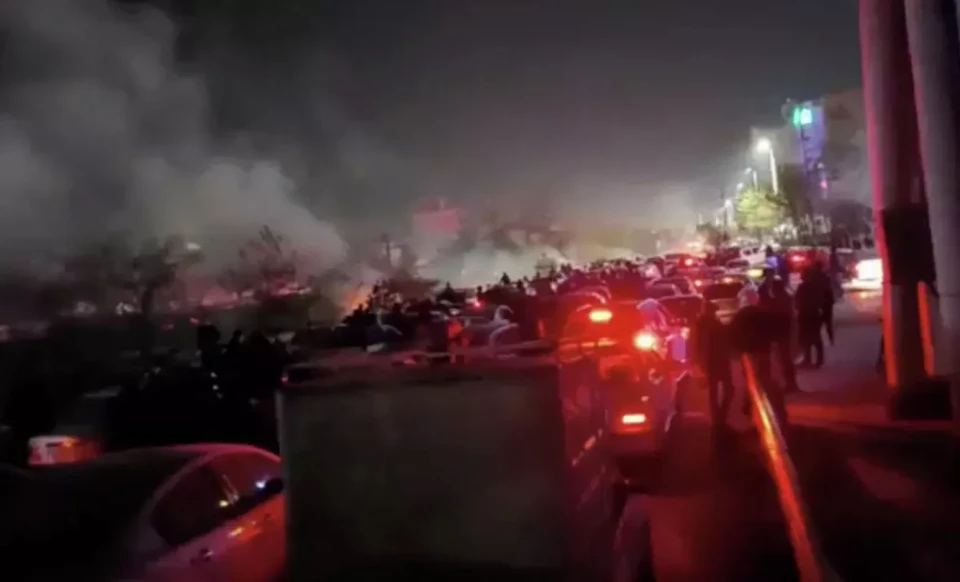
As the protests began to gain momentum, Iranian authorities resorted to harsh measures. On January 3, 2026, Ayatollah Ali Khamenei labeled the protesters as "rampaging rebels" and called for their suppression. The Islamic Revolutionary Guard Corps (IRGC) in Lorestan province announced the end of the "period of tolerance" and threatened retribution against the protesters. On the same day, the head of the judiciary ordered an expedited review of the cases of those detained, effectively giving a free hand to the security forces.Security forces launched an operation to suppress the protests, using batons, tear gas, and water cannons, and at times, live ammunition. According to human rights organizations, there were instances of live ammunition being used against protesters without warning, even when the actions were peaceful. In the first week of clashes, at least 28 people were killed in 13 cities.
The most brutal repression occurred in the western regions and among national minorities, where reports indicated dozens of fatalities. In Lorestan, for example, on January 1, the IRGC opened fire on unarmed protesters, killing six people. Similar incidents occurred in other cities, demonstrating the authorities' determination not to yield.
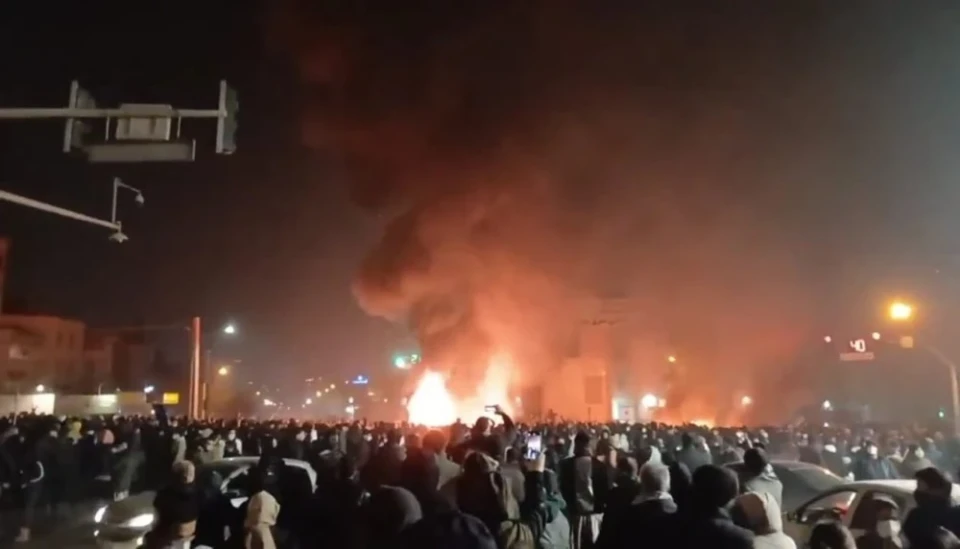
On January 8-9, the protests peaked despite the repression. Opposition leaders called on citizens to take to the streets en masse, and in response, authorities shut down mobile internet nationwide. By January 10, Iran experienced a total internet blackout; however, protesters found ways to communicate information to the outside world using the Starlink satellite network.
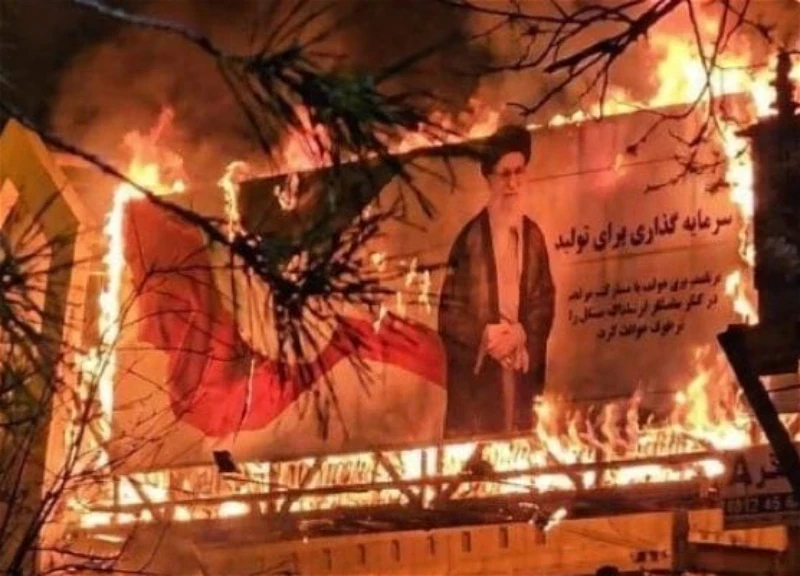
Despite the information blockade, the scale of the protests became known. On the night of January 10, thousands took to the streets of Tehran, chanting "Death to Khamenei!" and "Long live the Shah!" In Mashhad, Khamenei's hometown, protesters tore apart the flag of the Islamic Republic. According to the opposition organization HRANA, by that time, protests had spread to over 570 settlements.
In response to the protests, authorities intensified repression. Eyewitnesses reported snipers on rooftops firing at protesters. One protester relayed via satellite that "hundreds of bodies are lying in the streets." Medical personnel in overcrowded hospitals reported numerous gunshot wounds. Human rights organizations noted that the brutality of the crackdown exceeded even the events of 2022. Despite arrests (by mid-January, over 18,000 people had been detained), protesters continued to take to the streets.
Suppression of the Protests
By mid-January, Iranian authorities claimed that the protests were declining and would soon be completely suppressed. On January 12, Foreign Minister Abbas Araghchi stated that security forces had taken control of the situation. State television began airing pro-government rallies as evidence that the people supported the regime. At the same time, authorities accused external forces of organizing the unrest.Araghchi claimed that the protests had turned bloody to provide a pretext for foreign powers to intervene, and that the rebels were receiving weapons from foreign intelligence services. The Ministry of Interior reported the restoration of order, stating that open demonstrations had ceased; however, the internet blockade continued, hindering independent sources from verifying information.
Accurate data on casualties remains unavailable, as authorities do not publish official reports. However, according to information from various sources, Reuters reported that around 2,000 people may have died during the protests, including both protesters and security forces. Nevertheless, independent observers, such as the human rights organization HRANA, reported over 3,090 dead protesters by January 17. Some sources claim that the death toll could reach 12,000, based on video footage from morgues in Tehran.
Additionally, tens of thousands of Iranians have suffered and faced persecution. Human rights activists report mass injuries, many detainees are in prisons without contact with their families and are subjected to violence. Authorities are forcing families of the deceased to deny the truth about the causes of their loved ones' deaths under the threat of banning funerals. Meanwhile, state media broadcast edited "confessions" of detained protesters.
Iranian authorities do not hide their intentions to severely punish the organizers of the protests. Calls for the death penalty for detained demonstrators are heard in mosques, and conservative clerics threaten retribution against both protesters and foreign leaders, accusing them of supporting the rebels.