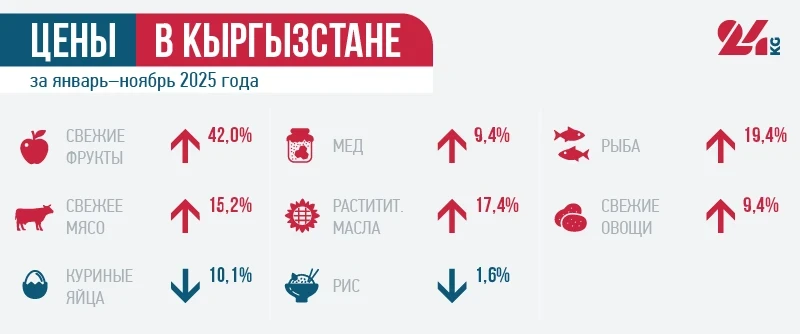
Kaktus.media analyzed how prices in the country have changed since the beginning of 2025.
Inflation
From the first days of the new year, price increases have been observed in Kyrgyzstan. At the beginning of this year, the indicators were moderate, around 1-1.5% per month. However, the residents of the country felt that prices were rising much faster, and every trip to the store caused despair. Basic products, such as flour, carrots, and meat, became unaffordable, turning into luxury items.To combat inflation, the authorities were forced to take emergency measures, including raising the key rate of the National Bank to 11% in order to bring inflation back to the target level of 5-7%.
Meat Prices
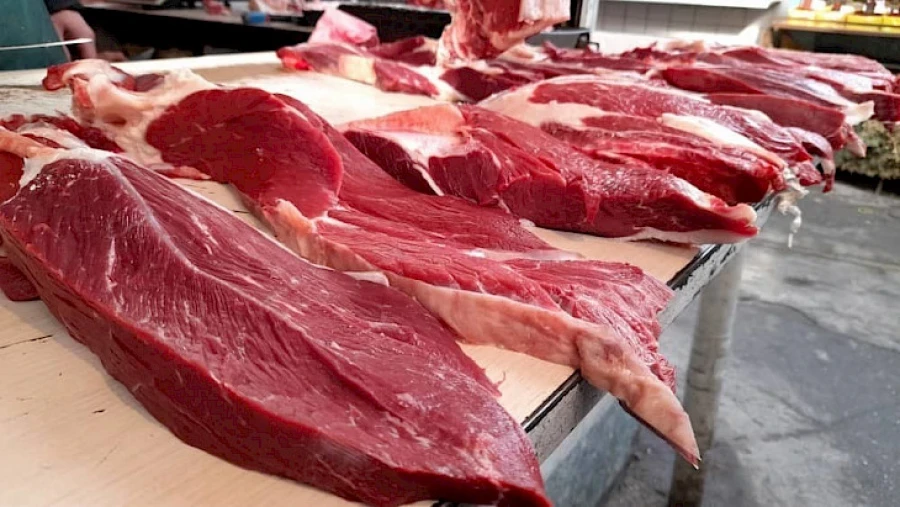
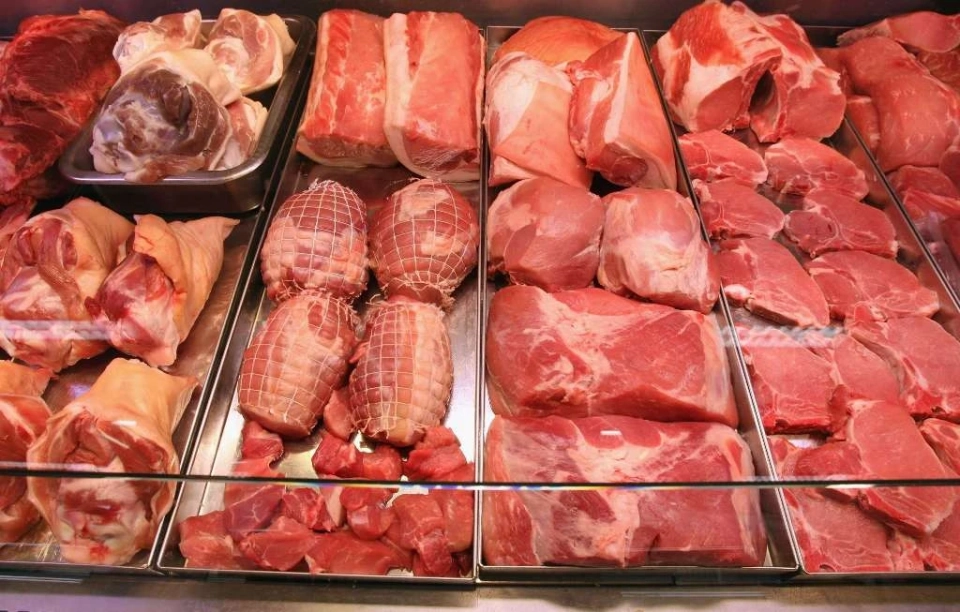
The most significant price increases have been observed in the meat sector. The authorities were forced to impose an export ban and control domestic prices, but this did not help stop the price rise. Meat became unaffordable, despite the fact that the country produces it in sufficient quantities.According to sellers, the price increase is related to the rising costs of livestock maintenance, which is due to the increase in prices for feed, fuel, and rental of trading places. In some regions, social points of sale for meat with lower prices have been organized, but this does not solve the problem as a whole.
Vegetables, Fruits, and Other Food Products
The National Statistical Committee monitors prices for 17 basic food products daily. A comparison of data from mid-December last year and current prices shows that almost all products have become more expensive, with the exception of medium rice and eggs. According to the Ministry of Agriculture, this year Kyrgyzstan fully provides itself with chicken eggs and even exports them. For example, from August to January 2025, 3.3 million eggs were exported.An unusual sharp increase in carrot prices was observed this summer. If in 2024 the price was 45-50 soms per kg, this year it rose to 75-120 soms. With the arrival of the new harvest, the situation improved slightly.
In August, watermelons also significantly increased in price in Bishkek, reaching 50 soms per kg. This was due to exports, mainly to Russia, where about 7,000 tons of watermelons were exported, negatively affecting the domestic market.
Interestingly, potatoes have been among the top five most expensive products for the second consecutive year. At the same time, the price of vegetable oil, which had previously risen slightly, increased by 30 soms. This is related to its imported origin and the situation in global markets, where dry conditions significantly reduced sunflower yields.
Fuel Prices
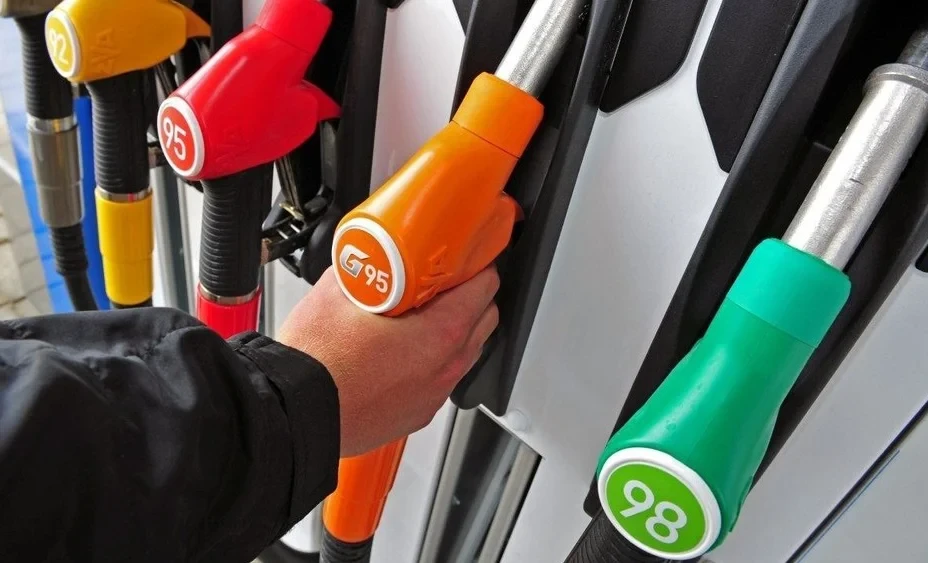
AI-95 gasoline has become the most expensive fuel in the last two years, with its price rising by almost 8 soms over 2023-2024. However, in 2025, the most significant price increase has been observed for AI-92 gasoline, which rose by 11.4 soms (17.5%).In December 2024, the average price of AI-92 gasoline was 65.07 soms, and by December 2025, it increased to 76.48 soms. A significant price increase began in the second half of the year, and in September the price exceeded 70 soms per liter.
The main reason for the increase in fuel prices is the import from Russia, where prices for petroleum products have risen since summer due to problems at oil refineries. By early October, 38% of refining capacity in Russia was idle, leading to a fuel shortage. As a result, supplies to Kyrgyzstan became slow, causing prices to rise in the market.
Utilities and Transport
The increase in utility tariffs has also contributed to rising inflation. This year, the electricity tariff was raised again.The tariffs are set as follows:
1. For the population:
- for consumption up to 700 kWh, the tariff increased from 1.11 to 1.37 soms/kWh (by 23.8%) and will increase annually by 20%;
- for consumption over 700 kWh, the tariff rose from 2.39 to 2.60 soms/kWh (by 8.5%).
Although there were plans to increase the tariff for thermal energy this year, this decision was not made. However, the cost of hot water increased from 108 to 126 soms per cubic meter starting June 1.
New train fare tariffs based on the payment method were introduced on June 13, 2025. For example, the fare from Kain dy to Bishkek-2 is 40 soms for cashless payment and 60 soms for cash payment. Previously, it was 56 and 20 soms, respectively.