According to a recent report by the Inter-Parliamentary Union (IPU), as of January 1, 2026, women hold 27.5% of seats in global parliaments, slightly up from 27.2% the previous year.
The report is based on data from 49 countries where changes occurred in the composition of 62 parliamentary chambers in 2025.
The most significant growth was observed in Saint Vincent and the Grenadines (+12.3 percentage points) and the upper house of the parliament of Saint Lucia (+9.1 percentage points).
Despite the slow overall growth, some countries have achieved historic successes. In Australia, following the 2025 elections, women occupied 46% of seats in parliament, a record high. The Czech Republic also noted an increase in the proportion of women in the lower house from 25% to one-third, while in Ecuador, women make up a record 45% in the National Assembly.
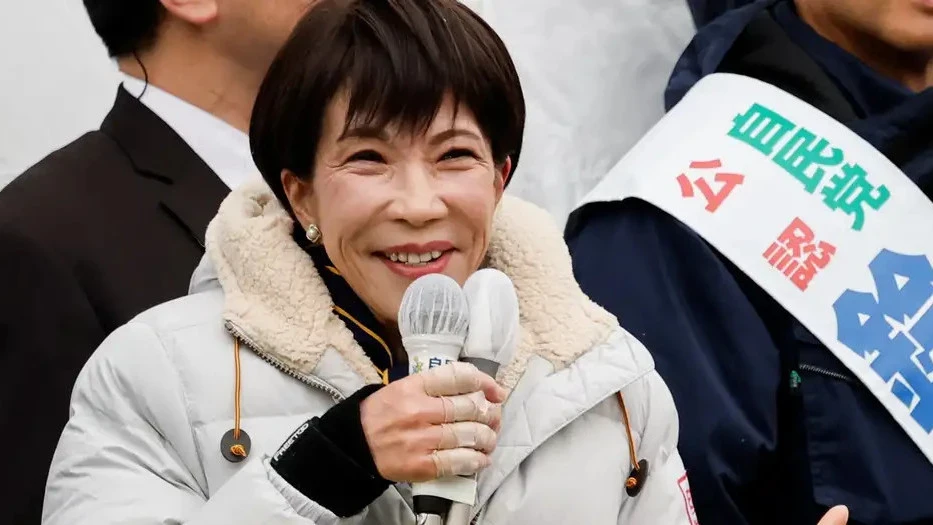
Japan also marked an important milestone: for the first time in the country's history, a woman was elected as Prime Minister. After the elections in July, the proportion of women in the upper house of parliament reached a record 29.4%.
Decline in the Number of Women Speakers
The proportion of women in parliamentary speaker positions has decreased to 19.9% (54 speakers), down from 23.7% last year.Of the 75 new speakers elected or appointed in 2025, only 12 are women.
Regional Differences
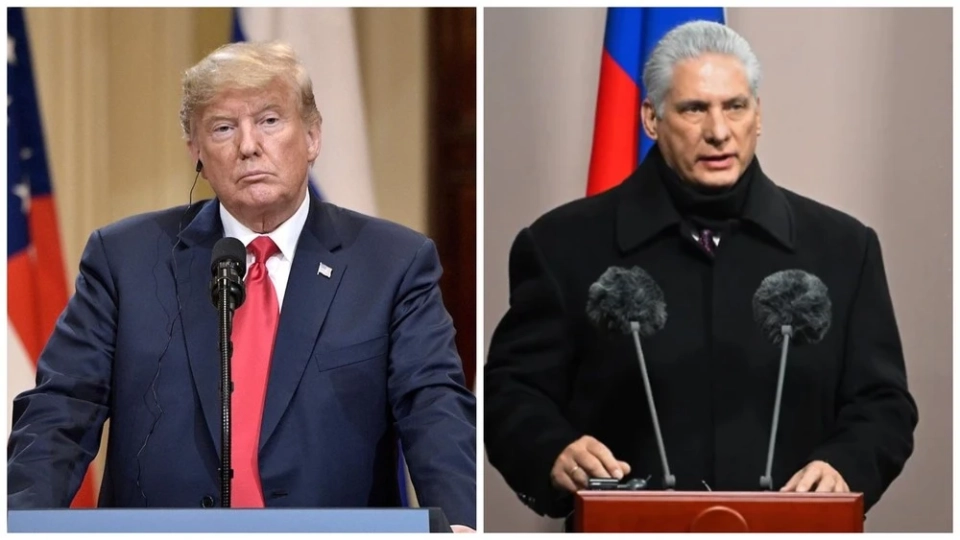
The highest representation of women is observed in the Americas. In 2025, women made up 36.1% of deputies in 20 parliamentary chambers across 13 countries in the region. As of early 2026, the proportion of women in the parliaments of the Americas stands at 35.6%.This region is home to four of the seven countries where gender parity has been achieved or where there are more women than men in parliament: Bolivia, Cuba, Nicaragua, and Mexico. Similar results have been achieved in other regions in Rwanda, Andorra, and the United Arab Emirates.
In three countries—Oman, Tuvalu, and Yemen—there are no women deputies in the lower houses of parliament or unicameral parliaments at all.
The Role of Quotas
The report emphasizes that quotas remain one of the most effective tools for increasing women's representation.In 2025, in parliaments where legislative or voluntary quotas are in place, women occupy an average of 30.9% of seats, while in parliaments without quotas, this figure stands at 23.3%.
Pressure and Violence
Violence and pressure against women politicians remain serious barriers. An IPU study found that 76% of women parliamentarians in Asia-Pacific countries have experienced psychological violence.Women deputies are more likely to become victims of threats and intimidation both online and in real life. This was reported by 76% of surveyed women and 68% of men.
Some countries are already beginning to take measures to combat this issue. For example, the Philippine electoral commission intervened after offensive remarks made by male candidates towards women politicians, and the Colombian parliament passed a law aimed at preventing violence against women in politics and punishing it.
The Inter-Parliamentary Union, established in 1889, is a global organization of national parliaments. It currently includes 183 national parliaments and 15 regional parliamentary organizations, actively working to promote democracy and protect the rights of parliamentarians worldwide.
Photo on the homepage: O. Zvachek.