Irreversible Loss of Water Resources
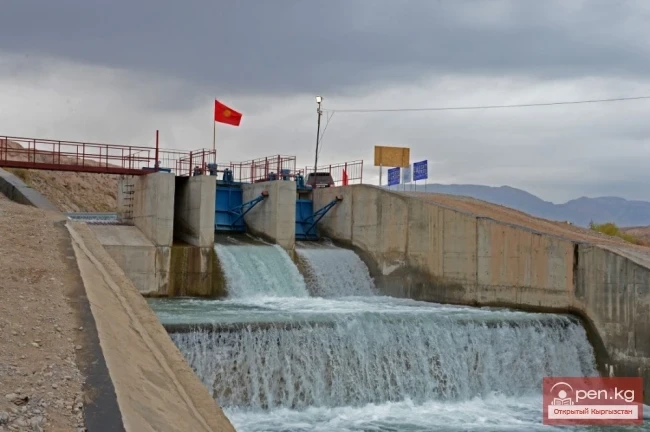
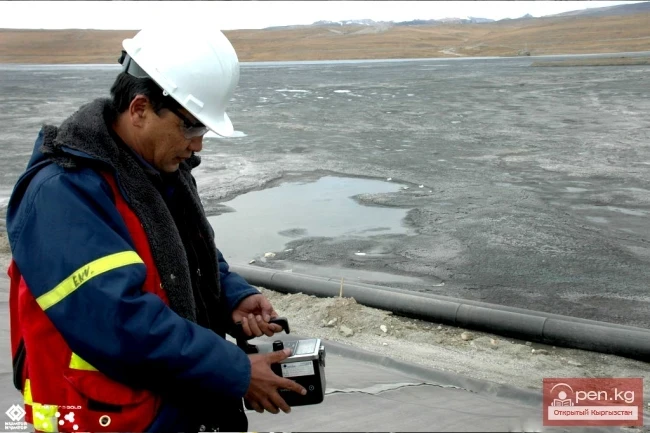
The authors of the study emphasize that the terms "water stress" and "water crisis" do not convey the real picture in many countries.The UN News Service quotes Kaveh Madani, the lead author of the report and director of the Institute for Water, Environment, and Health at the United Nations University: "The report reveals an uncomfortable truth: many regions are exceeding their hydrological capacities, and many vital water systems are already in a state of bankruptcy."
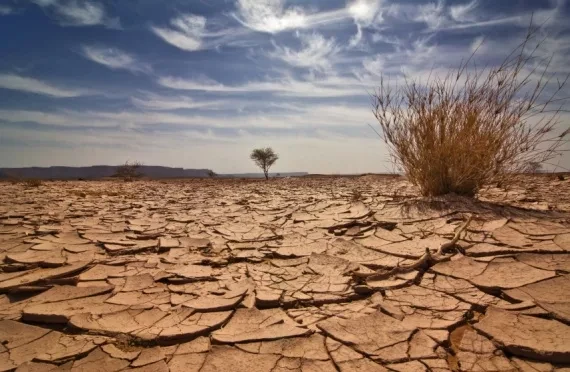
It is noted that many states are not only depleting their water resources, including rivers, soil moisture, and snow, but are also exhausting long-term water reserves, such as glaciers and wetlands.
This leads to serious consequences: land subsidence in river deltas and coastal areas, the disappearance of lakes and wetlands, as well as loss of biodiversity.
International Cooperation and Water Conference
The report was published ahead of a high-level meeting in Dakar, Senegal, scheduled for January 26-27, which will focus on preparations for the UN Water Conference 2026, planned for December 2-4, 2026, in the United Arab Emirates.Although not every country or river basin is in a state of water bankruptcy, Madani noted that many key water systems have already crossed this threshold.
"These systems are interconnected through trade, migration, climate change, and geopolitical factors, significantly altering the global risk landscape," he added, emphasizing the importance of international cooperation.
Statistics on "Water Bankruptcy"
The report, based on global data and contemporary scientific research, demonstrates alarming trends primarily driven by human activity:- Since the early 1990s, 50% of the world's major lakes have lost significant volumes of water;
- In the last 50 years, the area of lost natural wetlands has reached 410 million hectares, comparable to the territories of the European Union;
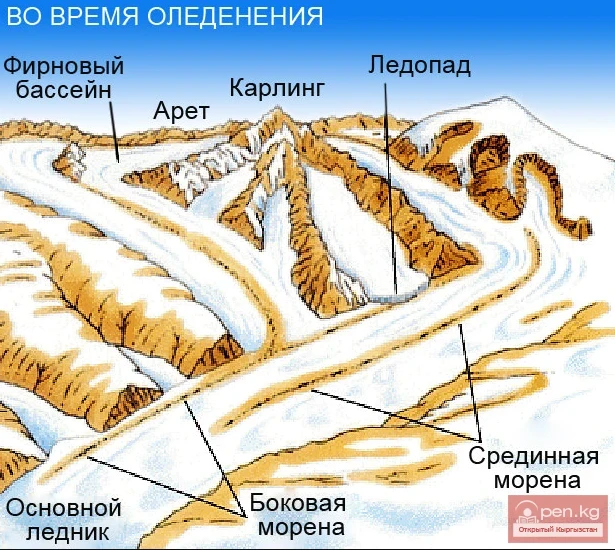
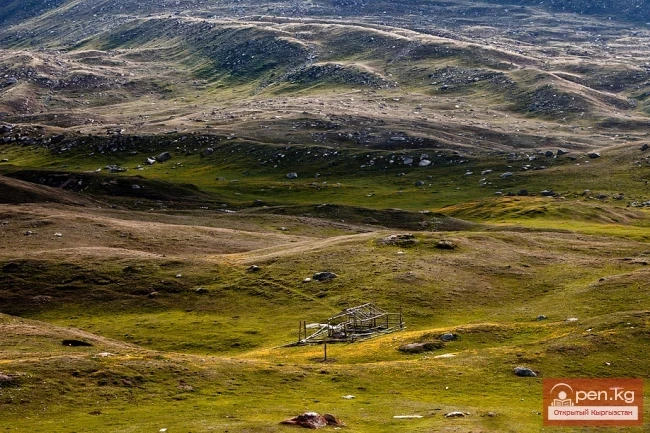
- Since 1970, more than 30% of global glaciers have been lost; in the coming decades, entire mountain systems in temperate latitudes may lose all functional glaciers;
- In certain seasons, dozens of major rivers do not reach the sea;
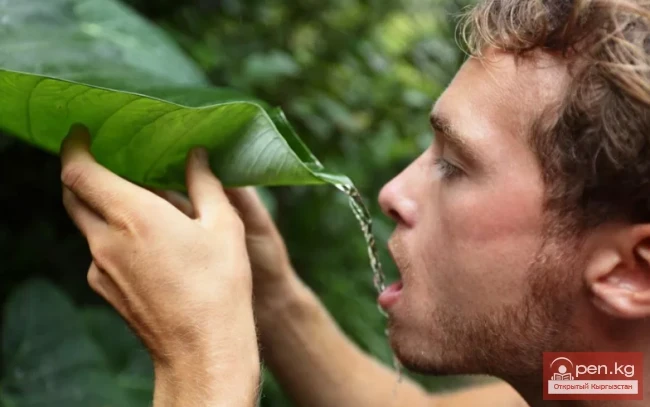
- 4 billion people face severe water shortages for at least one month each year;
- 3 billion people live in regions with diminishing water supplies, where more than 50% of the world's food is produced;
- In 2022-2023, 1.8 billion people experienced drought.
A New Perspective on Water Resource Issues
"Agriculture consumes the majority of freshwater, and food systems are interconnected through trade and prices," noted Madani."When water scarcity affects agriculture in one area, it impacts global markets, political stability, and food security in other regions," he added.
The Need to Reassess Global Water Policy
The report emphasizes that water bankruptcy is not only a hydrological issue but also a matter of equity with profound social and political implications, requiring attention at the highest levels and multilateral cooperation."We cannot bring back the glaciers that have disappeared... But we can prevent further loss of the remaining natural capital and adapt institutions to new conditions," said Madani.Future events, including the UN Water Conference in 2026, provide opportunities to advance this agenda.
"By acknowledging the reality of water bankruptcy, we can finally begin to make the difficult decisions that will protect people, the economy, and ecosystems. The longer we delay, the more severe the water shortage will become," concluded Madani.
Photo on the main page is illustrative: inbusiness.kz.