– When discussing the issue of water resources, everyone agrees that water is becoming scarce. But are any real steps being taken to address this problem?
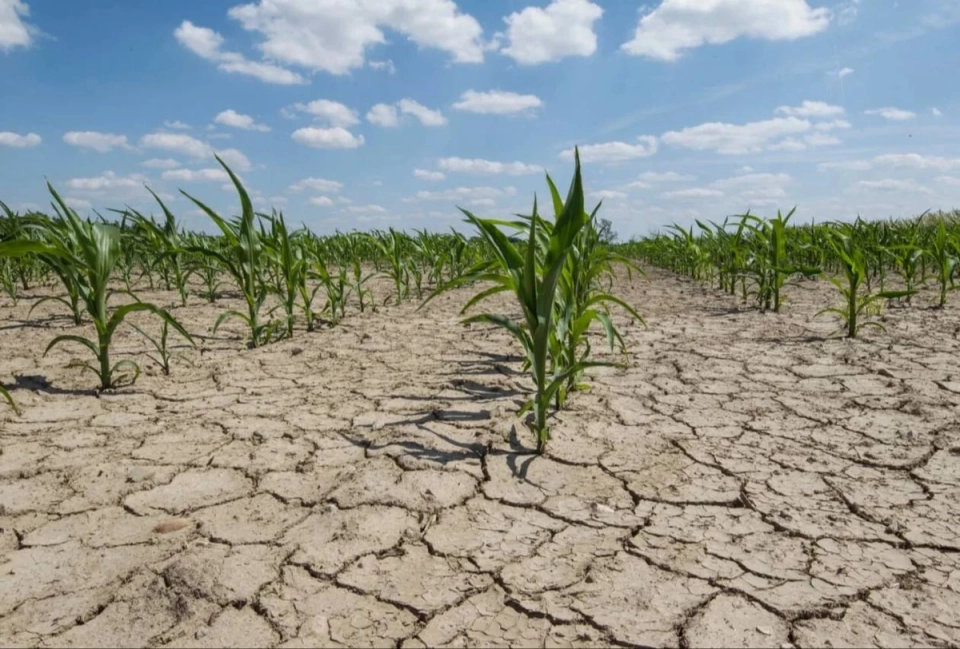
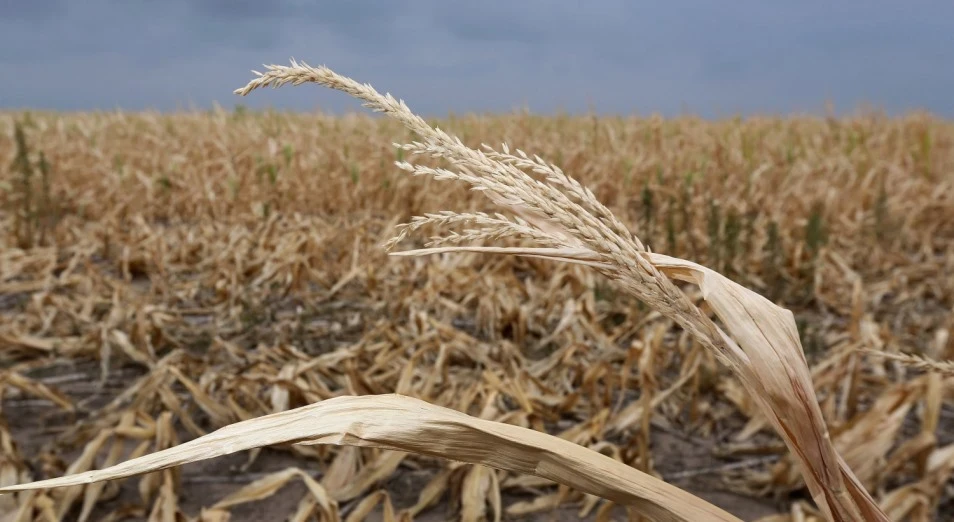
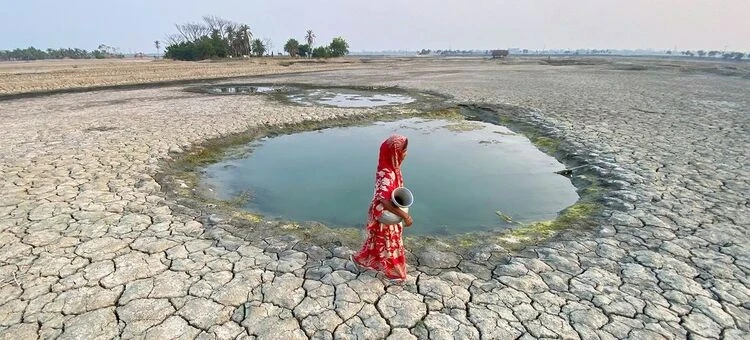
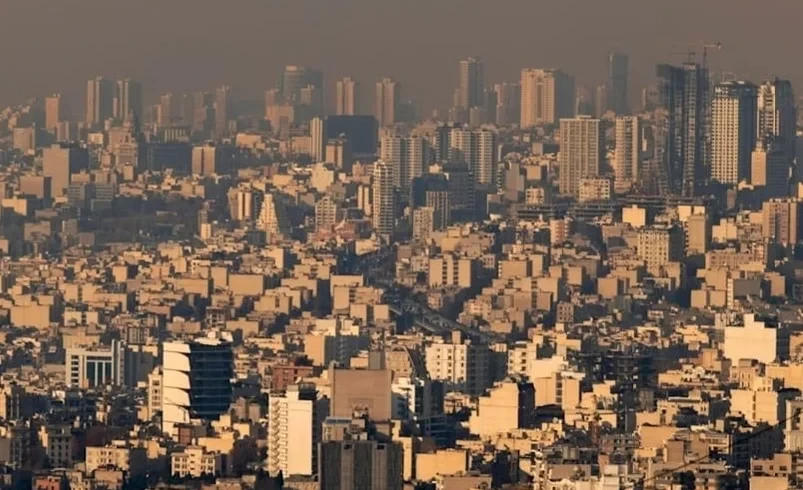
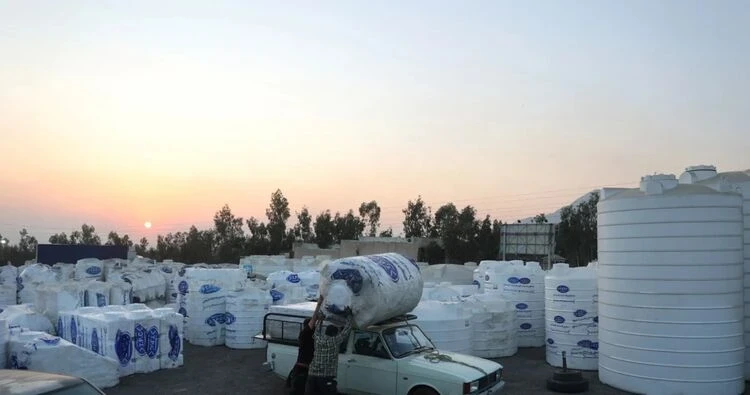
– The Iranian crisis is a vivid example of the fact that we can no longer wait. Water reserves in rivers, reservoirs, and underground sources have dropped to critical levels in just a few weeks. Tehran, with a population of 10 million, is effectively on the brink of a water collapse, threatening not only daily life but also the economy, industry, and agriculture. This is just the beginning: some regions are experiencing drought, while others are facing floods.
Last year marked the first global water conference in 50 years, organized by the presidents of France and Kazakhstan. Previously, water issues were considered local, but this summit demonstrated that global water cycles are disrupted, marking a historic event for humanity.
– What has caused this important balance to be disrupted?
– The main reason lies in human activity. We have undermined the soil's ability to retain water, even though it holds more moisture than all the rivers and lakes in the world combined. This is critically important for maintaining fertility and yield.
However, land cultivation, road construction, and resource exploitation continue to destroy the earth's surface. Currently, there is hardly any territory left untouched by human activity.
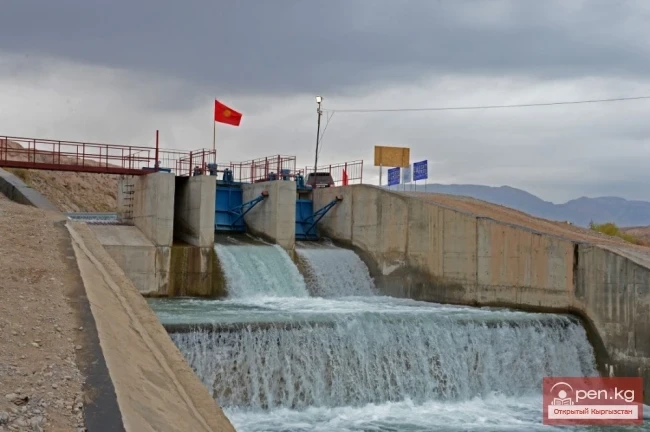
Every year we increase water consumption. The growing population demands more resources. We are altering the natural regimes of rivers by building dams and reservoirs. For example, over 400 reservoirs and dams have already been built in Central Asia, with plans to construct more than 200 additional ones.
– In the latest World Bank report, water scarcity is identified as one of the four potential causes of military conflict in Central Asia. What are the possible triggers?
– There have already been numerous conflicts over water in history. If the Central Asian countries do not take adequate measures soon, the problem will escalate at an alarming rate. Although our arsenal of measures is limited, it needs to be used as effectively as possible. This is evident to scientific and expert circles.
If the crisis is caused by human actions — the destruction of water flows and ecosystems — then the measures must be aimed at eliminating these causes.
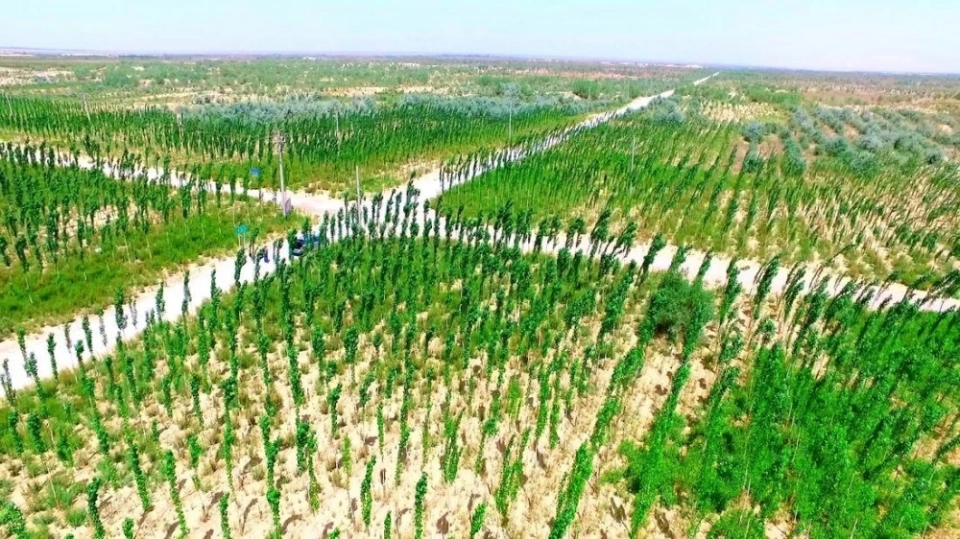
Forests play a key role in transferring precipitation, especially in Central Asia and China, which are far from the oceans. More than half of all precipitation in these regions comes from Eurasian forests, including the Siberian forest belt. This is a natural mechanism that ensures water security. If it is damaged, it needs to be restored.
– What steps should governments take to stop the worsening water crisis?
– First of all, we should start restoring forest ecosystems and soil, and halt the destruction of water flows, which is currently the focus of all government programs in Kazakhstan and other countries in the region.
We need to pay attention to Kazakhstan's plans: they propose to increase irrigated land two to three times — to two or even three million hectares. This implies an increase in the number of reservoirs and the construction of new roads and cities, which requires even more water. Additionally, water-intensive data centers are being created, and production capacities are expanding.
Essentially, almost all government programs funded by the budget are aimed at increasing the burden on water resources and ecosystems. Scientific recommendations are clear: this burden must be halted, and we must transition to restoring water flows and mitigating the effects of the crisis. The water crisis is not an abstraction, but a real threat.
The Illusion of Water Abundance
– More than ten years ago, an analysis of the water sector was conducted for the government by McKinsey.
It showed that Kazakhstan will face a serious water shortage within this decade: the volume of available resources will decrease by approximately 50%.
This concerns not all the water in rivers and lakes, but sustainably available water — that which the country can use, considering transboundary agreements and the capabilities of treatment facilities. According to estimates, the volume of available water is about 24 cubic kilometers per year.
Nevertheless, forecasts indicate that in the future this volume will decrease to less than 12 km³ — half. At the same time, this year about 11 km³ of water was directed towards irrigation in the southern regions. Under such conditions, water scarcity will be felt both in industry and for drinking needs.
Currently, the structure of production and consumption is built as if there is no water scarcity. All strategies assume growth: more energy, more agricultural products, and more water for the population. However, even the water-saving measures outlined in the new Water Code are already insufficient to change the situation. Conservation is inadequate.
Moreover, Kazakhstan depends on neighboring countries, which also have an increasing demand for water. Our economic strategies do not take this into account, and this is the main problem.
– Is the adoption of the Water Code and the creation of a new ministry a step towards solving the problem or just an illusion of control?
– At the time of discussing the creation of the new agency, my colleagues and I supported this idea. It is important that all water-related issues are concentrated in one place, and the new Water Code established stricter rules for resource use.
However, in practice, the old approach dominates: the focus is on the rational use of water rather than its restoration. Measures for restoring water flows, catchment areas, and forests that ensure the replenishment of rivers and groundwater are virtually absent from the documents.
The new ministry primarily aims to ensure water supply for all consumers. To this end, it proposes drilling new wells, building reservoirs, and laying canals, as well as strengthening negotiations with neighboring states. However, this approach does not solve the problem; it exacerbates it.
A mechanism has been launched: budgets have been allocated for the construction of reservoirs and canals, the lining of riverbeds, and water-saving subsidies. Stopping it will be extremely difficult. This can only happen under conditions of a severe crisis — signs of which are already visible in neighboring countries. In Uzbekistan, for example, it is openly stated that reservoirs are filling worse: glaciers are providing less water, evaporation is increasing, and precipitation is losing its previous function.
In such a situation, alarming signals begin to emerge. One of the ministers of Central Asia states that in the event of water scarcity, no one will adhere to existing agreements. This applies not only to states — people will also not follow the rules if they have no water for irrigation or simply for life.
Balkhash, Ural, Caspian: Limits of Possibility
– What specific measures should the state take to stop the growth of water-intensive industries and prevent catastrophe?
– Strict decisions are needed. This year, the Deputy Prime Minister and Minister of Water Resources emphasized in meetings with akims that people need to be explained that they will have to abandon water-intensive crops — there simply won't be enough water. Otherwise, farmers risk being left without water and going bankrupt.
Nevertheless, in large regions of the country, water is still being taken in large volumes for rice — one of the most water-intensive crops: to produce 1 kg of rice requires 4,000 to 6,000 liters of water. Despite this, Kazakhstan's plans and those of other Central Asian countries include an increase in rice production. Last year, its output in Kazakhstan increased by 100,000 tons, which amounts to about 500 million cubic meters of water. A significant portion of this volume is sent for export, meaning we are effectively using water not for our own needs, but for the profit of individual companies.
The same scenario is observed in industry: many goods and metals require a lot of water, but this factor is hardly taken into account. Therefore, strict restrictions on the production of water-intensive products must be introduced, and a serious expert analysis must be conducted — what we produce and consume, including exports and imports, and whether there will be enough water for this under rapidly decreasing resources.
After that, the government will have to make difficult decisions: to curtail water-intensive production, replace it with alternatives, and help people transition to other types of activities. So far, the authorities are limiting themselves to recommendations and meetings, but this is already insufficient.
– Where can Kazakhstan source water if nature can no longer cope?
– To date, the only sources can be Balkhash, Ural, and the Caspian Sea. But all these ecosystems are already in critical condition. The Northern Ural is under threat, Balkhash is degrading, and the Caspian is rapidly shrinking, partly due to reduced flow from the Volga — one of its main sources.
Therefore, the key task is to restore the land's ability to support local water cycles that fill rivers, lakes, and underground sources. This must be done as a priority. However, neither in Russia, nor in Central Asia, nor in Kazakhstan is there any systematic work being done in this direction. We have become accustomed to relying on nature while we have destroyed its resources ourselves.
The problem is exacerbated by the fact that everything is managed in a fragmented manner: water issues are handled by one group, energy by another, climate by a third, and food by a fourth. This disunity has become the main obstacle to joint actions and understanding the interconnections of all processes. While resources were sufficient, this model worked. Now it does not.
The catastrophe of the Aral Sea clearly demonstrated that water can only be taken within certain limits. When this limit is exceeded, the ecosystem is completely destroyed.
It is like a tree: as long as you only take the fruits and branches, it lives. But if you reach the roots, it dies, and you lose everything. We have already exceeded the permissible load on nature, which is linked to the climate, water, and ecological crises, which will inevitably be followed by social and military conflicts.
Time is Running Out...
– How much time do we have left? Does humanity have a buffer to prepare, or are we already living in countdown mode?
– Just recently, the Intergovernmental Panel on Climate Change warned of serious consequences by the end of the century. Climate is an indicator of the planet's health, like body temperature in humans. Then the deadlines began to shift: first, they spoke of the middle of the century, then of earlier timelines.
Today, independent scientific centers warn: the water crisis may not develop gradually, but suddenly collapse, like an avalanche or a storm. And this could happen in the coming years.
We are already seeing this in the case of Iran. Scientists understand the scale of the threat, but politicians are preoccupied with elections, reports, and quick victories…
– Can Kazakhstan and other countries in such an important area become not just participants, but initiators and leaders of regional solutions?
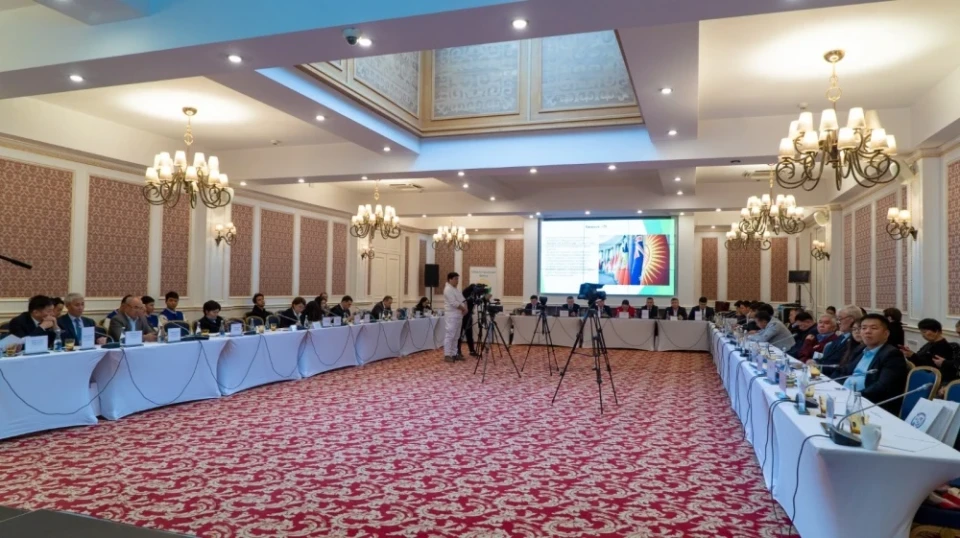
– Certainly, they can. Kazakhstan, together with the UN, is preparing for a global regional environmental summit to be held on April 22-24. Various agenda options were discussed, but it was decided to focus specifically on water as the most pressing issue.
Kazakhstan proposes to prepare its own vision for overcoming the global water crisis, focusing on Central Asia, transboundary rivers, and national measures. This is not about empty declarations, but about concrete actions that can be implemented and that will help mitigate the effects of climate change.
This is a real opportunity for Kazakhstan to draw the attention of the international community and become an initiator of uniting the efforts of Central Asian countries in addressing water issues, relying on new technologies, knowledge, and experiences that have been accumulated worldwide.