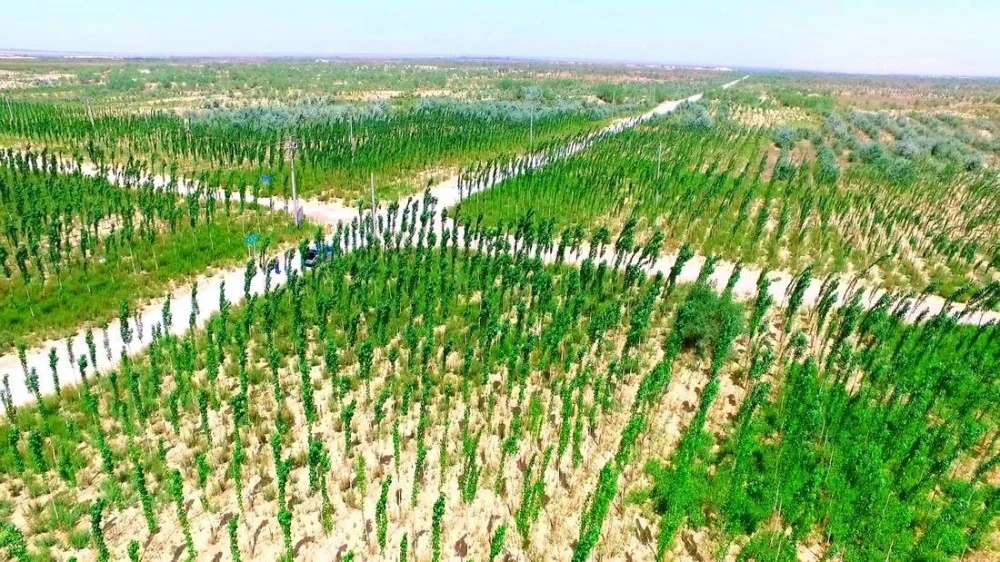
The global community has been thrilled to watch China implement what may be the most ambitious environmental project in its history. Faced with issues of desertification and land degradation, the country decided to take decisive action.
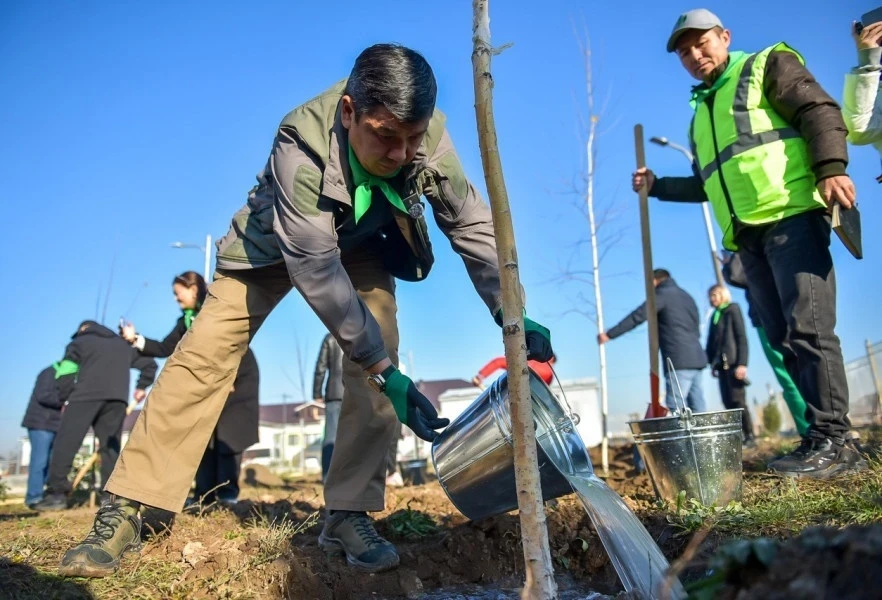
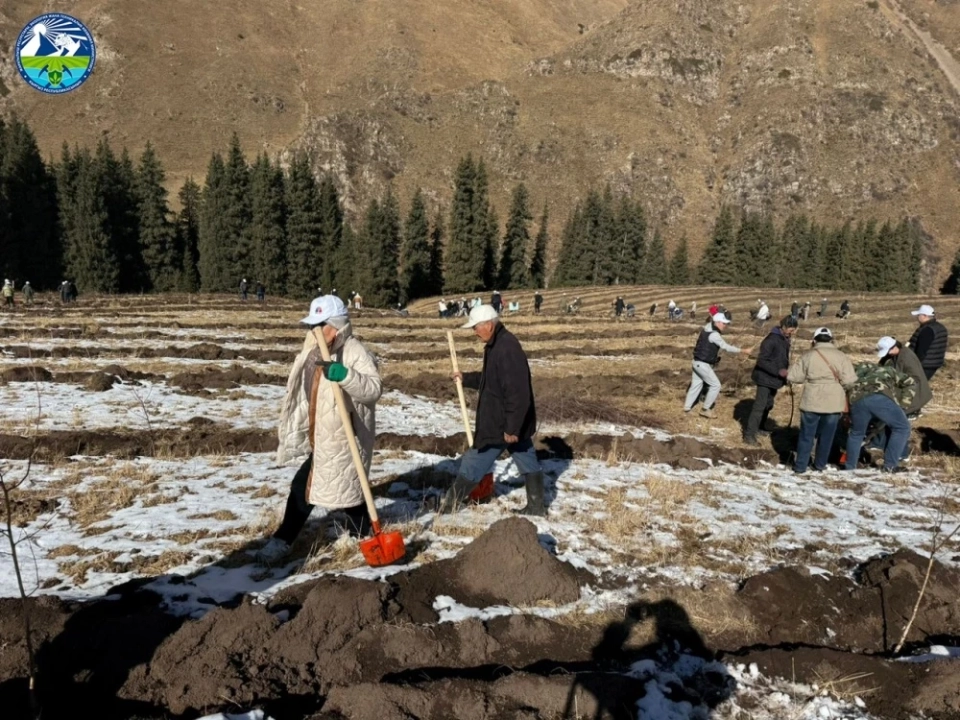
Since the early 1980s, approximately 78 billion trees have been planted in China. While in 1949 forests covered 10% of the territory, by 2024 this figure had increased to 25%, which amounts to 300,000 square kilometers — more than the entire area of Italy.
However, a new study published in the journal Earth's Future has revealed negative consequences of this extensive project. It turns out that the greening efforts have led to serious, unforeseen consequences, altering the distribution of water resources and threatening the lives of millions.
Where do dreams lead?
This large-scale transformation of nature began in the late 20th century when China's economy was rapidly developing, and the country had to confront deforestation, land degradation, and the encroachment of deserts. In response to these challenges, the government launched a series of programs that became unprecedented in scale. The main project was the "Great Green Wall," aimed at creating a forest barrier against deserts.
In 1999, the "Grain for Green" program was initiated, with the goal of converting eroded arable land into forests and meadows.
From space, the changes looked striking: bare slopes and scorched plains gradually transformed into green expanses. Ecologists marveled at how one country could change the face of the planet.
Although behind every percentage of forest cover were millions of labor hours and tons of seedlings, nature, as it turned out, reacted unexpectedly to these efforts. Scientists have only recently begun to track the complex processes that were activated as a result of these changes.
Unexpected consequences of greening
A research team from China and the Netherlands analyzed data from 2001 to 2020 to determine how total greening affected the country's climate system. The results were alarming.
It turned out that the billions of trees planted function as huge natural pumps. As a result of a process known as evapotranspiration, the new plants began to absorb and release vast amounts of moisture into the atmosphere, causing significant changes in the distribution of water resources.
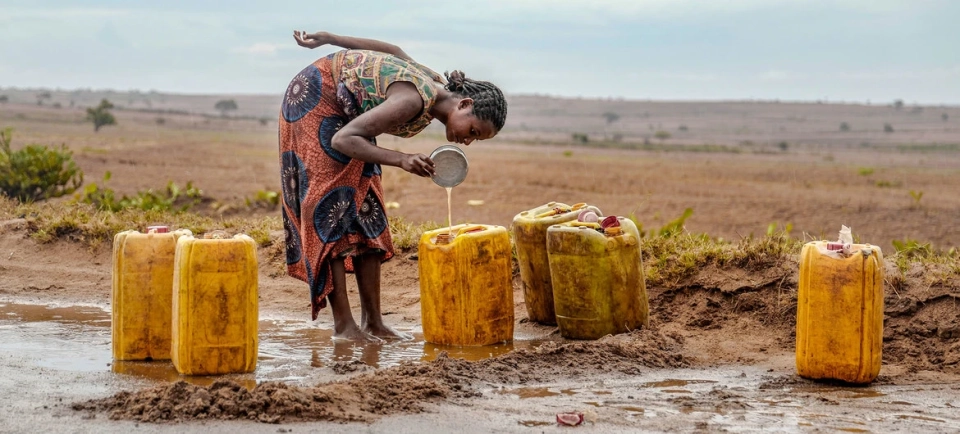
In two key regions — the eastern monsoon and the northwestern arid region — water availability significantly decreased. These regions account for about 74% of China's territory. Where did the water go?
The answer was paradoxical: the moisture "sucked" from these regions began to settle as precipitation in other places, particularly on the Tibetan Plateau.
Thus, the project intended to improve living conditions in arid and densely populated areas effectively "robbed" them by redirecting vital moisture to high-altitude areas with sparse populations.
Moreover, different types of transformations, such as converting meadows into forests or arable land into meadows, had varying impacts on the water balance. The transition from meadows to forests, while increasing overall precipitation, negatively affected water availability in these regions.
Not just planting trees
The situation is exacerbated by the fact that China's water resources are initially distributed extremely unevenly in relation to the population and agriculture. About 46% of the population lives in northern regions, which contain more than half of the arable land, but only 20% of water resources are concentrated there. Large-scale greening, as the study showed, further aggravated this imbalance by altering regional hydrological cycles.
Scientists emphasize that planting trees is not inherently bad. However, ecological engineering of such magnitude requires a deeper understanding of the complex climate system, where everything is interconnected. These connections are not always obvious and can be difficult to track even for specialists. As a result, China is facing the consequences we see today.
It is certain that greening programs will continue, as they are necessary for the ecosystem. However, it is now clear that their planning must take into account not only the map of seedlings but also maps of winds, precipitation, and underground flows.
The future of ecological restoration depends not on the number of trees planted but on their strategic placement. One can only hope that China will rise to this challenge.
Source: vsluh.net