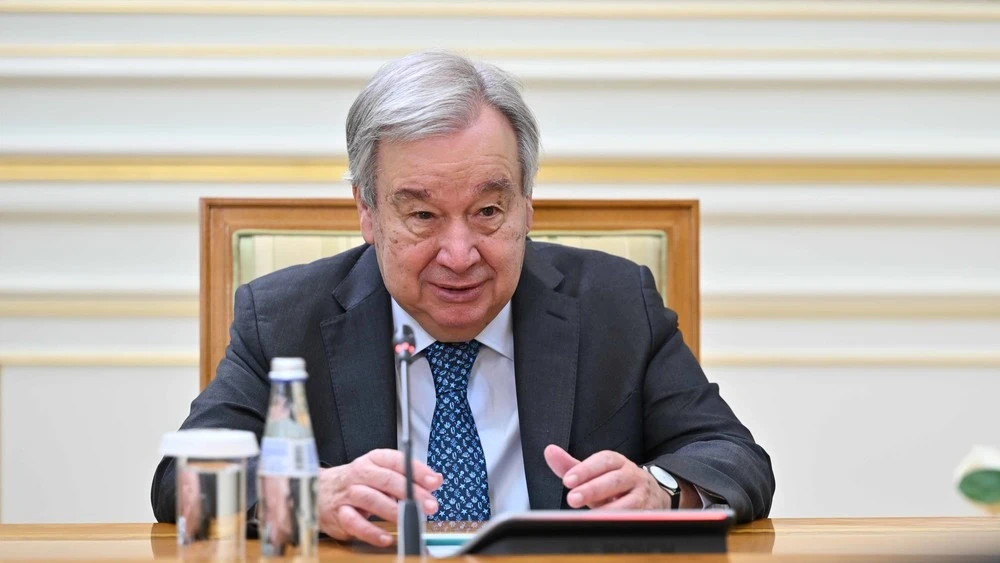
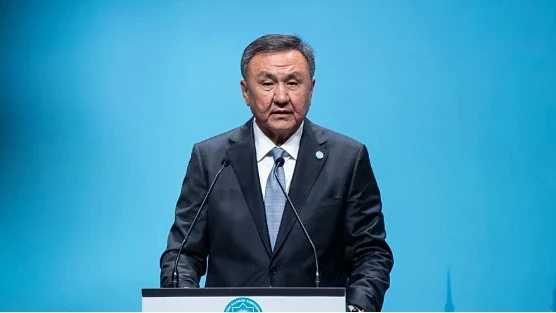
IPU Secretary-General Martin Chungong, speaking at the UN in New York, noted a rise in hostility towards parliamentarians. The report, titled "When Society Turns Hostile: Political Violence Against Parliamentarians," highlights the increase in cases of intimidation and harassment of deputies.
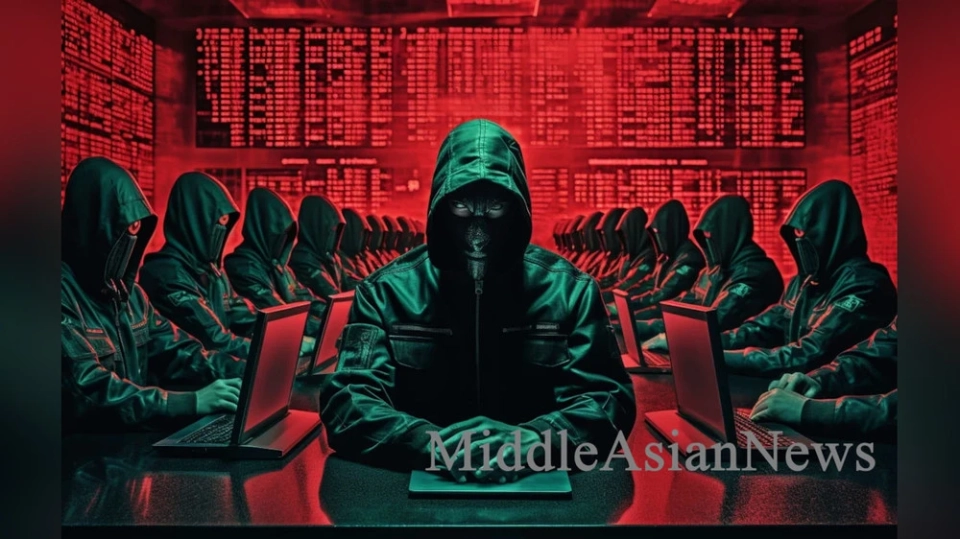
A significant amount of violence is concentrated online: between 65% and 70% of deputies in five different countries reported instances of online abuse.The report is based on surveys of hundreds of parliamentarians, as well as detailed studies conducted in Argentina, Benin, Italy, Malaysia, and the Netherlands.
The majority of respondents noted a deterioration in the situation: in Argentina and the Netherlands, up to 80% of deputies indicated an increase in violence over the past five years.
Chungong emphasized that online violence often flares up in the lead-up to elections, during heated parliamentary debates, or due to polarizing political and cultural issues.
The report also raises the issue of the gender aspect of the problem. Women deputies are more likely to become victims of attacks: 76% of women and 68% of men who participated in the surveys reported instances of violence.
The IPU Secretary-General warned that this trend poses a serious threat to democratic institutions. "This phenomenon can negatively impact democracy," he noted, adding that the growing hostility in society carries "serious consequences not only for the safety and well-being of legislators but also for the functioning of parliaments and the quality of democratic debates."
Many deputies who participated in the survey reported that they have changed their behavior.
"They begin to self-censor online and become more cautious in their public statements," Chungong noted.Cover illustration: UN.