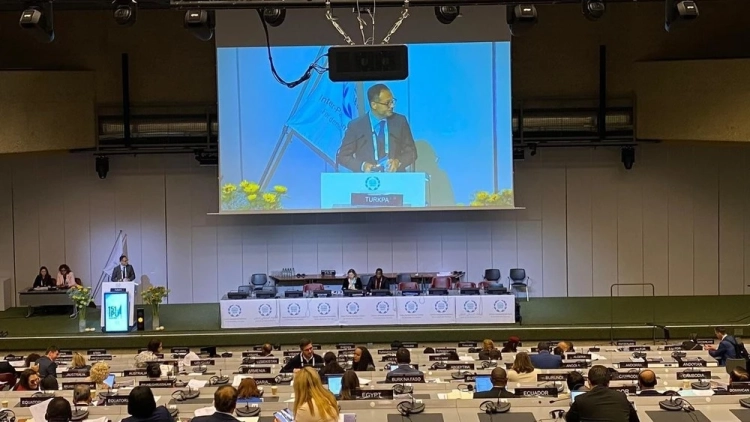
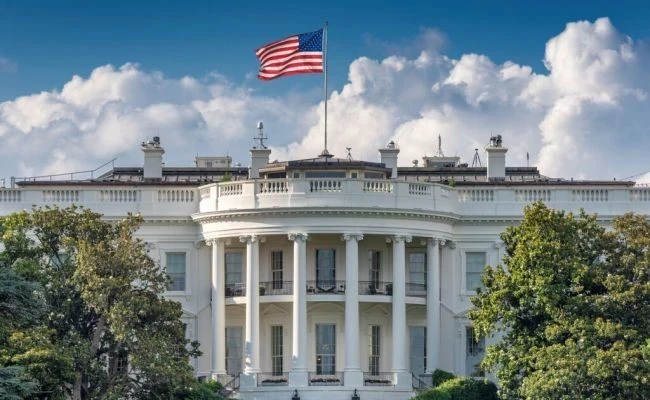
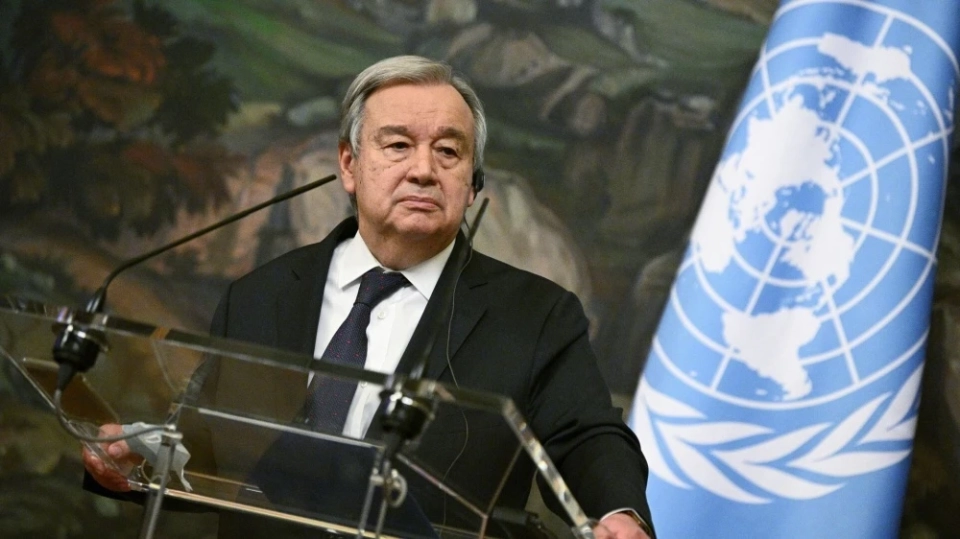
In a press release, the UN emphasized that contributions to the regular budget of the organization and the budget for peacekeeping operations, which are approved by the General Assembly, are legally binding for all member states, including the United States.
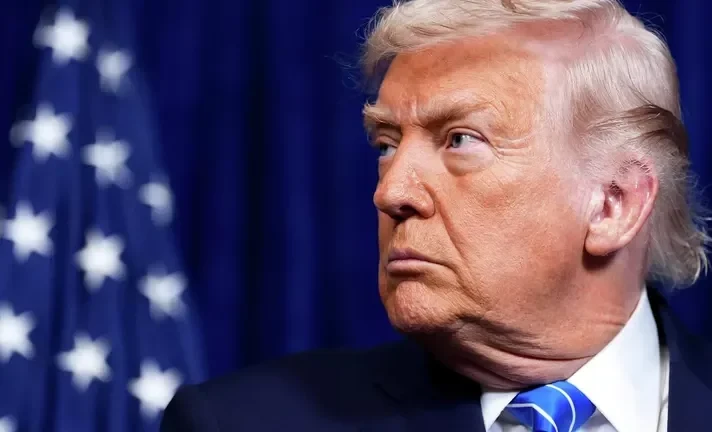
The memorandum signed by Trump instructs US government agencies to immediately begin the process of withdrawing from various international organizations, conventions, and treaties that Washington believes contradict its interests.
According to the memorandum, this decision will affect 31 agencies and UN structures, including:
- The United Nations Population Fund (UNFPA), which focuses on maternal and child health protection and combating sexual and gender-based violence;
- The UN Framework Convention on Climate Change (UNFCCC), which promotes international cooperation in addressing climate change issues;
- The UN Democracy Fund, which supports civil society projects in democratic development;
- Other divisions of the UN Secretariat located both in New York and abroad, including those dealing with the protection of children in armed conflict and the cessation of sexual violence in wars.
Withdrawal from UN structures entails "cessation of participation in the activities and funding of these structures within the limits permitted by law," as stated in the memorandum.
The statement notes: "All UN structures will continue to fulfill their mandates as defined by member states. We remain accountable to those who rely on our work."
According to the UN Charter, contributions to the regular budget and the budget for peacekeeping operations are approved by the General Assembly and are mandatory for all member states.
For 2026, the General Assembly approved a budget of $3.45 billion, which is a significant reduction compared to previous periods, including a 15% decrease in financial resources and nearly a 19% reduction in staff numbers.
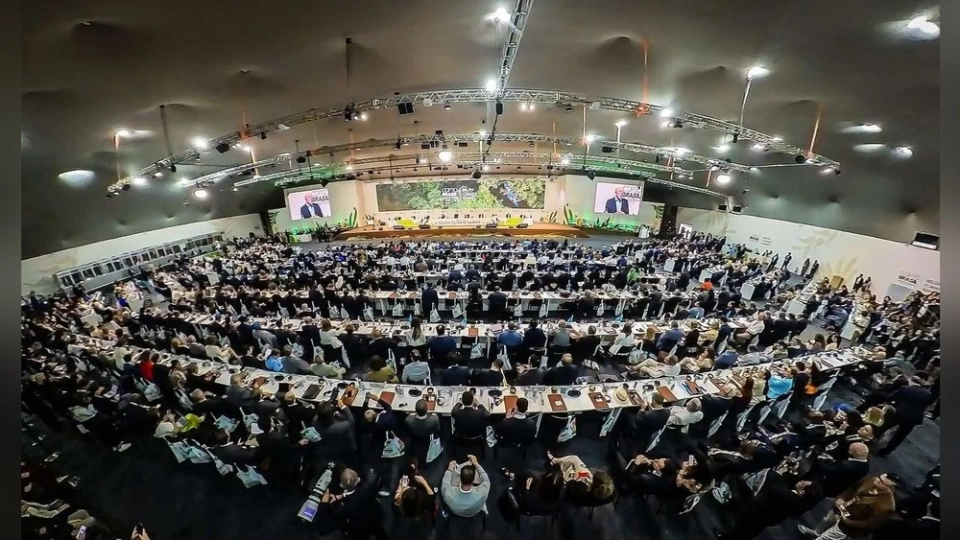
UNFCCC Executive Secretary Simon Stiell commented on the US decision to withdraw from the convention, noting that it is a step backward in international climate cooperation.
Stiell also emphasized that the US played an important role in the creation of the Climate Framework Convention and the Paris Agreement, which fully align with the national interests of the country.
"While other countries continue to move forward, this step shows a retreat from global leadership and cooperation on climate, which could negatively impact the economy, employment, and quality of life in the US, especially in the face of increasing natural disasters," he added.
According to him, the UNFCCC will continue its work, and "the doors will remain open for the US to return in the future, as has already happened with the Paris Agreement."
Photo on the main page: UN/M.Elias.