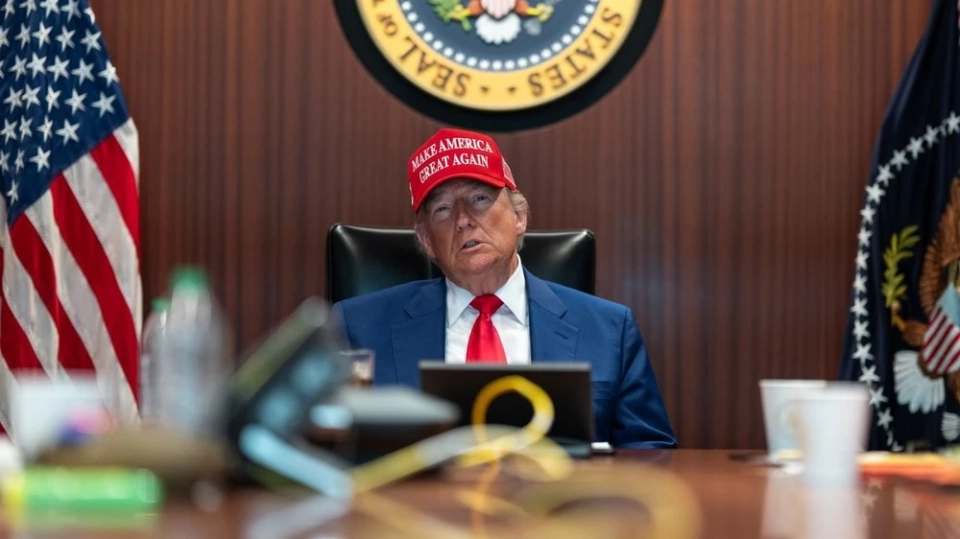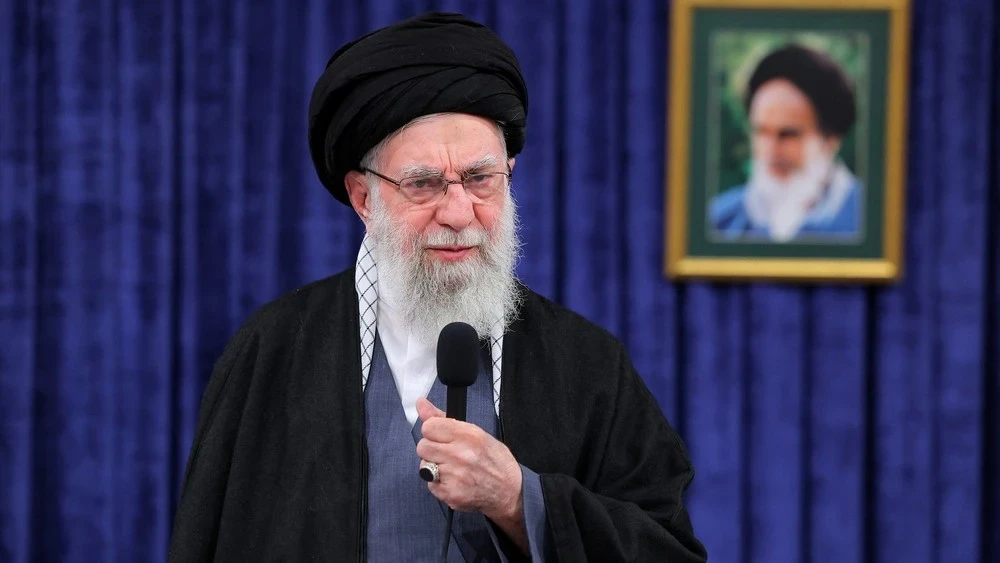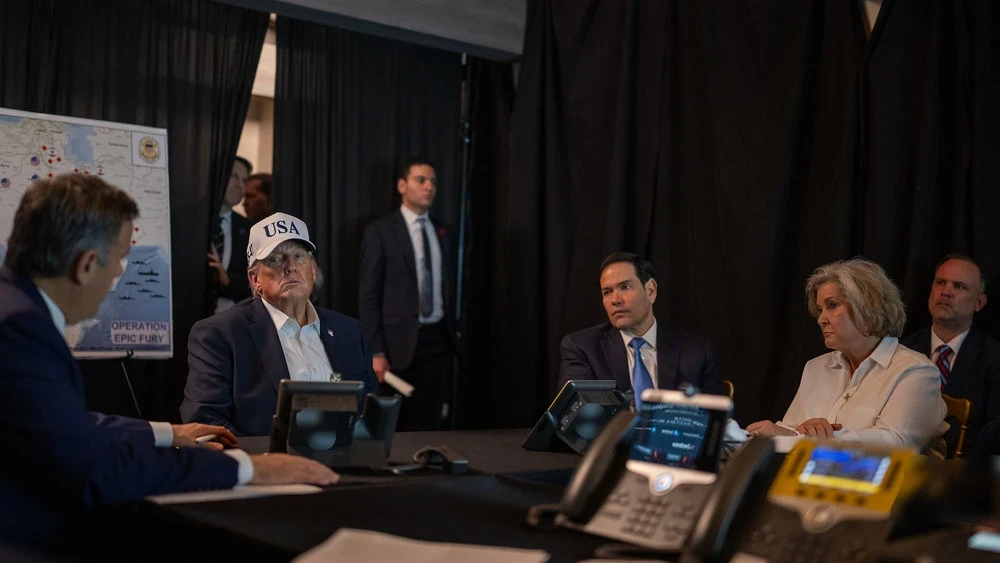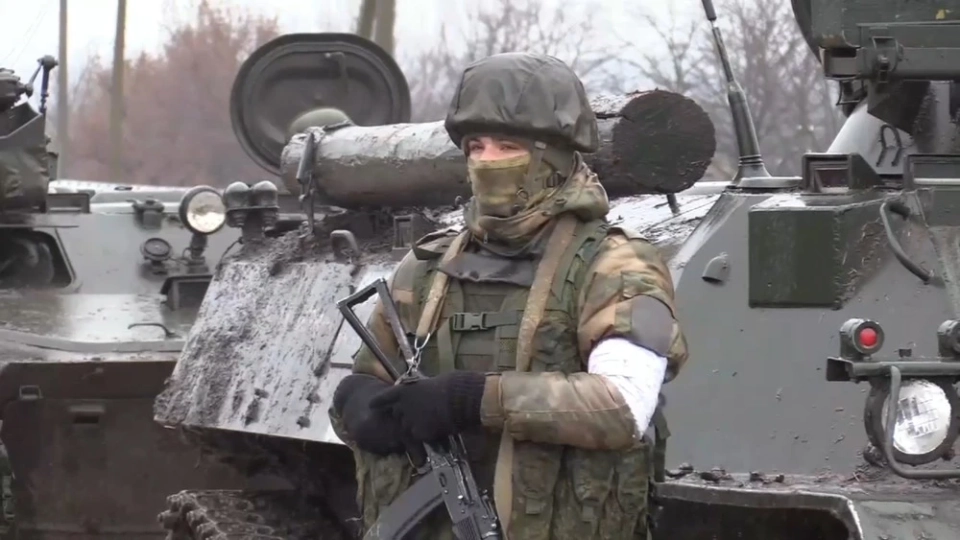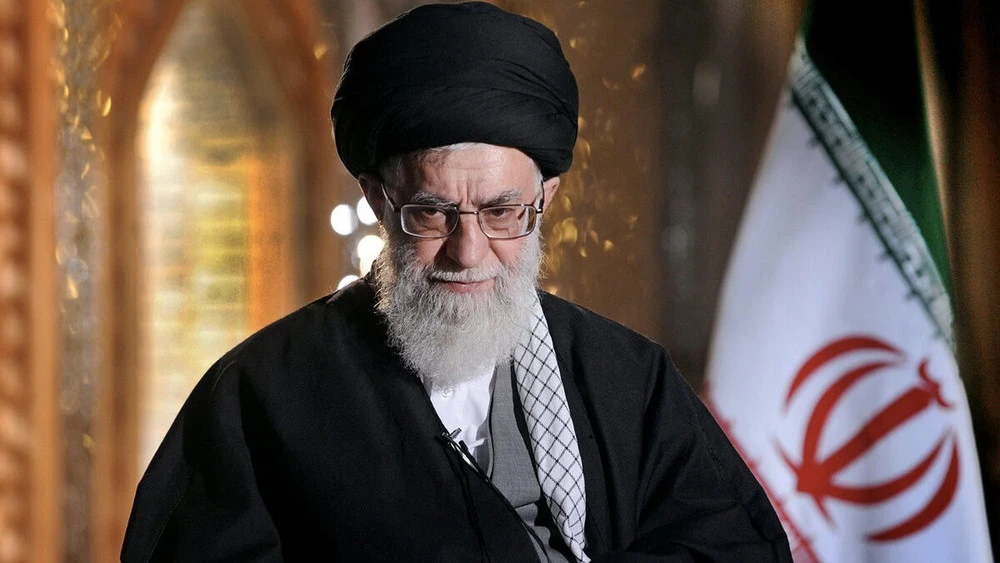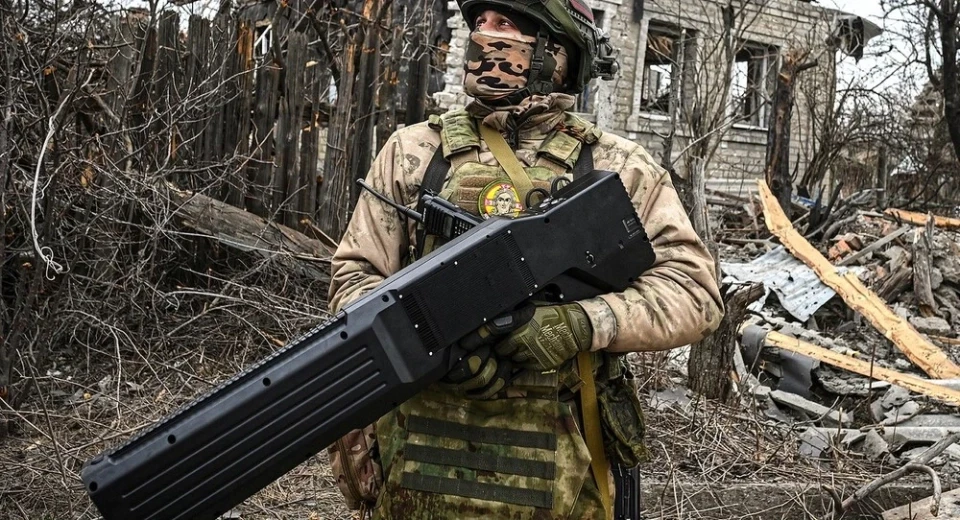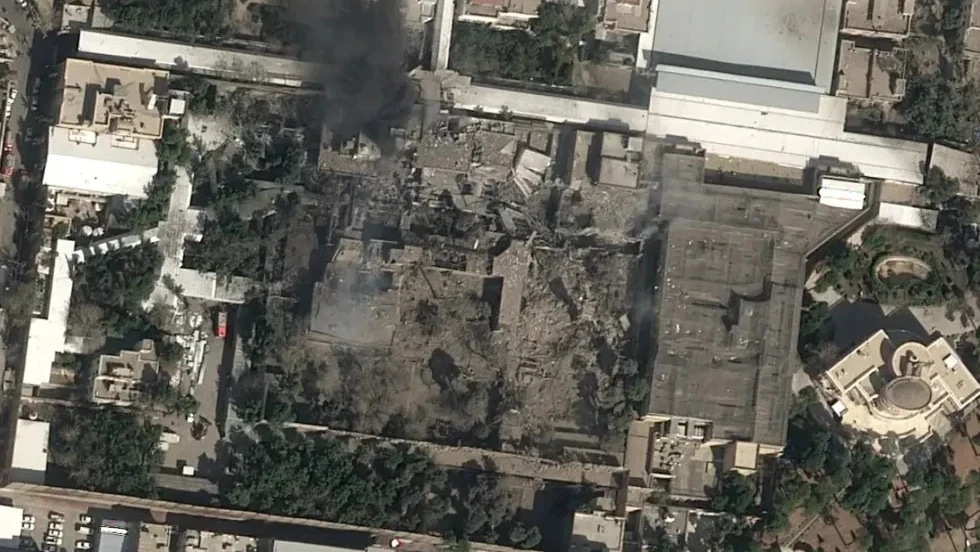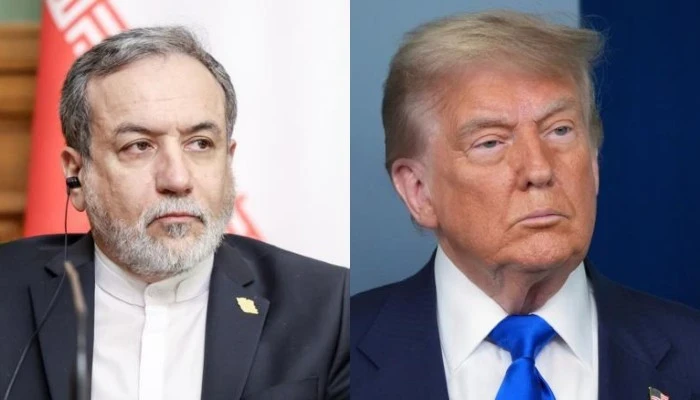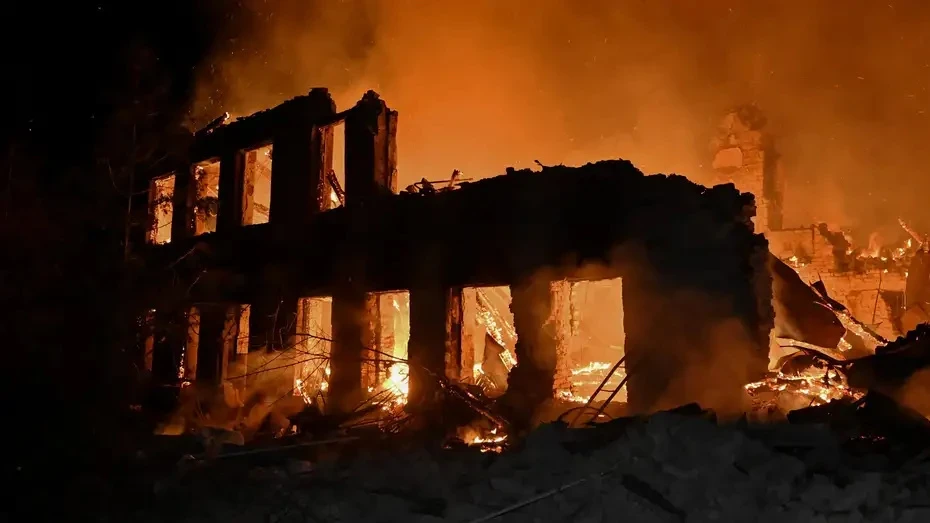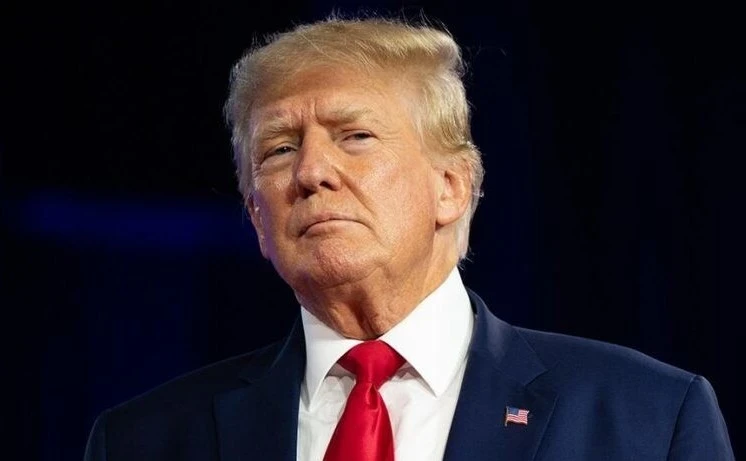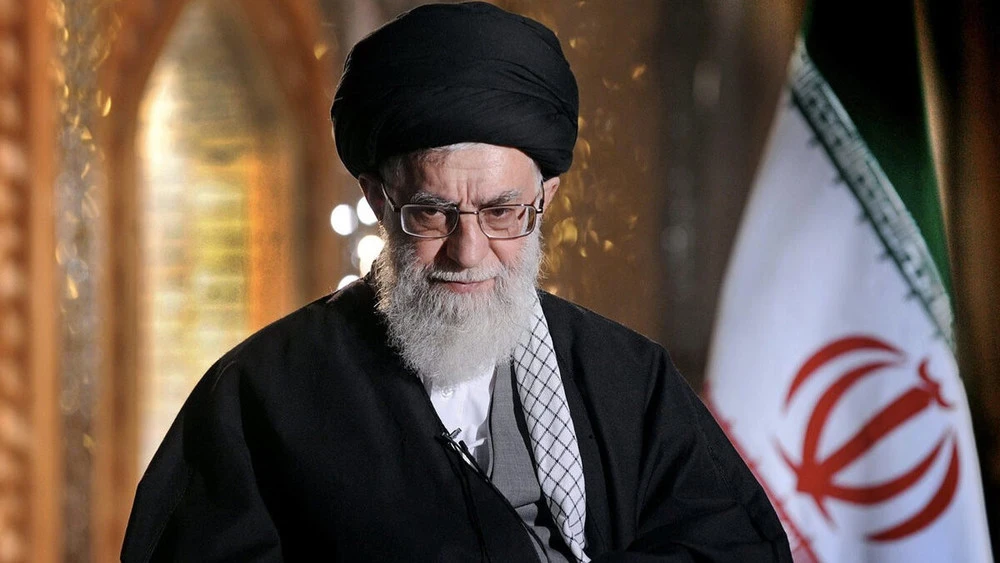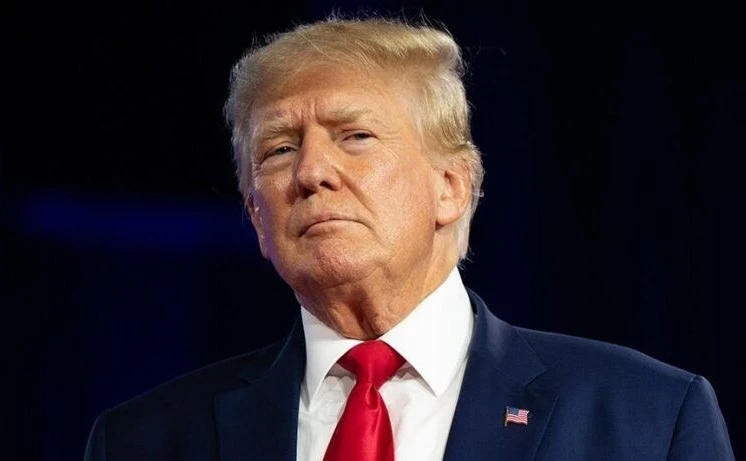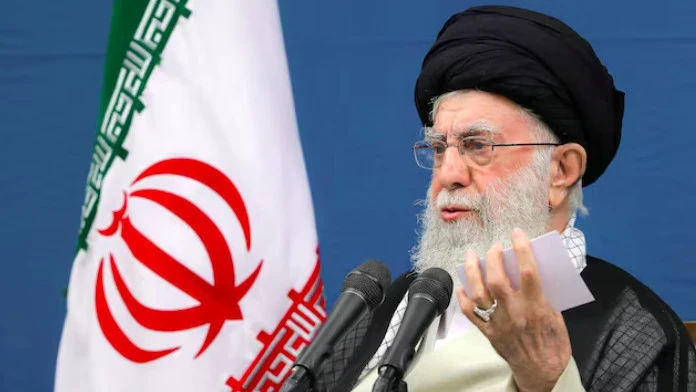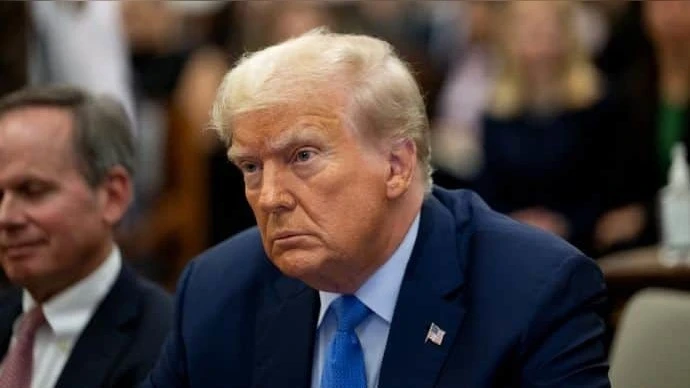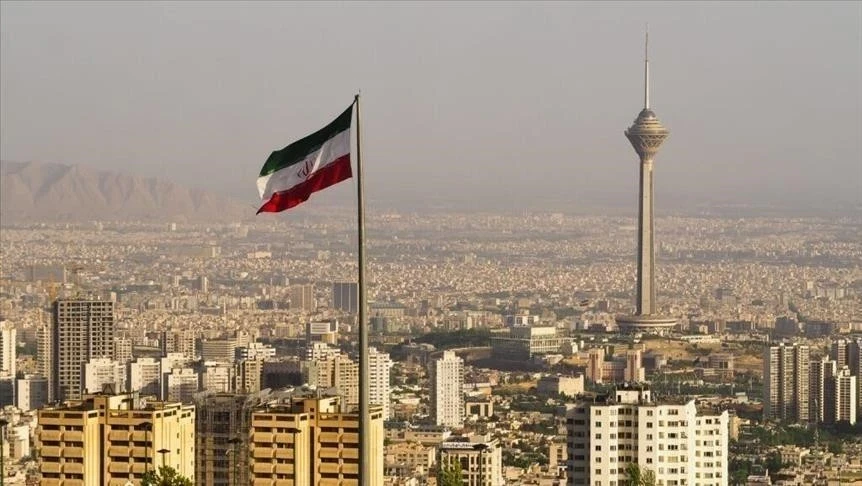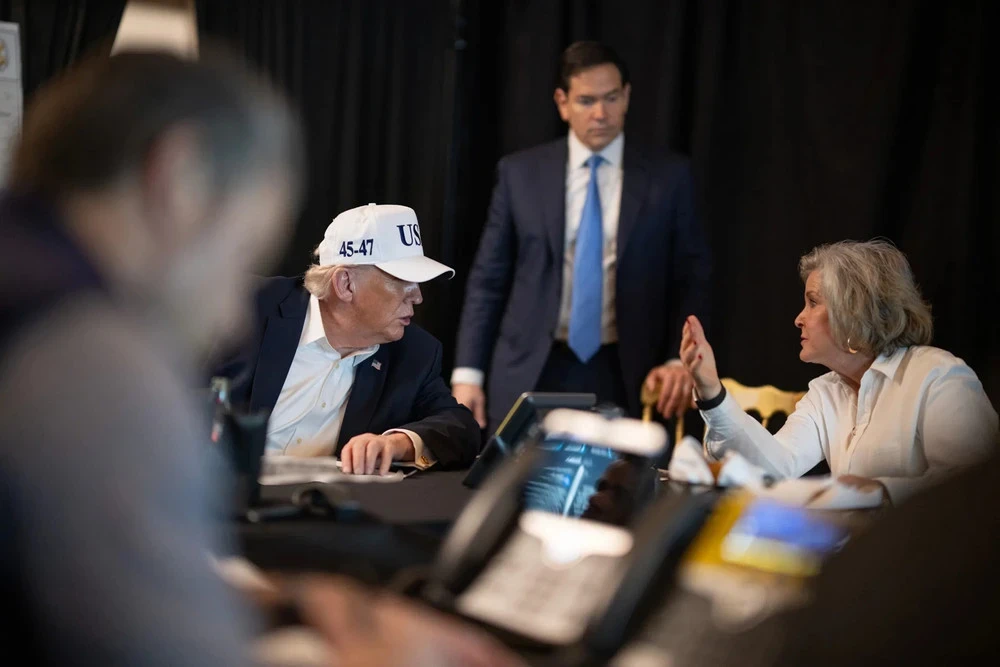
Just a few weeks ago, American military forces conducted an unexpected attack that resulted in the capture of the President of Venezuela. Now, having ordered the bombing of Iran, which led to the death of Ayatollah Ali Khamenei, Trump is taking even more risky steps. As a result of these actions, dozens of people have died, including three American servicemen, and hundreds of Iranian missiles and drones have attacked neighboring countries. Meanwhile, Israeli and American forces continue their operations. The escalation of the conflict is already affecting oil prices and raising investor concerns about geopolitical risks.
The clear message: no foreign adversary can feel safe, except perhaps those who possess nuclear weapons. Rivals should expect more decisive actions from the U.S., which critics argue undermines the legal norms that Washington demands from other countries.
“Trump is alarmingly using U.S. military power without any constraints, based solely on his perceptions of national interests,” said former British National Security Advisor Peter Ricketts. “This approach creates a dangerous precedent where any country can attack the leader of another country, which contradicts the UN Charter.”
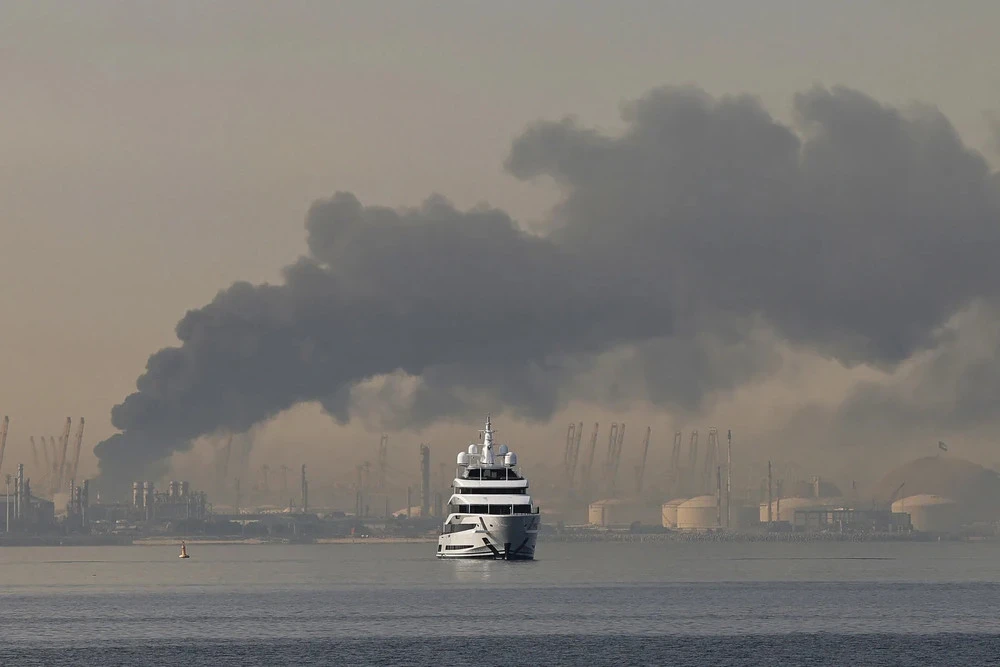
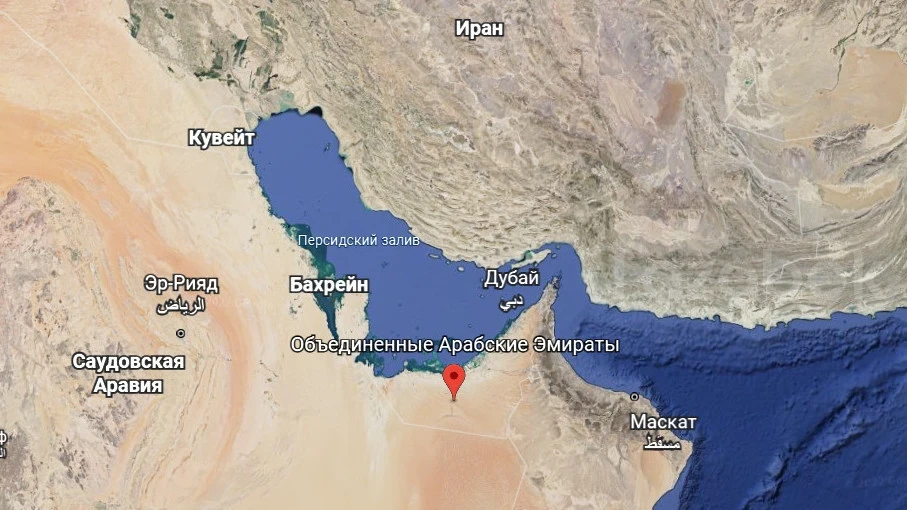
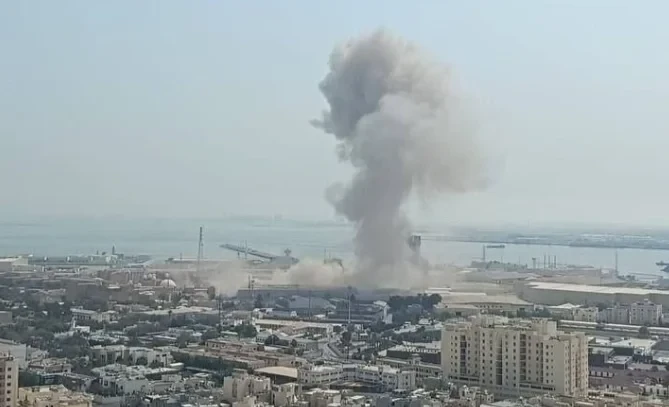
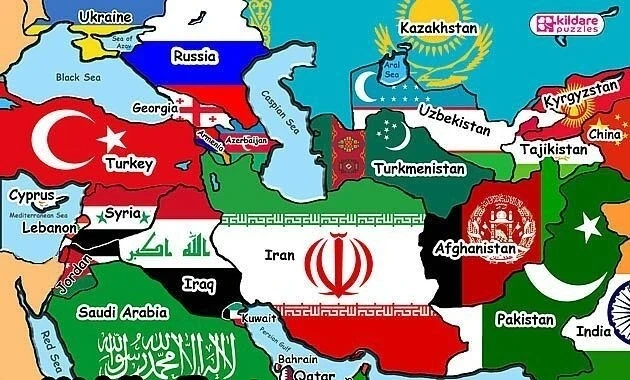
Iranian missiles are striking targets in the Persian Gulf, leading to a significant slowdown in shipments through the Strait of Hormuz—a vital route for global oil and gas trade, accounting for about 20% of all maritime shipments. Shipping companies are suspending operations, insurers are revising terms, and some shipowners are canceling voyages, citing military risks. Airlines are also canceling flights to the region, including major hubs like Dubai.
The price of Brent crude oil, which has already risen by 20% this year, increased by 13% to about $82 per barrel before partially retreating. As Bloomberg Economics predicts, a complete closure of the strait could push oil prices up to $108 per barrel. Gold and dollar prices are also rising, while futures for U.S. stocks opened lower at the start of trading on Sunday.
“Compared to previous administrations, we never fully utilized our power,” noted Jack Devine, former director of the CIA's operations division. “We conducted business more collectively, while Trump has raised the stakes to the maximum. This is a new bold world.”
Despite Trump's calls for protesters in Iran to seize power in December and January, there are no signs that the administration has created a foundation for rapid opposition growth. The risks of a protracted conflict are already pushing investors toward safer assets, such as treasury bonds, gold, and the Swiss franc.
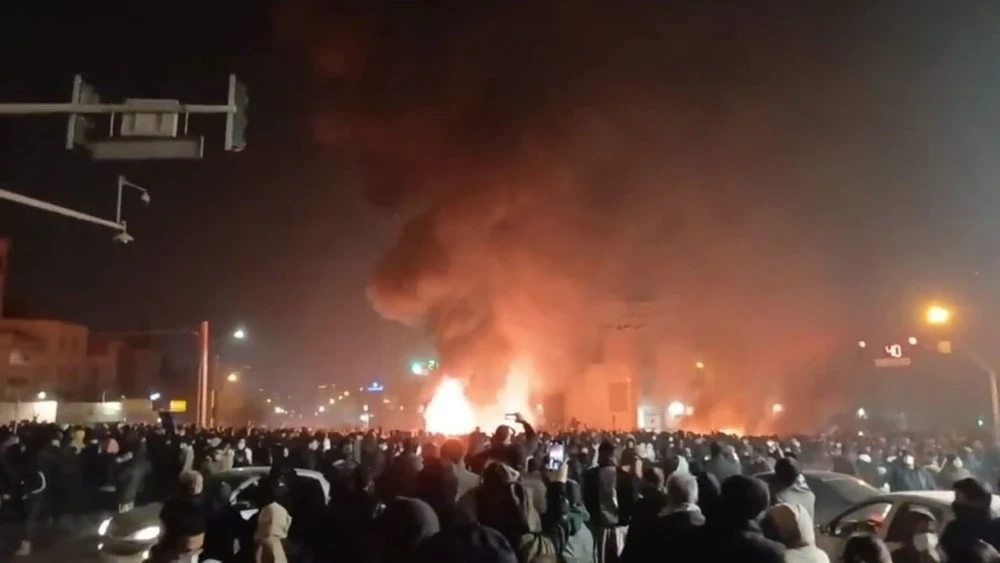
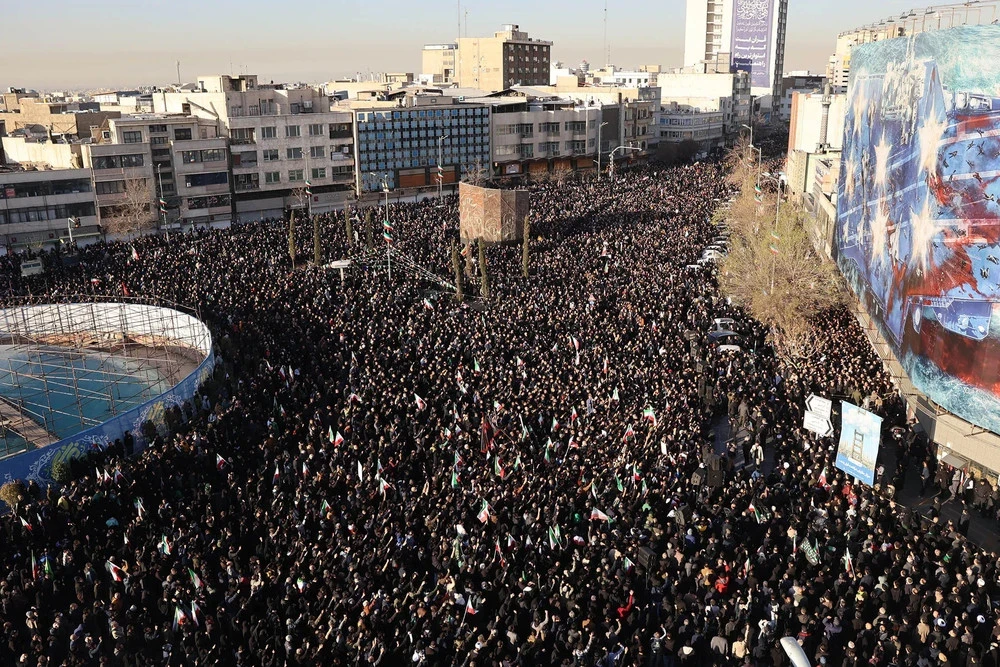
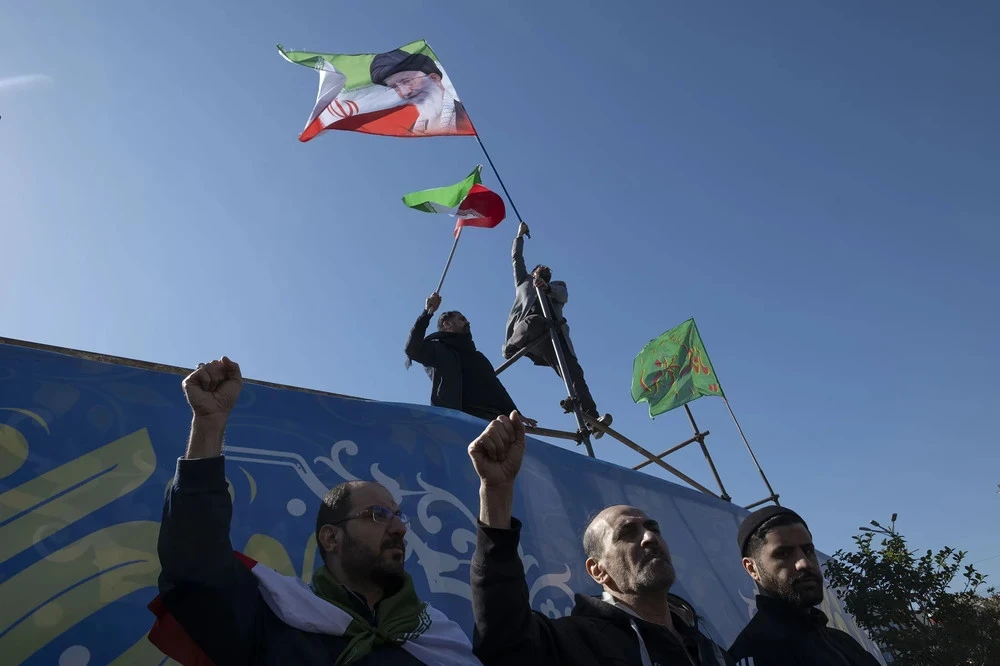
Some Iranians took to the streets to celebrate Khamenei's death, accused of years of repression, but significant crowds also mourned him. Signs of a large-scale uprising, which Trump called for, have not yet been observed. On Sunday, the president stated that Iran is requesting additional negotiations, but U.S. officials warned that attacks could continue for several days or even weeks as the U.S. and Israel seek to completely dismantle Tehran's military capabilities. Israeli Prime Minister Benjamin Netanyahu stated that strikes would intensify in the coming days.
“The removal of Khamenei could theoretically mean a regime change, but in practice, it could only lead to the replacement of one person, and the regime will remain in power,” noted Dennis Ross, former envoy of President Bill Clinton to the Middle East and now a fellow at the Washington Institute for Near East Policy. “It will only look like a success if the threat truly disappears and a popular uprising occurs that does not lead to mass repression.”
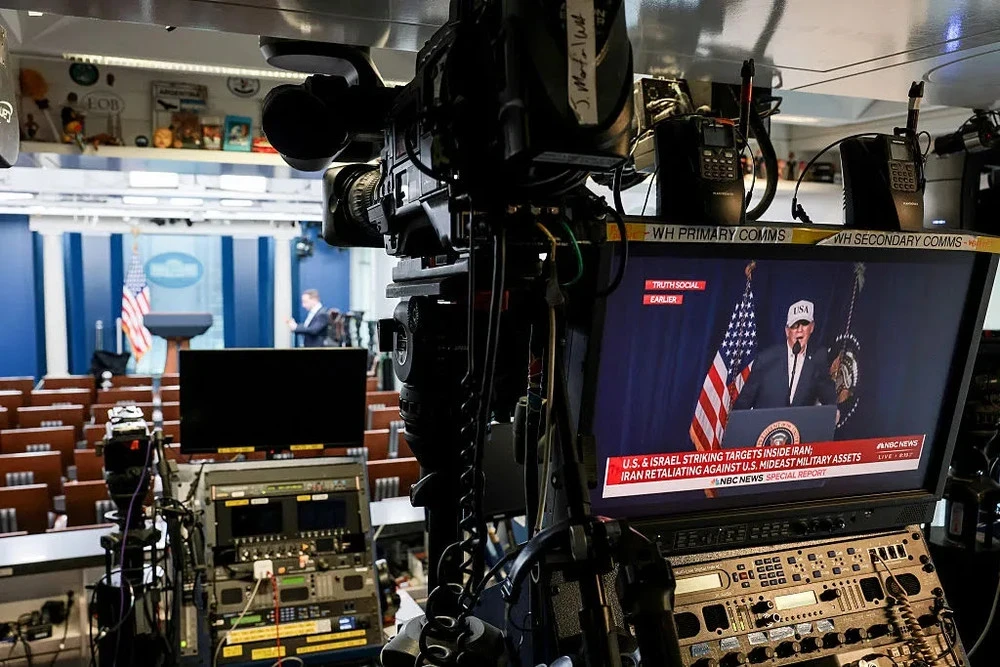
In a video address on Sunday, Trump warned of the possibility of new American casualties, stating that the military operation “will continue until all our goals are achieved.”
Domestically, his aggressive foreign policy appears risky, as the president previously opposed wars abroad and has not taken significant steps to bolster public support for his actions. The escalation of the conflict comes just months before the midterm elections, in which, according to polls, his Republican Party is likely to lose ground as voters focus on high living costs.
Trump is attempting to implement radical changes in U.S. foreign policy similar to those made by George W. Bush after September 11, but without the shock effect that united public opinion in 2001. This time, there is no comparable national consensus. Opposition in Congress has become more rigid, and there is virtually no public support for another unpredictable foreign policy conflict.
According to a Reuters/Ipsos poll released on Sunday, only 25% of Americans approve of the strikes that led to Khamenei's death, while about half of citizens, including a quarter of Republicans, believe that Trump is too eager to use military force.
Trump's supporters immediately hailed the operation as a historic success. “I have no doubt that the regime of the bloodthirsty ayatollah in Iran will soon cease to exist,” wrote Republican Senator Lindsey Graham. “The biggest changes in the Middle East in a thousand years are beginning.”
However, critics hold the opposite view.
“Trump is a clear imperialist. He is clearly obsessed with his power and the ability to use the Armed Forces,” said Democratic Senator Andy Kim. “There is no strategy in America. Everything depends solely on the whim of one man—Donald Trump.”
The latest strikes go far beyond last year's attacks on Iranian nuclear facilities. The death of Khamenei, who dominated Iranian politics for more than three decades, has removed a high-ranking leader of the security forces, putting the Islamic Republic in a serious crisis of power succession.
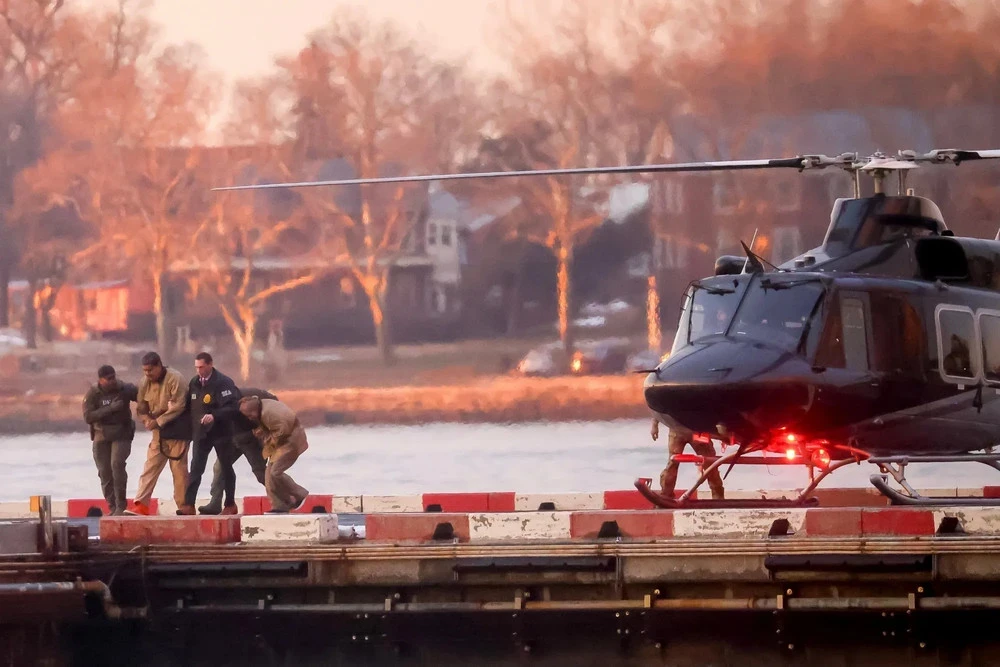
In Venezuela, President Nicolás Maduro has stepped down, but his government apparatus largely remains under the control of acting President Delcy Rodríguez, who has agreed to give Trump full control over the country's vast oil industry.
Trump also hinted at the possibility of new targets, such as Cuba. While tightening sanctions and pressuring the energy sector have exacerbated difficulties, no political changes have yet occurred.
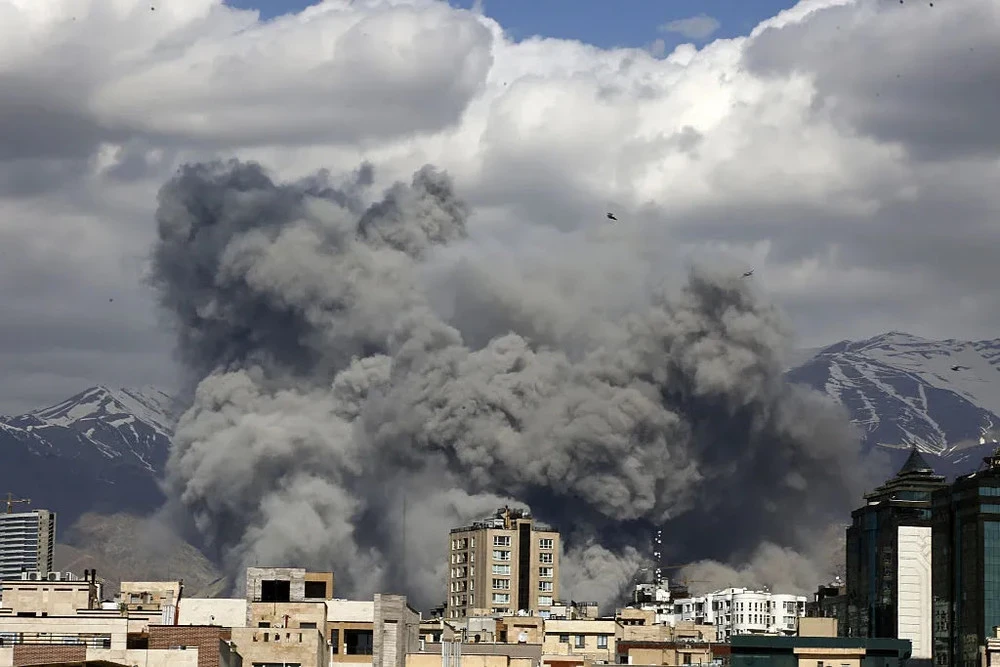
The situation in Iran is more critical. Iranian missiles have already struck American and Israeli facilities in the region, as well as more than half a dozen countries, including the UAE and Saudi Arabia.
The lesson for other leaders is quite harsh.
Some believe that reliable nuclear deterrence and cautious behavior from Washington can provide a reliable defense, as Vladimir Putin and Kim Jong-un have understood, both of whom are protected by nuclear arsenals and seek rapprochement with Trump. The U.S. president continually asserts that Iran will not be allowed to possess nuclear weapons, although Tehran claims that this has never been its goal.
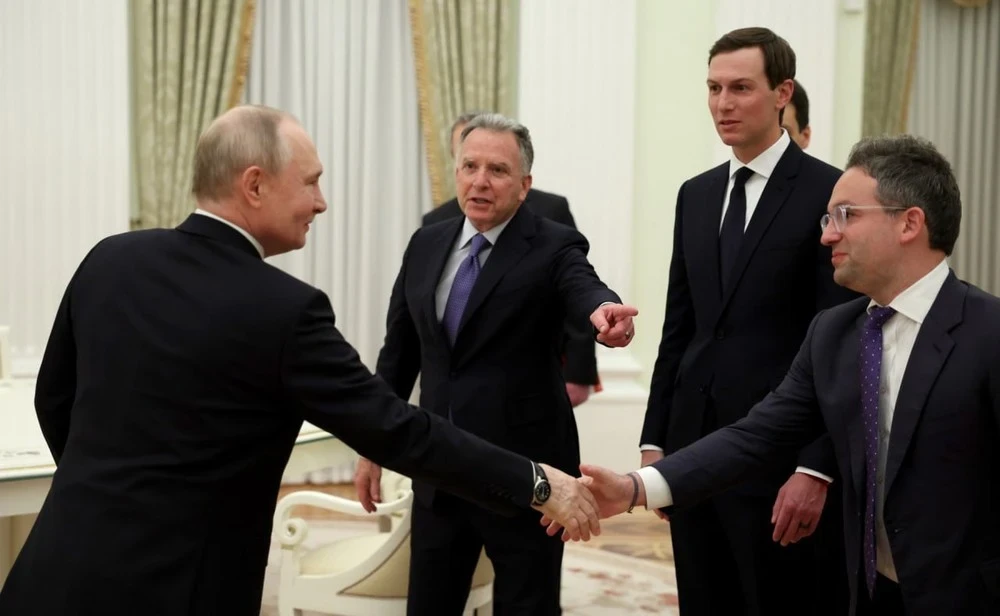
A regime change in Tehran would strike a blow to Moscow and Beijing, which have developed ties with the Islamic Republic. Putin called Khamenei's assassination “a cynical violation of all norms of human morality and international law.”
Chinese Foreign Minister Wang Yi stated that “the open assassination of the leader of a sovereign state and regime change are unacceptable,” adding that such actions could lead to catastrophic consequences in the Middle East.
On the other side of the Persian Gulf, airlines have suspended flights to Dubai, Doha, and Abu Dhabi, leaving tens of thousands of passengers stranded and disrupting one of the world's busiest aviation corridors and financial centers.
Tehran's network of proxy forces could also escalate the conflict, although Israel has destroyed much of their military capabilities in recent years. The Houthis have already threatened to resume attacks on U.S.-linked vessels in the Red Sea.
According to a senior European diplomat in Washington, who wished to remain anonymous, Trump is pursuing his foreign policy goals much more aggressively than he did in his first term.
“You’ve seen a president who is willing to use force, even if not for prolonged operations, but clearly ready, and these forces have performed extraordinarily,” noted David Petraeus, a retired U.S. Army general and former CIA director. “I hope that potential adversaries anywhere in the world take this signal.”
Critics argue that Trump's approach is defined by the 24-hour news cycle and his distractibility. American voters also show little patience for prolonged electoral campaigns. Instead of exerting consistent pressure over months or years, he prefers quick and powerful strikes.
While his approach is not new, targeted killings became one of the pillars of the U.S. fight against terrorism after September 11. President Obama significantly expanded the use of drones, and Joe Biden has maintained this tool while tightening its rules of engagement.
In his first term, Trump pushed the boundaries of what was permissible. In 2020, he ordered the assassination of Iranian General Qassem Soleimani but refrained from attacking the top of Iran's political hierarchy.
“Trump is the first president to openly disregard international law,” noted Mary Ellen O'Connell, a law professor at the University of Notre Dame.
U.S. adventurism in the Middle East has a long history of unpredictable consequences, which sometimes manifest only years later—from the CIA-backed coup in Iran in 1953, which ultimately contributed to the Islamic Revolution of 1979, to the chaos that allowed ISIS to seize territory in Iraq and Syria a decade after the U.S. invasion of Iraq.
The collapse of central authority in Tehran could lead to a wave of refugees that would impact Europe and beyond, as happened in Syria ten years ago, altering the political landscape on the continent and drawing neighboring countries and world powers into a deeper conflict.
“In such situations, the one with the most people and the most weapons, who is willing to use them in truly tough conditions, usually wins,” concluded Petraeus.
The U.S. has previously pursued foreign leaders, typically acting in the shadows—from the 1973 coup that brought Augusto Pinochet to power in Chile to plots to assassinate Fidel Castro in Cuba and Patrice Lumumba in the Congo in the 1960s.
What distinguishes Trump's recent actions is their openness: this is a publicly acknowledged military campaign against the supreme authority of a sovereign state that few believe poses an immediate threat to the U.S.
“We are seeing the most powerful country on the planet openly overthrow regimes without much warning or justification,” emphasized Rosemary Kelanic, director of the Middle East program at the Defense Priorities think tank in Washington, which is skeptical of the use of force. According to her, “there is a lack of planning for what will happen afterward.”