World leaders and international organizations made statements following the strikes on facilities in Iran on February 28, marking a new phase in the escalation of the conflict in the Middle East.
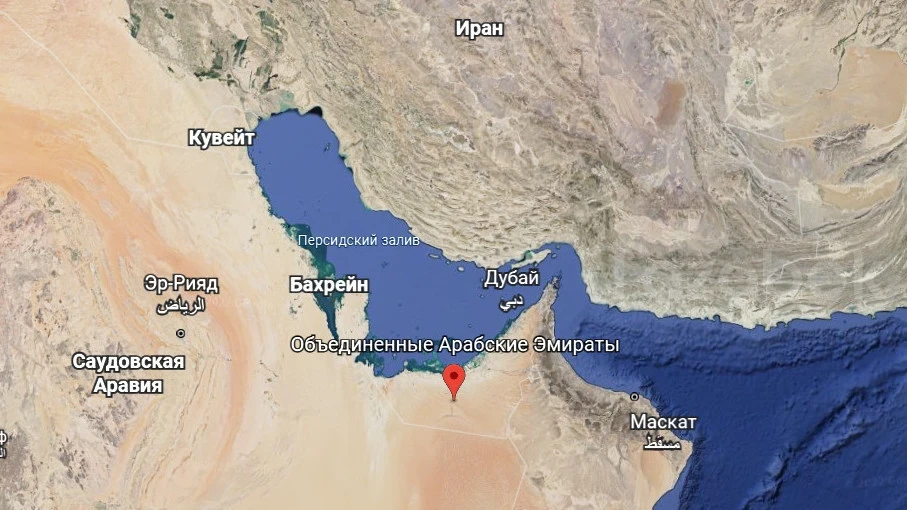
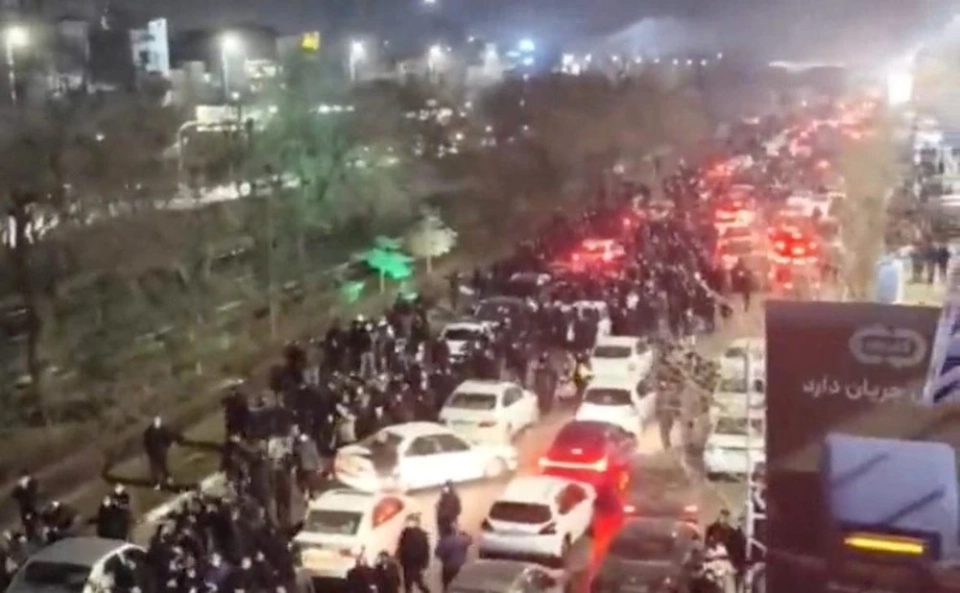
In response to these strikes, Iran announced plans to launch missile strikes on U.S. military facilities in the region. According to international sources, Iran's actions are aimed at American bases and infrastructure in several countries, including Iraq, Syria, Qatar, Bahrain, Kuwait, and the UAE, where U.S. troops are stationed. Iranian authorities consider these facilities legitimate targets for retaliation.
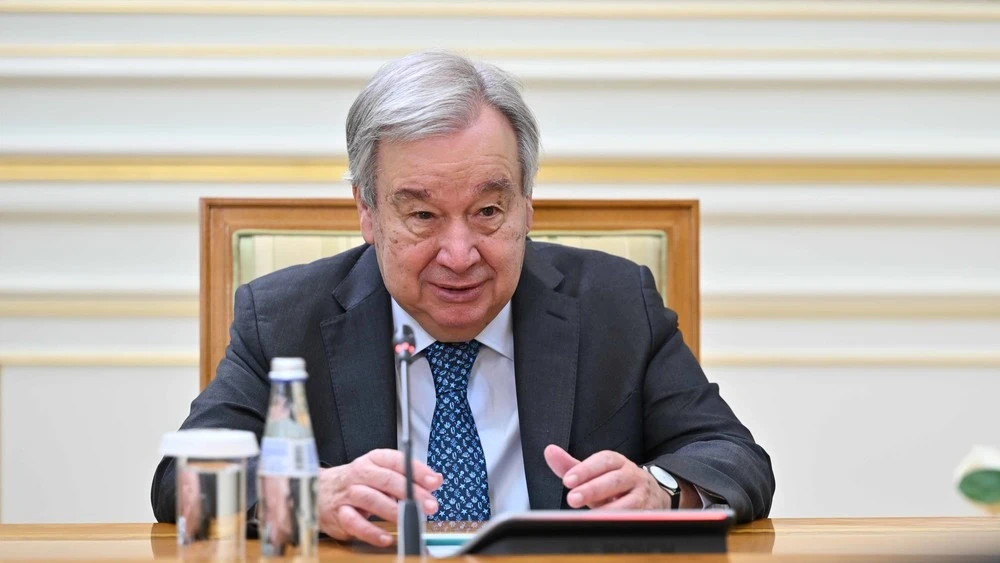
UN Secretary-General António Guterres called for an immediate de-escalation of the conflict, warning of the risk of further expansion. He noted that the use of force and retaliatory measures threaten international security and endanger civilian populations. The UN Security Council has already begun emergency consultations on the situation.
Russia sharply condemned the strikes carried out by the U.S. and Israel, characterizing them as aggression against a sovereign state. Moscow noted the potential humanitarian and radiological consequences and expressed readiness to assist in a peaceful resolution of the conflict.
The European Union expressed deep concern over the situation and called on the parties to exercise restraint, protect civilians, and adhere to international norms.
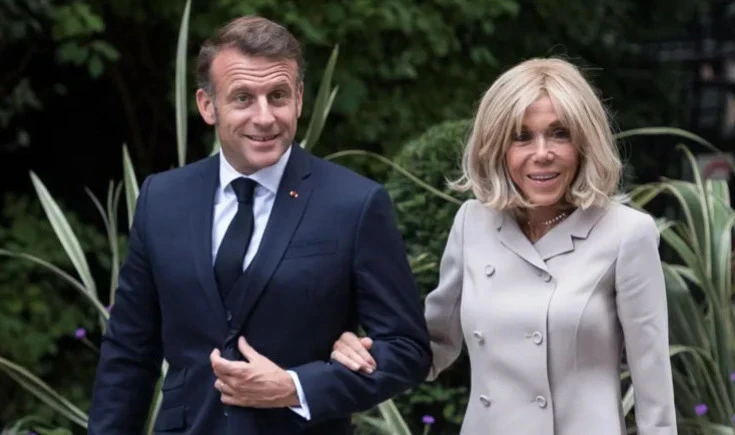
A joint statement from France, Germany, and the United Kingdom also called for a diplomatic resolution to the conflict and stability in the region. French President Emmanuel Macron emphasized the need for urgent discussion of the situation in the UN Security Council.
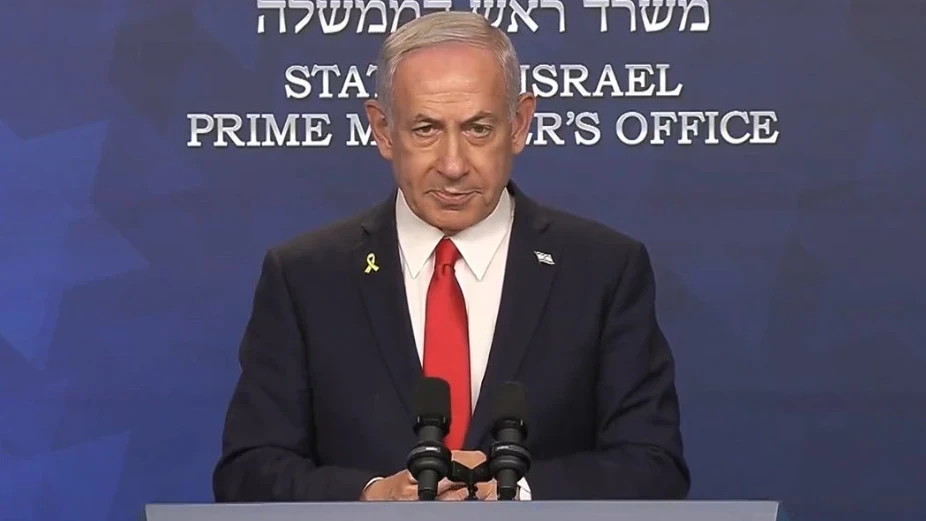
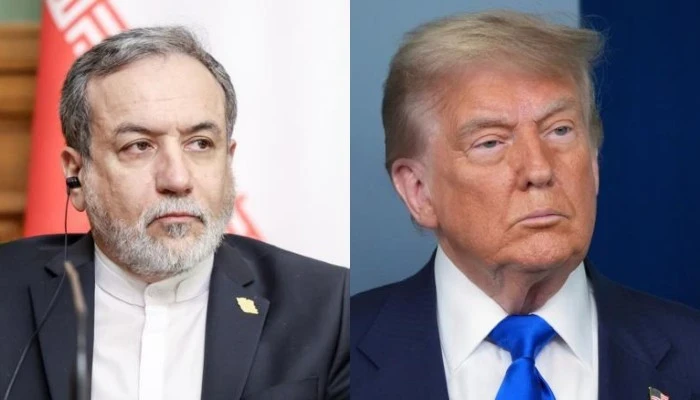
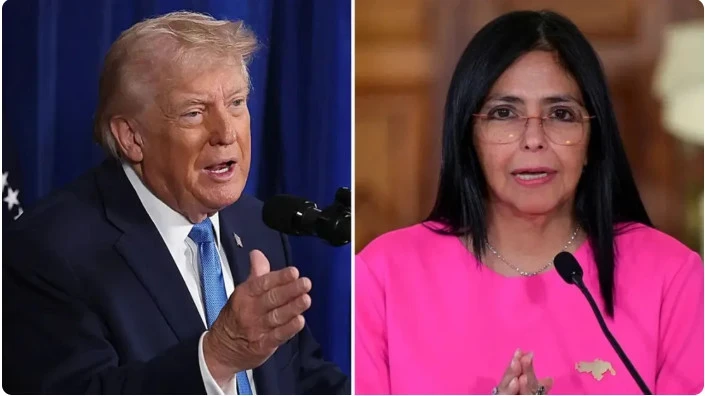
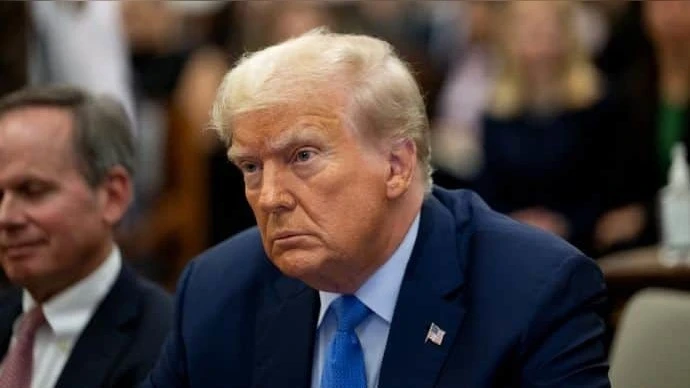
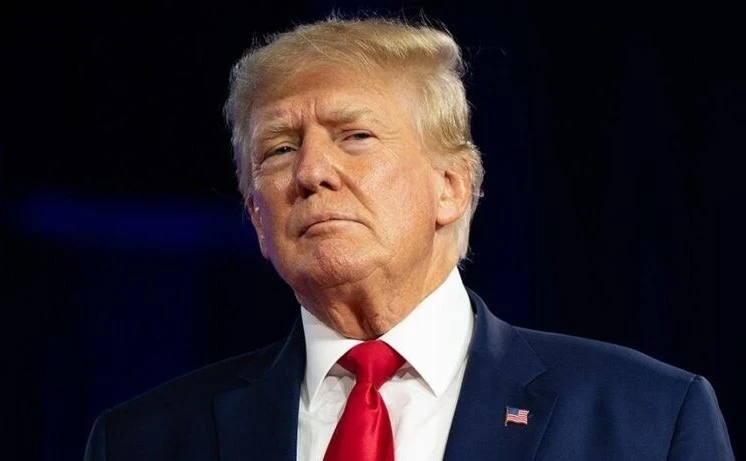
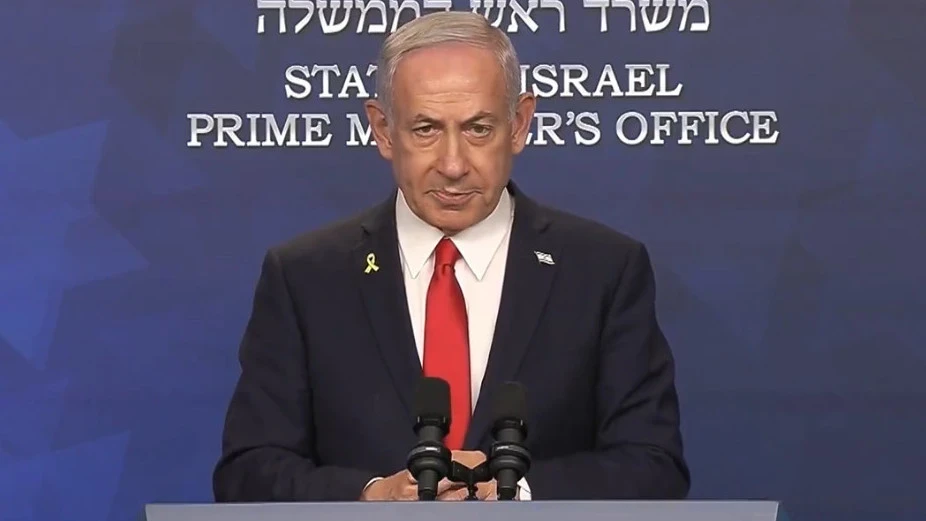
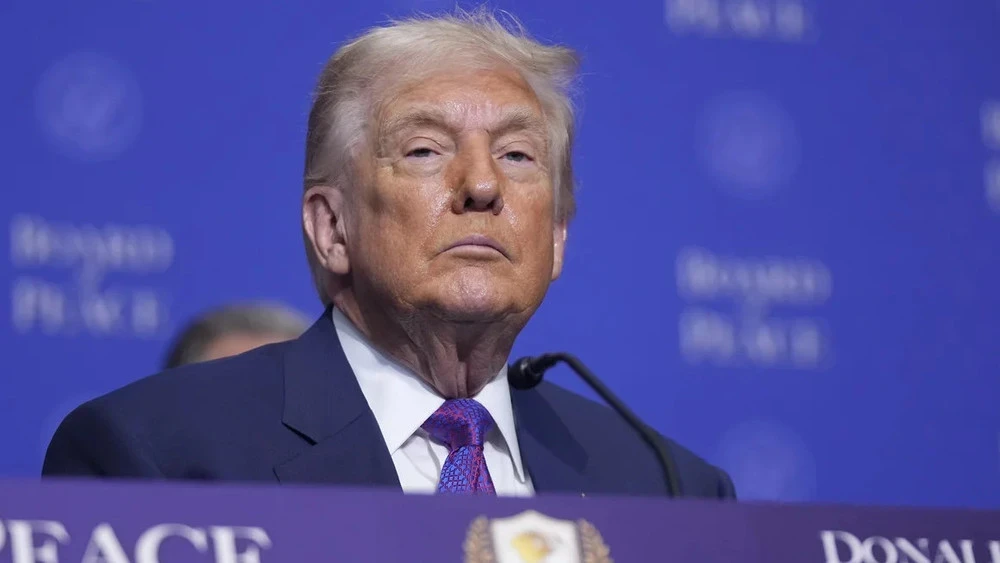
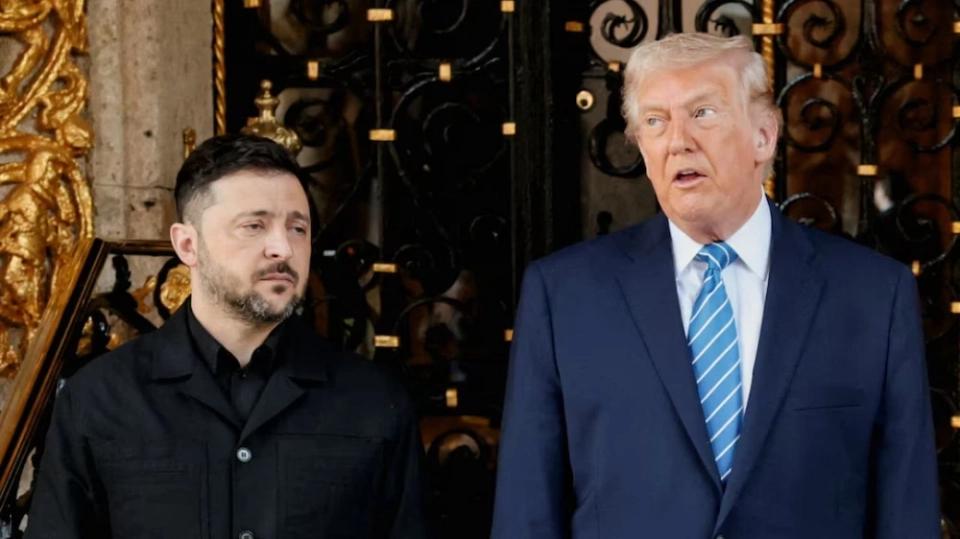
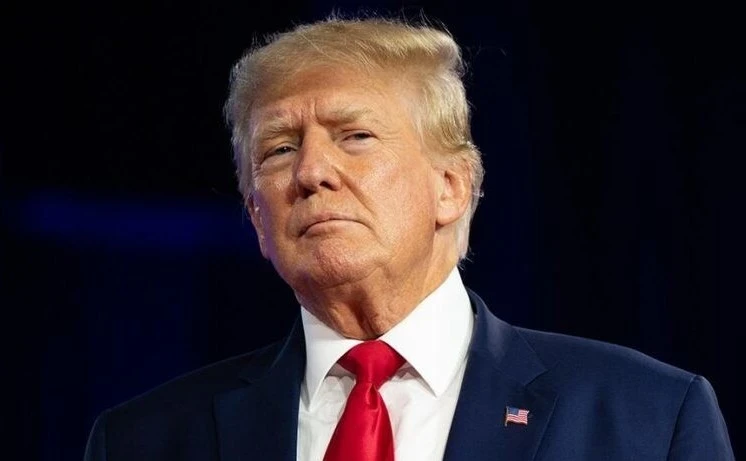
U.S. President Donald Trump announced the start of a large-scale military operation against Iran, emphasizing that these actions are aimed at eliminating the threat. Israeli Prime Minister Benjamin Netanyahu also confirmed that the operation is aimed at eliminating an "existential threat" to Israel.
The Iranian Ministry of Foreign Affairs accused the U.S. and Israel of violating the UN Charter, stating that their facilities in the region could become legitimate targets for retaliatory actions.
Some Middle Eastern states expressed concern over the escalating conflict. Saudi Arabia condemned Iran's retaliatory strikes on facilities in the Persian Gulf and reaffirmed its support for its allies.
Canada supported the U.S. position, emphasizing the importance of preventing Iran from acquiring nuclear weapons.
Spain called for an immediate cessation of hostilities, while Norway questioned the legality of preemptive strikes.
Oman expressed regret over the escalation of the situation, noting that it occurred against the backdrop of diplomatic efforts to resolve the conflict.
Tensions remain in the region, and the international community continues to call for restraint and a return to diplomatic negotiations.