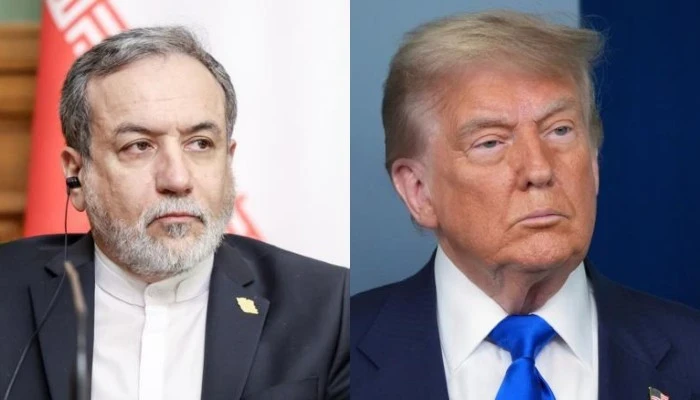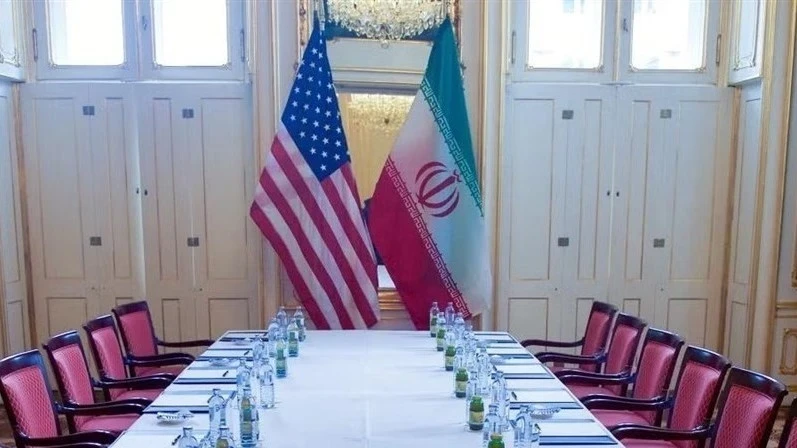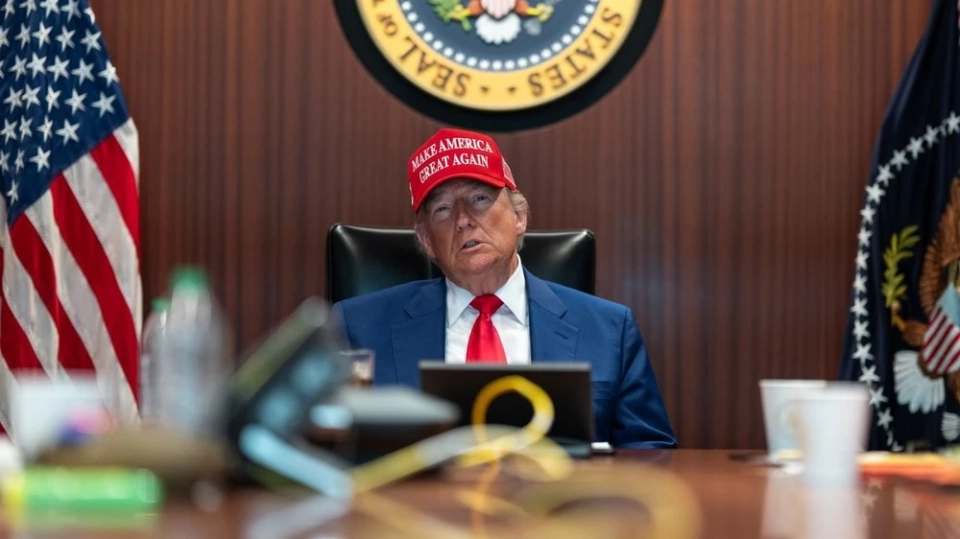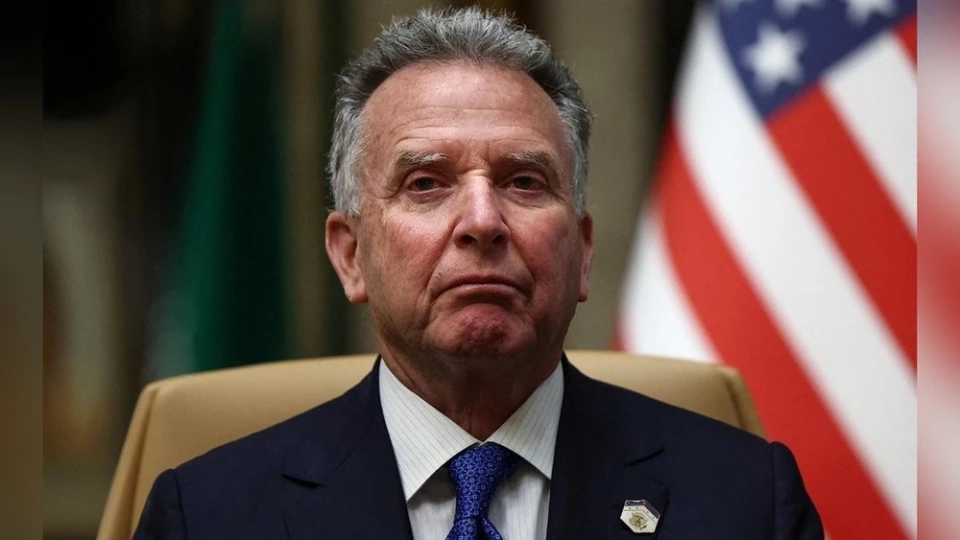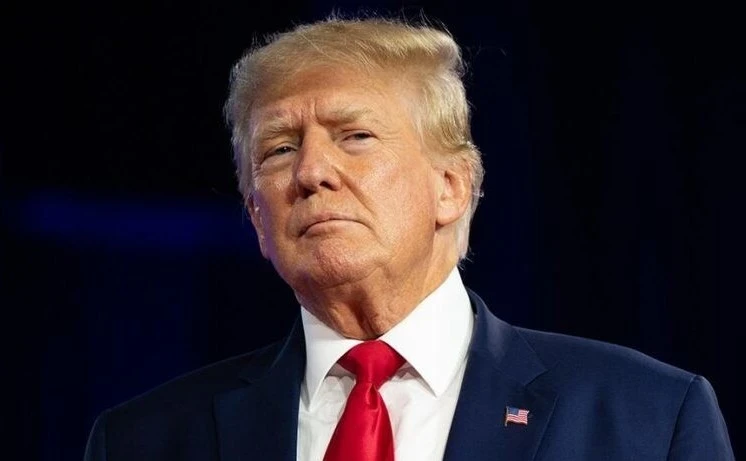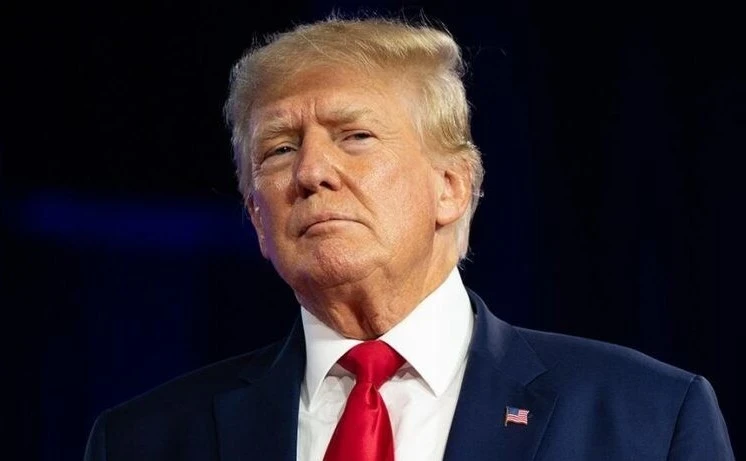
Trump noted that the "armada" is already heading to the region, and another aircraft carrier group may be sent towards Iran. He emphasized that discussions with Tehran remain a priority for the U.S., but if negotiations fail, the White House will be forced to resort to "very harsh measures." According to him, Iran is showing greater flexibility compared to the situation preceding the military escalation between the U.S., Israel, and Iran in the summer of 2025. On February 6, indirect negotiations between Iran and the U.S. began in Oman. The U.S. delegation was led by the President's special envoy, Stephen Witkoff, who insisted on concessions from Tehran on several issues, including the nuclear program, missile arsenal, and support for proxy forces in the Middle East.
The Iranian side claims it is ready to resume discussions on the nuclear deal if sanctions are lifted. Following the first phase of negotiations, both sides expressed optimism, although remaining disagreements continue to exist.
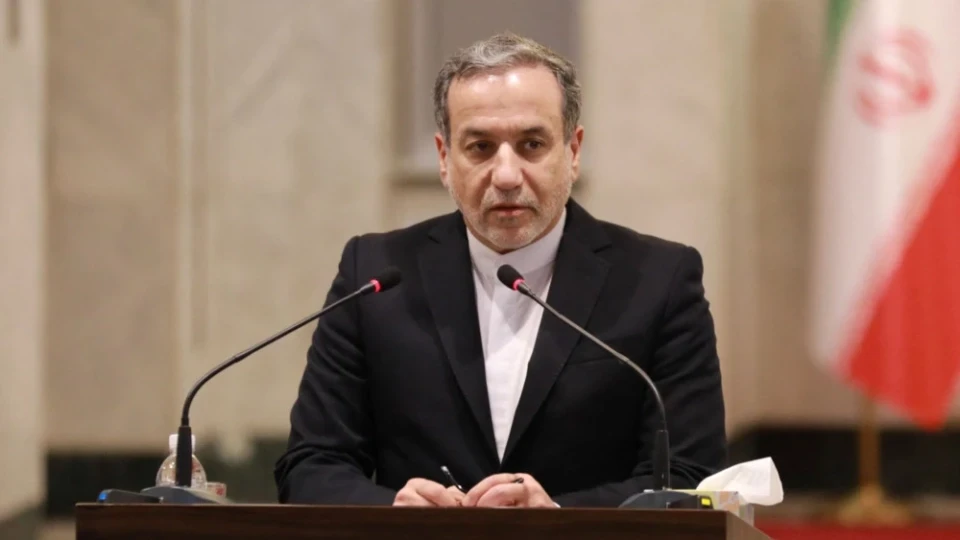
Abbas Araghchi, head of the Iranian delegation, confirmed that Iran will continue uranium enrichment for peaceful purposes and rejected the policy of "zero enrichment."
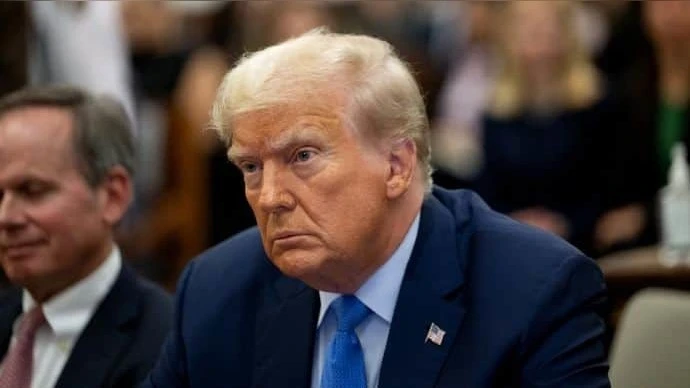
Trump has repeatedly threatened Iran with military action if the country's authorities do not agree to revise the 2015 nuclear program agreement, which was suspended in 2019. In the spring of 2025, he issued an ultimatum to Tehran demanding a new deal within two months.
In June 2025, the U.S. conducted airstrikes on Iran's nuclear facilities as part of an operation supported by Israel. Although exact details of the consequences of these strikes are unknown, Trump claimed to have destroyed Iran's nuclear program.
Since the beginning of 2026, the U.S. military presence in the Middle East has increased. Trump explained this measure as a response to suppressing anti-government protests in Iran, during which, according to official data, nearly three thousand people died. The aircraft carrier Abraham Lincoln, considered "the largest warship in the world," was sent to the region.
Before the start of negotiations in Oman, the U.S. urged its citizens to leave Iran. Official Tehran emphasizes that dialogue is only possible on an equal basis and calls on Trump to abandon threats.