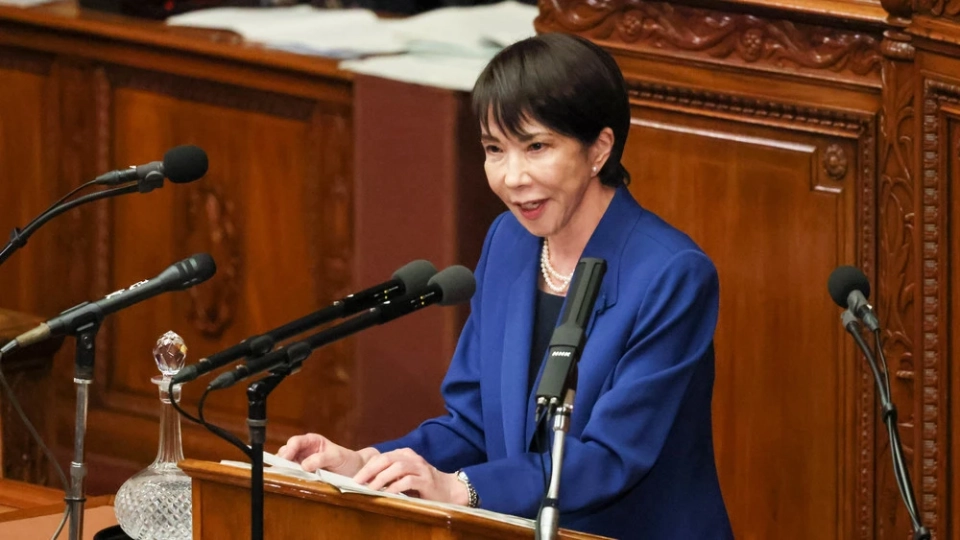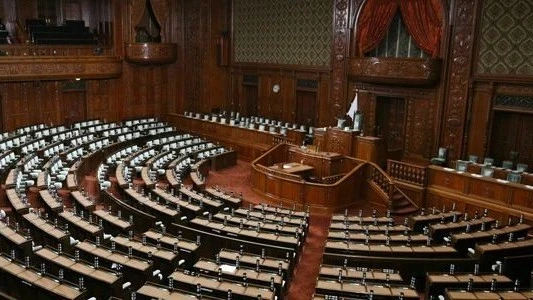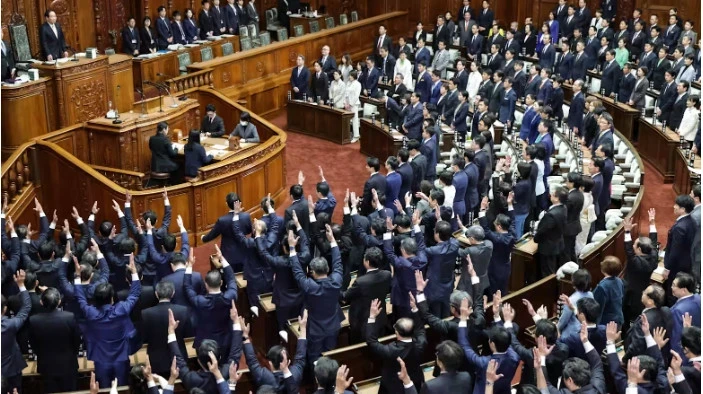
The LDP secured 316 mandates out of 465 possible, as reported by the Japanese public broadcaster NHK. Before the elections, the party held 198 seats in the lower house of parliament.
The LDP's coalition partner, the Innovation Party, won 36 mandates.
With more than two-thirds of the seats (310), the LDP has the ability to call for a re-vote on bills if they are rejected by the upper house, where the ruling coalition does not have a majority, and can also propose amendments to the Constitution.
The opposition alliance, consisting of the Komeito and Constitutional Democratic Party, significantly reduced its representation from 172 seats to 49.
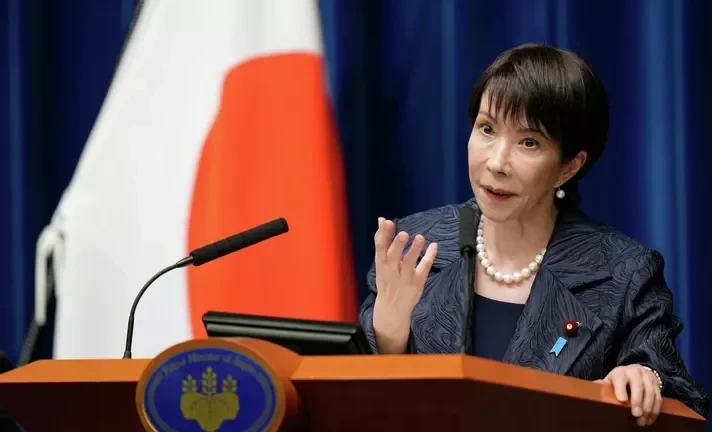
After the exit poll results were released, Sanae Takaichi stated that she does not plan to change the composition of the government, as it was formed only three months ago. "All the ministers are people I trust, and they are working actively, so no reshuffles are planned," the EFE agency quoted the Prime Minister.
According to NHK, this is the first time since World War II that a single political force has obtained more than two-thirds of the seats in the lower house of Japan's parliament.