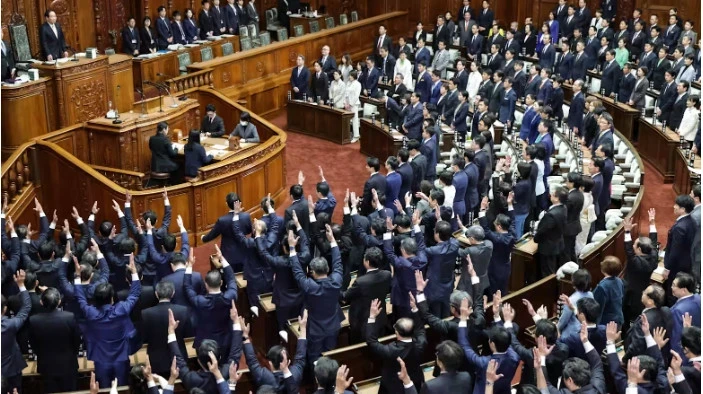
These snap elections, taking place on February 8, present an opportunity for Takaiichi to strengthen her position and promote a program that includes increased defense spending and stricter immigration measures.
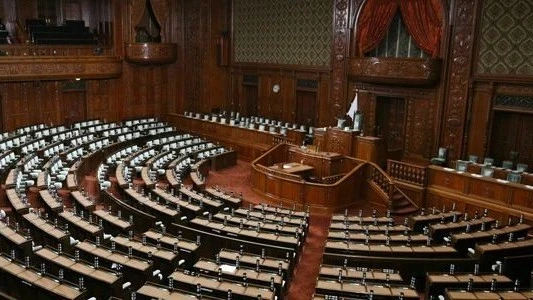
The total number of seats in parliament is 465, and over 1,200 candidates have registered for these elections, according to Japanese broadcaster NHK World. Approximately 105 million voters are ready to cast their ballots.
Among the participating parties are the Liberal Democratic Party, a new centrist reform alliance, the Japan Innovation Party, the People's Democratic Party, the Communist Party of Japan, and the Conservative Party of Japan.
Analysts believe that the chances of victory for the local national conservatives, led by newly elected Prime Minister Sanae Takaiichi, are quite high.
The electoral process includes voting in 289 single-member districts, while results in the remaining districts will be determined by a proportional system. Voting is scheduled to conclude at 8:00 PM local time, after which forecasts from broadcasters based on exit poll data are expected.